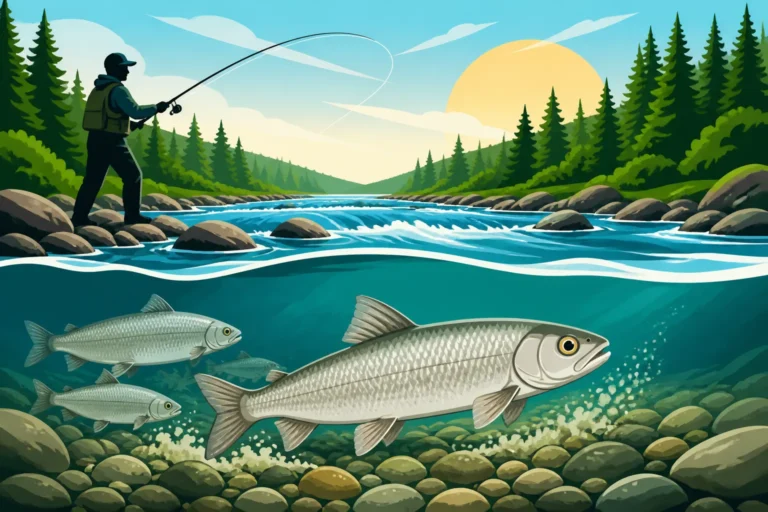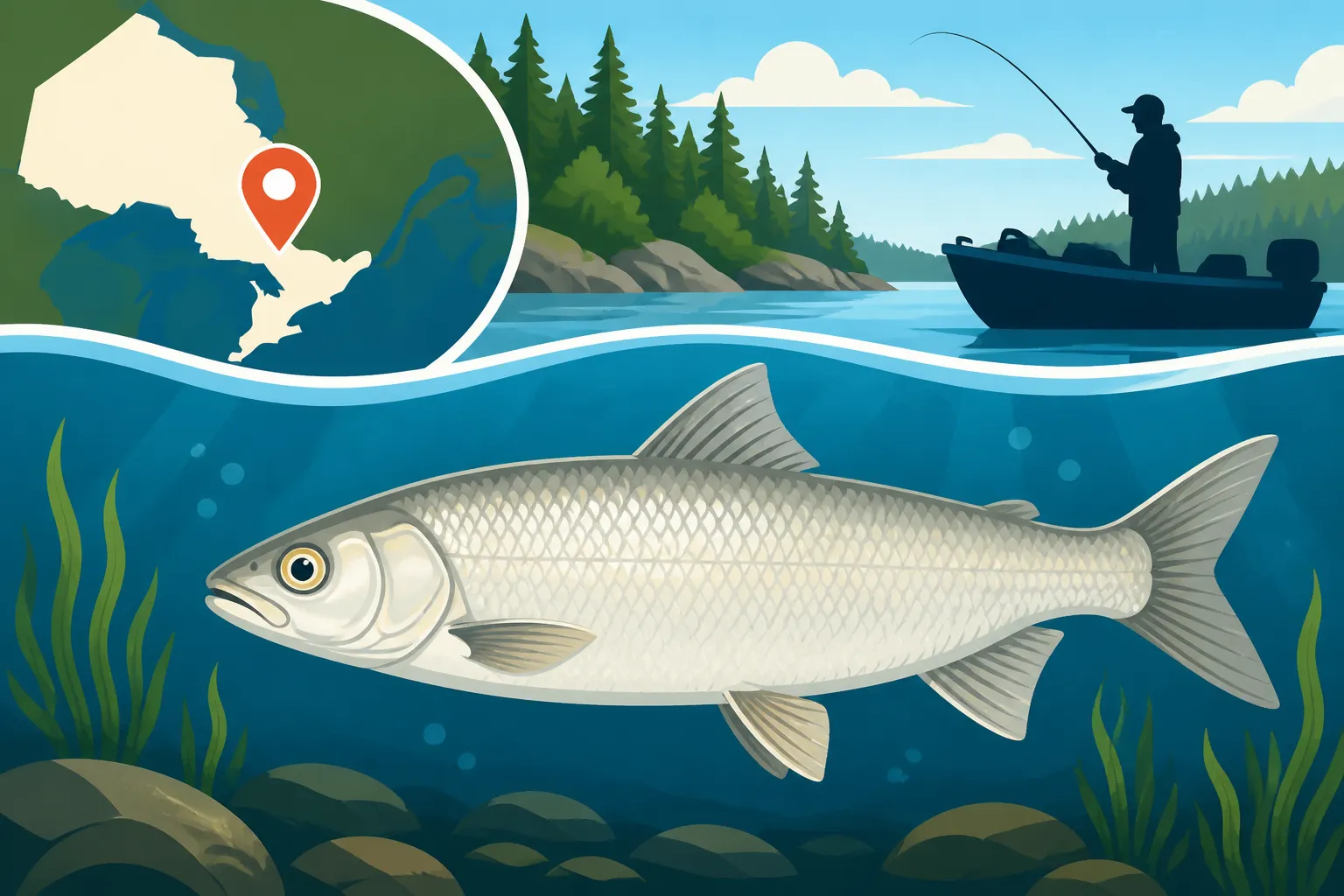
What whitefish look like and where they live
It can be incredibly frustrating trying to identify the fish you’ve just reeled in, especially when you're faced with a species that has a few lookalikes. You might be wondering, "Is this a whitefish or something else entirely?" or "Where in Ontario can I even expect to find these elusive fish?" This guide is here to clear up that confusion, offering a detailed look at what whitefish truly look like and where they make their homes across our beautiful province, so you can confidently identify your catch and know where to target them.
Whitefish Identification: What Do They Look Like?
When you pull a whitefish from the cool waters of Ontario, you'll immediately notice its distinct characteristics. They aren't as flashy as a rainbow trout or as toothy as a northern pike, but they possess a subtle beauty and a robust, streamlined form perfectly adapted to their deep, cold-water environments. Understanding these physical traits is your first step to confidently identifying them and appreciating this remarkable species.
Key Physical Characteristics: Body Shape, Fins, Mouth
Whitefish, particularly the common lake whitefish ( Coregonus clupeaformis ), have a rather classic "fish" shape, but with specific nuances. Their bodies are typically elongated and somewhat compressed laterally, giving them a sleek profile. You won't find the broad, flattened body of a crappie here; instead, imagine a torpedo built for cruising cool, deep waters.
One of the most telling features is their mouth. Unlike the large, predatory mouths of species like bass or pike, a whitefish's mouth is small and subterminal, meaning it's located slightly underneath their snout. This design is perfectly suited for their bottom-feeding habits, allowing them to vacuum up insects, small crustaceans, and other invertebrates from the lakebed. Run your finger along their mouth – you'll find it relatively soft and toothless, another key differentiator from more aggressive game fish.
Their fins are also quite distinctive. They possess a prominent forked tail fin, which is powerful and helps them navigate strong currents and deep waters. Like trout and salmon, whitefish also have an adipose fin, that small, fleshy fin on their back between the dorsal fin and the tail. This adipose fin is a key characteristic of the salmonid family, to which whitefish belong, and can help distinguish them from non-salmonid species. Their scales are relatively large and smooth to the touch, often reflecting light with a subtle iridescence.
Colouration and Size Variations
The colour of a whitefish can vary somewhat depending on the specific lake it inhabates, its diet, and the water clarity, but they generally exhibit a beautiful silvery-white sheen, which is how they earned their common name. Their backs are usually a darker olive-green to brownish-black, fading gracefully into the bright, almost iridescent silver sides, and culminating in a pure white belly. This counter-shading helps them blend into their surroundings, whether viewed from above against the dark lake bottom or from below against the bright surface light.
Size-wise, whitefish in Ontario can vary considerably. While anglers might dream of hooking a true trophy, many common catches range from 1 to 5 pounds. However, in productive waters, they can grow much larger. It's not uncommon to hear tales of whitefish pushing into the double digits, with some exceptional specimens reaching 15 pounds or more. Their growth is often slower than many other species, meaning those larger fish have been swimming our lakes for a good long time. Generally, they are robust and muscular, especially those caught in colder, oxygen-rich environments.
Distinguishing Whitefish from Other Species (Cisco, Lake Trout)
Here's where it can get tricky, especially for newer anglers. Whitefish are often confused with a few other species found in Ontario, primarily cisco (often called tullibee) and sometimes even smaller lake trout. Knowing the subtle differences is crucial for proper identification and adherence to regulations.
Let's start with cisco. Cisco ( Coregonus artedi ) are closely related to lake whitefish and share many similarities. However, cisco tend to be much more slender and elongated in body shape compared to the stockier lake whitefish. Their mouths are typically terminal or slightly superior (pointing upwards), meaning the lower jaw often protrudes slightly, rather than the subterminal mouth of the whitefish. This mouth difference is the easiest and most reliable way to tell them apart. Cisco also tend to be a bit more silvery all over, often lacking the darker back of a classic lake whitefish. If you're comparing two fish, the "fatter" and more deep-bodied fish with the tucked-in mouth is usually the whitefish.
Then there's the lake trout. While lake trout ( Salvelinus namaycush ) might seem distinct, smaller ones can sometimes be mistaken by the untrained eye, particularly due to their shared preference for cold, deep water and the presence of an adipose fin. The key differences lie in their mouth, body shape, and spotting. Lake trout have a much larger, more robust mouth with noticeable teeth, built for preying on other fish. Their body is generally less compressed and rounder, and they are adorned with light spots on a darker background – a pattern distinctly different from the solid silvery-white sides of a whitefish. Also, lake trout often have a much more pronounced fork in their tail. If you catch what you suspect is a whitefish but it has teeth and prominent spots, you've likely got a laker on your line. Understanding Lake Trout Fishing in Ontario can certainly help with this distinction.
| Feature | Lake Whitefish | Cisco (Tullibee) | Lake Trout |
|---|---|---|---|
| Body Shape | Deep-bodied, somewhat compressed, robust | Slender, elongated, less compressed | Rounder, torpedo-like, less compressed |
| Mouth Position | Small, subterminal (under snout), soft, generally toothless | Terminal (at tip of snout) or slightly superior (upper jaw shorter), small | Large, terminal, with noticeable teeth |
| Colouration | Dark back (olive/brown), silvery sides, white belly | Uniformly silvery, often lighter all over | Dark background with distinct light spots |
| Adipose Fin | Present | Present | Present |
| Tail Fin | Moderately forked | Moderately forked | Deeply forked |
| Scales | Large, smooth | Smaller, smooth | Smaller, smoother |
| Primary Diet | Bottom invertebrates, insects, small fish | Plankton, small invertebrates, small fish | Other fish (herring, smelt, cisco), invertebrates |
Where Whitefish Call Home: Habitat and Distribution in Ontario
Whitefish aren't just pretty fish; they are incredibly resilient and have found ways to thrive in a variety of Ontario's pristine and vast waters. Their preferred habitats are quite specific, often leading anglers to search deeper and colder sections of our lakes. Knowing where they live and why will significantly boost your chances of finding them.
Preferred Habitats: Depths, Temperatures, and Bottom Composition
If there’s one thing whitefish absolutely need, it’s cold, oxygen-rich water. They are a classic cold-water species, often found in the deeper areas of large lakes where water temperatures remain consistently cool, even during the peak of summer. Think of them as the fish equivalent of someone who prefers air conditioning – once the water warms up, they dive deep to find their comfort zone. This typically means water temperatures in the range of 50-60°F (10-15°C) are ideal for their feeding and activity.
In terms of depth, this can vary seasonally. In the warmer months, you'll often find whitefish congregating in depths of 50 to 150 feet, sometimes even deeper in very large lakes. They favor areas with access to deep water where they can escape the heat, but also proximity to structure that holds food.
Bottom composition is also crucial. Whitefish are primarily bottom feeders, so they prefer lakebeds that offer a rich buffet of their favourite meals. This often includes areas with gravel, sand, or soft mud where insect larvae, freshwater shrimp (like mysids), and other small invertebrates thrive. You'll often find them along drop-offs, underwater humps, shoals, and points where these food sources are abundant and they can transition between different depths easily. Rocky structures can also attract them, as these areas provide cover and concentrate baitfish and invertebrates. Knowing this helps you understand why some of the Best Fishing Lakes in Ontario are also prime whitefish territory.
Key Ontario Waters for Whitefish (Great Lakes, Northern Lakes)
Ontario is truly a whitefish paradise, boasting numerous lakes and rivers where these fish can be found in abundance. The Great Lakes are undoubtedly some of the most significant whitefish fisheries in the world. Lake Superior, Lake Huron (including Georgian Bay), and even parts of Lake Ontario and Lake Erie support robust populations. These massive bodies of water provide the vast expanses of cold, deep, oxygenated water that whitefish require. Anglers often target them in Georgian Bay, particularly around its countless islands and deep structures. Lake Huron Fishing Spots are very popular for targeting whitefish, especially in the deeper main lake basins.
Beyond the Great Lakes, Northern Ontario is dotted with countless inland lakes that are fantastic for whitefish. Lakes like Lake Nipigon, Lake Superior’s smaller cousins in the Thunder Bay district, and many others across the Canadian Shield hold strong populations. These lakes are typically deep, clear, and cold, offering perfect conditions. Even some larger, deeper lakes in Central Ontario, like Lake Simcoe, host whitefish, providing opportunities closer to more populated areas. If you're wondering about specifics, looking at Ontario Fisheries Management Zones, Explained can give you a better idea of regulations and specific lake conditions for whitefish across the province.
Seasonal Movements and Spawning Areas
Whitefish are migratory fish, but their movements are largely dictated by water temperature and their spawning cycle. During the warm summer months, as mentioned, they retreat to the deepest, coolest parts of a lake. This is often where anglers use specialized techniques or electronics to find them.
As autumn approaches and water temperatures begin to drop, whitefish start to move shallower. They become more active, feeding heavily in preparation for their spawning ritual. Spawning typically occurs in late fall to early winter, often from October through December, after the lake turnover. During this time, they will congregate in specific spawning areas, which are usually rocky shoals, reefs, or gravelly bottoms in shallower waters, often ranging from 10 to 30 feet deep. These areas provide the clean, aerated substrate necessary for their eggs to develop.
Once spawning is complete, whitefish may disperse back into deeper waters or remain relatively shallow if ice forms and oxygen levels remain high. This is precisely why they become such a popular target for ice fishing in Ontario. During winter, they can be found in a wider range of depths, often concentrating in predictable spots like humps, submerged islands, and drop-offs where they feed on invertebrates. If you're interested in pursuing them through the hard water, checking out Best Ice Fishing Lakes in Ontario would be a great start.
Whitefish Behaviour and Diet: Angler Insights
Understanding what whitefish eat and how they behave is like getting a secret map to their hideouts. These insights are incredibly valuable for any angler hoping to put a whitefish on the ice or in the boat. They're not the easiest fish to catch consistently, but with the right approach, you can have some fantastic success.
What Whitefish Eat and Why It Matters for Anglers
Whitefish are primarily bottom feeders, and their diet consists largely of the creatures dwelling on or just above the lakebed. Their staple foods include:
- Invertebrates: This is their bread and butter. Think freshwater shrimp (like Mysis diluviana), insect larvae (chironomids, mayfly nymphs), amphipods, and copepods. These tiny organisms form the bulk of their diet and are incredibly abundant in healthy, cold-water lakes.
- Mollusks: Small snails and clams can also be a significant food source, especially in lakes with appropriate substrate.
- Zooplankton: Particularly when they are younger, whitefish will feed on zooplankton higher in the water column. Even adult whitefish will filter-feed on dense concentrations of zooplankton at certain times.
- Small Fish: While not their primary diet, larger whitefish will occasionally prey on smaller baitfish like smelt, sculpins, or even juvenile cisco if the opportunity arises.
Why does this matter for you, the angler? Because matching the hatch, or in this case, matching the snack, is paramount. Since they're mostly eating tiny, bottom-dwelling creatures, your presentation needs to be subtle, small, and delivered right on the bottom. This often means using small jigs, tiny spoons, or even bait like specialized maggots or wax worms. You won't typically catch a whitefish on a large crankbait designed for walleye, for example. Many anglers stock up on these small, specialized baits, often found at local tackle shops or even online through retailers like Amazon, to ensure they have the right presentation.
How to Locate Whitefish Using Their Habits
Locating whitefish is often the hardest part of catching them, but by understanding their habits, you can narrow down your search dramatically.
- Deep-Water Structure (Summer): As mentioned, during warmer months, focus on deep-water humps, underwater islands, steep drop-offs, and deep points. Look for areas where the depth quickly plunges from 30-40 feet down to 80-150 feet. Your fish finder is your best friend here. Look for schools of fish hugging the bottom or suspended just above it in these deep zones. Advanced fish finders, even portable ones available on Amazon, can greatly assist in this search.
- Spawning Areas (Fall/Early Winter): As temperatures cool in late autumn, they’ll move to shallower rock reefs and gravelly shoals to spawn. These areas might be only 10-30 feet deep. This can be a fantastic time to target them, as they are more concentrated and often more aggressive. Remember, Ontario Fishing Seasons by Zone and Month will have specific dates for whitefish.
- Winter Ice Fishing: When the ice sets in, whitefish movements can be a bit more predictable. They'll often return to areas of structure – humps, underwater points, and flats adjacent to deep water. Depths can vary, from 30 feet to over 100 feet. The key is to find good forage on the bottom. When ice fishing, you'll often see anglers setting up on distinct bottom contours or areas known to hold invertebrates. Jigging small spoons or specialized jigs with a minnow head or maggots can be incredibly effective. Consider reading up on Best Ice Fishing Gear for Ontario if you plan to try your hand at this popular technique, or even Jigging for Perch Through the Ice as many techniques overlap.
- Open Water Trolling: In large lakes, sometimes trolling with small spoons or deep-diving crankbaits can entice whitefish, particularly if they are chasing baitfish higher in the water column. This isn't their typical behaviour but can be productive, especially near deep drop-offs or over deep structure.
- Look for the 'Fuzz' on Your Sonar: When scanning the bottom with your fish finder, sometimes you won't see distinct fish arches for whitefish. Instead, you might notice a "fuzz" or cloudiness just off the bottom, or subtle bumps on the bottom contour. This often indicates dense schools of invertebrates, which in turn means whitefish are likely nearby. If you mark this, slow down and present your bait carefully.
Catching whitefish can be a rewarding experience. They put up a respectable fight, especially on light tackle, and are absolutely delicious on the dinner table. By understanding their looks, their homes, and their habits, you're well on your way to adding this beautiful species to your angling repertoire.
Disclaimer
This article is for general informational purposes only and does not constitute professional advice. Laws, prices and regulations vary by location and change over time. Consult a qualified professional for guidance on your specific situation.