When lake sturgeon spawn in Ontario rivers
It’s a common frustration for anglers and nature enthusiasts alike: trying to pinpoint the exact moment a magnificent species like the lake sturgeon decides to spawn in Ontario's vast network of rivers. These ancient, slow-growing fish operate on their own timeline, heavily influenced by subtle environmental cues that can shift from year to year. This guide will take a deep dive into the fascinating world of lake sturgeon reproduction, helping you understand the key factors that trigger their spawning runs, where they choose to lay their eggs, and how we can all contribute to protecting these incredible fish.
The Annual Sturgeon Rite: When Spawning Begins
The window for lake sturgeon spawning in Ontario rivers is a truly special time, marking a critical period in the life cycle of these remarkable fish. It's not a fixed date on a calendar, but rather a flexible period that kicks off in late spring and can extend into early summer. Think of it as nature's grand schedule, dictated primarily by the elements and subtly shifting with each passing year.
Historically, lake sturgeon would undertake impressive migrations upstream, sometimes travelling considerable distances to reach their ancestral spawning grounds. These journeys are a testament to their powerful instinct, pushing them against currents to fulfill their reproductive destiny. When you consider the sheer size and age of some of these fish, often reaching decades or even a century old, their annual pilgrimage is nothing short of awe-inspiring. They've seen many springs and adapted their timing accordingly.
What often dictates the start of this ancient rite is a combination of receding spring floodwaters and rising water temperatures. After the intense freshet of spring, when rivers are raging with snowmelt, the water levels typically begin to stabilize. This period of calmer, yet still robust, flow provides the perfect conditions for sturgeon to begin their ascent and prepare for spawning. The waters are clearing, the sun is warming things up, and the biological clock of the sturgeon is ticking.
Water Temperature: The Master Key
If there’s one single factor that truly acts as the master key for unlocking lake sturgeon spawning, it's water temperature. These fish are incredibly sensitive to thermal cues, and their bodies are primed to begin the reproductive process once specific temperature ranges are met. Typically, lake sturgeon will commence spawning when river temperatures consistently fall within the range of about 10 to 18 degrees Celsius (50 to 65 degrees Fahrenheit).
Imagine the river in late April or early May. The ice has long gone, and the water is still chilly, maybe around 5-7°C. The sturgeon are there, but they're not quite ready. As the days lengthen, the sun gains strength, and the river slowly warms, reaching that crucial double-digit mark. This gradual warming signals to the sturgeon that it's time to gather. If a sudden cold snap hits, it can delay the spawning activity, sometimes pushing it back for days or even a week or two. Conversely, a particularly warm spring can bring the spawning period on earlier than usual. This is why giving an exact date is so tricky – you have to pay attention to the prevailing conditions. Different stretches of the same river, or different rivers entirely, might reach these optimal temperatures at slightly different times, leading to a staggered spawning period across the province. You can often track these changes by monitoring local river conditions or even using a reliable water thermometer, which you can easily find on Amazon, to gauge the water yourself if you're out scouting.
Ice-Out and Spring Thaw's Influence
Beyond just temperature, the entire dynamics of the spring thaw and ice-out play a significant role in lake sturgeon spawning. The timing of ice-out in Ontario rivers can vary wildly, especially between the southern reaches and the far north. A river like the French River, for instance, might be completely free of ice weeks before a northern tributary feeding into Lake Nipigon. This disparity in ice-out dates directly correlates with the onset of spawning activity.
Once the ice has fully receded, the rivers experience a surge of water from melting snow and spring rains. This initial "freshet" is vital for increasing water levels, which helps sturgeon access shallower spawning areas that might be less accessible during lower flows. However, too much water, or prolonged high flows, can be detrimental. Excessive currents can make it difficult for sturgeon to hold their position over spawning beds, and rapidly fluctuating water levels can strand newly laid eggs or even dry out critical habitat. Therefore, a Goldilocks scenario – not too hot, not too cold, not too high, not too low – is what these ancient fish are looking for. The transition from intense spring run-off to stable, clear flows is the sweet spot. Anglers often look forward to the Ontario Walleye Opener Dates by Zone for other species, but for sturgeon, it's really about those environmental cues.
Where the Magic Happens: Spawning Habitat
Lake sturgeon aren't picky about where they live for much of the year, inhabiting large rivers and lakes, but when it comes to spawning, they have very specific preferences. Understanding their chosen nursery grounds is key to appreciating their vulnerability and the importance of habitat protection. They're not just looking for any old spot; they're looking for prime real estate, perfectly suited to give their offspring the best chance at survival.
These habitats are often bottlenecks or unique features within a river system, making them critical areas for conservation. When you think about Best Fishing Rivers in Ontario, some of these rivers are also vital sturgeon spawning grounds, highlighting the need for responsible stewardship. The quality and availability of these specific spawning areas are often limiting factors for sturgeon populations.
Rapids, Riffles, and Rocky Bottoms
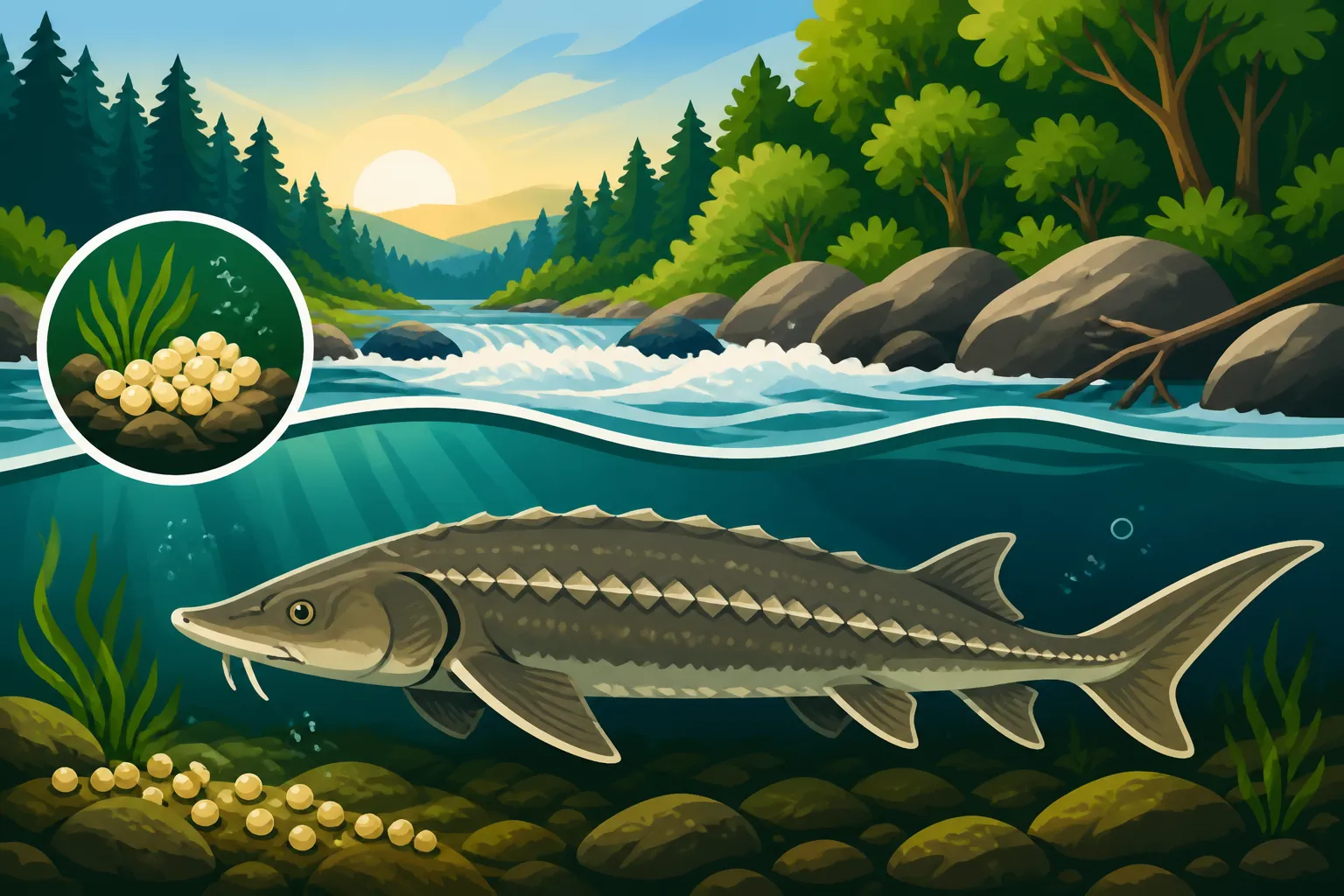
Lake sturgeon prefer areas of swift current, often found in rapids, riffles, or at the base of waterfalls or dams (if they can get past them). Why these turbulent spots? It all comes down to oxygen and cleanliness. The strong current provides excellent oxygenation for their sticky eggs, preventing them from suffocating in stagnant water. This constant flow also helps to keep the spawning substrate clean, washing away silt and fine sediments that could smother the eggs.
Their preferred bottom substrate is typically coarse gravel, cobble, or small boulders. These rough surfaces provide crucial adhesion points for the eggs, which are naturally sticky and attach to the rocks shortly after fertilization. This prevents the eggs from being swept downstream into less hospitable environments or becoming easy targets for predators. Imagine a large adult sturgeon, sometimes several feet long, moving into these relatively shallow, fast-moving areas. It’s a powerful display of nature, as they thrash and roll, broadcasting their eggs and milt over these rocky bottoms. If you were to look for them, you might find these areas along rivers like the French River or the Ottawa River, known for their powerful flows and varied bottom structures. Knowing about Lake Sturgeon in Ontario Rivers is a great starting point to understand these habitats.
The Importance of Unobstructed Rivers
For sturgeon to successfully spawn, they need access to these specific habitats. This is where the concept of "unobstructed rivers" becomes critically important. Dams, culverts, and other man-made barriers can block the upstream migration of adult sturgeon, preventing them from reaching their traditional spawning grounds. Over time, this loss of access can severely impact a population's ability to reproduce and sustain itself.
Consider a river system where a dam was built decades ago without fish passages. Generations of sturgeon might have been cut off from the very stretches of river where their ancestors spawned. While some sturgeon might adapt and find alternative spawning areas downstream of such barriers, these substitute locations might not be as ideal, leading to lower reproductive success. Conservation efforts often focus on mitigating these barriers or creating alternative spawning habitats to help these fish thrive. Understanding the broader Ontario Fishing Regulations Explained and Ontario Fisheries Management Zones, Explained can help shed light on the province's approach to managing and protecting these vital river systems.
The Spawning Dance and Life Cycle
Observing lake sturgeon spawning is a rare and incredible sight, often described as a chaotic yet magnificent "spawning dance." It's a testament to the raw power and determination of these ancient creatures. The process is a broadcast spawning event, meaning eggs and milt are released freely into the water, rather than laid in a nest. This method requires specific environmental conditions to be successful.
The life cycle of a lake sturgeon is remarkably long, and their path to reproductive maturity is a slow one. Females typically don't spawn until they are 20-25 years old, and then only every 3-7 years. Males mature a bit earlier, around 8-12 years, and may spawn every 1-2 years. This slow reproductive rate makes them particularly vulnerable to environmental changes and overfishing, underscoring the vital importance of protecting them during their spawning period and throughout their long lives.
Group Spawning Behaviour
When the water temperatures are just right, and they've reached their preferred rocky riffles, lake sturgeon begin their group spawning ritual. It's not a solitary affair; multiple males will often attend a single female. You'll see a flurry of activity, with fish rolling, thrashing, and leaping partially out of the water – a spectacle that can be quite loud and splashy in the shallow rapids. This vigorous activity helps to distribute the eggs and milt effectively over the rocky substrate.
As the female releases thousands of small, dark, sticky eggs, the males simultaneously release their milt, fertilizing the eggs in the water column. The adhesive nature of the eggs is crucial, allowing them to stick to the clean gravel and cobble, securing them against the current. This collective effort ensures a higher rate of fertilization and dispersal across the chosen spawning bed. It's a powerful reminder of how nature optimizes for survival, even in seemingly chaotic events.
Early Life Stages: A Fragile Beginning
Once fertilized, the sturgeon eggs undergo an incubation period that typically lasts about 5 to 10 days, depending on water temperature. These eggs are incredibly vulnerable during this time, susceptible to predation from other fish and insects, as well as the risk of being smothered by silt if water conditions change. After hatching, the tiny sturgeon larvae, often referred to as "sac-fry" due to the yolk sac still attached to their bellies, remain in the rocky substrate for several more days, drawing nourishment from this sac.
Once the yolk sac is absorbed, these minuscule sturgeon begin to drift downstream, often seeking out deeper, calmer waters and areas with abundant food sources like insect larvae. This drift is a particularly perilous journey, as they are tiny and easy prey for many other fish species. Their survival rate during these early life stages is naturally low, which is why adult sturgeon need to produce so many eggs and why the success of each spawning event is so critical to the population's long-term health. Given their fragility at this stage, preventing disturbance to spawning grounds is paramount.
Protecting Our Ancient Giants: Conservation and Angler Responsibilities
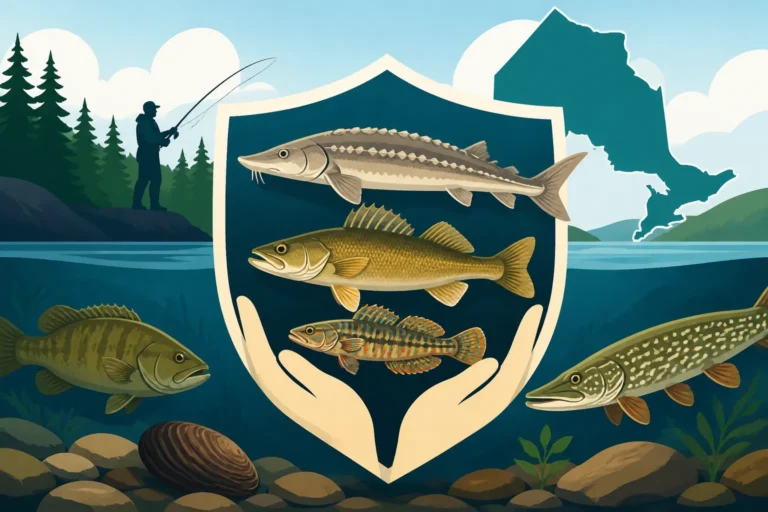
Lake sturgeon are truly living fossils, having changed very little over millions of years. Their longevity, slow growth, and late maturity mean they are particularly susceptible to human impacts, and many populations in Ontario and elsewhere have suffered declines. Recognizing their unique status and vulnerability, lake sturgeon are a protected species in Ontario, and their conservation is a collective responsibility.
Anglers have a crucial role to play in the ongoing protection and recovery of lake sturgeon populations. Our actions on the water can directly impact the survival of these magnificent fish, especially during critical times like their spawning runs. If you're passionate about preserving Ontario's incredible fisheries, understanding and adhering to these guidelines is more than just following rules; it's being a steward of our natural heritage.
Sturgeon as a Protected Species
In Ontario, lake sturgeon are designated as a "Special Concern" species under the provincial Endangered Species Act. This designation reflects the challenges they face and the need for protective measures. What does this mean for you, as an angler or a nature enthusiast? It means that specific regulations are in place to ensure their protection. For instance, fishing for lake sturgeon is heavily restricted, and in many areas, it's strictly Ontario Catch and Release Only Waters or completely prohibited.
Their slow growth rate and late maturity are major reasons for this protection. A female sturgeon might not produce eggs for the first time until she's older than many of us are when we start our careers! Then, she only spawns every few years. This means that losing even a few adult spawning females can have a disproportionately large and long-lasting negative impact on the entire population. Reporting any illegal fishing activity or accidental captures (with immediate, careful release) is vital to their survival. The Ministry of Natural Resources and Forestry (MNRF) is the primary agency responsible for overseeing their protection and recovery efforts across the province.
Responsible Angling: Catch and Release
If you're fortunate enough to encounter a lake sturgeon while fishing for other species in waters where they are present, it's absolutely crucial to practice responsible catch and release. This means minimizing stress and ensuring the fish has the best possible chance of survival after being released. Remember, Ontario Sturgeon Catch and Release Rules are very specific and must be followed.
Here are some best practices for handling a lake sturgeon:
- Keep it in the Water: Try your absolute best to keep the fish in the water as much as possible. Large sturgeon can be severely injured by being lifted out of the water, especially if supported incorrectly, which can damage their internal organs.
- Use Appropriate Gear: If you're fishing in known sturgeon waters, use heavy enough tackle to bring the fish in quickly, minimizing the fight time. This reduces exhaustion for the fish. A robust landing net, which you can find readily on Amazon, specifically designed for large fish, can also be a huge help, ensuring a safe and controlled unhooking.
- Barbless Hooks: Consider using barbless hooks, or pinching down the barbs on your hooks. This makes hook removal much easier and quicker, reducing injury to the fish.
- Gentle Handling: Handle the fish gently and support its body fully if you must lift it for a quick photo (which should be done only if absolutely necessary and for the shortest time possible). Avoid holding it by the gills or tail alone.
- Quick Release: Unhook the fish quickly and carefully. If the hook is deeply set, cut the line as close to the hook as possible rather than trying to rip it out.
- Revival: Hold the fish gently in the current until it regains its strength and swims away on its own power. Do not simply toss it back; ensure it is strong enough to recover.
Your respect and careful actions on the water are paramount to the future of lake sturgeon in Ontario. Every successful, healthy release contributes to their conservation.
Summary of Sturgeon Spawning Factors
Understanding the various environmental cues that trigger lake sturgeon spawning can help us appreciate the delicate balance required for their successful reproduction. Here's a quick overview of the key factors:
| Factor | Description | Impact on Spawning |
|---|---|---|
| Water Temp | Ideally 10-18°C (50-65°F) for sustained periods | Primary trigger for migration and egg development/release. |
| River Flow | Moderate to fast currents, typically post-spring freshet | Oxygenates eggs, prevents silting, aids in dispersal. |
| Substrate | Clean gravel, cobble, boulders, often in rapids or riffles | Provides adhesion for sticky eggs, protects from predators/currents. |
| Time of Year | Late spring to early summer (typically May-June in most of Ontario) | Correlates with rising temperatures and stable water levels. |
| Obstruction | Lack of physical barriers (dams, impassable culverts) | Allows access to ancestral spawning grounds. |
This table highlights just how specific the requirements are for these ancient fish to successfully reproduce. It also shows why protecting these critical spawning habitats and managing our rivers responsibly is so incredibly important for their future.
Disclaimer
This article is for general informational purposes only and does not constitute professional advice. Laws, prices and regulations vary by location and change over time. Consult a qualified professional for guidance on your specific situation.