Best rivers for whitefish spawning runs in Ontario
For many anglers, the thought of whitefish conjures images of deep, cold lake waters, making the idea of targeting them in a river feel a bit mysterious, even daunting. But the truth is, when autumn turns to winter, these incredible fish make predictable, though often subtle, migrations into rivers to spawn. Finding these elusive runs can feel like trying to find a needle in a haystack, especially with the vast network of waterways Ontario offers. This guide aims to demystify the process, highlighting some of the best river systems where you might encounter these impressive spawning runs and offering tips to help you succeed, all while respecting this vital part of their life cycle.
Understanding Ontario Whitefish and Their Spawning Habits
Whitefish are truly a cornerstone of many Ontario aquatic ecosystems. They are a cold-water species, known for their silvery scales, small mouths, and delicious, flaky white flesh. While many anglers associate them purely with open water, their fascinating spawning rituals bring them into more accessible river environments, if you know what to look for.
The Elusive Nature of Ontario Whitefish
In their usual lake dwelling, whitefish are often bottom feeders, cruising deep structures and consuming everything from aquatic insects and crustaceans to small minnows. This deep-water habit makes them quite a challenge to target for much of the year. Their small, often down-turned mouths are perfectly adapted for sifting through substrate, meaning they aren't always aggressive biters on larger lures. Many anglers get frustrated trying to find them, especially during the warmer months, because they simply aren't looking in the right places or presenting the right baits. However, the spawning run changes things, bringing them into shallower, more defined areas, albeit for a limited window. It’s an opportunity to connect with a species that often remains out of sight and out of mind.
Whitefish Spawning Season and Conditions
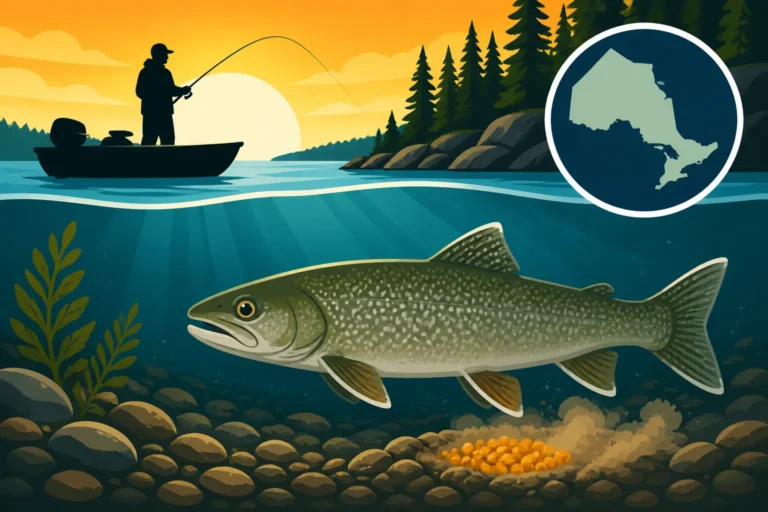
The timing of whitefish spawning runs in Ontario rivers is a critical piece of the puzzle. Generally, whitefish in Ontario embark on their spawning migrations in late autumn, typically from October through December, sometimes even into early January if conditions allow. The trigger for these migrations is primarily water temperature, with fish seeking specific temperature ranges, often hovering around the 4-8°C (39-46°F) mark. They are looking for specific conditions in rivers: clean, oxygen-rich water with suitable gravel or rocky bottom substrates for their eggs to settle.
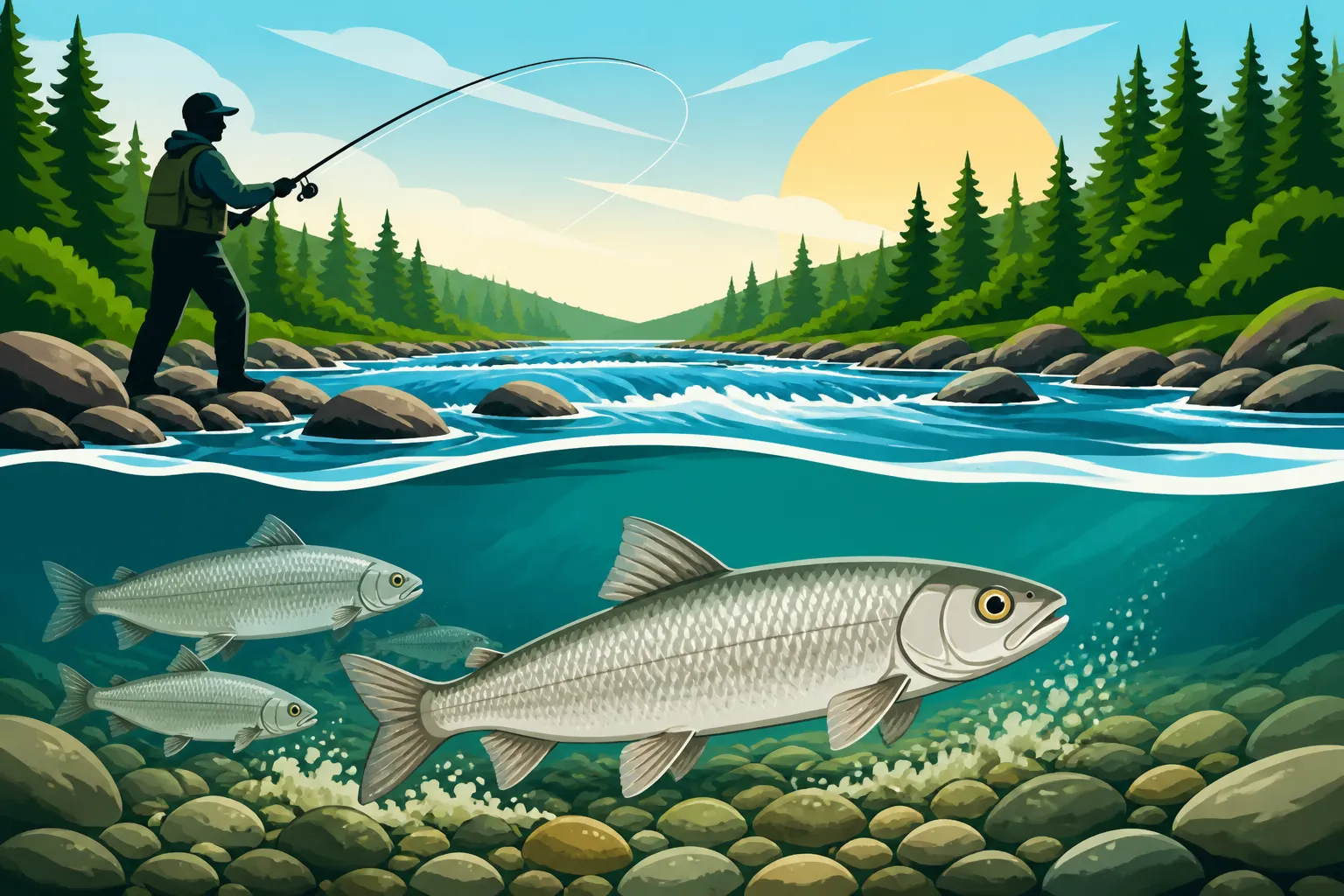
During this period, the rivers transform into vital nurseries. The whitefish move from their deeper lake habitats into the shallower, moving waters of rivers and streams, often congregating in specific pools, riffles, or rocky areas. These chosen spawning grounds are typically characterized by a good current that helps oxygenate the eggs and prevent siltation. Understanding this critical window and these specific habitat preferences is key to successfully intercepting a spawning run. Anglers need to be prepared for cooler, often crisp weather, as this is when the action truly heats up. Remember, patience and persistence are often rewarded, as whitefish can be notoriously finicky, even when they're present in numbers. You'll want to check the Ontario Fishing Seasons by Zone and Month to confirm specific timings for the area you plan to fish.
Key Rivers for Whitefish Spawning Runs in Ontario
Ontario's vast network of rivers offers numerous potential locations for whitefish spawning runs, but some areas are more renowned than others. These runs are often localized, and successful fishing frequently depends on detailed local knowledge or extensive scouting.
Northern Ontario Hotbeds
Northern Ontario, with its immense freshwater systems and relatively untouched wilderness, is home to some of the most consistent whitefish spawning runs. Rivers that flow into large, deep lakes like Lake Superior, Lake Huron, Lake Nipigon, and Lake of the Woods are prime candidates.
- French River System: The French River, connecting Lake Nipissing to Georgian Bay, is a historical powerhouse for various species, and whitefish are no exception. While muskie and walleye get much of the attention here, during the late fall, whitefish push up from Georgian Bay into the lower sections of the river, particularly around areas with good current breaks and rocky bottom structure. Similarly, whitefish from Lake Nipissing will move into the upper sections of the French, and its various feeder streams and channels. The sheer size and diversity of the French River make it a challenging but rewarding destination. Access can range from easily navigable sections to more remote, paddle-in areas. You'll find a lot of diverse fishing opportunities in this region, which you can learn more about in the Best Fishing Rivers in Ontario guide.
- Ottawa River Tributaries: While the Ottawa River itself is a massive system, many of its smaller tributaries, especially those in the northern and eastern parts of the province, can host localized whitefish runs, particularly from larger lakes they connect to. These can be more intimate affairs, requiring smaller boats or even shore fishing in places. The key is finding stretches of river with good current and clean, gravelly bottom.
- Lake Superior and Huron Tributaries: Rivers flowing into the Great Lakes, especially Superior and Huron, are vital spawning grounds for lake whitefish. Rivers like the Batchawana River, Goulais River, or even smaller, unnamed streams along the North Shore of Lake Superior and Georgian Bay can see significant whitefish runs. These are often more remote and require careful scouting, sometimes even using satellite imagery or local conservation authority maps to identify suitable stretches of river. The whitefish moving into these rivers are often large, having spent years growing in the vastness of the Great Lakes. Understanding the overall picture of Whitefish in the Great Lakes can help identify these migratory patterns.
Great Lakes Tributaries and Their Challenges
While the northern rivers often offer more consistent "wild" runs, some tributaries flowing into the lower Great Lakes can also host whitefish spawning, though these are often more impacted by human development and can be harder to pinpoint.
- Lake Huron and Georgian Bay Tributaries (Southern Sections): Even in the more populated southern regions of Lake Huron and Georgian Bay, some rivers and larger creeks can see whitefish migrations. These might be smaller runs, and finding them often requires precise timing and an understanding of local river conditions. Look for rivers with significant stretches of natural, un-channelized flow and gravel beds, away from heavy siltation or pollution.
- Challenges of Urbanized Rivers: Rivers flowing through or near urban centres often face challenges like dams, culverts, altered riverbeds, and poorer water quality, which can impede or eliminate whitefish spawning runs. It's crucial to research specific river sections and check with local fishing forums or conservation authorities for current conditions and access points. These areas can be highly variable year to year.
Identifying Potential Spawning Areas
Regardless of the river, whitefish seek specific features for spawning. Knowing what to look for can save you a lot of time and effort:
- Gravel and Rock Beds: Whitefish are broadcast spawners, meaning they release their eggs freely into the water column where they settle onto the riverbed. They prefer clean, coarse gravel or small cobble where eggs can tuck in and remain oxygenated without being washed away or suffocated by silt.
- Current Breaks and Eddy Lines: While they need current for oxygenation, whitefish won't typically spawn in the strongest, fastest water. Instead, they'll congregate in areas with moderate current, often on the edges of deeper pools, behind larger rocks, or along current seams where the flow is somewhat reduced but still present. These areas provide a balance of oxygen and shelter.
- Depth Transitions: Look for areas where the riverbed gradually deepens or shoals, creating natural staging areas or specific holding spots. A stretch of shallower, gravelly riffles flowing into a deeper pool is often a prime candidate.
- Oxygenated Water: Healthy, cold, well-oxygenated water is paramount. Avoid stagnant or overly warm sections. The clear, crisp waters of late fall are usually a good indicator.
Using a good map, a basic fish finder (if you're in a boat), or even just your eyes from shore, scanning for these features can dramatically increase your chances of finding a productive whitefish spawning run.
Tips for Targeting Spawning Whitefish (Ethically and Legally)
Once you've identified a promising river and location, the next step is to actually try and catch these wily fish. Remember, patience and finesse are your best friends here.
Essential Gear and Techniques
Whitefish have small mouths, so your tackle needs to be appropriately sized. Heavy gear designed for pike or muskie will likely result in missed bites and frustration.
- Light Rod and Reel: A light to medium-light spinning rod (6-7 feet) paired with a small spinning reel spooled with 4-6 lb test monofilament or fluorocarbon line is ideal. This setup allows for delicate presentations and sensitivity to detect subtle bites. For added sensitivity, you might consider a thin braided line with a fluorocarbon leader. You can find excellent options for sensitive rods and reels on platforms like Amazon, perfectly suited for this finesse style of fishing.
- Small Jigs and Spoons: This is where the magic happens.
- Small Jigs: Tiny leadhead jigs (1/32 to 1/8 oz) tipped with a small piece of worm, a single salmon egg, or a micro plastic grub are incredibly effective. Colours like white, chartreuse, black, or natural browns can all work. The key is a slow, methodical presentation right on the bottom.
- Small Spoons: Very small, thin spoons (e.g., 1/8 to 1/4 oz Cleo or similar flutter spoons) can also entice whitefish, especially when jigged vertically or allowed to drift downstream with a slight retrieve. Again, natural colours or silver/gold are often best.
- Bottom Bouncers/Slip Sinkers: In areas with moderate current, a small bottom bouncer or a slip sinker rig with a short leader and a tiny hook can present a small bait (worm piece, maggot, single egg) naturally along the bottom. This is particularly effective if the whitefish are spread out rather than schooled tightly.
- Vertical Jigging: If you're fishing from a boat or a pier over a known whitefish staging area, vertical jigging is often the most productive method. Drop your small jig or spoon straight down to the bottom, then lift and drop it slowly, allowing it to flutter or bounce. Whitefish often hit on the fall or when the bait is paused.
- Drifting and Finesse: For shore anglers, casting a small jig upstream and letting it drift naturally downstream, bouncing along the bottom, can be effective. Keep a tight line to feel for subtle taps. Whitefish bites can be incredibly light, feeling more like a slight pressure or weight than an aggressive strike. Setting the hook on instinct is often necessary. Don't be afraid to experiment with different retrieve speeds and pauses.
Remember, the goal is to present a small, subtle offering that mimics their natural food sources. You can find a wide variety of these specialized baits and tackle on Amazon to stock your box. When planning your tackle, it's a good idea to refer to something like Best Tackle for Ontario Walleye for general principles, even if the specific baits differ.
Respecting Spawning Fish and Regulations
Fishing during a spawning run comes with a great responsibility. These fish are at their most vulnerable, and their successful reproduction is vital for future populations.
- Check Regulations Thoroughly: This is non-negotiable. Always consult the latest Ontario Fishing Regulations Explained and the specific rules for the Fisheries Management Zone you are in. Regulations for whitefish can vary by zone, and there may be specific seasonal closures or gear restrictions in certain rivers or during spawning periods. Pay close attention to Ontario Bag and Possession Limits by Species.
- Minimize Disturbance: When fishing for spawning whitefish, try to minimize your disturbance to the spawning beds. Avoid wading directly through areas where you suspect fish are actively spawning or where eggs may have been deposited.
- Practice Catch and Release: While whitefish are excellent eating, consider practicing catch and release, especially for larger, prime spawning females. If you do keep fish, only take what you need for a meal and adhere strictly to all possession limits.
- Handle Fish with Care: If you are releasing whitefish, handle them gently. Keep them in the water as much as possible, use wet hands, and use a net that minimizes scale damage. Revive them thoroughly before release, especially in cold water conditions. This ethical approach ensures the resource remains healthy for future generations.
- Know Your Licensing: Ensure you have the proper Ontario Outdoors Card, Explained and a valid fishing license. Knowing Where and How to Buy an Ontario Fishing License is the first step to legally enjoying these fisheries.
Conservation and Future of Whitefish Spawning Runs
Whitefish populations, while still strong in many parts of Ontario, face various pressures. As anglers, our actions on and off the water play a significant role in their future.
Threats to Whitefish Populations
Several factors can impact the health and success of whitefish spawning runs and the broader whitefish populations:
- Habitat Degradation: This is a major concern. Spawning rivers need clean, un-silted gravel beds. Runoff from agriculture, urban development, and forestry can introduce sediment and pollutants, smothering eggs and making habitats unsuitable. Dams and other river modifications can block migratory routes, preventing fish from reaching historical spawning grounds.
- Water Quality Changes: Changes in water temperature due to climate change or industrial outflows can disrupt the precise temperature cues that trigger spawning. Pollution, even at low levels, can affect egg viability and juvenile survival.
- Invasive Species: The introduction of invasive species, such as round gobies in the Great Lakes, can pose a threat to whitefish eggs and fry. Gobies are known egg predators, and their presence in river systems where whitefish spawn can significantly impact recruitment.
- Overharvest: While regulations are in place, localized overharvest during vulnerable spawning periods, especially in easily accessible river sections, can put undue pressure on specific stocks. This is why adherence to Ontario Bag and Possession Limits by Species is so crucial.
Angler's Role in Protecting the Resource
As stewards of our natural resources, anglers have a vital role to play in protecting whitefish and their spawning habitats:
- Adherence to Regulations: Always, always follow fishing regulations. They are designed to protect fish stocks and ensure sustainable angling opportunities. If you're unsure about a rule, err on the side of caution or contact the Ministry of Natural Resources and Forestry (MNRF) for clarification.
- Report Violations: If you witness illegal fishing activity, such as exceeding catch limits, fishing in closed areas, or using illegal gear, report it to the MNRF. Protecting our fisheries requires everyone's vigilance.
- Support Conservation Efforts: Many local conservation groups and provincial organizations work tirelessly to protect and restore aquatic habitats. Supporting these groups through volunteering or donations contributes directly to the health of our waterways. Understanding how specific Ontario Fisheries Management Zones, Explained are managed can also provide insight into ongoing conservation initiatives.
- Educate Others: Share your knowledge of ethical angling practices and the importance of conservation with fellow anglers, especially newer generations. A collective understanding and respect for the resource will ensure whitefish continue to thrive in Ontario's rivers for years to come.
- Minimize Your Footprint: Practice Leave No Trace principles. Pack out everything you pack in, avoid disturbing riparian vegetation, and be mindful of noise and presence around sensitive spawning areas.
By understanding the unique biology of whitefish, knowing where and when to look for their spawning runs, and committing to responsible angling practices, we can all contribute to the continued health of this incredible Ontario fish species. The reward is not just the thrill of the catch, but the satisfaction of connecting with a truly wild and resilient part of our natural heritage.
Disclaimer
This article is for general informational purposes only and does not constitute professional advice. Laws, prices and regulations vary by location and change over time. Consult a qualified professional for guidance on your specific situation.