Where walleye get the biggest on the Bay of Quinte
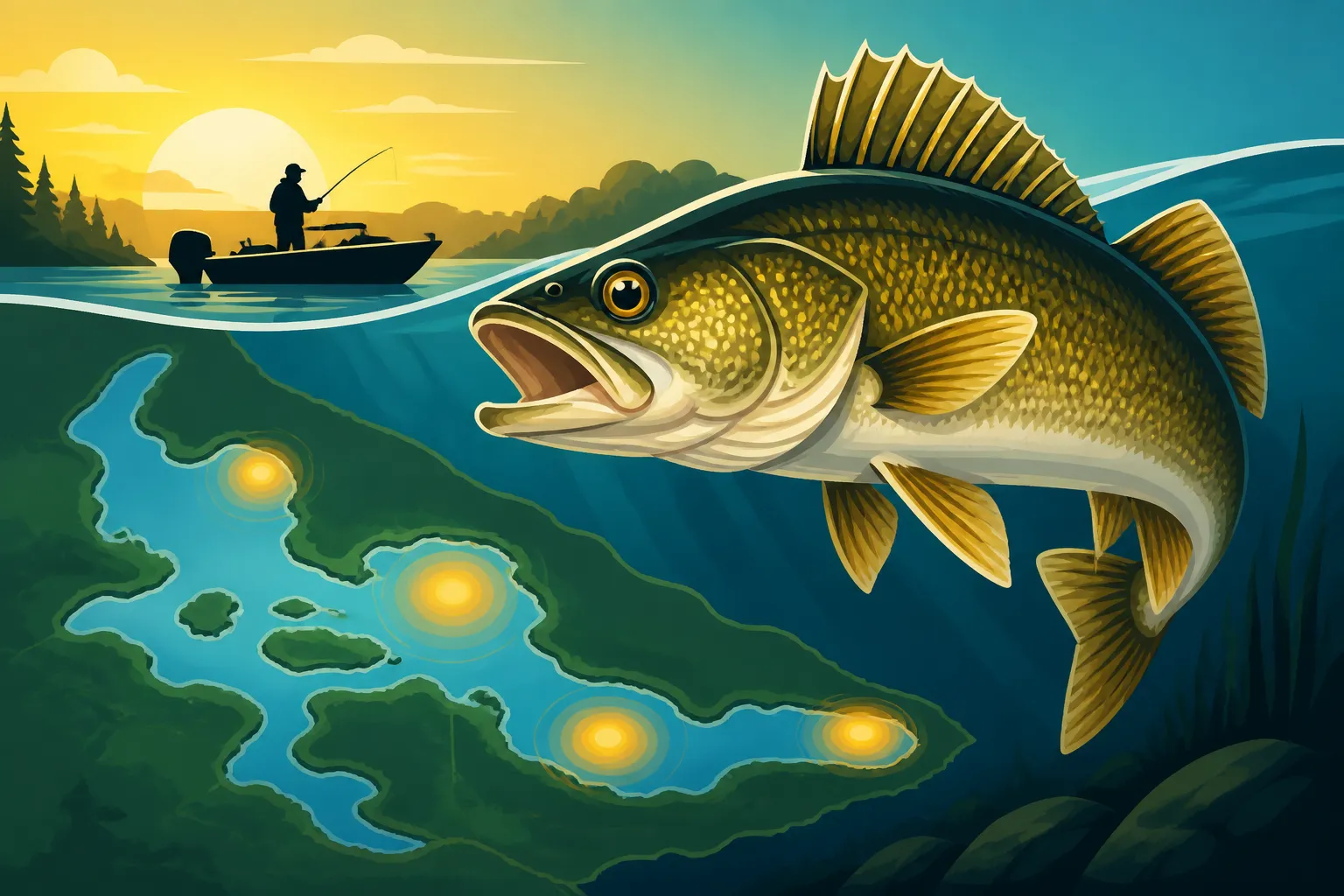
The Bay of Quinte is legendary for its walleye fishing, but if you're like many anglers, you've probably wondered where exactly those truly monstrous, once-in-a-lifetime walleye are hiding. It can be incredibly frustrating to spend hours on the water, only to catch smaller fish when you know giants lurk beneath. This guide is going to peel back the curtain and reveal the specific areas and strategies on the Bay of Quinte where walleye consistently grow to epic proportions, helping you zero in on your next trophy.
Understanding the Bay of Quinte's Walleye Potential
The Bay of Quinte isn't just a good walleye fishery; it's an exceptional one, renowned across North America for its ability to produce truly enormous fish. This isn't by accident. There's a perfect storm of environmental factors at play that allows walleye to not just survive, but absolutely thrive and reach incredible sizes here. It's what makes every trip to the Bay feel like you're on the cusp of something truly special, something you just don't get on many other bodies of water.
Why the Bay of Quinte is a Walleye Haven
Think of the Bay of Quinte as a gigantic, nutrient-rich buffet for walleye. This long, narrow bay, which empties into Lake Ontario, is fed by several rivers, including the Trent and Moira, bringing a constant flow of nutrients and organic matter. This creates an incredibly productive ecosystem that supports a massive forage base – the very food that allows walleye to pack on the pounds. We're talking about huge schools of alewives, smelt, and, yes, even invasive gobies, which have paradoxically become a high-protein snack for these predatory fish.
These abundant food sources, combined with diverse habitat, are the real secret. The Bay offers a mix of shallow, weed-choked bays for ambush points, expansive open water for chasing baitfish, and deep channels and drop-offs where mature walleye can retreat during bright conditions or cold snaps. The sheer volume and quality of available prey mean that walleye here don't have to work as hard to find food, allowing them to allocate more energy to growth. It's a fish-eat-fish world, but the Bay of Quinte ensures there's plenty for everyone, especially for the top predators like walleye.
The "Golden Horseshoe" of Big Walleye
Anglers often refer to certain sections of the Bay as the "Golden Horseshoe" because they consistently kick out giant walleye. While walleye are nomadic and can be found throughout the Bay, there are definite areas where the conditions align perfectly for big fish to congregate, particularly during peak feeding times. These aren't necessarily secret spots known only to a select few, but rather zones that, due to their unique characteristics, draw and hold the biggest walleye. It's understanding why these areas are productive and when to fish them that makes all the difference.
The Bay's dynamic nature means that while there are consistent hotspots, the exact location of the biggest fish can shift with the seasons, water temperatures, and baitfish movements. A spot that was hot in spring might be barren in summer, only to light up again in the fall. It requires a bit of detective work, but by understanding the general productive zones, you're already ahead of the game. For more on the overall health and management of these fish, check out Walleye Fishing in Ontario.
Key Hotspots for Trophy Walleye on the Bay of Quinte
If you're truly after a trophy walleye on the Bay of Quinte, you need to understand that different sections of the Bay offer distinct advantages, often depending on the time of year. While the entire Bay holds potential, certain stretches are legendary for their ability to produce giants. It's not just about luck; it's about knowing where the conditions are consistently ripe for big fish.
The Lower Bay: Picton to Adolphus Reach
The Lower Bay, stretching from around Picton to the deep waters of Adolphus Reach, is arguably one of the most fabled stretches for trophy walleye. This area is characterized by its deeper main channels, steep drop-offs, and proximity to the main basin of Lake Ontario. These features make it a prime location for larger, pelagic (open-water) walleye, especially from late summer through the fall. The deeper water offers stable temperatures and plenty of cover for big fish, allowing them to grow undisturbed.
You'll often find anglers targeting the distinct points and humps that extend into the main channel, as these create current breaks and ambush points. The presence of significant baitfish schools, often pushed in from Lake Ontario, further concentrates the walleye here. Fishing these deep zones effectively often involves precision trolling or deep jigging, techniques that allow you to present baits accurately in the strike zone. It's also an area where current can play a big role, positioning fish predictably. For a broader overview of prime walleye locations, don't forget to read Where to Find Walleye in Ontario.
The Middle Bay: Long Reach and Hay Bay
Moving upstream, the Middle Bay, encompassing areas like Long Reach and Hay Bay, offers a slightly different character, yet can be incredibly productive for big walleye. These sections tend to be a bit shallower overall than the Lower Bay, but still feature significant depths in the main channels, along with expansive flats and abundant weed beds in the bays. What makes these areas special is often the reduced fishing pressure compared to the more celebrated Lower Bay, giving some of the older, larger walleye a bit more breathing room.
Hay Bay, in particular, is known for its incredible weed growth and scattered rock piles, which can hold massive walleye, especially during the low-light hours or under cloudy skies. Long Reach offers a mix of deeper water and fertile flats. During the transition periods, like late spring and early fall, these areas can be absolutely phenomenal as walleye move between shallower feeding grounds and deeper holding areas. These middle sections require a keen eye for subtle structure and a willingness to explore, but the rewards can be truly massive.
The Upper Bay: Belleville to Trenton
While sometimes overlooked in favour of the deeper sections, the Upper Bay, from Belleville down to Trenton and the mouth of the Trent River, holds its own secrets for big walleye. This part of the Bay is shallower, more riverine in influence, and features extensive weed beds, shoals, and numerous points. It's a critical area during the spring spawning run and can hold substantial post-spawn fish as they recover and feed heavily before dispersing.
In the spring, the areas near river mouths and in the shallower, warmer sections are absolute magnets for pre-spawn and spawning walleye. While many of these fish are targeted by shore anglers during the Ontario Walleye Opener Dates by Zone, boat anglers can still intercept giants that are either moving into or out of these areas. As summer progresses, the biggest walleye often relate to the deeper edges of the channels here, or find refuge in the cooler, deeper pockets found within the shallower bays, especially near current. Don't underestimate the potential of these 'skinny water' giants; they can be incredibly aggressive and offer a thrilling fight.
| Bay Section | Key Characteristics | Best Times for Big Walleye | Primary Tactics |
|---|---|---|---|
| Lower Bay | Deep channels, steep drop-offs, Lake Ontario access | Late Summer, Fall | Deep Trolling, Vertical Jigging |
| Middle Bay | Mid-depth channels, weed beds, rock piles | Late Spring, Early Fall | Trolling, Casting Crankbaits, Jigging |
| Upper Bay | River influence, shallower flats, extensive weeds | Spring (Pre-Spawn/Post-Spawn), Summer | Casting Jigs/Crankbaits, Shallow Trolling |
Seasonal Strategies for Targeting Giants
Catching a truly massive walleye on the Bay of Quinte isn't just about knowing where they live, but also when and how to approach them during different times of the year. Walleye behaviour is highly dictated by seasonal changes, especially water temperature and spawning cycles. Understanding these patterns is key to consistently putting yourself in front of big fish.
Pre-Spawn and Spawn Movements
The spring pre-spawn period is perhaps one of the most exciting times to target trophy walleye on the Bay of Quinte. As the ice recedes and water temperatures begin to climb, usually into the 40s and low 50s (Fahrenheit), walleye start to congregate in predictable staging areas near river mouths and shallow, current-swept shoals. They are moving towards their spawning grounds and are often ravenous, trying to put on weight before the arduous process. This is when some of the biggest females are most accessible.
During the actual spawn, which often happens when water temperatures reach the mid-40s, walleye are focused entirely on reproduction and become less interested in feeding. It's crucial to respect these periods and avoid directly targeting spawning fish, as it can disrupt their natural cycle. However, immediately post-spawn, as the big females recover, they can go on a furious feeding spree to regain lost energy. Walleye Spawning Season in Ontario provides more detail on these critical times. Targeting the edges of historical spawning grounds with slow presentations, like jigging with soft plastics or live bait, can be incredibly effective during these recovery phases.
Summer Deep Water Patterns
As the Bay of Quinte warms up through the summer months, often into the 70s (Fahrenheit), the largest walleye will typically retreat from the shallower, warmer waters and move to deeper, cooler sections of the Bay. This is where your electronics become absolutely indispensable. Trophy walleye will often suspend over deep water, follow baitfish schools along main lake contours, or relate to specific deep structures like submerged humps, points, and sudden drop-offs. They're looking for stable temperatures and an abundant food source.
Trolling is a highly effective method during the summer, allowing you to cover vast amounts of water and present baits at precise depths. Using planer boards to spread your lines can help you target suspending fish away from the boat, while downriggers or lead core line can get your lures into the deeper thermocline where the big ones often lurk. Keep an eye on your fish finder for schools of baitfish and any arches that indicate larger fish. Walleye can be finicky in summer, so experimenting with lure colour, size, and trolling speed is often necessary. If you're wondering how deep these fish might go, check out How deep walleye go in summer.
Fall Feeding Frenzy
If there's one time of year that Bay of Quinte anglers dream about for trophy walleye, it's the fall. As water temperatures begin to drop and the days shorten, walleye embark on a furious feeding frenzy, gorging themselves in preparation for winter. This is when they are at their heaviest, most aggressive, and often most concentrated, making it the prime time to land a true giant. The baitfish, particularly alewives and smelt, are also schooling up, and the walleye follow them closely.
The fall bite can be incredible, lasting from September through late November, sometimes even into December if the ice holds off. Big walleye will actively hunt, often moving into shallower bays and channels during low light conditions or periods of heavy cloud cover to ambush bait. Trolling large crankbaits is a go-to strategy, mimicking the abundant forage. Jigging heavy spoons or large soft plastics on deep structure can also be deadly. Pay close attention to current seams and areas where baitfish are concentrated – those are the places where the biggest walleye will be actively feeding. Sometimes, the tactics you'd use for night fishing elsewhere, like those described in How to Catch Walleye at Night on Lake Erie, can also apply to Bay of Quinte fall fishing, especially with the use of glow baits.
Gear and Techniques for Bay of Quinte Giants
When you're chasing truly massive walleye on the Bay of Quinte, your standard walleye setup might not always cut it. These fish can be incredibly powerful, especially when they've packed on the weight eating the Bay's abundant forage. Having the right gear and mastering specific techniques will significantly increase your odds of landing that fish of a lifetime.
Essential Tackle for Big Walleye
For trophy walleye, you'll want to step up your tackle game a bit. A medium-heavy to heavy power spinning or casting rod, typically 7 to 8 feet long, will give you the backbone needed to handle heavy lures and powerful fish. Pairing this with a robust reel spooled with 15-20 lb braided line, topped with a 10-15 lb fluorocarbon leader, provides both sensitivity and strength. The braid's no-stretch quality helps with deep water hooksets, while the fluorocarbon leader offers invisibility in clearer water and abrasion resistance.
When it comes to lures, think bigger. Large crankbaits, often in sizes typically associated with pike or muskie, are highly effective for trolling. Body baits that imitate alewives or smelt are always a good bet. Big soft plastic swimbaits, jerkbaits, and heavy jigging spoons also have their place. Don't be afraid to throw something substantial; a 10-pound walleye isn't interested in chasing a tiny meal. For a comprehensive look at what to bring, check out Best Tackle for Ontario Walleye. You can find a fantastic selection of heavy-duty casting or spinning gear on Amazon, often with great reviews from other anglers, giving you plenty of options for your next setup.
Mastering Trolling and Jigging
Trolling: This is arguably the most consistent method for covering water and finding active trophy walleye on the Bay of Quinte, especially in the deeper, open water sections during summer and fall. Experiment with different speeds (typically 1.5 to 3.0 mph) and depths. Use your electronics to find baitfish and structure, then deploy planer boards to spread your lines, or downriggers and lead core to hit precise depths. Vary your lure colours and styles until you find what the fish are keying on. Pay attention to contour lines and troll patterns that mimic baitfish movements, like following a weed line or a deep break.
Jigging: While trolling is often favoured, jigging can be deadly when walleye are concentrated on specific structures, such as humps, points, or deep-water wrecks. Vertical jigging with heavy spoons, large soft plastics on stout jig heads, or even blade baits can entice strikes from inactive fish. The key is to present the lure directly in the walleye's face. Use your fish finder to mark fish and drop your jig directly to them. A sharp, aggressive rip followed by a controlled fall often triggers a reaction strike from these powerful predators. For tips on jigging in different conditions, Best Jigs for Ontario Muskie (while for muskie, the principle of using large, aggressive jigs can translate to big walleye) or Jigging for Perch Through the Ice (for technique basics) can offer insights.
Reading the Water and Electronics
Success on the Bay of Quinte for trophy walleye hinges significantly on your ability to read the water and effectively use modern electronics. A high-quality fish finder with side imaging and down imaging capabilities is not a luxury; it's a necessity. Use it to locate deep contours, submerged structure, weed lines, and, most importantly, schools of baitfish and individual walleye arches. Mark potential hotspots on your GPS.
Beyond the screen, pay attention to environmental cues: wind direction, current strength, water clarity, and even bird activity. Wind can push baitfish into certain areas, concentrating walleye. Strong current can position fish on current breaks. Clear water might mean a deeper presentation or more natural lure colours, while stained water can call for brighter, more vibrant options. Modern fish finders are invaluable on the Bay of Quinte, and many top-rated models from brands like Garmin or Lowrance are available for purchase on Amazon, complete with user reviews to help you choose. Learning to interpret all these signs together is what elevates an angler from simply fishing to truly understanding the Bay.
Best Practices for Catch & Release of Trophy Walleye
Landing a massive walleye on the Bay of Quinte is an incredible experience, but it comes with a responsibility: ensuring the survival of these magnificent creatures if you choose to release them. Trophy walleye are often older, slower-growing fish that contribute significantly to the genetic health and future productivity of the fishery. Practicing careful catch and release is vital for sustaining the Bay of Quinte's reputation as a trophy walleye destination.
Handling Large Walleye Carefully
When you hook into a big walleye, fight it efficiently but don't overplay it to the point of exhaustion. The quicker you can bring it to the boat, the better its chances of survival. Once alongside, use a large, rubberized landing net. The rubber coating protects the fish's delicate slime coat, which is its primary defence against disease. Avoid nets with knotty or abrasive mesh.
Once in the net, minimize the fish's time out of the water. Handle it gently with wet hands, supporting its entire body, especially if it's a large, heavy fish. Never hold a large walleye by the jaw vertically, as this can cause severe damage to its internal organs and spine. A proper fish gripper can be useful, but always support the tail end as well. If you plan to take a photo, prepare your camera beforehand and keep the fish's exposure to air to a minimum – a few seconds at most is ideal. Investing in a good quality, rubberized landing net, easily found on Amazon, can make a huge difference in protecting the slime coat and fins of a trophy walleye.
The Value of Conservation
Every trophy walleye released back into the Bay of Quinte is an investment in the future. These large, mature fish are crucial breeders, passing on strong genetics and ensuring that future generations of walleye can also grow to immense sizes. Overharvesting large fish can lead to a decline in average size and overall population health.
Consider practicing selective harvesting: keep a few smaller, eater-sized walleye for the pan if you wish, but always release the true giants. They've earned their right to continue spawning and contribute to the fishery. By making a conscious effort to release these big fish unharmed, you're directly contributing to the conservation efforts that make the Bay of Quinte one of the most exciting walleye fisheries in the world. It’s a collective effort that benefits every angler who dreams of catching a Bay of Quinte giant.
Disclaimer
This article is for general informational purposes only and does not constitute professional advice. Laws, prices and regulations vary by location and change over time. Consult a qualified professional for guidance on your specific situation.