Where to Find Walleye in Ontario
The search for walleye in Ontario can feel like a grand mystery, especially if you're new to a lake or river, or if the conditions seem to have changed. Many anglers find themselves wondering where these elusive fish disappear to, or how to consistently put themselves in the right spot. It's a common frustration, but with a bit of understanding about their habits and preferred hangouts, you can dramatically improve your chances. This comprehensive guide is designed to demystify walleye locations, helping you pinpoint where these incredible fish hide throughout the seasons and across Ontario's diverse waters.
Understanding Walleye Habitat Preferences
Walleye are fascinating fish with specific preferences when it comes to their environment. Knowing these preferences is the first step in consistently finding them, regardless of the water body you're fishing. They aren't just swimming around aimlessly; they have distinct needs for food, cover, and comfort that dictate their movements.
Preferred Bottom Types
Walleye have a strong affinity for certain bottom structures. They generally prefer hard bottoms like gravel, rock, and sand, especially compared to soft, mucky bottoms. These harder substrates often hold the invertebrates and baitfish they feed on, and they provide excellent cover for ambushing prey. Think about rocky points, gravel bars, and areas where bedrock transitions into sand. These spots are prime real estate for walleye.
Areas with a mix of rock and sand are particularly appealing, offering both food and camouflage. You'll often find them lurking at the edges where these different bottom types meet, ready to dart out and grab a passing minnow. Muddy bottoms, while not their first choice, can become productive if there's structure within or adjacent to them, like submerged logs or rock piles that act as ambush points. Don't be afraid to experiment and feel the bottom with your jig.
Light Sensitivity and Depth
One of the most defining characteristics of walleye is their incredible light sensitivity. Their large, reflective eyes are perfectly adapted for low-light conditions, giving them a distinct advantage over their prey at dawn, dusk, and even at night. This sensitivity is why you often hear about walleye being a "night bite" fish, or why they're so active during overcast days.
During bright daylight hours, walleye will seek out deeper, darker water or dense cover to escape the intense sun. They might retreat to the deepest sections of a lake, hug the bottom of steep drop-offs, or tuck themselves into thick weed beds with good canopy coverage. Understanding this light sensitivity is crucial for determining the depth you should be targeting and the times of day when they are most likely to be active in shallower areas.
Oxygen and Water Temperature
Like all fish, walleye are highly sensitive to water temperature and oxygen levels. They thrive in cooler waters, typically preferring temperatures ranging from 18 to 22 degrees Celsius (65-72°F). When water temperatures rise significantly above this, they'll seek out deeper, cooler refuge. This is why summer fishing often means targeting deeper structure or areas with current that brings in cooler, oxygenated water.
In large lakes, particularly during summer, understanding the thermocline is vital. The thermocline is the layer where water temperature changes rapidly with depth. Walleye will often be found just above, within, or just below this layer, where the temperature and oxygen levels are optimal for their comfort and for the baitfish they pursue. Pay attention to your sonar; it can reveal these temperature breaks and help you hone in on the productive depth ranges.
Key Walleye Waters Across Ontario
Ontario is a vast province, blessed with an incredible diversity of lakes and rivers, many of which hold thriving walleye populations. From the massive Great Lakes to the countless shield lakes of the north, understanding the general characteristics of these different water bodies can guide your search for Walleye Fishing in Ontario.
The Great Lakes and Their Tributaries
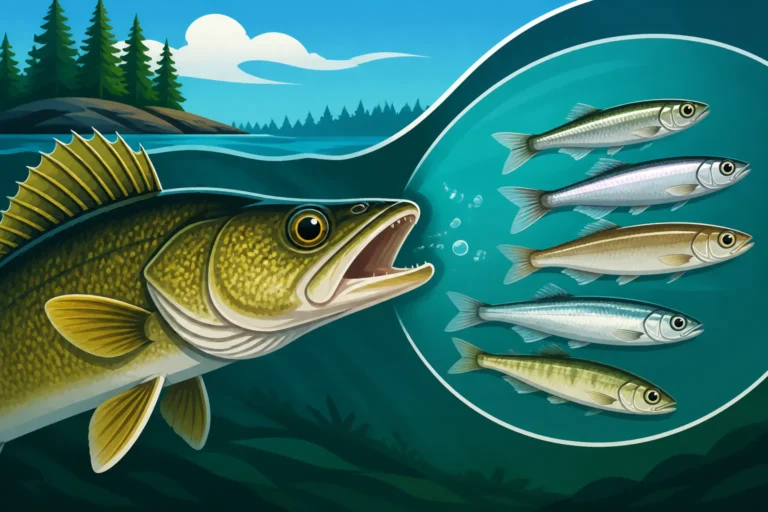
The Great Lakes, particularly Lake Erie and parts of Lake Huron and Lake Superior, offer some of the most phenomenal walleye fishing opportunities in Ontario. Lake Erie, in particular, is renowned for its incredible walleye fishery, with vast schools roaming its fertile waters. Here, walleye are often found in open water, chasing baitfish like smelt and alewives.
When fishing the Great Lakes, look for large, expansive flats, offshore reefs, and significant drop-offs. Tributaries feeding into the Great Lakes, especially during spring and fall, become critical migration routes for spawning and feeding walleye. Rivers like the Detroit, Niagara, and other smaller systems can hold impressive numbers of fish during these seasonal runs. Understanding the specific Ontario Walleye Opener Dates by Zone is essential for timing your trips to these areas.
Northern Shield Lakes
Venture north of the Canadian Shield, and you'll encounter thousands of pristine, often deep, clear-water lakes that are quintessential walleye country. These lakes, characterized by rocky shorelines, numerous islands, and complex underwater structure, are prime habitats. Lakes like Lake Nipigon, Lake of the Woods, and countless lesser-known bodies of water offer fantastic opportunities.
In these northern lakes, walleye will relate heavily to structure. Look for rocky points extending into the lake, underwater humps and reefs, deep drop-offs, and island complexes. The darker, stained waters often found in these lakes can make walleye more active throughout the day, as the light penetration is reduced. Don't overlook narrows between islands or current areas where oxygenated water and baitfish are concentrated.
Southern Ontario Lakes
Southern Ontario also boasts excellent walleye fishing, though often in more developed or pressured waters compared to the north. Lakes like Lake Simcoe, the Kawartha Lakes, and the Bay of Quinte are prime examples. These waters often have a mix of hard and soft bottom, with extensive weed beds and complex shorelines.
On these lakes, walleye will utilize a combination of deep structure, weed lines, and transition areas. The Bay of Quinte, an arm of Lake Ontario, is famous for its trophy walleye, particularly in the fall. Here, they often school up in open water basin areas, chasing bait. Best Walleye Lakes in Ontario will often include these well-known destinations, but also consider smaller, lesser-known lakes that can hold healthy populations.
Seasonal Movements and Depths
Walleye are constantly on the move, driven by the seasons, water temperature, spawning urges, and the availability of food. Understanding these seasonal patterns is key to knowing Where to Find Walleye in Ontario at any given time of year.
Spring Spawning Locations
As ice recedes and water temperatures begin to climb in early spring, walleye undertake their annual spawning migration. They typically spawn when water temperatures reach between 4 and 9 degrees Celsius (40-48°F). During this critical period, they move into shallower areas, often migrating up rivers, streams, or to shallow, rocky shoals and gravel bars in lakes.
These spawning grounds are typically characterized by clean, hard bottom (gravel, rock, rubble) where eggs can settle without being suffocated by silt. Post-spawn, the fish will often remain in nearby staging areas, recuperating and actively feeding before dispersing to their summer grounds. Fishing around these shallow, hard-bottomed areas in the weeks immediately following the spawn can be highly productive. Always check the specific Walleye Spawning Season in Ontario for your chosen zone, as dates vary.
Summer Deep Water Retreats
Once the waters warm significantly in late spring and early summer, walleye typically retreat to deeper, cooler sections of the lake. This is when they seek out the thermocline, as discussed earlier, and concentrate around major structural elements like deep humps, offshore reefs, steep drop-offs, and channel edges. They're looking for stable, cooler water and areas where baitfish also congregate in these conditions.
During the dog days of summer, finding walleye can mean focusing on depths of 20 to 50 feet or more, depending on the lake's depth and clarity. Look for areas with current, which often brings in cooler, oxygenated water and concentrates bait. Trolling deep-diving crankbaits or jigging spoons directly on or near the bottom are popular and effective strategies during this time.
Fall Transition and Feeding Frenzy
As autumn arrives and water temperatures begin to cool, walleye undergo a significant change in behavior. They sense the impending winter and embark on a major feeding spree, bulking up for the lean months ahead. This "fall transition" sees them moving shallower again, often following schools of baitfish that are also moving into more accessible depths.
You'll find walleye around prominent points, shallow reefs adjacent to deep water, and along weed lines that are still healthy. The Bay of Quinte is famous for its fall walleye bite, with anglers targeting massive schools chasing baitfish. This can be a fantastic time for both numbers and trophy-sized fish. Look for active baitfish on your sonar, as walleye will likely be close behind.
Winter Ice Fishing Hotspots
Ontario's long winters bring a whole new dimension to walleye fishing: ice fishing! Under the ice, walleye continue to relate to structure, but their metabolism slows, making them less aggressive. They often congregate in specific areas, making them prime targets for ice anglers.
Good ice fishing spots for walleye include prominent points, subtle humps or saddles, and deep breaklines adjacent to shallower feeding flats. They’ll often hold tight to the bottom in 20-40 feet of water, though shallower depths can be productive at dawn, dusk, or during low-light conditions. Large basins where baitfish school are also key. Knowing how to interpret your electronics through the ice is invaluable here, helping you spot schools of walleye or bait.
Reading the Water: Structure and Cover
Finding walleye isn't just about knowing the general season or lake type; it's about understanding the specific features within a body of water that attract and hold these fish. They are structure-oriented predators, meaning they utilize distinct underwater features for ambush, shelter, and access to food.
Drop-offs and Breaklines
One of the most consistent places to find walleye are along drop-offs and breaklines. These are underwater ledges or sudden changes in depth. Walleye will position themselves along these breaks, often on the deeper side, looking up into shallower water for unsuspecting baitfish. These areas serve as highways for fish movement and create ideal ambush points.
Steep drop-offs can be particularly productive, especially in conjunction with points or humps. Use your sonar to identify these contours, paying close attention to where the breakline changes direction or meets another piece of structure. Many successful anglers will slowly troll or drift parallel to these breaklines, presenting their lures at the depth where the walleye are holding.
Humps and Shoals
Underwater humps and shoals are like magnets for walleye. These elevated pieces of structure in the middle of a lake or river provide excellent habitat, often covered in rock or gravel, and attracting vast schools of baitfish. Walleye will hold on top of these humps or along their edges, especially if they are adjacent to deeper water.
The size and shape of the hump matter. Large, expansive humps can hold many fish, while smaller, more subtle rises can be overlooked gems. Look for humps that top out between 10-30 feet, particularly if the surrounding water is much deeper. These are classic walleye spots. Charting software and good sonar are your best friends for locating these often-submerged treasures.
Weeds and Timber
While walleye prefer hard bottom, they will absolutely use weed beds and submerged timber for cover, especially in systems with limited deep-water structure or during specific times of the year. Healthy, green weed beds provide oxygen, shelter, and act as a buffet for baitfish, which in turn attracts walleye.
Look for specific types of weeds, like cabbage, coontail, or milfoil, that grow in distinct lanes or edges. Walleye will often cruise along these weed edges, or even tuck into pockets within the weeds. Submerged timber, whether it's fallen trees along a shoreline or brush piles offshore, offers similar cover and ambush opportunities. Fishing the distinct "edges" of these cover types, where they transition to open water or a different bottom, is key.
Current Breaks and Eddies
In rivers and flowages, current is a dominant factor that dictates where walleye will hold. They are not built for fighting strong currents all day; instead, they seek out current breaks and eddies where they can conserve energy while still having easy access to food being swept past them.
Look for areas where the main current is disrupted: behind large rocks, submerged logs, points, bridge pilings, or sharp bends in the river. The slower water of an eddy allows them to rest, and as baitfish struggle in the stronger current, they become easy targets as they get swept into these calmer zones. Identifying these subtle current breaks is critical for river walleye success. Consider targeting Niagara River Walleye Fishing for a classic example of this.
Finding Walleye in Rivers and Flowages
Fishing for walleye in moving water presents its own unique set of challenges and opportunities. Rivers and flowages have distinct characteristics that influence walleye location, and understanding them is crucial for success.
Eddies and Seams
As mentioned, eddies and seams are prime real estate for river walleye. An eddy is a section of water where the current reverses or slows significantly, often found downstream of an obstruction or along the inside bend of a river. A seam is the transition line between fast-moving current and slower water. Walleye will sit in the slower water of the eddy or along the seam, waiting for food to be carried past in the main current.
To fish these areas effectively, you need to understand how the current flows. Cast upstream of the seam or eddy and let your bait or lure drift naturally into the calmer water, mimicking a stunned baitfish. Pay close attention to subtle strikes, as walleye can be very light biters in current. Targeting the precise intersection of fast and slow water can be incredibly productive.
River Bends and Deep Holes
River bends often create deeper holes on the outside curve due to the scouring action of the current. These deep holes provide cooler water, shelter from strong current, and a concentration point for baitfish, making them excellent walleye magnets. Walleye will often stack up in these deeper sections, especially during periods of high water or bright sunlight.
The transition zones at the entrance and exit of these deep holes can also be very productive, as fish move in and out to feed. Similarly, areas where the river widens or narrows, creating natural constrictions or pools, can hold significant numbers of walleye. Use your electronics to find these depressions and pay attention to current speed changes within them.
Dam Tailwaters
Below dams, in what are known as tailwaters, you'll often find a concentration of walleye. The churning water from the dam releases oxygenated water, and the current brings disoriented baitfish and invertebrates downstream, creating a continuous feeding opportunity. Walleye will congregate in the deeper pools, scour holes, and along current breaks downstream from the dam.
However, fishing these areas requires caution due to fluctuating water levels and strong currents. Always be aware of dam release schedules and safety protocols. The best spots are often just outside the most turbulent water, where walleye can feed without fighting the strongest current. Jigging, bottom bouncing, and casting crankbaits are effective tactics here.
Gear and Electronics for Locating Walleye
While knowing where walleye typically are is vital, having the right tools to actually find them and verify your assumptions makes all the difference. Modern fishing gear, especially electronics, can give you a significant advantage. If you're looking to upgrade, you can find a wide range of options on Amazon.
Sonar and GPS Mapping
A quality fish finder with sonar and GPS mapping capabilities is arguably the most important tool for locating walleye, especially in unfamiliar waters. Sonar allows you to "see" underwater, revealing depths, contours, bottom composition, and even individual fish or schools of baitfish. Side imaging or down imaging can provide incredibly detailed views of structure like humps, drop-offs, and timber that are otherwise invisible. You'll find many excellent models to choose from if you search for fish finders on Amazon.
GPS mapping, often integrated with your sonar unit, allows you to navigate effectively, mark productive spots, and follow contour lines. High-definition lake maps display depth contours, navigational aids, and sometimes even highlight common structure like reefs and weed beds. Marking waypoints on your GPS when you catch a fish or spot promising structure on your sonar allows you to return to those exact spots repeatedly.
Rods, Reels, and Line
While not directly for locating walleye, having the right rod, reel, and line setup allows you to effectively present your lures in the areas you've identified as walleye hotspots. A sensitive medium-light to medium power rod with a fast action tip is ideal for detecting the subtle bites of walleye, particularly when jigging or using a bottom bouncer.
For reels, a good quality spinning reel in the 2500-3000 size range is versatile for most walleye applications, offering smooth drag and good line capacity. For line, many anglers prefer braided line for its sensitivity and strength, often with a fluorocarbon leader for invisibility. You can stock up on all your line needs by searching "fishing line" on Amazon. The choice of line, like Best Fluorocarbon Line for Clear Lake Water, can make a difference in clear-water walleye success.
Portable Equipment for Shore or Kayak Fishing
Not everyone has a fully equipped boat, and that's perfectly fine! There are many fantastic options for shore, kayak, or canoe anglers to locate walleye. Portable fish finders, often small, castable units that sync with your smartphone, can give you valuable depth and structure information from the bank or a smaller craft. These units, which you can easily find on Amazon, are incredibly convenient.
For shore anglers, a good pair of polarized sunglasses is essential for seeing into the water and identifying submerged structure or weed lines. A sturdy tackle bag for carrying your essential lures and tools, along with a measuring tape and camera, completes the setup. Even without a boat, careful observation of the shoreline, understanding current, and using basic electronics can lead to great walleye catches.
Walleye Location by Season and Feature Table
To help summarize, here's a quick reference guide for where to typically find walleye throughout the year in Ontario:
| Season | Typical Water Temperature (Celsius) | Primary Locations | Depth Range | Key Features to Look For |
|---|---|---|---|---|
| Spring (Pre-spawn) | 4-8°C (40-46°F) | Rivers, shallow lake areas | 5-15 feet | River mouths, rapids, shallow rock/gravel bars |
| Spring (Post-spawn) | 8-12°C (46-54°F) | Adjacent to spawning grounds | 5-20 feet | Shallow flats, points, early green weeds |
| Summer (Early) | 12-18°C (54-65°F) | Mid-depth structure | 15-30 feet | Main lake points, deeper weed lines, humps |
| Summer (Mid-Late) | 18-24°C (65-75°F+) | Deep water, thermocline | 25-60+ feet | Offshore reefs, deep humps, steep breaks, current areas |
| Fall (Early) | 15-10°C (59-50°F) | Transition areas | 10-30 feet | Mid-depth points, healthy weed edges, baitfish schools |
| Fall (Late) | 10-4°C (50-40°F) | Shallower feeding flats | 8-25 feet | Large bays, prominent points, deep basin edges |
| Winter (Ice Fishing) | 0-4°C (32-40°F) | Deep structure | 20-50 feet | Offshore humps, saddles, deep breaks adjacent to flats |
Remember, these are general guidelines, and local conditions, baitfish presence, and weather can always influence walleye behavior. Always refer to local regulations, including Ontario walleye daily limit, to ensure a responsible fishing trip.
Disclaimer
This article is for general informational purposes only and does not constitute professional advice. Laws, prices and regulations vary by location and change over time. Consult a qualified professional for guidance on your specific situation.