What fish species thrive in warm shallow lakes
Many anglers are drawn to the mystique of deep, cold lakes, envisioning massive lake trout or elusive walleye lurking in the depths. However, this often leads to overlooking a truly vibrant and accessible segment of Ontario's fisheries: the warm, shallow lakes. These often-underestimated bodies of water teem with life, offering incredible fishing opportunities for specific species perfectly adapted to their unique conditions. If you've ever felt frustrated by unproductive outings on deeper lakes, or just want to understand the dynamics of these sun-drenched havens, this guide will illuminate which fish species truly thrive in these environments and how you can find them.
Understanding What Defines a Warm, Shallow Lake
Before we dive into the fascinating fish species that call these waters home, let's establish what we mean by "warm, shallow lakes" in the context of Ontario fishing. It’s not just about a low number on a depth finder; it’s a whole ecosystem with specific characteristics that dictate which fish will flourish.
Characteristics of Shallow Water Environments
Generally, when we talk about shallow lakes in Ontario, we're referring to bodies of water with an average depth that's relatively low, perhaps 10-20 feet at its deepest points, but often much shallower across the majority of its surface. Think of lakes like Rice Lake, Lake Scugog, or many of the smaller, less-travelled lakes found throughout the Kawartha Lakes region or even within some provincial parks. These lakes typically lack the dramatic deep drop-offs or thermoclines you'd find in a Lake Superior or a large interior Algonquin Park lake.
The "warm" aspect naturally follows. With less depth, the entire water column is more susceptible to solar radiation. The water warms up much faster in spring and stays warm well into fall, sometimes even into early winter before ice formation. This consistent warmth influences everything from plankton blooms to insect hatches, creating a fertile environment for certain fish species. You'll often notice extensive weed beds, lily pad fields, and a generally softer, muckier bottom composition, which are direct results of the shallower, warmer conditions allowing sunlight to penetrate and fuel aquatic plant growth.
The Role of Aquatic Vegetation and Structure
One of the most defining features of warm, shallow lakes is the sheer abundance and diversity of aquatic vegetation. From dense submerged weed beds of milfoil and pondweed to sprawling fields of lily pads and cattails along the shorelines, these plants are the backbone of the ecosystem. They provide critical cover for ambush predators, protection for smaller baitfish and insects, and ideal spawning habitat for many species. Without the deep, cold water refuge that some fish require, these shallower inhabitants depend heavily on vegetation for thermoregulation, escaping predators, and finding food.
Beyond weeds, structure in shallow lakes might include fallen timber, old docks, rock piles, or even subtle changes in bottom composition from soft muck to firmer sand or gravel. These features, often interspersed within or alongside the vegetation, create additional micro-habitats that concentrate fish. Understanding how fish relate to these structures—whether it's bass hiding under a fallen log or pike lurking at a weed line edge—is key to successful fishing in these environments. A good portable fish finder, even a basic model available on Amazon, can help you identify these subtle structural changes in a shallow lake.
Prime Fish Species for Warm, Shallow Waters
Ontario boasts a fantastic array of fish, and many of them are perfectly suited to the conditions found in warm, shallow lakes. These are the species you should be targeting when you find yourself on one of these productive water bodies.
Largemouth Bass: Kings of the Weeds
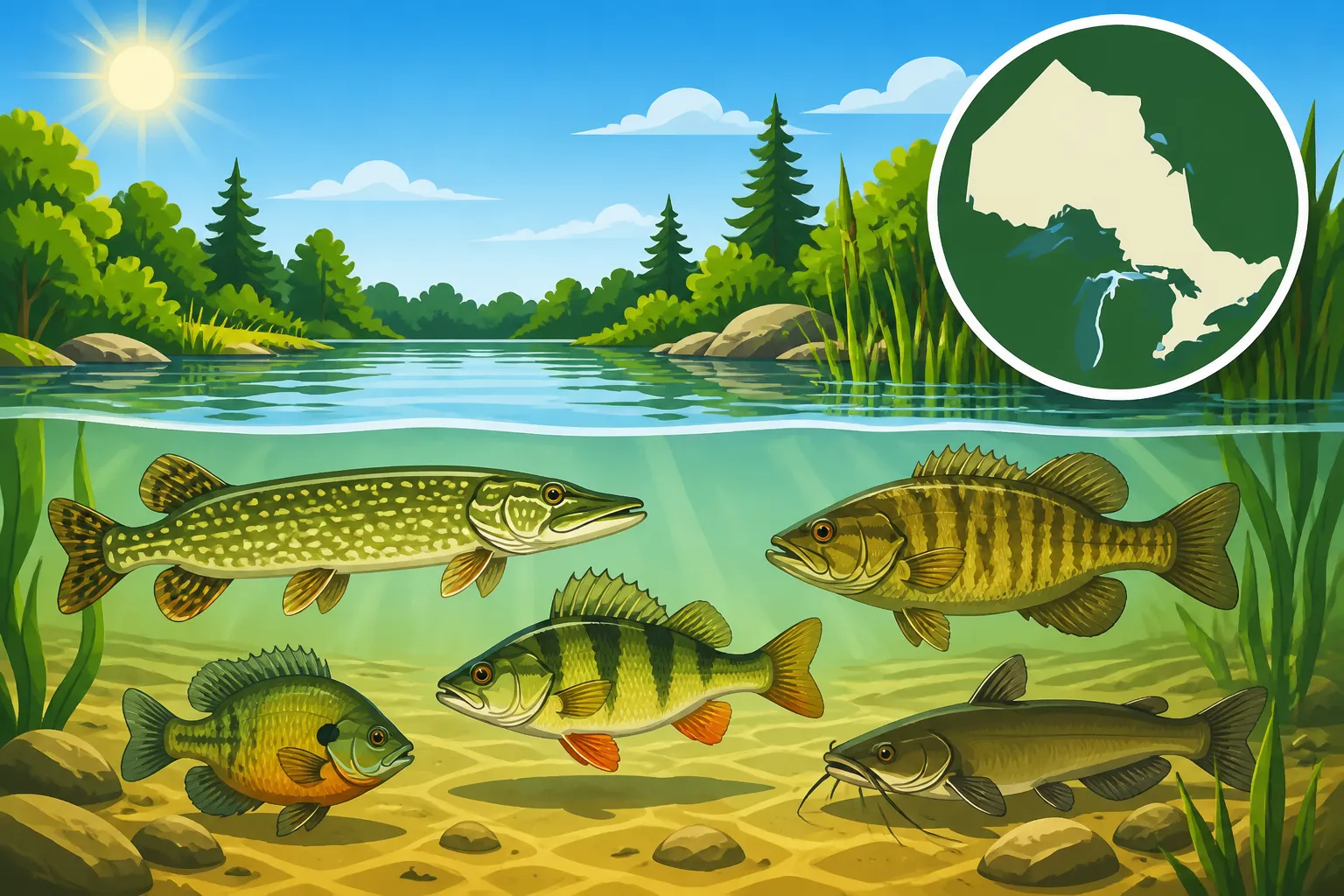
When you think of warm, shallow, weed-choked lakes, the largemouth bass almost immediately springs to mind. These opportunistic predators are absolute masters of this environment. Unlike their smallmouth cousins who prefer rocky, deeper structures, largemouth bass thrive in heavy cover. They'll spend their days tucked deep into lily pads, submerged timber, cattail stands, and thick weed beds, waiting to ambush unsuspecting prey.
Their diet is incredibly varied, reflecting the abundance of food sources in shallow water. They'll feast on everything from baitfish like minnows and perch, to frogs, crayfish, and even small ducklings or mice that happen to fall in the water. This aggressive feeding behaviour makes them incredibly fun to target with a variety of presentations. You'll often find them cruising the edges of emergent vegetation in the mornings and evenings, or burrowed deep within the densest cover during the heat of the day. Many of Ontario's best largemouth fisheries are found in these shallow, warm water settings, offering fantastic action, particularly during the summer months. To learn more about targeting this species, check out Largemouth Bass Fishing in Ontario.
Northern Pike: Apex Predators of the Shallows
Northern pike are another species that truly excel in warm, shallow lakes, especially those with extensive weed growth. These elongated, toothy predators are the quintessential ambush hunters. They possess incredible camouflage and an explosive burst of speed that allows them to lurk silently in weed lines, behind lily pads, or under overhanging branches, before rocketing out to snatch prey.
Pike are incredibly adaptable and can tolerate a wide range of water temperatures, though they often prefer the warmer, oxygen-rich zones found in shallower water. They use the abundant vegetation as both cover for hunting and as a protective barrier from excessive sunlight on very hot days. Much like largemouth bass, they have a diverse diet, consuming pretty much any fish that fits in their mouth, along with frogs, ducklings, and rodents. You’ll often find them patrolling weed edges, points, and shallow bays, especially during the spring and fall. Even in winter, they remain active under the ice in these shallower areas. Explore more about these formidable fish in Northern Pike Fishing in Ontario.
Panfish: The Abundant Schools
"Panfish" is a broad term that includes species like black crappie, bluegill, and various types of sunfish, as well as yellow perch. These smaller, schooling fish absolutely dominate many warm, shallow lakes in Ontario, making them perfect targets for anglers of all ages and skill levels. They thrive in these environments due to the abundance of food, protection from larger predators within the weeds, and ideal spawning conditions.
- Black Crappie: These delicious fish prefer clear, shallow water with plenty of submerged timber, brush piles, or dense weed beds. They school up, often relating to structure, and can provide incredible action, especially in spring and fall. A small jig or minnow fished under a bobber can be incredibly effective.
- Bluegill and Sunfish: These colourful little fighters are often found in huge numbers around docks, lily pads, and dense aquatic vegetation. They're eager biters, making them a fantastic introduction to fishing for kids. They primarily feed on insects, insect larvae, and small crustaceans.
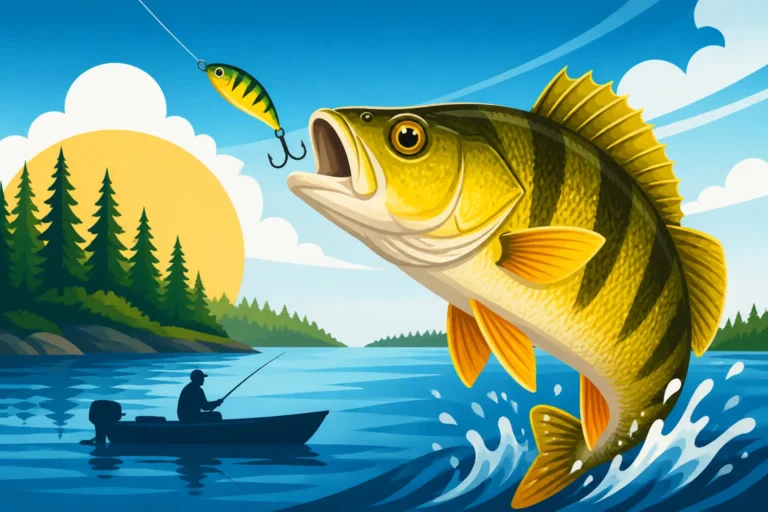
- Yellow Perch: Known for their distinctive striped pattern and tasty fillets, yellow perch are incredibly widespread in Ontario's shallow lakes. They form large schools and will roam flats, weed edges, and soft bottoms in search of insect larvae, small minnows, and crustaceans. They are a staple of both summer and ice fishing in these waters. Many anglers stock up on small jigs and minnows, often found readily on Amazon, for targeting these eager biters. For a deep dive into specific panfish techniques, check out Best Techniques for Panfish in Ontario.
Walleye (Specific Scenarios)
While walleye are often associated with deeper, cooler waters, there are specific types of warm, shallow lakes in Ontario where they absolutely thrive. These are typically larger, shallower systems that have good current, ample forage, and perhaps some slightly deeper channels or holes that offer a bit of thermal refuge during the hottest parts of summer. The Bay of Quinte, for instance, is a prime example of a relatively shallow system that produces world-class walleye fishing.
In these lakes, walleye will still exhibit their light-sensitive nature, often preferring low-light conditions like dawn, dusk, or cloudy days, and retreating to deeper weed edges, submerged humps, or areas with current during bright daylight hours. They rely heavily on the abundant baitfish populations that also flourish in these warm, shallow environments. If a warm, shallow lake has a healthy population of yellow perch or ciscoes, chances are good you’ll find walleye there too. You can learn more about finding this popular species by exploring Walleye Fishing in Ontario.
Why These Species Flourish in Warm, Shallow Lakes
It’s not just by chance that certain fish thrive in warm, shallow lakes while others struggle. There are fundamental biological and ecological reasons that make these environments perfect for the species we’ve discussed.
Abundant Food Sources
One of the primary drivers of fish populations is the availability of food, and warm, shallow lakes are typically incredibly productive in this regard. The shallow, sun-drenched water fosters prolific growth of aquatic vegetation, which in turn supports a massive insect population – from dragonfly nymphs to countless aquatic larvae. These insects form the base of the food web, providing sustenance for smaller baitfish and panfish.
Beyond insects, these lakes often have robust populations of amphibians like frogs, and crustaceans such as crayfish, which are vital food sources for larger predators like bass and pike. The warmer water also means that fish metabolisms are generally higher, leading to faster growth rates, provided there's enough food to go around. This creates a positive feedback loop: more food supports more fish, which in turn attract and sustain higher-level predators.
Ideal Spawning and Nursery Grounds
Warm, shallow lakes offer excellent spawning and nursery habitat for many of these species. Largemouth bass, for instance, prefer to build their nests in shallow, protected areas with firm bottoms, often near vegetation or submerged structure. Northern pike lay their eggs in flooded grasses and shallow wetlands during early spring, benefiting from the rapid warming of these areas. Panfish, too, utilize dense vegetation and shallow, soft bottoms for their reproductive cycles.
The warmth of the water is crucial for the successful development of eggs and fry. It speeds up incubation times and provides the necessary conditions for the young fish to grow quickly. The abundant vegetation not only offers shelter for newly hatched fish from predators but also provides a rich environment of microscopic organisms and tiny insects for them to feed on. This high survival rate for juveniles contributes directly to healthy, thriving adult populations.
Thermal Comfort Zones and Cover
While some species need deep, cold water to regulate their body temperature, the fish that thrive in warm, shallow lakes are adapted to these conditions. Their metabolic processes are efficient in warmer water, allowing them to be active and feed effectively. However, even these warm-water species need options to escape extreme heat or bright sunlight.
This is where the extensive cover provided by aquatic vegetation and other structures becomes critical. Dense weed beds, lily pad fields, and submerged brush offer shade and slightly cooler water pockets, acting as thermal refuges during the hottest parts of the day. They also provide crucial camouflage, allowing ambush predators to hide and stalk prey, and giving smaller fish a place to evade larger hunters. Without this intricate network of cover, these lakes would not be nearly as productive for these species.
Effective Strategies for Fishing Warm, Shallow Lakes
Fishing warm, shallow lakes requires a slightly different mindset and approach compared to targeting deep, clear waters. Embracing the unique characteristics of these environments is key to consistent success.
Gear Selection for Shallow Water Dominators
Your tackle box might need a few adjustments when heading to a warm, shallow lake. For largemouth bass and northern pike, you'll want rods with a bit more backbone to pull fish out of dense cover. Medium-heavy to heavy power rods, paired with baitcasting reels spooled with braided line (30-50lb test) are excellent choices. This setup allows you to cast heavy lures, punch through vegetation, and muscle fish away from snags. Look for robust options, often with good reviews on Amazon, to ensure durability in tough fishing conditions.
When it comes to lures, focus on those designed to be fished in or around heavy cover. Weedless presentations are your best friend. Think soft plastic creature baits, Texas-rigged worms, weedless jigs, spinnerbaits, and topwater frogs or poppers. These lures are less likely to snag in the dense weeds, letting you fish where the fish live.
For panfish and smaller species, a light to ultralight spinning rod and reel combo with 4-6lb monofilament or fluorocarbon line is perfect. Small jigs, tiny spoons, live minnows, worms, or even tiny crankbaits are ideal. The delicate action of ultralight gear makes even a small sunfish a blast to catch, and it’s perfect for presenting small baits naturally.
| Species | Preferred Lure Types | Ideal Rod Power | Common Line Type | Key Habitat |
|---|---|---|---|---|
| Largemouth Bass | Topwater frogs, soft plastics (Texas/Carolina rigs), jigs, spinnerbaits | Medium-Heavy to Heavy | Braided, Fluorocarbon | Dense weeds, lily pads, submerged timber |
| Northern Pike | Spinnerbaits, spoons, jerkbaits, large soft plastics, swimbaits | Medium-Heavy to Heavy | Braided, Mono (with wire leader) | Weed edges, shallow bays, fallen trees |
| Black Crappie | Small jigs, minnows, tiny soft plastics, small crankbaits | Ultralight to Light | Monofilament, Fluorocarbon | Brush piles, submerged timber, weed pockets |
| Yellow Perch | Small jigs, minnows, worms, tiny spoons | Ultralight to Light | Monofilament, Fluorocarbon | Weed edges, soft flats, docks |
| Bluegill/Sunfish | Worms, maggots, tiny jigs, small dry flies | Ultralight | Monofilament | Lily pads, docks, shallow weeds |
Locating Fish in the Labyrinth of Cover
Finding fish in warm, shallow lakes is largely about understanding and interpreting cover. Fish aren't usually roaming aimlessly in open water; they are tightly associated with vegetation and structure. Start by targeting the edges of weed beds, where fish will often cruise for food or ambush opportunities. Look for points, pockets, or irregularities in the weed line, as these create natural ambush points.
Lily pad fields are prime largemouth bass territory. Casting weedless frogs or soft plastics over and into these pads can result in explosive strikes. Fallen trees, brush piles, or even old docks and beaver lodges provide critical overhead cover and structure that attracts both bass and pike. Don't be afraid to cast directly into these seemingly impenetrable areas; that's often where the biggest fish are hiding. For panfish, look for schools holding near submerged timber, under docks, or in open pockets within dense weed beds. Using a lightweight kayak can be an excellent way to access these hard-to-reach spots. Many good options can be found by searching on Amazon.
Timing Your Approach for Maximum Success
Warm, shallow lakes can heat up significantly during the day, which often influences fish behavior. While fish are always feeding, you'll generally find the most consistent action during periods of lower light and cooler temperatures.
- Early Morning and Late Evening: These are often prime times for surface activity. Topwater lures can be incredibly effective for bass and pike as they move into shallower water to feed. The cooler air and water temperatures also make fish more comfortable and active.
- Overcast or Rainy Days: Cloudy conditions reduce light penetration, making fish less skittish and more willing to feed throughout the day. A light drizzle can often trigger a bite, making these less-than-ideal weather days surprisingly productive.
- Specific Seasons: While these lakes are productive year-round, spring and fall often offer some of the best fishing. In spring, fish are shallow for spawning and actively feeding after the ice-out. In fall, they are aggressively feeding to bulk up for winter. To optimize your trips, familiarize yourself with Ontario Fishing Seasons by Zone and Month and Best Time of Year to Fish in Ontario. Even during the peak of summer, targeting the shaded areas and fishing during the cooler parts of the day can lead to great success.
By understanding the unique biology of these species and adapting your techniques to the characteristics of warm, shallow lakes, you'll unlock a fantastic and often overlooked fishing resource in Ontario. These waters offer exciting action and the chance to connect with some truly tenacious fish.
Disclaimer
This article is for general informational purposes only and does not constitute professional advice. Laws, prices and regulations vary by location and change over time. Consult a qualified professional for guidance on your specific situation.