Best eating fish species from Ontario lakes
One of the most satisfying parts of a successful fishing trip in Ontario, beyond the thrill of the catch itself, is bringing home a delicious meal for friends and family. But if you’ve ever found yourself wondering which species truly shine on the dinner plate, you're not alone. It's a common question, and getting it right means the difference between a memorable feast and a less-than-stellar culinary experience. This guide will dive deep into the best eating fish species from Ontario lakes, helping you make the most of your next catch.
The Prime Suspects: Ontario's Top Table Fare
When anglers gather around the campfire or kitchen table to discuss the best-tasting fish, a few species consistently rise to the top of the list. These are the ones known for their mild flavour, flaky texture, and versatility in various cooking methods.
Walleye: The Undisputed King
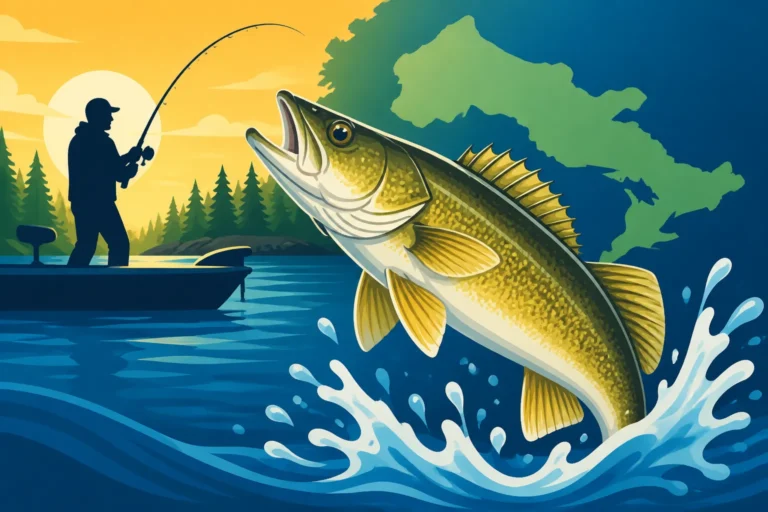
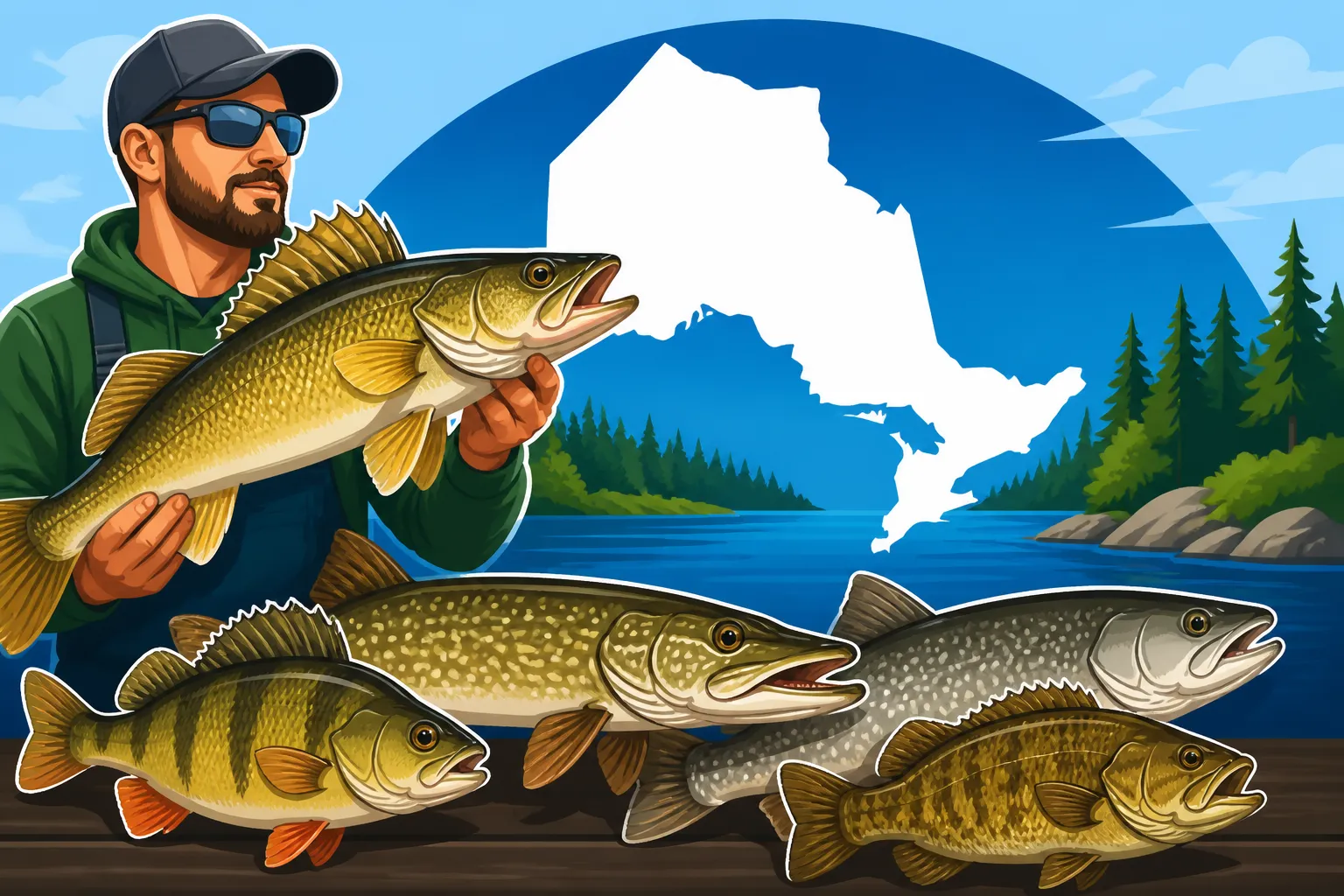
Ah, walleye. For many, this is the gold standard of freshwater eating fish, and it’s not hard to see why. Walleye boast a delicate, flaky white flesh that has a subtle, sweet flavour. It's lean, firm, and takes well to almost any preparation, from simple pan-frying to baking, broiling, or even grilling. You'll often hear anglers in communities across Ontario, from Lake Erie to Lake Nipissing, rave about the quality of walleye fillets. There's a reason why so many people specifically target this species for the dinner table. If you're wondering Is Walleye Good to Eat?, the answer is an emphatic yes!
Catching walleye can be an incredibly rewarding experience, and knowing you’re bringing home such a culinary treat only adds to the excitement. The mildness of walleye means it doesn't have that "fishy" taste that can deter some eaters, making it a crowd-pleaser even for those who might be finicky about seafood. Whether it's dredged in seasoned flour and pan-fried to a golden crisp, or baked with a simple lemon and herb dressing, walleye consistently delivers. For tips on hooking into these tasty fish, check out our guide on Walleye Fishing in Ontario.
Yellow Perch: Pan-Sized Perfection
Yellow perch might be small in stature compared to some of Ontario's other popular game fish, but what they lack in size, they more than make up for in flavour and texture. Often found schooling in huge numbers, especially in lakes like Simcoe or Erie, these little guys offer incredibly sweet, tender, and flaky white meat. They're aptly named "panfish" because they are perfectly suited for a quick dip in some seasoned batter and a hot pan, yielding a delightful crunch on the outside and moist tenderness within.
Many seasoned anglers will tell you that a platter of freshly caught and fried yellow perch is one of life's simple pleasures. They clean up easily, and while it might take a few more to make a meal compared to a large walleye, the effort is well worth it. The delicate flavour is similar to walleye but often even sweeter, making them particularly popular with children and those new to eating fish. If you’re ever out on the water and stumble upon a school of perch, don't hesitate to fill your cooler – responsibly, of course, keeping an eye on Ontario Bag and Possession Limits by Species. For more on targeting these delicious fish, see our article on Yellow Perch Fishing in Ontario.
Lake Trout: A Cold-Water Delicacy
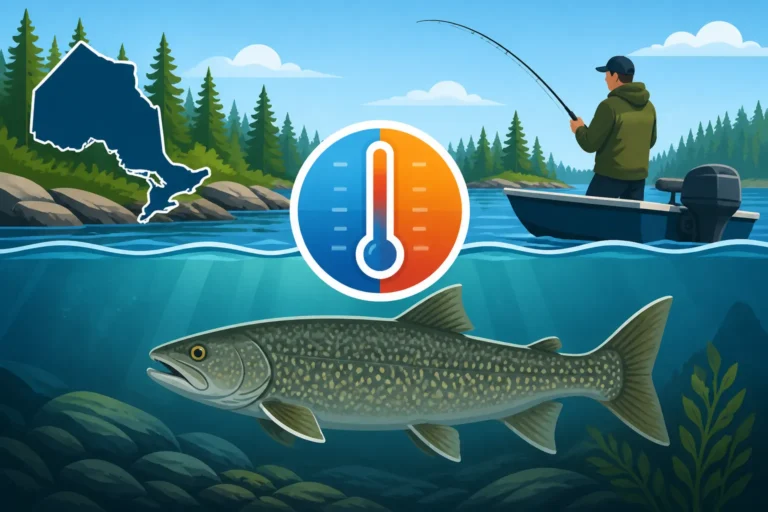
Lake trout are magnificent fish, often found in the deep, cold, pristine waters of Northern Ontario. Their flesh can vary in colour from white to pink or even orange, depending on their diet (often influenced by what baitfish they're consuming, like cisco or smelt). Despite some misconceptions, lake trout are excellent table fare, offering a rich, robust flavour and a firm, somewhat oily texture that stands up beautifully to smoking, baking, or grilling. Many people consider smoked lake trout a true delicacy.
While not as mild as walleye, the distinct flavour of lake trout is highly prized by those who appreciate a richer fish. The fat content, particularly in larger specimens, lends itself perfectly to methods like smoking, which helps preserve the flavour and creates a wonderfully moist product. For more insights into catching these deep-water fighters, our Lake Trout Fishing in Ontario guide is a great resource. Just like salmon, lake trout's flesh colour is a direct result of their diet, and that healthy fat content is what gives them their delicious, hearty taste. If you're asking Is Lake Trout Good to Eat?, know that while different from walleye, it's certainly a gourmet choice for many.
Beyond the Big Three: Other Delicious Catches
While walleye, yellow perch, and lake trout often steal the spotlight, Ontario's diverse waters offer several other species that are equally delicious, though perhaps less frequently celebrated for their culinary merits.
Crappie and Bluegill: Delightful Panfish
Like their yellow perch cousins, crappie and bluegill are fantastic panfish that deliver a delightful meal. They are abundant in many of Ontario's warmer, shallower lakes and ponds, making them accessible targets for anglers of all skill levels. Their flesh is white, flaky, and exceptionally sweet, with a delicate flavour that makes them perfect for a classic shore lunch. Whether you're fishing for Black Crappie or the ubiquitous bluegill, you're in for a treat.
These species are often overlooked by anglers focused on bigger game, but don't let their size fool you. A mess of crappie or bluegill, cleaned and pan-fried until crispy, is a true taste of Ontario summer. They’re fantastic for introducing kids to fishing, as they're often eager biters, and the reward of a tasty meal makes the experience even more memorable. For a deeper dive into these fun-to-catch and delicious fish, check out our article on Crappie in Ontario Lakes. They don't require fancy cooking techniques; a simple dredge in cornmeal or breadcrumbs, then fried in butter or oil, is often all it takes to bring out their best.
Northern Pike: The "Poor Man's Walleye"
Northern pike often get a bad rap as table fare due to their bony, "Y-bone" structure, but don't let that deter you! With proper filleting techniques, pike can be incredibly delicious, offering firm, white, flaky meat that is surprisingly mild. Some experienced anglers even refer to them as the "poor man's walleye" because of their similar flavour profile when prepared correctly. The key is mastering the filleting process to remove those pesky Y-bones. You can find many tutorials online or even special knives on platforms like Amazon designed for deboning fish, which can make the process much easier.
Once those Y-bones are out, the fillets are versatile. They can be baked, fried, or even pickled – pickled pike is a traditional delicacy in many parts of the province! The robust nature of pike means they hold up well to marinades and stronger seasonings, allowing for a broader range of culinary creativity. While they might require a bit more effort in the cleaning stage, the reward is a very satisfying meal. If you're interested in pursuing these aggressive predators, our Northern Pike Fishing in Ontario guide has plenty of tips.
Catfish: Unsung Heroes of the Frying Pan
When you think of Ontario fishing, channel catfish might not be the first species that comes to mind for eating, but they are absolutely worth considering. Found in many of our warmer, nutrient-rich waters like Lake Erie or the Ottawa River, channel catfish offer firm, moist, and mild-tasting white flesh. They are incredibly popular in certain regions, particularly in the southern US, precisely because of their delicious flavour and texture when fried.
Many people are surprised by how good catfish taste, especially when caught from clean, cool water. They have very few bones, making them easy to fillet and prepare. Their meat readily absorbs seasonings, making them a fantastic choice for breading and deep-frying, often served with classic sides like coleslaw and fries. Don't dismiss them just because they don't have scales! If you're looking for an accessible and undeniably tasty fish, give catfish a try.
Factors Affecting Taste and Enjoyment
It's not just about the species; several other factors play a crucial role in how a fish tastes once it hits your plate. Understanding these elements can elevate your fishing and cooking game.
Water Quality and Environment
The environment a fish lives in has a significant impact on its flavour. Fish caught from clean, cold, clear waters generally taste better than those from warm, stagnant, or nutrient-rich environments. For instance, a walleye from a pristine Northern Ontario lake might taste subtly different and often cleaner than one from a slower, warmer river system. This isn't to say fish from all waters aren't good, but the overall health of the ecosystem definitely influences the fish's diet and, consequently, its flesh quality.
Certain species are more susceptible to picking up "off-flavours" from their environment. For example, some carp or larger bottom-feeding species from murky waters might have a stronger, muddier taste. This is why many anglers pay close attention to where they are fishing. Fish caught from systems within specific Ontario Fisheries Management Zones, Explained known for excellent water quality are often highly sought after for their superior taste.
Preparation and Handling
Once a fish is caught, how it's handled is paramount to its culinary quality. The quicker you can get a fish on ice and keep it cold, the better. Allowing a fish to thrash around in a warm livewell or sit in a stringer in warm water for hours can degrade the quality of the meat, leading to softer flesh and a more "fishy" taste. Bleeding your fish immediately after catching can also significantly improve the flavour by removing blood from the muscle tissue. A sharp Best Fillet Knife for Cleaning Walleye will also make a huge difference in preparing your catch efficiently and cleanly. You can find excellent options for filleting knives and other processing tools on Amazon to ensure you're well-equipped.
Filleting needs to be done cleanly and efficiently, removing all skin, bones (where possible), and any dark red meat along the lateral line, as this often has a stronger flavour. The care you take from the moment the fish is landed to the moment it's cooked directly translates to a better eating experience.
Seasonal Considerations
Just like produce, fish can taste different depending on the season. Fish often taste best when the water is cooler, such as in spring or fall, or during the ice fishing season. During these times, fish are often more active, feeding heavily, and their metabolism is geared towards building fat reserves for winter or spawning, resulting in firmer, more flavourful meat.
In the heat of summer, when water temperatures are high, some species might have softer flesh or a slightly different flavour due to stress or changes in their diet. For example, a walleye caught just after the Ontario Walleye Opener Dates by Zone in spring, when waters are still chilly, can be particularly prized for its firm, bright flesh. Knowing the seasonal patterns can help you time your fishing trips for the best possible table fare.
Responsible Harvesting and Consumption
Enjoying Ontario's delicious fish comes with the responsibility of ensuring sustainable practices and safe consumption. This means being aware of regulations and potential health advisories.
Understanding Consumption Advisories
While Ontario boasts incredible fishing opportunities and generally healthy waters, it's crucial to be aware of any local fish consumption advisories. These advisories are issued to inform the public about safe levels of consumption, often related to naturally occurring contaminants like mercury, which can accumulate in certain fish species, especially larger, older predators. Different bodies of water and fish species will have varying guidelines. It’s always a good practice to check the current advisories for the specific lake or river you are fishing before planning to eat your catch. This information is typically available through provincial government resources. Our guide on Mercury advisory fish species in Ontario waters provides a good overview of this important topic.
It's not about fear-mongering, but rather about being informed and making smart choices. For example, smaller, younger fish generally accumulate fewer contaminants than larger, older ones of the same species. So, while a massive lake trout might be a trophy, a smaller one might be a better choice for the dinner plate if you're concerned about consumption levels.
Ethical Catch and Release for Future Meals
The joy of eating fresh fish should always be balanced with a strong commitment to conservation and sustainable angling practices. Practising ethical catch and release, especially for larger breeding fish, helps ensure healthy fish populations for future generations and future meals. Always be mindful of Ontario Bag and Possession Limits by Species for each fish species and the specific Ontario Fisheries Management Zones, Explained you are fishing in. These regulations are in place for a reason – to protect our valuable fisheries.
If you're keeping fish for the table, select healthy specimens within the legal size and possession limits. Handle fish gently, especially those you intend to release, to maximize their survival chances. Using appropriate tackle, like a strong Best Landing Net for Muskie if you're targeting big fish, can reduce stress on the fish. By being a responsible angler, you contribute to the overall health of Ontario's aquatic ecosystems, ensuring that future generations can also enjoy the incredible bounty and delicious fish that our lakes and rivers provide.
| Fish Species | Taste Profile | Texture | Common Cooking Methods | Tips for Best Results |
|---|---|---|---|---|
| Walleye | Mild, sweet, delicate | Flaky, firm | Pan-fry, bake, grill, broil | Keep on ice immediately; remove all red meat along lateral line. |
| Yellow Perch | Very sweet, mild, subtle | Flaky, tender | Pan-fry, deep-fry | Ideal for small fillets; cooks quickly to a golden crisp. |
| Lake Trout | Rich, robust, can be slightly oily | Firm, moist | Smoke, bake, grill, broil | Excellent when smoked; fat content makes it flavourful. |
| Crappie / Bluegill | Sweet, very delicate, mild | Flaky, tender | Pan-fry, deep-fry | Perfect for quick shore lunches; simple preparation shines. |
| Northern Pike | Mild, white fish, similar to walleye (when deboned) | Firm, flaky | Pan-fry, bake, pickle | Crucial: Master Y-bone removal or pickle. |
| Channel Catfish | Mild, firm, earthy (less so in clean water) | Firm, moist | Deep-fry, bake, grill | Great for frying; easy to fillet; takes seasonings well. |
Disclaimer
This article is for general informational purposes only and does not constitute professional advice. Laws, prices and regulations vary by location and change over time. Consult a qualified professional for guidance on your specific situation.