Best fillet knife for cleaning walleye
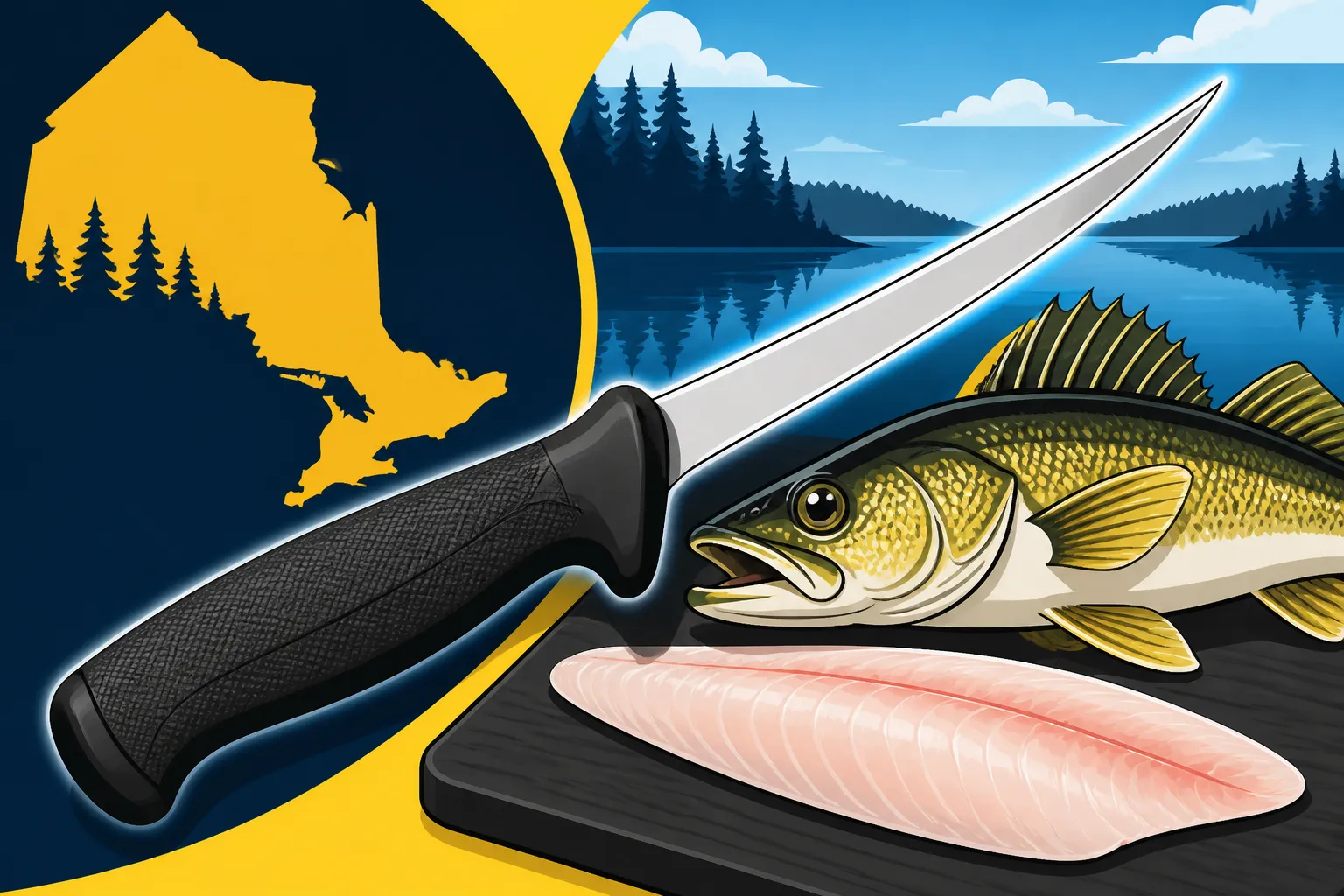
There’s nothing quite like bringing home a cooler full of fresh walleye after a successful day on the water in Ontario. But the joy of the catch can quickly turn into frustration when you grab a dull, flimsy knife that makes filleting feel like a wrestling match with a wet bar of soap. This guide is here to cut through the confusion and help you choose the best fillet knife for cleaning walleye, ensuring your next cleaning session is efficient, safe, and leaves you with beautiful, boneless fillets ready for the pan.
Why the Right Fillet Knife Makes All the Difference for Walleye
Filleting fish should be a satisfying ritual, the final step in a rewarding day of angling. Yet, for many, it becomes a dreaded chore, often because they’re using the wrong tool for the job. Walleye, with their distinct anatomy and delicate, flaky flesh, truly benefit from a specialized knife that complements their unique characteristics. Trying to make do with a kitchen utility knife or a cheap, bendy blade is a recipe for wasted meat and frayed nerves.
The Frustration of a Dull or Improper Blade
We've all been there, haven't we? You're standing at the cleaning station, eager to transform your catch into delicious fillets, only to find your knife dragging, tearing, and generally making a mess of things. A dull blade doesn't just make the process slower and more tiring; it's also a significant safety hazard. When you have to exert excessive force, the risk of slipping and cutting yourself skyrockets. Instead of clean, precise cuts that follow the bone structure, you end up hacking away, leaving valuable meat on the carcass or creating ragged, unappetizing fillets. It's truly disheartening to see good fish go to waste because of an inadequate tool.
Beyond safety and efficiency, there’s the sheer frustration of knowing you could be doing a better job if only your knife cooperated. Imagine the effort you put into tracking down those elusive walleye, maybe Best walleye spots on Lake Erie or navigating the currents on the Bay of Quinte for a prime Bay of Quinte Walleye Fishing experience. To then lose a significant portion of that hard-earned meal due to a poor fillet knife feels like a betrayal of your angling prowess. It impacts the quality of your meal and detracts from the overall enjoyment of the fishing experience.
What Makes Walleye Unique to Fillet?
Walleye present a distinct filleting challenge compared to some other popular species. Their bone structure, while relatively straightforward, requires a blade that can glide smoothly along the backbone and ribs without snagging or digging in. Their flesh is wonderfully tender and flaky, which means a sharp, thin blade is crucial to prevent tearing and bruising the meat. A thick, stiff blade designed for tougher-skinned fish like pike won't offer the finesse needed for walleye, leading to more resistance and less clean separation from the bones.
Think about the precise movements required: piercing the skin, following the dorsal fin, turning the blade to separate the fillet from the ribs, and then finally removing the rib cage and skin. Each step demands a blade that is not only razor-sharp but also has the right amount of flexibility to bend around contours and get into tight spots without forcing. This is particularly true when you're trying to maximize yield, aiming to leave as little meat on the frame as possible. A proper walleye fillet knife is specifically designed to navigate these intricacies, turning a potentially messy job into a streamlined operation.
Key Features to Look for in a Walleye Fillet Knife
Choosing the perfect walleye fillet knife isn't just about grabbing the first sharp knife you see. It involves understanding a few critical features that collectively contribute to its performance, safety, and durability. From the length and flexibility of the blade to the material it's made from and the ergonomics of its handle, each aspect plays a vital role in how effectively you can clean your catch. Prioritizing these features will ensure you invest in a tool that truly enhances your fish cleaning experience.
Blade Length and Flexibility
For walleye, a blade length between 6 to 9 inches is generally considered ideal. A 6-inch blade offers excellent control for smaller walleye and fine detail work, while an 8 or 9-inch blade provides the reach needed for larger, trophy-sized fish often found in big waters like Lake Nipissing. Using a blade that's too short can make long, sweeping cuts difficult, leading to more choppy, less precise fillets. Conversely, an overly long blade can feel unwieldy and reduce your control, especially for those intricate cuts around the rib cage.
Beyond length, flexibility is paramount. A good walleye fillet knife should have a thin, flexible blade that allows you to feel the bones as you cut, guiding the blade along the contours of the fish's anatomy. This flexibility is what enables you to separate the meat cleanly from the backbone and ribs, maximizing your yield and minimizing waste. A stiff blade will force you to cut through or around bones less efficiently, often leaving significant amounts of delicious meat behind. Look for knives described as "flex" or "super flex" if you really want to optimize for walleye, as this characteristic is a game-changer when working around those delicate bone structures.
Blade Material and Sharpness Retention
The material of your fillet knife's blade directly impacts its sharpness, edge retention, and resistance to corrosion. Most quality fillet knives are made from stainless steel, which is excellent for resisting rust and corrosion, a critical factor given the constant exposure to water and fish juices. However, not all stainless steel is created equal. High-carbon stainless steel offers a good balance, combining the corrosion resistance of stainless steel with improved edge retention and toughness. This means your knife will stay sharper longer and be less prone to chipping.
Of course, even the best steel will eventually dull. Therefore, the ease of sharpening is another crucial consideration. Some super-hard steels hold an edge for an incredibly long time but can be a real pain to sharpen once they do dull. For most recreational anglers, a blade that holds a good edge through a few cleaning sessions and can be easily brought back to razor-sharpness with a few passes on a quality sharpener is ideal. Brands like Rapala, Dexter-Russell, and even some options found at Bass Pro Shops or Amazon often specify their blade materials and ease of sharpening, so it's worth checking those details.
Handle Ergonomics and Safety
A great blade is only half the story; the handle is just as important, if not more so, for safety and comfort during long filleting sessions. An ergonomic handle designed to fit comfortably in your hand reduces fatigue and provides a secure grip, even when wet and slimy. Look for handles made from textured rubber, composite materials, or even high-quality wood with a non-slip finish. These materials offer superior grip compared to smooth, hard plastic, especially when dealing with fish slime and water.
Safety features are also paramount. A well-designed handle often includes a finger guard or bolster that prevents your hand from sliding forward onto the sharp blade, a common cause of accidents. The balance of the knife also plays a role; a knife that feels well-balanced in your hand will be easier to control and less tiring to use. Remember, you might be cleaning several walleye in a row, especially after a great day of How to Catch Walleye in Ontario, so a comfortable and secure handle isn't just a luxury – it's a necessity for preventing strain and ensuring a safe, efficient filleting experience.
Types of Fillet Knives for Walleye Anglers
Just as there are different ways to fish for walleye—from jigging to trolling—there are various types of fillet knives, each with its own advantages and ideal applications. Understanding these differences can help you select the knife that best suits your typical fishing scenarios and personal preferences. Whether you’re processing a single fish at home or a cooler full at the dock, there's a knife designed to make the job easier and more enjoyable.
Traditional Fixed Blade Fillet Knives
The classic fixed blade fillet knife is perhaps the most common and versatile option, and for good reason. These knives feature a blade that extends directly into the handle, providing superior strength, stability, and control. This solid construction means there are no moving parts to worry about, making them incredibly durable and reliable. For filleting walleye, a good quality fixed blade knife offers unmatched precision for those delicate cuts required to separate the flaky meat from the bones and skin.
They are typically more affordable than electric models and require no power source, making them perfect for lakeside cleaning stations or remote camping trips where electricity might be scarce. Many anglers have a favourite fixed blade knife that has served them for years, becoming a trusted companion after countless successful outings. When shopping, look for reputable brands known for their blade quality and handle design, often found readily at outdoor retailers like Bass Pro Shops or through online platforms like Amazon. The simple, robust design of a fixed blade knife makes it an excellent choice for consistent, high-quality walleye fillets.
Electric Fillet Knives
For anglers who frequently clean a large number of fish, or those who find manual filleting physically demanding, an electric fillet knife can be an absolute game-changer. These knives use oscillating blades that rapidly move back and forth, allowing them to power through bone and tough skin with minimal effort. While some traditionalists might scoff at the idea, there's no denying the speed and ease an electric knife offers when you're faced with a cooler overflowing with walleye after a hot bite. They drastically reduce hand fatigue and can significantly speed up the cleaning process, leaving you more time to enjoy the fruits of your labour.
Electric knives are especially beneficial for processing larger fish or species with tougher bones, but they perform admirably on walleye too. The oscillating action can make quick work of removing fillets, though some argue they offer slightly less finesse for maximizing meat yield on delicate species compared to a skilled hand with a sharp fixed blade. When considering an electric model, think about battery life if opting for a cordless version, or the length of the power cord for plug-in models. While they require a power source and can be a bit noisier, the sheer efficiency they offer, especially for bulk cleaning, makes them a valuable tool for many avid anglers.
Folding Fillet Knives
Folding fillet knives are designed with portability and safety in mind, making them a niche but valuable option for certain angling situations. Their ability to fold the blade into the handle means they can be safely stored and transported without the need for a sheath, making them ideal for carrying in a tackle box, a backpack, or even a pocket. This is particularly useful for spontaneous shore lunches or when you want to quickly clean a couple of fish right by the water without bringing a full cleaning kit. They’re a fantastic choice for those who do a lot of Bank Fishing Techniques for Ontario Lakes or Kayak Fishing Techniques for Ontario Lakes and need a compact, secure option.
However, folding knives do come with some trade-offs. The blade mechanism can sometimes introduce a slight amount of play compared to a fixed blade, potentially reducing the feeling of absolute stability and control required for very precise cuts. Blade length is also often shorter, typically in the 5-7 inch range, which might be less suitable for exceptionally large walleye. Despite these limitations, for convenience and compactness, a well-made folding fillet knife can be a handy tool, especially for catch-and-cook scenarios where only one or two fish need to be processed on the spot.
| Knife Type | Pros | Cons | Best Use Cases |
|---|---|---|---|
| Fixed Blade | Maximum control, precision, durability, no power needed, generally more affordable | Requires sheath for safe storage, can be bulky for transport | Everyday filleting, maximizing meat yield, consistent use at a cleaning station, all walleye sizes. |
| Electric Knife | Fast, reduces fatigue, powers through bones, great for large quantities | Requires power source (corded or battery), can be noisy, less finesse for delicate cuts, typically more expensive | Cleaning many fish quickly, processing large walleye, for anglers with hand strength concerns. |
| Folding Knife | Portable, safe storage (no sheath needed), compact | Shorter blade options, potentially less stable, can be harder to clean blade mechanism | On-the-go cleaning, shore lunches, kayak fishing, backpackers, smaller walleye. |
Maintaining Your Walleye Fillet Knife for Longevity and Performance
Having the best fillet knife for cleaning walleye is only half the battle; keeping it in top condition is crucial for ensuring it performs optimally for years to come. A well-maintained knife is not only more effective but also safer to use. Just like you wouldn't neglect your fishing reels or rods, your fillet knife deserves proper care. Regular sharpening, thorough cleaning, and appropriate storage will ensure your knife is always ready when those Ontario walleye daily limit fish hit the cooler.
Sharpening Techniques and Tools
A sharp knife is a safe knife, and this couldn't be truer for filleting. A dull blade forces you to press harder, increasing the chance of slipping. For walleye, you want a razor-sharp edge that glides effortlessly through the flesh. Regularly honing your blade with a ceramic or steel rod between cleaning sessions will help maintain its edge. This isn't sharpening, but rather realigning the microscopic burrs on the blade. For actual sharpening, you have a few excellent options.
Whetstones are a traditional choice, offering precise control over the sharpening angle. They require a bit of practice but can achieve an incredibly keen edge. Start with a coarser grit to reshape a very dull blade, then move to finer grits for polishing and refining the edge. Another popular tool, especially for convenience, is a pull-through sharpener. These often have V-shaped slots with ceramic or carbide abrasives that quickly put an edge back on your blade. While they are faster, they can sometimes remove more material than a whetstone. Electric sharpeners offer the ultimate convenience for many, quickly restoring an edge with minimal effort. Whatever tool you choose, consistency is key; regular, light sharpening is far better than waiting until your knife is completely dull. Remember, a sharp knife respects the fish and the angler!
Cleaning and Storage Best Practices
After a successful filleting session, proper cleaning and storage are vital to prevent corrosion and maintain hygiene. Always clean your fillet knife immediately after use. Fish blood and scales can be corrosive, and allowing them to dry on the blade makes cleaning much harder. Use warm, soapy water and a soft cloth or brush to thoroughly clean both the blade and the handle. Pay special attention to any crevices where fish residue might accumulate, especially on folding knives.
Once clean, it's absolutely crucial to dry the knife completely. Even stainless steel can develop rust spots if left wet, particularly at the edge. A quick wipe down with a towel followed by air-drying is usually sufficient. For storage, always use a sheath or a blade guard to protect the sharp edge from damage and to prevent accidental cuts. Many fixed blade knives come with custom-fit sheaths, often made of plastic, leather, or nylon. If your knife didn't come with one, generic blade guards are available at most outdoor stores or through online retailers like Amazon. Store your knives in a dedicated drawer, on a magnetic strip, or in a knife block to keep them separate from other utensils, ensuring their edge stays pristine and your fingers stay safe.
Disclaimer
This article is for general informational purposes only and does not constitute professional advice. Laws, prices and regulations vary by location and change over time. Consult a qualified professional for guidance on your specific situation.