Best pliers for unhooking pike
If you've ever battled a feisty northern pike on one of Ontario's incredible lakes, you know the exhilarating fight is quickly followed by a moment of truth: getting that hook out of a mouth full of razor-sharp teeth. It's a daunting task that can be dangerous for both you and the fish if you don't have the right tools. This comprehensive guide will walk you through why specialized pliers are absolutely essential for safely unhooking pike, what features to look for, and how to use them effectively to ensure a quick and clean release.
The Northern Pike's Toothy Grin: Why Regular Pliers Won't Cut It
Let's be real, the northern pike is an apex predator with a mouth designed for tearing flesh. Their jaws are packed with hundreds of needle-sharp teeth, angled backward to hold prey securely. Trying to reach a deeply set hook with standard household pliers is not only an exercise in frustration but also a recipe for cut fingers, damaged tackle, and potentially serious harm to the fish you're trying to release.
Understanding the Pike's Dental Arsenal
Northern pike don't just have a few big teeth; they possess a formidable array that can make hook removal a real challenge. Along with the prominent canines you see, their mouths are lined with rows of smaller, needle-like teeth, even on their tongue and gill rakers. These teeth are incredibly efficient at gripping and tearing, which is fantastic for them, but a nightmare for an angler trying to perform a quick release. Imagine trying to navigate a minefield with bulky tools – that's often what it feels like when you're trying to get a hook out of a pike with inadequate pliers. It's why seasoned anglers who spend their time in Northern Pike Fishing in Ontario know that having the right tool is non-negotiable.
Safety for the Angler
One of the biggest reasons to invest in proper pike unhooking pliers is your own safety. A thrashing pike, even a smaller one, can inflict a nasty bite wound. Those backward-pointing teeth can easily shred skin, leading to deep cuts that are prone to infection. I’ve seen more than one angler spend an afternoon in the emergency room after a pike encounter went sideways. Furthermore, if you're wrestling with the fish too much because your pliers aren't up to the task, you risk hooks flying, impaling your hands, or even your face. It's not just about getting the hook out; it's about doing it in a controlled manner that protects you from preventable injury.
Prioritizing Fish Conservation
Beyond angler safety, using the right pliers is a critical component of responsible catch-and-release fishing, especially for species like northern pike. When a hook is deeply embedded or difficult to remove, prolonged handling and fumbling with inadequate tools cause undue stress and physical damage to the fish. This can lead to increased mortality rates after release. Specialized pliers allow for a swift, precise removal, minimizing the time the fish is out of the water and reducing trauma to its mouth, gills, and internal organs. We all want these incredible fish to thrive in our Ontario waters, and proper handling is a big part of that. Knowing How to Catch Northern Pike in Ontario is only half the battle; knowing how to release them healthy is the other.
Essential Features to Look for in Pike Unhooking Pliers
Choosing the best pliers for pike isn't about picking the flashiest option; it's about selecting a tool with specific design elements that address the challenges of handling this toothy predator. Think of them as a surgeon's tool, designed for precision and effectiveness under pressure.
Length Matters: Reach and Leverage
The number one feature to prioritize is length. You want pliers that are at least 10-12 inches long, and even longer for big pike. This extended reach keeps your hands well clear of those dangerous teeth, allowing you to get deep into the pike's mouth to access hooks that might be swallowed or set in awkward positions. A longer handle also provides better leverage, making it easier to twist and remove stubborn hooks without excessive force that could tear the fish's mouth. Shorter pliers simply force you to put your hands in harm's way, which is a risk not worth taking.
Jaw Design and Material: Strength, Grip, and Durability
The business end of your pliers needs to be robust. Look for jaws made from durable, corrosion-resistant materials like stainless steel or treated carbon steel. Given Ontario's diverse fishing environments, from pristine freshwater lakes to more brackish areas, rust can be a real enemy. Some pliers might even feature a titanium coating for extra protection and hardness.
The jaw tips themselves are crucial. You want a relatively fine, pointed tip that can grasp small hooks, yet strong enough not to bend or twist under pressure. Many excellent pike pliers will have slightly serrated jaws to provide a positive grip on the hook, preventing it from slipping while you're trying to extract it. However, avoid overly aggressive serrations that could damage the hook or the fish's mouth. Some designs feature a bent-nose tip, which can be incredibly useful for reaching hooks at awkward angles inside the pike's jaw.
Ergonomics and Grip: Comfort in the Heat of the Moment
You might not think much about the handle until you're trying to unhook a thrashing fish with cold, wet hands. A comfortable, non-slip grip is vital. Look for handles that are ergonomically designed, often with rubberized or textured coatings, that provide a secure hold even when wet. Spring-loaded jaws are another fantastic feature, as they keep the pliers open and ready for action, allowing for quick, one-handed operation. This seemingly small detail can make a huge difference in the speed and efficiency of your hook removal process, ultimately benefiting the fish.
Other Handy Features
Beyond the core essentials, some pliers come with additional features that can be incredibly useful on the water. A built-in line cutter, often tungsten carbide, is a huge bonus, allowing you to quickly snip leaders if a hook is too deeply embedded to remove safely. This means you don't have to carry a separate tool, streamlining your gear. A lanyard hole is also practical, letting you attach the pliers to your vest or tackle box so they're always within reach and less likely to fall overboard. Many anglers find tools from respected brands like Bass Pro Shops offer these thoughtful additions.
Types of Pliers Suited for Pike Unhooking
While the market offers a wide array of pliers, not all are created equal for the specific demands of pike fishing. Let's explore the types that truly stand out when it comes to safely tackling those toothy grins.
Long-Nose Pliers (The Extended Reach)
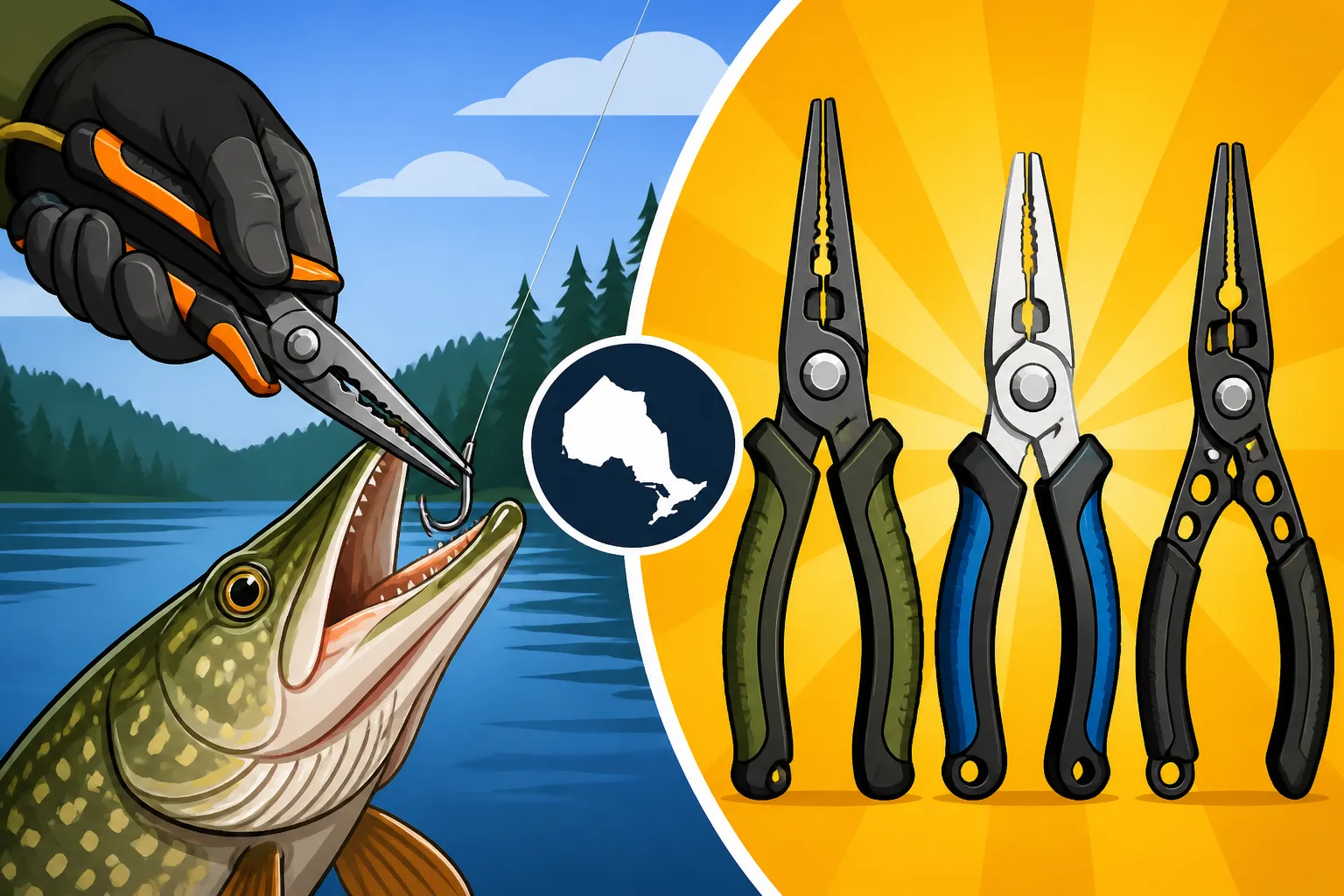
The most common and foundational type of pliers for pike unhooking are simple long-nose pliers, but with a critical distinction: they need to be extra long. We're talking about a minimum of 10-12 inches, as discussed earlier. These pliers offer a straight shot into the fish's mouth, making them effective for hooks that are relatively accessible but still too deep for your fingers. They are straightforward, reliable, and a staple in any pike angler's toolkit. When browsing online or at your local Bass Pro Shops, you'll see many variations in jaw thickness and tip design within this category. Choose a pair that feels sturdy and has a good, positive grip on the handles.
Bent-Nose Pliers (The Angler's Advantage)
Bent-nose pliers are a game-changer for many pike anglers. Instead of a straight jaw, the tip of these pliers is angled, typically around 45 to 90 degrees. This angle allows you to approach hooks from different directions, making it much easier to maneuver around a pike's formidable teeth and bony structures. If a hook is set in the corner of the mouth, or if the pike has swallowed it somewhat, a bent-nose design can often get a purchase where straight pliers would struggle. This increased versatility often leads to quicker, less stressful hook removals for the fish. Many anglers, myself included, often carry both a long straight-nose and a long bent-nose pair, depending on the situation.
Specialized Fishing Pliers (The Purpose-Built Tools)
Beyond general long-nose or bent-nose designs, many manufacturers now offer pliers specifically marketed as "fishing pliers" or "dehookers" that incorporate all the best features for predatory fish like pike. These often combine an extended length with a corrosion-resistant material, ergonomic grips, spring-loaded action, and a line cutter all in one. Brands you might recognize often offer lines of these specialized tools. When you're looking for Best Leader for Pike and Muskie Fishing, you'll often find these specialized pliers recommended right alongside them, as they are part of a complete system for handling big, toothy fish. Searching for "pike fishing pliers" on sites like Amazon or checking out the fishing tool section at Bass Pro Shops will yield many excellent options designed with these specific challenges in mind.
| Feature | Ideal for Pike Pliers | Why It Matters |
|---|---|---|
| Length | 10-12+ inches (25-30+ cm) | Keeps hands safe from teeth, provides leverage for deep hooks. |
| Material | Stainless steel, treated carbon steel, titanium coated | Corrosion resistance, strength, durability for harsh environments. |
| Jaw Type | Fine, pointed tips; slightly serrated; bent-nose option | Precision grip on hooks, avoids over-damaging fish, reaches tricky angles. |
| Handle Grip | Ergonomic, rubberized, non-slip texture | Secure hold even when wet, reduces hand fatigue and slippage. |
| Action | Spring-loaded | Keeps jaws open, allows one-handed operation, quicker hook removal. |
| Line Cutter | Integrated (tungsten carbide inserts are excellent) | Quickly cut line if hook is irretrievable, avoids extra tools. |
| Lanyard Hole | Present | Prevents accidental drops overboard, keeps pliers accessible. |
How to Safely Unhook a Pike with the Right Pliers
Having the best pliers is only half the battle; knowing how to use them effectively and safely is just as important. The goal is always to minimize stress on the fish and ensure your own well-being. This methodical approach will help you achieve both.
Proper Fish Handling: Respect and Control
Before you even think about pliers, consider how you're handling the fish. If possible, try to keep the pike in the water while you work. If you must bring it aboard, do so carefully. A good Best Landing Net for Muskie will also serve you well for pike, providing a safe cradle. Support the fish horizontally, ideally by cradling its belly with one hand and gently gripping its head behind the gill plates with the other. Never grab a pike by the eye sockets or gills themselves, as this can cause severe internal damage. Keep your fingers away from its mouth. Wet your hands before touching the fish to protect its slime coat, which is vital for its health.
The Pliers in Action: Precision and Purpose
Once the pike is secured, take a moment to assess the situation. Locate the hook clearly.
- Grasp the hook shank: Insert your long pliers into the pike's mouth. Aim to grasp the bend of the hook or the shank as close to the bend as possible.
- Apply gentle pressure: With a firm but not crushing grip, apply gentle pressure to the hook.
- Twist and release: Rather than pulling straight out, which can tear flesh, try to gently twist or rotate the hook to back it out along the path of entry. If it's a treble hook, it might be necessary to break off or cut one or two of the points if they are causing excessive difficulty, but always try to remove the entire hook if possible.
- Check for snags: Once the hook feels loose, ensure it's completely free before removing the pliers.
The key here is deliberate, controlled movements. Rushing can cause more damage. This is particularly important when dealing with deeply swallowed hooks, where precision is paramount.
When to Cut the Line and Other Considerations
Sometimes, despite your best efforts and the perfect pliers, a hook is just too deep. If the hook is swallowed beyond the gills, or if you're struggling for more than a few seconds, it's often better to cut the line as close to the hook as possible. A high-quality line cutter on your pliers will make this quick work. Leaving a stainless steel hook in the fish might seem counterintuitive, but often the fish's digestive acids will dissolve the hook over time, or it will be expelled. The stress of prolonged removal attempts can be far more detrimental to its survival. This applies to Is It Legal to Release a Muskie You Catch in Ontario? and pike alike—conservation is key.
Always keep your pliers clean after use, especially if they are stainless steel, to prevent rust and keep them in top working order for your next Ontario fishing adventure. A quick rinse with fresh water and a wipe down will extend their life significantly. Having the right tools, like these essential pliers, means you're not just a better angler, but a more responsible steward of our incredible Ontario fishing resources.
Disclaimer
This article is for general informational purposes only and does not constitute professional advice. Laws, prices and regulations vary by location and change over time. Consult a qualified professional for guidance on your specific situation.