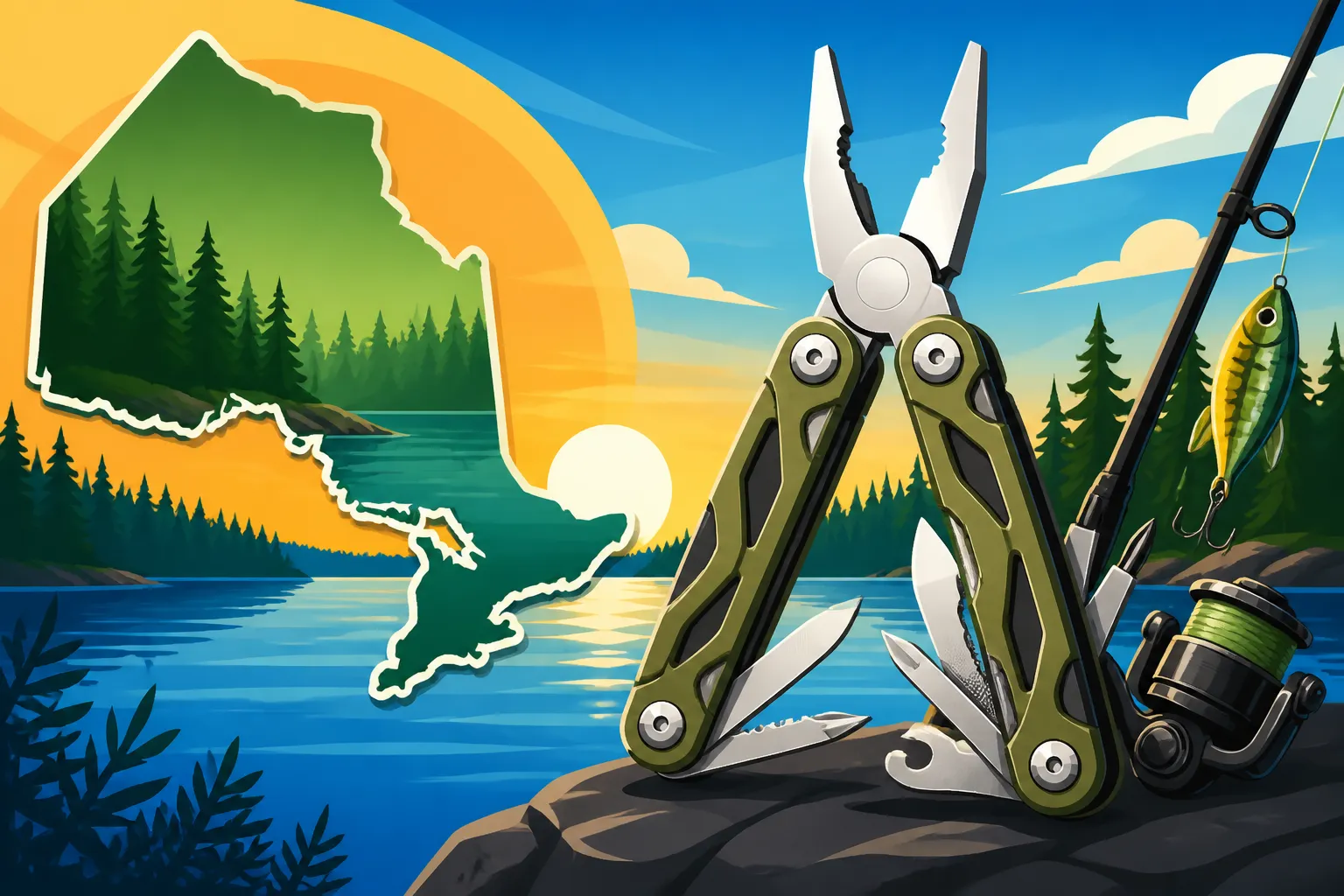
Best multi-tool for fishing trips
It’s a scenario every angler in Ontario knows all too well: you're out on a stunning lake, the fish are biting, and suddenly, you need to cut a stubborn knot, retrieve a deeply swallowed hook, or tighten a loose screw on your reel. You reach for your tackle box, only to find it's a disorganized mess, or worse, you left that crucial pair of pliers back in the truck. This guide is here to save you from those frustrating moments, offering a comprehensive look at how the best multi-tool can simplify your fishing trips and ensure you're always prepared for anything the water throws your way.
Why a Multi-Tool is a Fishing Trip Essential
Fishing, for all its tranquility, often demands quick action and adaptability. One minute you're peacefully casting, the next you're battling a feisty smallmouth or untangling a line that seems to have a mind of its own. Carrying a full array of single-purpose tools for every conceivable situation is impractical, cumbersome, and frankly, a recipe for leaving something vital behind. That's where a well-chosen multi-tool truly shines, consolidating essential functions into one compact, easy-to-access device.
The Clutter Conundrum: Too Many Tools
Think about your typical tackle box. It starts neat, doesn't it? But after a few trips, it often devolves into a jumble of pliers, clippers, files, screwdrivers, and who knows what else. Each item, while useful on its own, adds weight, takes up space, and increases the likelihood that the one tool you desperately need is at the very bottom, buried under a pile of soft plastics and spare hooks. This "clutter conundrum" isn't just an annoyance; it can cost you precious fishing time or even a trophy fish.
A multi-tool acts as your personal, portable toolkit, neatly housing several functionalities in one ergonomic package. Instead of fumbling for separate line clippers, a hook remover, and a small screwdriver, you have them all at your fingertips. This streamlined approach means less time digging through gear and more time actually fishing. Whether you're making quick adjustments to your Best Tackle for Ontario Walleye or setting up a new Best Rod and Reel Combo for Beginners, having your essential tools in one place makes all the difference.
Unexpected Situations and Quick Fixes
The beauty of a multi-tool truly comes alive when you encounter the unexpected. Ever had a swivel or split ring get jammed, rendering your favourite lure useless? A good multi-tool with needle-nose pliers can quickly address that. What about when a tiny screw on your reel seat loosens, threatening to send your rod and reel tumbling into the drink? A built-in screwdriver bit can be a trip-saver.
Beyond these common fixes, multi-tools are invaluable for handling fish safely and efficiently. Imagine hooking into a northern pike with its mouth full of razor-sharp teeth, or a deeply-hooked muskie. You absolutely need a reliable tool to safely extract the hook without harming yourself or the fish. Or perhaps you're setting up for Ice Fishing in Ontario and need to cut through a particularly tough piece of cord for your ice hut. A sturdy blade on your multi-tool can handle tasks that might otherwise require you to head back to shore. These tools are designed for problem-solving on the fly, ensuring you can keep your focus on the water and not on a frantic search for gear.
Key Features to Look for in a Fishing Multi-Tool
Not all multi-tools are created equal, especially when it comes to the specific demands of fishing. When you're choosing the best multi-tool for your Ontario adventures, you’ll want to pay close attention to several key features that can elevate a good tool to an indispensable one.
Pliers: The Heart of the Tool
For many anglers, the pliers are the undisputed core function of a fishing multi-tool. You’ll be using them constantly, whether it's for crimping split shot, removing hooks, or adjusting tackle. Look for pliers that are:
- Needle-Nose: This slender design is crucial for reaching into the mouths of fish to extract hooks, especially for species like walleye or panfish that tend to swallow baits deeply. They also excel at manipulating small split rings and tying intricate knots.
- Spring-Loaded: A spring-loaded mechanism means the pliers automatically open after each squeeze, making one-handed operation much easier and reducing hand fatigue during repetitive tasks. This is a huge advantage when you’re trying to hold a squirming fish with one hand and work on a hook with the other.
- Integrated Cutters: High-quality cutters are non-negotiable. They should be sharp enough to cleanly snip various lines, from fine monofilament and fluorocarbon leaders to tougher braided lines. Some premium multi-tools offer replaceable carbide cutters, which are fantastic because you can swap them out if they dull, rather than replacing the whole tool.
Blade Options and Their Uses
A sharp, reliable blade is another essential component. While you won’t be performing surgery with it, a good blade is incredibly versatile on the water.
- Corrosion-Resistant Material: Given constant exposure to moisture, rust is the enemy. Look for blades made from high-carbon stainless steel or even titanium-coated options for superior corrosion resistance. This is particularly important if you’re fishing the vast waters of Lake Erie or Lake Ontario where saltwater species (like salmon and steelhead) are common, or even just dealing with damp conditions on inland lakes.
- Straight Edge and Serrated Options: A fine straight-edge blade is perfect for precise cuts, like preparing bait or opening packaging. A serrated blade, on the other hand, excels at cutting through tougher materials like rope, heavy line, or even cleaning certain types of fish. Having both options in one tool provides maximum utility.
- Hook File/Sharpener: Some multi-tools cleverly incorporate a small file or a dedicated hook sharpener. Nothing dulls a hook faster than bumping it off rocks or timber, and a sharp hook is absolutely critical for solid hooksets. Being able to touch up a dull point on the fly can turn a frustrating "short strike" into a landed fish.
Specialized Fishing Functions
Beyond the universal tools, some multi-tools are designed with specific angling tasks in mind. These are the details that really make a difference for a dedicated angler.
- Crimpers: If you use leaders with sleeves for How to Catch Muskie in Ontario or Northern Pike Fishing in Ontario, a built-in crimper can be incredibly handy for securing those connections without needing a separate tool.
- Knot Pick/Awl: For stubborn knots that seem impossible to undo, a thin, pointed knot pick can save your valuable leader material and get you back to fishing faster.
- Scale: Some larger multi-tools might even feature a small ruler or a simple fish scale, which can be useful for quickly measuring your catch against provincial regulations or for logging your personal bests.
- Bottle Opener: Let’s be honest, after a long day of casting, sometimes you just want to crack open a cold beverage. A multi-tool with a reliable bottle opener is a welcome addition to the feature set.
Durability and Corrosion Resistance
Ontario's fishing environments can be harsh. From the humid summer days on the Kawartha Lakes to the biting cold of Ontario Northern Pike Winter Season in FMZ 20, your multi-tool will be exposed to moisture, temperature fluctuations, and sometimes even direct contact with saltwater (if fishing the Great Lakes).
- Material Choice: As mentioned with the blades, high-grade stainless steel (like 420HC or S30V) or titanium are excellent choices for their inherent rust resistance. Coatings, such as black oxide or cerakote, can further enhance this protection.
- Construction Quality: Look for tools with solid, tight tolerances and minimal wiggle in the components. A tool that feels flimsy out of the box will quickly fail under real-world fishing conditions. Reputable brands often have a good track record for durability. When browsing at places like Bass Pro Shops or on Amazon, check customer reviews specifically mentioning longevity and rust issues in fishing environments. This feedback from other anglers can be incredibly insightful.
Choosing the Right Size and Style
The "best" multi-tool isn't just about features; it's also about how it fits your personal fishing style and comfort. Do you prefer something discreet on your belt, or a compact tool that tucks away into a pocket or a small storage compartment on your Best Kayaks for Ontario Fishing?
Pocket-Sized vs. Belt-Pouch Models
The size and how you carry your multi-tool significantly impact its accessibility and your overall experience.
- Pocket-Sized Models: These are typically smaller, lighter, and designed to slip easily into a pant pocket, a small compartment in your fishing vest, or even a tiny tackle bag. They're great for minimalist anglers who want to carry only the absolute essentials and prefer a low-profile setup. The trade-off is often fewer tools or slightly smaller, less robust pliers and blades. For quick trips or stream fishing, a compact multi-tool is often perfect.
- Belt-Pouch Models: These multi-tools are generally larger and more robust, offering a wider array of tools and more substantial pliers and blades. They come with a sheath (often nylon or leather) that attaches to your belt, keeping the tool readily accessible on your hip. This style is ideal for anglers who spend long hours on the water, need a broader range of functions, or prefer not to have tools rattling around in their pockets. Just remember to secure the sheath properly to avoid losing it during vigorous casting or boat movements.
Ergonomics and Grip in Wet Conditions
When your hands are wet, cold, or covered in fish slime, a comfortable and secure grip isn't just a luxury – it's a necessity.
- Textured Handles: Look for handles with a textured surface, rubberized inserts, or ergonomic contours that provide a firm grip even when slick. Smooth, polished metal handles can be treacherous in wet conditions.
- One-Handed Operation: The ability to open and operate primary tools (especially the pliers and main blade) with one hand is a huge advantage. This is where spring-loaded pliers really shine. It means you can maintain control of your rod or a fish while still accessing the tool you need.
- Weight and Balance: A well-balanced tool feels good in the hand and is less fatiguing to use over time. While heavier tools can sometimes imply greater durability, excessive weight can become a burden, especially for pocket-carry models or if you're hiking into remote fishing spots.
Single-Purpose Pliers vs. True Multi-Tools
You might be wondering if a dedicated pair of fishing pliers with a line cutter is enough. It's a valid question, and the answer often comes down to your individual needs.
- Dedicated Fishing Pliers: These often excel at their core function – plier duties and line cutting. They might have highly specialized jaws for specific tasks like split ring opening or crimping, and often feature longer handles for leverage. If 90% of your tool needs are related to hooks and line, a high-quality pair of dedicated fishing pliers might be sufficient. Brands like Rapala or Berkley offer excellent purpose-built pliers that are great for tasks like quickly de-hooking a feisty bass or cleaning up a tangled mess of Best Baits for Walleye on Lake Erie.
- True Multi-Tools: The strength of a true multi-tool lies in its versatility. While its pliers might not be quite as specialized as a dedicated pair, the added screwdrivers, files, saws, and other implements provide a vast range of problem-solving capabilities that extend beyond just fishing. If you find yourself frequently needing to tighten a loose boat screw, file down a sharp edge, or even open a stubborn can on a camping trip, a multi-tool offers far more utility. Consider what other tasks you might encounter on your fishing trips besides purely hook-and-line work.
Ultimately, the choice depends on your approach. Many anglers carry both: a pair of dedicated fishing pliers for quick, frequent tasks, and a robust multi-tool for everything else and emergencies.
Top Multi-Tool Considerations for Ontario Anglers
Fishing in Ontario isn't a one-size-fits-all experience. From chasing smallmouth bass in the crystal-clear waters of Georgian Bay to battling aggressive pike in the cooler northern lakes, the demands on your gear can vary. Your multi-tool needs to stand up to these diverse conditions and specific angling challenges.
Dealing with Specific Ontario Species
Ontario boasts an incredible variety of game fish, each presenting unique challenges for hook removal and handling. Your multi-tool needs to be up to the task.
- Pike and Muskie: These predatory fish are known for their formidable teeth and aggressive nature. When you're targeting Muskellunge Fishing in Ontario or Walleye Fishing in Ontario where pike are often bycatch, you need long-nose pliers that can safely reach deep into their mouths to remove hooks. The pliers should be strong enough to withstand the twisting and turning often required with these powerful fish. A sharp, durable cutter is also essential for quickly snipping heavy leaders if a hook is too deeply embedded for safe removal. Having a multi-tool that can handle these toothy critters means you're being responsible and ensuring the fish's survival if you plan to release it.
- Smaller Species: For delicate work with panfish, trout, or smaller bass, precise needle-nose pliers are invaluable. You're not battling razor teeth, but often working with tiny hooks and fragile mouth tissue. A multi-tool with fine-tipped pliers and a knot pick can minimize damage and make catch-and-release much smoother. This also applies when fishing for Brook Trout in Ontario's Crown Land Lakes, where a gentle touch is key.
Cold Weather Performance
If you're an angler who embraces all four seasons, especially venturing out for winter angling, the cold weather performance of your multi-tool becomes a critical factor.
- Ease of Operation with Gloves: When your hands are cold, dexterity decreases, and fumbling with a small, stiff tool can be incredibly frustrating. Look for multi-tools with larger, easier-to-grip components and those designed for one-handed deployment of primary tools. Spring-loaded pliers are a godsend in chilly conditions.
- Material Rigidity: Some plastics or lower-grade metals can become brittle in extreme cold. High-quality stainless steel and robust composite handles are less likely to crack or break when temperatures drop below freezing.
- Condensation and Freezing: Tools left exposed in sub-zero temperatures can accumulate condensation which then freezes, potentially seizing up moving parts. While a good quality tool should be less prone to this, regular maintenance and ensuring the tool is dry before storage in cold conditions can prolong its life.
Maintenance for Longevity
Even the best multi-tool won't last forever without a little TLC, especially in the damp, sometimes gritty environment of an Ontario fishing trip.
- Regular Cleaning: After each trip, especially if the tool has been exposed to water (and definitely if it's been in direct contact with fish or bait), give it a good rinse with fresh water. Use a small brush to get into crevices.
- Drying Thoroughly: This is paramount to preventing rust. After cleaning, dry the tool thoroughly with a cloth. For extra measure, you can let it air dry completely before putting it away in its sheath or tackle box.
- Lubrication: Periodically apply a light coat of a corrosion-inhibiting lubricant to all pivot points and blades. This keeps the action smooth and adds an extra layer of protection against rust. A light machine oil or a specialized rust preventative spray works wonders. You don't need much – just a thin film.
- Blade Sharpening: Even the best blades will dull over time. If your multi-tool includes a sharpener, use it. Otherwise, a small, fine-grit sharpening stone or ceramic stick can keep your blades razor-sharp. Just be careful!
A well-maintained multi-tool isn't just a convenience; it's an investment that will serve you faithfully for many seasons on Ontario's beautiful waters.
Comparing Key Multi-Tool Features
To help you make an informed decision, let’s break down some common multi-tool features and why they matter for fishing.
| Feature Group | Key Considerations for Anglers | Benefits for Fishing Trips |
|---|---|---|
| Pliers | Needle-nose, spring-loaded action, replaceable cutters | Essential for hook removal, split rings, line cutting; offers one-handed operation and longevity of cutting edge. |
| Blades | High-carbon stainless steel, straight & serrated edge options | Versatile for cutting bait, line, rope; resists corrosion from water exposure. |
| Specialized Tools | Hook sharpener, knot pick, crimper, ruler/scale, bottle opener | Addresses specific angler needs, saves time, helps with regulatory compliance, and adds convenience. |
| Material | 420HC or S30V stainless steel, titanium, protective coatings | Superior rust and corrosion resistance crucial for damp fishing environments, enhances tool lifespan. |
| Ergonomics | Textured grip, one-hand opening, comfortable handle shape | Ensures secure handling in wet/cold conditions, reduces hand fatigue, allows for quick access and use. |
| Sheath/Carry | Durable belt sheath, pocket clip, lanyard hole | Keeps tool secure and accessible, prevents loss, protects other gear from sharp edges. |
This table highlights that while many multi-tools offer a wide range of functions, for fishing, certain attributes stand out as non-negotiable for efficiency, safety, and durability.
Final Thoughts on Your Essential Fishing Companion
Choosing the best multi-tool for your Ontario fishing trips really boils down to balancing your personal needs with the quality and functionality of the tool. Are you a minimalist stream angler needing just a few precise tools for trout, or are you a hard-core muskie hunter who needs robust pliers and a heavy-duty cutter? The market offers a fantastic array of options, and you can find excellent choices whether you're browsing the extensive selections at Bass Pro Shops or comparing models on Amazon.
Remember, a multi-tool isn't just another gadget; it's a piece of essential safety and convenience gear that ensures you're prepared for anything on the water. It can turn a frustrating snarl into a quick fix, ensure the safe release of a prized catch, and even help you secure your gear when something unexpectedly loosens. Invest in a good one, take care of it, and it will be a faithful companion on countless memorable Ontario fishing adventures. Tight lines!
Disclaimer
This article is for general informational purposes only and does not constitute professional advice. Laws, prices and regulations vary by location and change over time. Consult a qualified professional for guidance on your specific situation.