Best spoon color for winter panfish
There’s nothing quite like the crisp air and serene silence of an Ontario winter, but when you’re out on the ice, trying to coax a finicky panfish into biting, it can be incredibly frustrating. You’ve drilled your holes, set up your shelter, and the fish finder shows activity, but nothing seems to work. Often, the missing piece of the puzzle isn't your technique, but the subtle art of choosing the right spoon color. This guide will dive deep into the world of spoon colors for winter panfish, helping you understand why certain hues work better in different conditions and how to maximize your success on the hard water.
Understanding Panfish Behavior and Winter Conditions
Before we even talk about colors, it’s crucial to grasp what’s going on under the ice. Winter is a tough time for panfish like crappie, perch, and bluegill. Their metabolism slows down drastically due to the cold water, making them less active and often more selective about what they’ll chase. Light penetration is also severely reduced, especially if there's snow on the ice, which means visibility for the fish can be limited. This combination of factors makes color choice incredibly important, as it directly impacts how visible and appealing your presentation is.
The Impact of Cold Water on Metabolism
Think about how you feel on a cold winter day—you’re probably moving a little slower, right? Fish are no different. When water temperatures drop to near freezing, their metabolic rate plummets. This means they don't expend as much energy, and consequently, they don't need to feed as aggressively or as frequently. Instead of darting across the lake to chase down a meal, they’re often hugging the bottom or suspended lazily, waiting for an easy target to come right to them. Your spoon needs to be something they can spot easily without much effort, and something that triggers a feeding response rather than just a passing glance. A subtle flash or a distinct profile, enhanced by the right color, can be the difference between an empty pail and a successful day.
Light Penetration and Underwater Visibility
The ice itself, and any snow cover on top of it, acts as a filter, drastically reducing the amount of sunlight that reaches the water below. On a bright, sunny day with clear ice, some light will still get through, illuminating the water column to a degree. However, if there's a thick blanket of snow, it can be almost pitch black beneath the surface, particularly in deeper waters. This low-light environment means that colors need to be chosen with care. Some colors might appear dull or completely disappear in the gloom, while others might reflect what little light is available, or even glow independently, making them stand out. The depth you're fishing at also plays a role; shallow waters might have more ambient light than a hole drilled over 20 feet of water. Understanding these variables is key to picking a color that actually gets seen.
Classic Go-To Spoon Colors for Ontario Panfish
When it comes to ice fishing for panfish in Ontario, certain spoon colors have stood the test of time for a reason. These aren't just old wives' tales; they are reliable choices that consistently produce bites across various lakes and conditions. These classic colors generally mimic natural forage or offer high visibility, making them indispensable in any ice angler's tackle box.
Silver and Gold: The Baitfish Impersonators
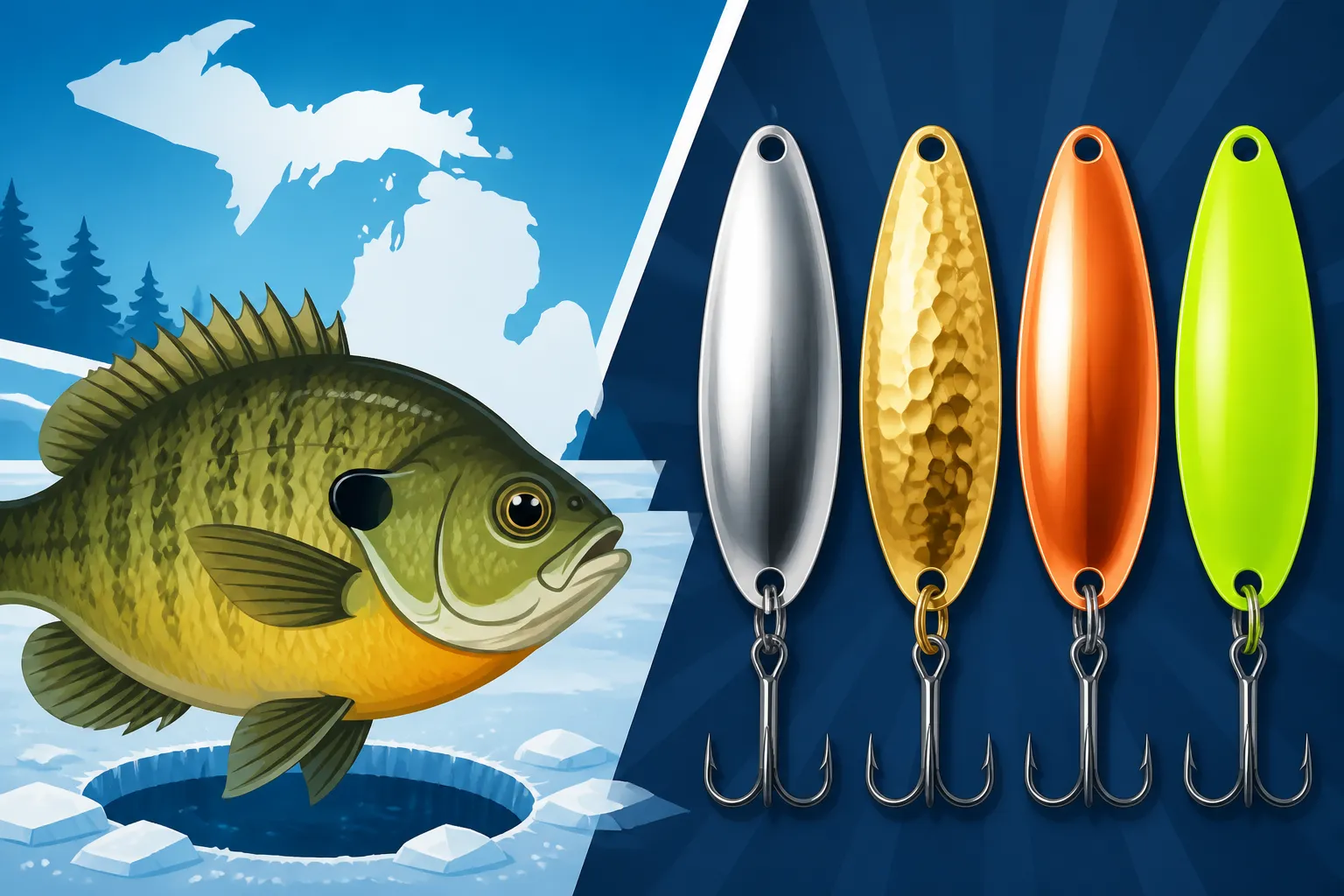
Silver and gold are undoubtedly the champions of classic spoon colors, and for good reason. They are incredible at mimicking the natural flash of a small baitfish darting through the water.
-
Silver: This color excels in clearer water conditions, especially on sunny days when there’s a decent amount of light penetrating the ice. The reflective quality of silver spoons, like a tiny mirror, sends out subtle flashes that can be seen from a distance, drawing in curious panfish. It’s particularly effective if the local panfish are feeding on shiners or other silvery minnows. Imagine a school of perch or crappie cruising near an underwater weed line in Lake Simcoe; a small silver spoon, jigged erratically, can perfectly imitate a panicked minnow, triggering an instinctual strike. You'll find a wide selection of these classic spoons at any good tackle shop, or online through retailers like Bass Pro Shops or Amazon, where you can stock up on various sizes and weights.
-
Gold: Gold spoons, on the other hand, often shine in slightly stained or darker water conditions, or on overcast days. The warmer, richer hue of gold has a way of catching and reflecting light differently than silver, creating a more visible and often enticing glint in dimmer environments. Many natural forage species, particularly yellow perch themselves, have a golden or bronze tint to their scales, making a gold spoon a fantastic imitative choice. It’s also thought that gold can penetrate murkier water better, making it a stellar option when fishing lakes with a bit more tannin or sediment.
White and Glow: Beacon in the Dark
When light is at an absolute premium, white and glow-in-the-dark spoons become your best friends. These aren't just for novelty; they are highly effective tools for visibility.
-
White: A clean, crisp white spoon offers fantastic contrast against the often dark underwater backdrop of a winter lake. It doesn’t rely as heavily on ambient light to be seen, instead standing out as a bright, distinct silhouette. White can imitate small minnows, but it also just screams "easy target" to lethargic panfish. It's especially good for crappie, which often feed by sight in low light, preferring a stark profile. Try white when you're fishing deep basins or under heavy snow cover.
-
Glow-in-the-Dark: This is where things get really interesting, especially for species like black crappie, which have excellent low-light vision. Glow spoons absorb light (from a flashlight or camera flash) and then emit it underwater, essentially becoming a self-illuminated beacon. This is incredibly effective in very deep water, under thick snow, or during early morning and late evening bites. A slow, subtle jigging motion with a freshly charged glow spoon can be irresistible to panfish that might otherwise ignore everything else. It’s not about imitating a specific forage in this case; it’s purely about visibility and curiosity. The flash of a glow spoon is an undeniable attractor in the dark depths. For more tips on fishing in low light, check out Night Fishing for Walleye in Ontario – while it's for walleye, many principles of low-light visibility apply.
Matching the Hatch: Adapting to Water Clarity and Forage
The best spoon color isn't a "one-size-fits-all" answer. It's a dynamic choice that changes based on the specific conditions you're facing. Understanding the water clarity and the predominant forage in your chosen Ontario lake will give you a significant edge.
Clear Water Strategies
When you’re fishing clear water, like some of the deeper, less-stained sections of Lake of the Woods or many northern Ontario lakes, fish have excellent visibility. This means your presentation needs to be more subtle and natural-looking.
-
Natural Imitations: In clear water, fish are scrutinizing your lure. This is where realistic colors truly shine. Think about spoons that feature natural baitfish patterns—silvers with a touch of blue, green, or black on the back, mimicking perch fry, ciscoes, or shiners. Colors that are mottled or have fine details tend to work well. Chrome, especially with a bit of blue or black, can be incredibly effective, providing a bright flash but with a more subdued overall profile than pure gold. Small, flashy spoons that imitate actual minnows are generally better than overtly loud, unnatural colors. The idea is to fool the fish, not just attract their attention.
-
Subtle Flash: While you still want flash, too much can sometimes spook fish in ultra-clear water, especially during bright daylight hours. Opt for spoons that have a slightly dulled finish or a textured surface that disperses light more subtly. A single flash of silver or a quick glint of gold is often enough to grab their attention without overwhelming them. Some anglers even prefer painted spoons with a metallic base, offering the flash without being entirely mirrored. Consider the natural forage: if the panfish are keying on tiny, translucent invertebrates, a very small, subtle silver or even a pearl white might be the trick.
Stained or Murky Water Tactics
Conversely, many popular panfishing lakes in Ontario, like parts of the Kawartha Lakes or Lake Simcoe, can have stained or murky water, especially after spring runoff or if there’s a lot of organic material. Here, visibility is poor, and you need to compensate with stronger visual cues.
-
Bright and Fluorescent Colors: This is where the neon greens, chartreuses, oranges, and hot pinks really come into play. These colors stand out like a sore thumb in low visibility, creating a strong contrast that fish can detect even when they can't see details. They don't necessarily imitate natural forage, but rather act as an attractor, leveraging the fish's lateral line and curiosity. Often, panfish in stained water aren't as shy about unnatural colors because they rely more on vibration and strong visual stimuli to locate food. A bright chartreuse spoon, for example, can be seen from a greater distance in murky water than a natural silver one. For more information on fishing in challenging conditions, consider reading Cold Front Fishing Tactics for Ontario Walleye as many of those principles apply to panfish too.
-
Glow and UV Enhancement: In very murky or deep, dark conditions, combining bright colors with glow or UV (ultraviolet) properties is a winning strategy. UV-reactive paints absorb UV light (even on overcast days) and re-emit it as visible light, making the spoon "glow" in a way that fish can perceive, even if humans can't. Many modern ice fishing spoons, available at retailers like Bass Pro Shops and other dedicated tackle stores, are designed with UV finishes specifically for these challenging situations. A chartreuse spoon with a UV finish will be significantly more visible than one without, especially when light penetration is minimal.
Here’s a quick reference table to help guide your spoon color choices:
| Water Clarity | Light Conditions | Primary Goal | Recommended Spoon Colors | Notes |
|---|---|---|---|---|
| Clear | Sunny | Natural Imitation | Silver, Chrome, Natural Baitfish Patterns (blue/green) | Subtle flash, realistic detail. |
| Clear | Overcast / Low | Subtle Visibility | Silver, White, Pearl, Light Green | Less flash, good contrast. |
| Stained | Sunny | Strong Visibility | Gold, Chartreuse, Orange, Bright Yellow | Good reflection, high contrast. |
| Stained | Overcast / Low | Maximum Attraction | Gold, Chartreuse, Glow-in-the-Dark, Hot Pink, UV | Stands out in poor visibility, active attractors. |
| Murky / Deep | Any | Extreme Visibility | Glow-in-the-Dark (charged), UV, Bright Fluorescent | Essential for detection in near-darkness. |
Advanced Spoon Color Strategies and When to Break the Rules
Sometimes, the panfish aren't reading the rulebook, and you need to get a little creative with your color choices. Beyond the classics and matching the hatch, there are a few advanced strategies that can turn a slow day into a memorable one.
The "Hot Color" Phenomenon
Every ice angler has experienced it: for reasons that aren't always clear, there's just one color that the fish are hitting on a particular day. It might be a specific shade of orange, a unique chartreuse, or even an obscure purple. This "hot color" phenomenon is real, and it’s why a diverse tackle box is so valuable.
-
Experimentation is Key: Don't be afraid to try something completely different if the traditional colors aren't working. If silver and gold aren't getting bites in clear water, maybe a bright red or a two-tone spoon (like blue/silver or green/chartreuse) will. Panfish can be surprisingly finicky, and sometimes a novel presentation is what it takes to trigger a reaction strike. Keep cycling through colors until you find something that resonates with them. This might mean trying a small, subtle jigging spoon in a different color from what's typically recommended. For different jigging techniques, consider exploring Jigging for Perch Through the Ice.
-
Local Wisdom: Pay attention to what local anglers are saying, or even what the bait shop attendants recommend for the specific lake you’re fishing. Often, there’s a collective understanding of what colors work best on a given body of water based on the forage base or the unique characteristics of the lake. While you should always experiment, local knowledge can give you a valuable starting point for finding that "hot color."
Two-Tone and Striped Spoons
Sometimes a single solid color isn't enough; you need the interplay of two or more hues to create the desired effect. Many effective ice fishing spoons feature two-tone finishes or distinct stripes, which can offer a more complex visual trigger.
-
Contrast and Profile: A spoon with, say, a silver belly and a blue back, or a gold side with a black stripe, offers fantastic contrast and a more realistic baitfish profile. The two colors can interact differently with light, creating a dynamic flash that plain colors might not achieve. This is particularly effective in water that isn't crystal clear but isn't entirely murky either – where fish can still discern some detail but appreciate the added visibility. Consider how a small perch looks with its striped pattern; a spoon that mimics this natural contrast can be highly effective for other panfish. Many specialty ice fishing lures on Amazon or at local tackle shops offer these varied patterns.
-
Targeting Specific Forage: If you know the panfish are feeding heavily on a particular baitfish that has a distinct color pattern, seek out spoons that emulate that. For example, if you're targeting crappie that are feasting on perch fry, a small spoon with green and yellow or orange accents could be a deadly choice. The goal here is to create a visual that closely matches the prey they are accustomed to, making it an easy meal to identify. Yellow Perch in Lake Erie and Lake Simcoe might not directly discuss spoons, but understanding the forage base of larger lakes can inform your lure choices.
The Importance of Presentation Alongside Color
While color is incredibly important, it's only one piece of the puzzle. Even the perfect spoon color won't work if your presentation is off. Think of color and action as a tag team.
-
Subtlety in Winter: Remember those slow metabolisms? In winter, panfish often prefer a subtle, slow presentation. This means tiny twitches, slow lifts, and extended pauses. A spoon, even with the perfect color, needs to be presented in a way that suggests an injured or struggling baitfish, not a fast-moving, healthy one. The right color simply makes that struggling prey item more visible and appealing. For more about effective techniques, consider Best Techniques for Panfish in Ontario.
-
Matching Size to Forage: Always ensure your spoon size matches the size of the predominant forage. A crappie might ignore a beautiful chartreuse spoon if it's too large to represent the tiny minnows it's used to eating. Often, smaller spoons are more effective for panfish in winter, regardless of color. A 1/16th or 1/32nd ounce spoon, in the right color, often outperforms larger options.
By understanding the nuances of water conditions, panfish behavior, and integrating both classic and adaptive color strategies, you'll be well on your way to more successful ice fishing adventures in Ontario. Don't be afraid to experiment, and always keep an eye on what the fish are telling you! Happy angling!
Disclaimer
This article is for general informational purposes only and does not constitute professional advice. Laws, prices and regulations vary by location and change over time. Consult a qualified professional for guidance on your specific situation.