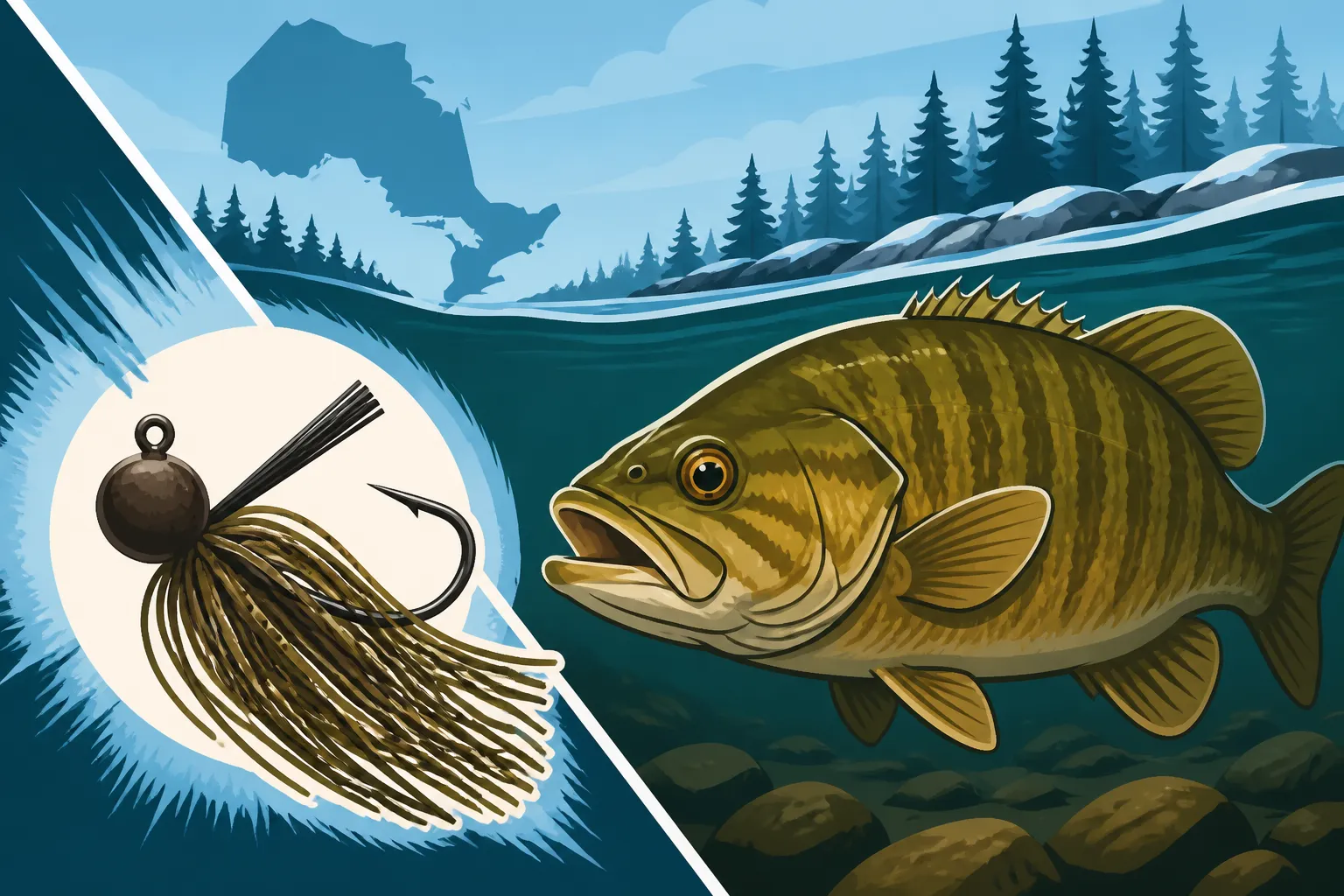
Best hair jig for cold water smallmouth
Fishing for smallmouth bass in the bone-chilling waters of Ontario can be incredibly frustrating. They become lethargic, less aggressive, and often ignore the flashy, fast-moving baits that work so well in warmer months. If you've ever found yourself staring at an empty livewell during a crisp fall day or a chilly spring morning, wondering how to tempt these stubborn bronze beauties, this guide is for you. We're going to dive deep into the world of hair jigs and why they are your secret weapon for cold water smallmouth success in Ontario.
Why Hair Jigs Are a Game Changer for Cold Water Smallmouth
When the water temperature plummets in Ontario's lakes and rivers, smallmouth bass undergo a significant behavioural shift. They move deeper, their metabolism slows down, and their feeding windows become shorter and less frequent. This is precisely where the subtle magic of a hair jig truly shines. Unlike hard baits or plastics that often require a more active retrieve, hair jigs offer a finesse presentation that lethargic smallmouth simply can't resist.
Mimicking Natural, Dying Forage
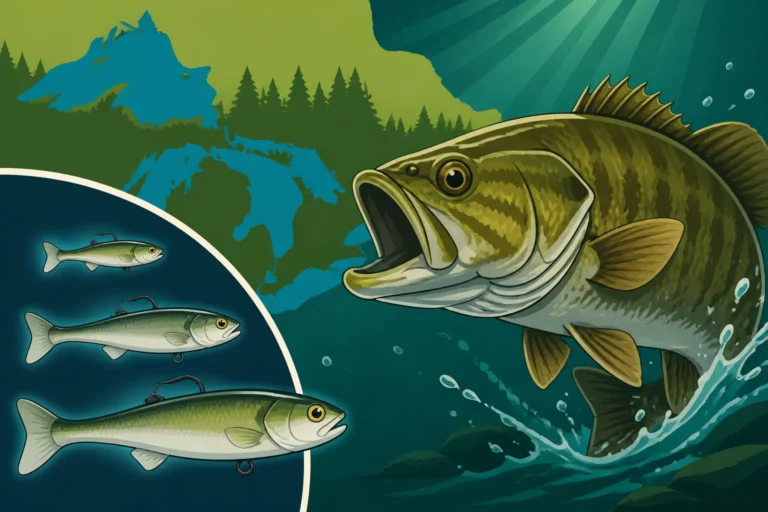
Think about what happens to baitfish and crawfish as water temperatures drop. They become sluggish, less active, and sometimes even die off, sinking slowly to the bottom. A hair jig, particularly one made from fine materials like marabou, perfectly imitates this dying or struggling prey. The natural hair fibers pulsate and breathe with the slightest movement, even when the jig is barely twitched or simply falling through the water column. This subtle, lifelike action is a stark contrast to the aggressive thumping or wobbling of a crankbait and is far more appealing to a smallmouth that isn't willing to expend much energy. It screams "easy meal" without spooking the fish.
Imagine a smallmouth tucked into a deep rock crevice on Georgian Bay, its body temperature dictating a slow pace. A loud, fast-moving bait might just pass it by, or worse, make it feel pressured. But a small, fluffy hair jig, descending slowly and softly, pulsing ever so gently, looks like a perfect, effortless snack. It's about triggering a predatory instinct without demanding a high-energy chase, which is crucial when fishing for Smallmouth Bass Habits on Lake Erie in cooler conditions.
The Power of Subtle Presentation
In clear, cold Ontario waters, smallmouth bass often have excellent visibility. Overly aggressive or unnatural presentations can quickly spook them. Hair jigs, with their understated charm, offer a much more natural and less intrusive approach. They don't have rattles, loud thumps, or vibrant, unnatural colours (unless you choose them, of course!). Instead, they rely on natural texture, movement, and a quiet descent.
The slow fall of a hair jig is paramount. It allows the jig to spend more time in the strike zone, giving sluggish smallmouth ample opportunity to see it, track it, and eventually commit. This is particularly effective when fish are suspended just above structure or are holding tight to the bottom in deeper water. The gentle undulation of the hair fibers as the jig sinks is often enough to draw a strike even when the bass are completely shut down. It’s like a silent invitation rather than a loud demand, making it a stellar choice when considering the Best Time of Year to Fish in Ontario for smallmouth.
Versatility in Retrieval Speeds and Depths
One of the unsung heroes of the hair jig is its incredible versatility. While we often associate cold water fishing with slow, methodical retrieves, hair jigs can actually be manipulated in a variety of ways to elicit a strike. You can fish them excruciatingly slowly, barely dragging them along the bottom, or give them sharp, quick snaps to mimic a fleeing baitfish.
This adaptability means you're not locked into one presentation. On a calm, sunny day when the fish are completely dormant, a slow drag with long pauses might be the ticket. If a cold front has just moved through, or if you're getting no bites, a series of short hops or twitches can sometimes trigger a reaction strike from slightly more active, but still cold, smallmouth. This makes them a staple in any serious angler's tackle box, especially when trying to pinpoint the best techniques for fishing after a cold front in Ontario.
Key Features of an Effective Cold Water Hair Jig
Not all hair jigs are created equal, especially when you're specifically targeting cold water smallmouth in Ontario. Paying attention to the material, weight, hook size, and colour can make a significant difference in your success rate.
Material Matters: Deer Hair vs. Marabou
The choice of hair material is critical, as it dictates the jig's action, profile, and durability.
Deer Hair Jigs
Deer hair jigs are crafted from the hollow, buoyant hair of deer. This material creates a bulkier profile that pushes more water and has a slower, more buoyant fall. The individual hairs are stiffer than marabou, giving the jig a more defined shape and often a slightly more "fleeing" look when twitched.
- Pros: Excellent durability, holds its shape well, creates a larger profile, good for mimicking crawfish or chunkier baitfish. The buoyancy allows for a very slow, almost neutral buoyancy presentation if weighted correctly.
- Cons: Less subtle pulsation than marabou, can be less forgiving if the fish are extremely lethargic and prefer minimal movement.
- Best Use: When smallmouth are slightly more active (even in cold water) or when you want a larger profile to attract attention. Great for fishing rocky areas where you might want the jig to "hover" slightly over snags.
Marabou Jigs
Marabou jigs, made from the soft, feathery down of a turkey, are the epitome of subtle action. These delicate feathers breathe and pulsate with the slightest water movement, creating an incredibly lifelike and alluring presentation that resembles a dying baitfish.
- Pros: Unparalleled subtle movement and pulsation, fantastic for mimicking dying baitfish, very soft and natural feel, which can lead to longer hold times by bass. This is often the go-to for truly difficult cold water conditions.
- Cons: Less durable than deer hair, can foul (tangle) on the hook more easily, especially after a fish or snag. Can also absorb more water, making it heavier and less buoyant than deer hair.
- Best Use: When smallmouth are extremely lethargic, when clarity is high, or when you need the most natural, understated presentation possible. Often preferred for targeting suspended fish.
Many anglers carry a mix of both, experimenting to see what the fish prefer on any given day. You can find a wide variety of both deer hair and marabou jigs at well-stocked fishing retailers like Bass Pro Shops, or even specialized handmade options from smaller online outfits.
Weight and Hook Size for Optimal Presentation
The weight of your hair jig is paramount for cold water applications. The goal is often a slow, controlled fall, allowing the jig to hover and tantalize the fish.
- Weight: For most cold water smallmouth situations in Ontario, a 1/8 oz to 1/4 oz jig is usually the sweet spot.
- 1/8 oz: Ideal for shallower depths (under 15 feet), calm conditions, or when you want the slowest possible fall. It allows for a longer hang time in the strike zone.
- 1/4 oz: Better for deeper water (15-30+ feet), windy conditions, or when there's a slight current. It still provides a slow fall but gets to the bottom more efficiently. Going heavier than 1/4 oz typically sacrifices the subtle fall that makes hair jigs so effective in cold water.
- Hook Size: Matching the hook size to the jig and the typical mouth size of cold water smallmouth is important. Generally, a high-quality, sharp hook in sizes #1, 1/0, or 2/0 is appropriate. You want enough gap to hook the fish securely, but not so large that it overpowers the subtle presentation or makes the jig look unnatural. Ensure your hooks are sharp; cold water bass often "mouth" the bait rather than aggressively striking it.
Color Selection: Natural is Key
In clear, cold Ontario waters, natural colours tend to be the most effective. Smallmouth bass are visual predators, and in frigid water, their senses are heightened to subtle cues, not flashy distractions.
- Go-To Natural Colours:
- Black: A perennial favourite, especially in deeper water or low light. It creates a strong silhouette and can mimic many types of dark baitfish or leeches.
- Brown/Green Pumpkin: Excellent for imitating crawfish, especially when fished along rocky bottoms or transitions.
- Grey/White: Mimics common baitfish like shiners or ciscoes. A grey jig often works wonders in clear water, appearing very natural.
- Olive: Another natural tone that can mimic various aquatic insects or smaller baitfish.
- Subtle Accents: Sometimes, a jig with a hint of a brighter colour – a few strands of chartreuse or orange mixed into a primarily black or brown jig – can provide just enough contrast to grab attention without being overpowering. This can be effective in slightly stained water or on days when fish need a little extra enticement.
- Experimentation: While natural is generally best, don't be afraid to experiment. Keep an eye on what local baitfish are doing or what's dying off in the area. If you're fishing in a particular zone, like when checking Ontario Walleye Opener Dates by Zone, remember that smallmouth in the same area might be keying on similar forage.
Techniques for Fishing Hair Jigs in Cold Water
Mastering the retrieve of a hair jig in cold water is more art than science, requiring patience, sensitivity, and a keen understanding of smallmouth behaviour. The key is slow. Slower than you think.
The Slow Drag and Pause: Your Primary Weapon
This is arguably the most effective technique for cold water smallmouth. It mimics a dying or lethargic critter scuttling along the bottom.
- Cast it Out: Make a long cast, letting the jig sink completely to the bottom on a slack or semi-slack line. Watch your line for any subtle twitches or pauses as it falls; a smallmouth might grab it on the descent.
- Contact the Bottom: Once it hits bottom, lower your rod tip towards the water and slowly, almost imperceptibly, drag the jig a few inches by sweeping your rod sideways.
- The Pause: This is crucial. After dragging, pause. Let the jig sit for 5-10 seconds, sometimes even longer in extremely cold water. During this pause, the hair fibers will subtly undulate, creating natural action even when stationary.
- Feel for the Bite: Bites in cold water are rarely aggressive thumps. They're often subtle: a slight weight, a spongy feeling, or your line just moving sideways. When in doubt, set the hook!
- Repeat: Slowly reel in the slack and repeat the drag-and-pause motion. Cover water thoroughly, remembering that cold smallmouth won't chase far. This technique works wonders whether you're targeting Best Shore Fishing Spots in Ontario or casting from a boat.
Short Hops and Twitches: When a Little More Action Helps
While the slow drag is king, sometimes a slightly more active presentation is needed. This is particularly true if you're marking fish on your Best Fish Finders for Ontario Lakes that seem curious but won't commit.
- Short Hops: Instead of a continuous drag, lift your rod tip a foot or two, causing the jig to "hop" off the bottom, then let it fall back on a controlled slack line. The hop simulates a small critter fleeing briefly, and the subsequent fall can trigger a strike. Always pause after the hop and fall.
- Subtle Twitches: For suspended fish or when working over sparse cover, a series of very short, gentle twitches of the rod tip can make the marabou or deer hair pulse enticingly without moving the jig far horizontally. This is a great way to keep the jig in the strike zone longer.
Remember, even when adding more action, the overall pace should remain slow compared to warmer water techniques.
Targeting Structure: Where Smallmouth Congregate
Cold water smallmouth don't roam aimlessly. They seek out specific structures that offer warmth, cover, and ambush points.
- Deep Rock Piles and Boulders: These provide shelter and attract baitfish. Smallmouth will often be right in or around the rocks.
- Steep Drop-Offs: The edge of a sharp breakline leading to deeper water is a classic cold water smallmouth haunt. They can move up and down the break to feed or find comfort.
- Deep Points and Humps: Submerged points extending into deeper water, or isolated humps, act as natural congregation areas.
- Transition Zones: Areas where rock meets sand, or where sparse weeds meet a hard bottom, can be productive. Smallmouth will often position themselves on the hard bottom, looking into the weeds.
- Current Seams: In rivers like the French River or Ottawa River, smallmouth will use current breaks and eddies to conserve energy while waiting for prey. Casting a hair jig into these seams and letting it drift naturally can be deadly. If you're using a Best Kayak for River Fishing in Ontario, focusing on these seams is a prime strategy.
Precise casting and boat control (if applicable) are essential to put your hair jig right where these fish are holding. Use your electronics to find these structures and understand the bottom contour.
Choosing the Right Setup for Hair Jigging
Having the right gear makes a huge difference, especially when you're trying to detect those subtle cold water bites. You need a setup that prioritizes sensitivity and finesse.
Rod, Reel, and Line for Maximum Sensitivity
A sensitive rod and appropriate line are crucial for feeling those faint taps and spongy bites.
- Rod:
- Length: A 6'6" to 7' medium-light or light action spinning rod is ideal. The longer rod provides better casting distance and leverage for fighting fish, while the lighter action allows for proper jig loading and helps prevent ripping the tiny hooks out of a bass's mouth.
- Power: Medium-Light is generally preferred as it offers enough backbone to handle smallmouth but is still sensitive enough for the subtle takes.
- Sensitivity: Look for a rod with a fast or extra-fast tip action. This means the tip bends easily, transmitting even the slightest vibration, while the backbone remains stiff for hooksets. Brands known for their sensitive rods, which you can often find at retailers like Bass Pro Shops, are a good place to start.
- Reel: A 1000 or 2000 series spinning reel that balances well with your rod is perfect. Smooth drag is essential for cold water fish, as they can still make powerful runs when hooked.
- Line: This is where opinions can vary, but the goal is always sensitivity and low visibility.
- Main Line: 6-8 lb fluorocarbon is a popular choice due to its low stretch, high sensitivity, and near invisibility underwater. It sinks, which can help keep your jig down.
- Braid with Fluorocarbon Leader: Many anglers prefer a thin, low-stretch braid (10-15 lb test) as their main line for maximum casting distance and sensitivity. Then, they tie on a 6-8 lb fluorocarbon leader (4-6 feet long) using a strong knot like an FG knot or an Albright knot. The braid provides excellent feel, and the fluorocarbon leader maintains stealth near the jig. This combination offers the best of both worlds. For more on line choices, consider checking out articles like Best Fluorocarbon Line for Clear Lake Water.
Terminal Tackle Considerations
When fishing hair jigs, simplicity is often best.
- Direct Tie: Whenever possible, tie your hair jig directly to your fluorocarbon leader (or main line if using straight fluorocarbon). This provides the most direct connection to the bait and maximizes sensitivity. A loop knot can also be effective, allowing the jig to move more freely, though it might be slightly less sensitive than a snug Palomar or improved clinch knot.
- Snaps/Swivels: Avoid using snaps or swivels with hair jigs. They add unnecessary bulk, reduce the natural action of the jig, and can detract from the subtle presentation. The beauty of a hair jig is its understated natural movement, and extra hardware can disrupt that.
By meticulously selecting your gear, you’ll be better equipped to detect those often imperceptible cold water bites and convert them into landed smallmouth bass. Remember that practice makes perfect, and the more time you spend feeling for those subtle takes, the better you'll become at mastering the hair jig for cold water smallmouth.
| Feature | Deer Hair Jig | Marabou Jig |
|---|---|---|
| Material | Hollow, buoyant deer hair | Soft, feathery turkey down (marabou) |
| Action in Water | Stiffer, pushes more water, slower fall, "breathy" | Extremely subtle, pulsating, highly lifelike |
| Profile | Bulkier, more defined shape | Finer, more ethereal, almost translucent |
| Durability | High, resilient against snags and fish | Lower, can foul or tear easily |
| Buoyancy | More buoyant, can "hover" slightly | Less buoyant, absorbs water, sinks slightly faster (for same weight) |
| Ideal For | Slightly more active cold water fish, larger profile, imitating crawfish | Extremely lethargic fish, clear water, imitating dying baitfish |
| Retrieval Speed | Can handle slightly faster twitches | Excels at ultra-slow, delicate presentations |
| Key Advantage | Durability and distinctive "fleeing" action | Unmatched subtle, natural pulsation |
Disclaimer
This article is for general informational purposes only and does not constitute professional advice. Laws, prices and regulations vary by location and change over time. Consult a qualified professional for guidance on your specific situation.