Best fly pattern box for a beginner
Stepping into the world of fly fishing can feel overwhelming, especially when you start looking at all the tiny, intricate flies and wonder how on earth you're going to keep them organized. It's easy to buy a handful of flies and just toss them into an old tackle box, only to find them crushed, tangled, or lost when you actually hit the water. This guide is here to unravel that mystery for you, walking you through everything a beginner needs to know about choosing and setting up their very first fly pattern box for Ontario fishing adventures.
Why Your First Fly Box is More Than Just Storage
As a budding fly angler in Ontario, you're not just buying a container; you're investing in the protection and organization of your valuable flies. Think about it: each fly represents a tiny piece of craftsmanship, tied to imitate specific insects or baitfish. A poorly chosen box can lead to bent hooks, mashed hackles, or worse, losing your favourite patterns right when you need them most on an unforgiving riverbank or a windy lake.
Protecting Your Precious Patterns
Flies, especially those delicate dry flies or intricate nymphs, are surprisingly fragile. Imagine spending time meticulously selecting patterns for an upcoming trip to a prime trout stream, only for them to be ruined before they even hit the water. A good fly box provides individual compartments, slit foam, or magnetic surfaces that keep each fly securely in place, preventing them from tangling with each other or getting crushed by other gear. This isn't just about aesthetics; it's about preserving the integrity of the fly's design, ensuring it performs as intended when presented to a wary brook trout or a hungry smallmouth. Without proper protection, a mangled fly might not float correctly, or its profile could be compromised, making it less effective.
Keeping Organized on the Water
There's nothing more frustrating than fumbling through a disorganized mess when the fish are rising, or you've just spotted a prime lie where a big walleye might be lurking. A well-organized fly box allows you to quickly locate the exact pattern you need for the prevailing conditions. Different sections or foam colours can be used to categorize flies by type (dry, nymph, streamer), size, or even the specific species you're targeting. This efficiency becomes crucial when you're wading through a swift current, dealing with a sudden hatch, or trying to match the hatch in low light. For instance, if you're targeting brook trout on a small Crown land stream and a sudden hatch of caddis starts, being able to instantly grab the right size and colour caddis pattern can make all the difference in connecting with a fish. A chaotic box will only add stress and cost you valuable fishing time.
Key Features to Look for in a Beginner Fly Box
When you're just starting out, the sheer variety of fly boxes available can be daunting. From clear plastic to elaborate wooden creations, the options seem endless. For a beginner, simplicity, durability, and practical organization are paramount. You want something that will stand up to a little abuse, keep your flies safe, and help you learn the ropes of fly organization without being overly complicated or expensive.
Durability and Waterproofing
Ontario weather can be unpredictable, from sudden downpours on Lake Simcoe to unexpected splashes while Kayak Fishing Techniques for Ontario Lakes. Your fly box needs to be tough enough to handle being dropped on rocky shorelines or squashed in a backpack. Look for boxes made from durable, impact-resistant plastic. More importantly, consider waterproofing. A good fly box will often feature a rubber gasket around the lid, creating a seal that keeps moisture out. Water-logged flies can rust hooks, degrade materials, and even stain your box. Imagine being halfway through a day on a beautiful river, reaching for your favourite dry fly, and finding it soaked and rusty. This is why a sturdy, waterproof design is a non-negotiable feature for any angler, especially those just getting started and likely to be a bit less careful with their gear.
Internal Organization Systems
This is where the magic happens for beginners. The internal layout of your fly box dictates how easily you can store and access your patterns.
Slit Foam
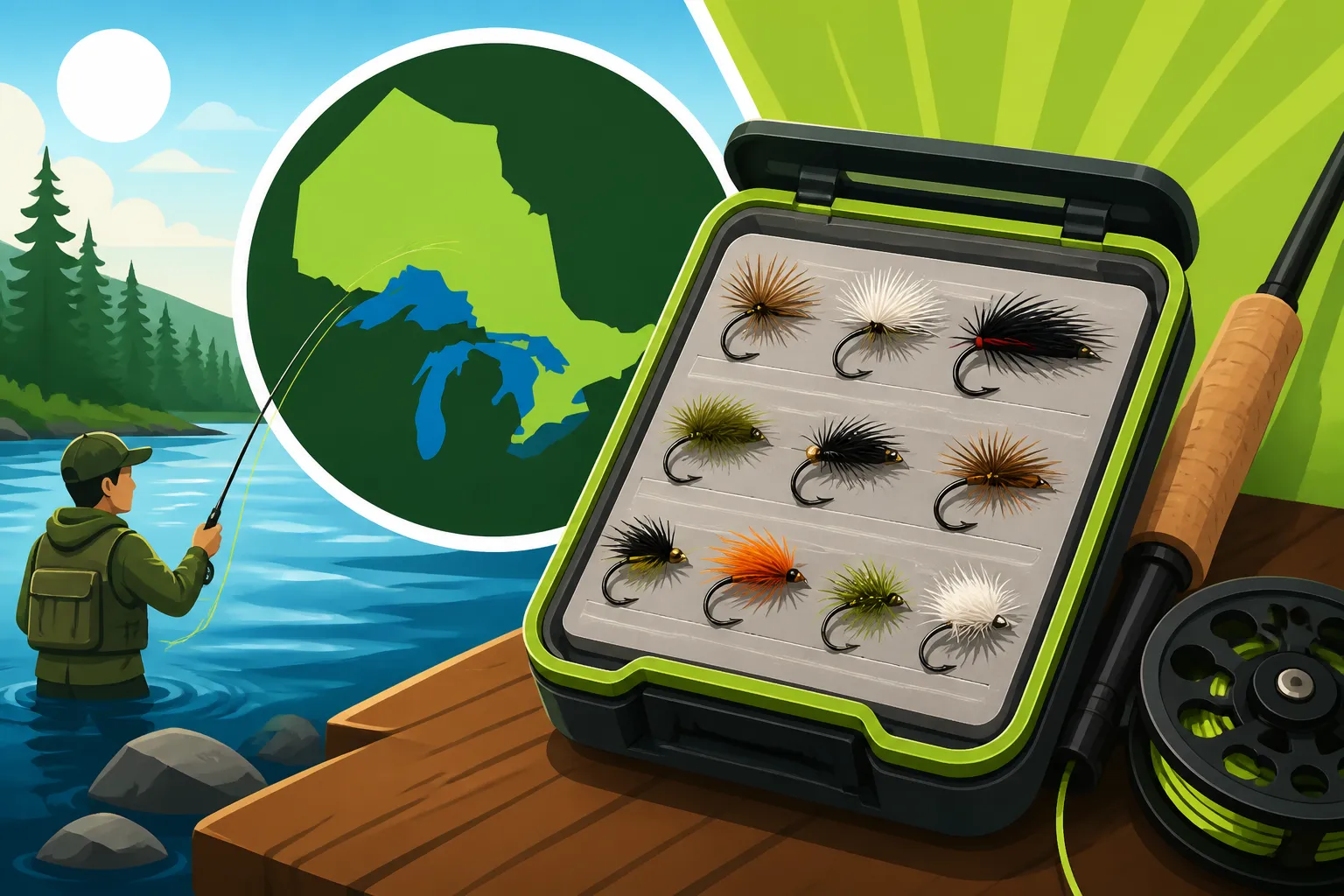
Many popular beginner boxes utilize high-density slit foam. This system involves rows of pre-cut slits into which you slide the hook bend of your fly. It's fantastic for holding individual flies securely, preventing tangles, and making it easy to see your entire collection at a glance. You can often find foam inserts with different slit densities – finer slits for tiny dry flies and larger, wider slits for bigger nymphs or streamers. This system is particularly good for dry flies and nymphs, as it keeps their delicate hackles and tails from getting crushed. A big advantage is that you can quickly scan for the right size and colour.
Magnetic Bottoms
Some boxes feature a magnetic base, which is superb for smaller, often heavier patterns like tungsten-beaded nymphs or tiny midge patterns. The magnets hold the flies in place by their metal components. This is also great for quickly dropping flies in without needing to carefully insert them into foam slits. However, it's not ideal for all types of flies, especially larger ones or those with delicate wings that might still get jostled. For a mixed collection, a combination of magnetic sections and foam can be quite effective.
Compartments
Boxes with individual clear compartments, sometimes adjustable, are useful for larger streamers, poppers, or even keeping specific "match-the-hatch" groupings separate. While not as common for typical trout flies due to potential tangling, they can be excellent for storing bigger bass or pike flies, or even for holding small accessories like split shot or indicators if your box is multi-purpose. For example, a larger compartment might be perfect for Best Crankbaits for Ontario Walleye if you're mixing up your species.
Size and Portability
The "best" size often depends on your fishing style and how many flies you anticipate carrying.
Pocket-Sized Options
For quick trips, wading small streams, or when you want to travel light, a compact, pocket-sized box is ideal. These are perfect for carrying a day's worth of essential patterns without adding bulk. They fit easily into a vest pocket or a small sling pack. If you're focusing on Fly Fishing for Trout in Ontario in specific areas with a known hatch, a small box with only those patterns is all you might need.
Medium-Sized All-Rounders
Most beginners will benefit from a medium-sized box. These offer enough capacity for a good range of dry flies, nymphs, and a few small streamers, suitable for a general day of fishing. They strike a good balance between capacity and portability, fitting well into a small backpack or a larger fishing vest. This size allows for versatility without becoming cumbersome. Many anglers keep a few of these, each dedicated to a different type of fishing or target species.
Large Storage Boxes
While not typically your first box, larger boxes are excellent for storing your entire collection at home or for extended multi-day trips where you need a vast array of options. They are less practical for on-the-water use due to their bulk. Think of these as your "master inventory" boxes, from which you select a smaller, more specialized collection for your daily fishing adventures. Bass Pro Shops often has a great selection of these larger storage solutions.
Different Types of Fly Boxes for Different Needs
As you delve deeper into fly fishing, you'll discover that there isn't a "one-size-fits-all" fly box. Different fishing scenarios and fly types truly benefit from specialized storage. Understanding these distinctions early on can help you make smarter choices as your collection grows.
Dry Fly Boxes
Dry flies are perhaps the most delicate of all fly patterns. Their primary purpose is to float on the water's surface, imitating adult insects like mayflies, caddis, or stoneflies. The hackle (feathers wrapped around the hook shank) and wings are crucial for this buoyancy and realistic profile. A dry fly box is designed to protect these fragile components. Look for boxes with soft, pliable slit foam that doesn't crush the hackle. Some dry fly boxes also feature individual compartments with clear lids, allowing you to quickly identify patterns without exposing them to the elements or crushing. The goal is to keep them airy and uncompressed. If you're spending a warm summer evening on a productive river doing Dry Fly Fishing Ontario Rivers, a specialized dry fly box is essential to ensure your patterns perform as they should.
Nymph and Wet Fly Boxes
Nymphs and wet flies are designed to be fished subsurface, imitating aquatic insect larvae, pupae, or drowned adult insects. While they might be less delicate than dry flies, their hooks and sometimes their beads or weights can be prone to tangling if not stored properly. Nymph boxes often feature denser slit foam or magnetic bottoms, which are excellent for securing heavier, bead-head nymphs. The slits are typically tighter to prevent smaller hooks from slipping out. Some boxes have a combination of foam and compartments, allowing you to store a variety of sizes and weights. When you're fishing conditions that call for patterns like those discussed in Euro Nymphing Ontario Trout Streams, having a box that keeps your weighted nymphs organized and easily accessible is paramount.
Streamer and Big Fly Boxes
Targeting larger fish like smallmouth bass, northern pike, or even muskellunge often means using bigger, bulkier flies – streamers, poppers, and articulated patterns. These flies simply won't fit well into a standard foam-slit box designed for trout nymphs. Streamer boxes are characterized by their deeper profiles and larger, often tougher, slit foam or peg systems. The foam is usually robust to handle larger hook sizes, and there's ample space to prevent the materials of the fly (like marabou or deer hair) from being crushed or matted down. Some big fly boxes might even have individual compartments, giving each large fly its own space. If you're heading out to target a big brown trout with patterns like Best Streamer Patterns for Ontario Brown Trout, or casting for bass on Best Bass Fishing Techniques for Georgian Bay, a dedicated streamer box is a must-have. These boxes also come in handy for storing large pike flies made from synthetic materials, which can take up a surprising amount of room.
| Fly Box Type | Best For | Key Features | Pros | Cons |
|---|---|---|---|---|
| Dry Fly Box | Delicate dry flies | Soft, pliable slit foam; clear lids; spacious cells | Protects hackle and wings; easy visibility; prevents crushing | Not ideal for heavy flies; less durable foam |
| Nymph/Wet Fly Box | Subsurface nymphs & wet flies | Denser slit foam; magnetic bottoms; robust build | Holds weighted flies securely; good for organization by weight/size | Can crush delicate dry flies; less space for bulky patterns |
| Streamer/Big Fly Box | Large streamers, poppers | Deep profile; tough, widely spaced foam slits or peg systems; large compartments | Accommodates bulky flies; prevents material crushing; durable | Bulky to carry; not suitable for tiny flies |
| All-Rounder/General | Mixed fly collections | Combination of foam, magnetic, or compartments; medium depth | Versatile for various fly types; good for beginners with diverse needs | May not perfectly optimize for any single fly type |
Building Your First Fly Collection for Your Box
You’ve got your shiny new fly box, but what goes in it? As a beginner, it's easy to get caught up in the hundreds of fly patterns available. However, for fishing in Ontario, a core selection of versatile patterns will get you started on streams, rivers, and lakes, allowing you to tackle a variety of species and conditions. Remember, you don't need every fly in the catalogue; a few proven workhorses are far more valuable.
Essential Dry Flies for Ontario Waters
Dry flies are thrilling because you get to see the fish take your offering right on the surface! When starting, focus on general imitations that represent common insects throughout the season.
- Elk Hair Caddis: This is an absolute staple. Caddisflies are abundant in Ontario's waterways, and this fly, in various sizes (e.g., #12, #14, #16), is a great all-around caddis imitation. It floats well and is relatively easy to see on the water.
- Adams (Parachute and Traditional): The Adams imitates a variety of mayflies. The Parachute Adams is particularly popular for beginners as the white post makes it very easy to spot on the water, even in choppy conditions. Sizes #12-18 are good starting points.
- Griffith's Gnat: A small, versatile fly that can imitate tiny midges or clusters of insects. Great for selective trout when nothing else seems to work. Sizes #16-20 are most common.
- Terrestrials (Hopper, Ant, Beetle): Don't forget land-based insects! During warmer months, grasshoppers, ants, and beetles often fall into the water. A few foam hoppers (size #10-14) or black foam ants (size #14-18) can be incredibly effective, especially on smaller streams or for opportunistic bass.
These patterns, in a range of sizes, will cover many scenarios you'll encounter on Ontario's trout streams, from the Grand River to smaller brooks in Algonquin Park. For more specific guidance, check out Fly Patterns for Ontario Trout Streams.
Go-To Nymphs and Wet Flies
Most of a trout's diet consists of subsurface insects, making nymphs and wet flies incredibly effective.
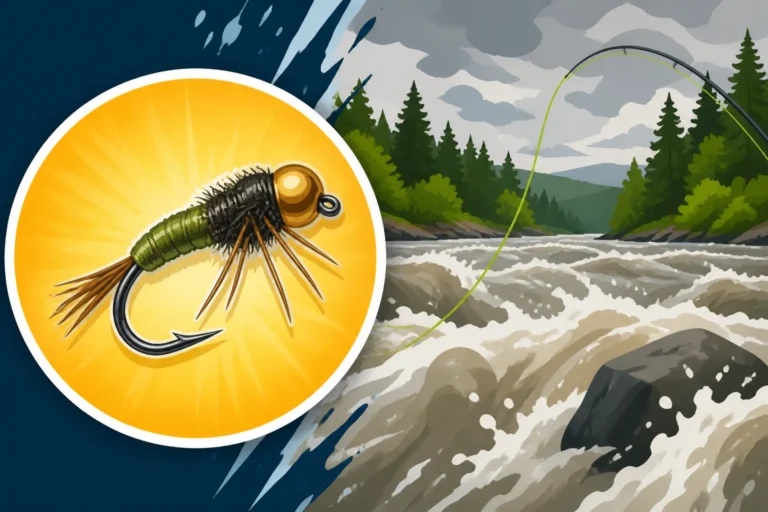
- Pheasant Tail Nymph: A classic for a reason, this highly versatile nymph imitates a wide array of mayfly nymphs. Carry them in bead-head and non-bead-head versions, in sizes #12-20. The bead-head versions get down faster in deeper or swifter water.
- Hare's Ear Nymph: Another fantastic general imitation, the Hare's Ear works for caddis, mayflies, and even some stoneflies. Like the Pheasant Tail, having them in both bead-head and traditional forms, sizes #10-18, is a smart move.
- Prince Nymph: With its distinctive white wings and peacock body, the Prince Nymph is a highly visible attractor pattern that often triggers strikes even when it doesn't perfectly match a natural insect. Sizes #10-16 are great for general use.
- Woolly Bugger: While technically a streamer, smaller Woolly Buggers (size #8-12, in black, olive, or brown) can be fished like nymphs or wet flies. They imitate baitfish, leeches, or large aquatic insects and are incredibly effective for trout, bass, and panfish in almost any water. If you're wondering how to fish this versatile pattern, How to fish a wooly bugger for trout is a great resource.
When buying, consider picking up a few duplicates of your favourite sizes, especially for nymphs, as they are prone to getting snagged on the bottom. Amazon and Bass Pro Shops are excellent places to find a wide array of these staple patterns.
Basic Streamers for Larger Fish
Even as a beginner focusing on trout, having a few small streamer patterns can open up opportunities for larger fish or different species.
- Clouser Minnow (Chartreuse/White, Olive/White): While often associated with saltwater, the Clouser Minnow is deadly for smallmouth bass, pike, and even aggressive trout in Ontario. It imitates baitfish perfectly and has an irresistible jigging action. Sizes #2-8 are versatile.
- Muddler Minnow: This classic pattern imitates sculpins, baitfish, and even large terrestrial insects. It's a great choice for both trout and smallmouth. Sizes #6-10 are a good starting point.
- Zonker (Rabbit Strip patterns): Zonkers, particularly in olive, black, or white, create incredible movement in the water, mimicking fleeing baitfish or leeches. They are fantastic for enticing bigger fish in lakes and rivers. Sizes #2-8 are commonly used.
These larger patterns might require a dedicated section in your fly box or a separate streamer box entirely, depending on their size. Remember that your fly selection will evolve as you gain experience and target specific species or water bodies, but this foundational collection is a superb start for any beginner in Ontario.
Organizing and Maintaining Your Fly Box
Getting the right fly box and filling it with patterns is only half the battle. To truly make it a functional tool that enhances your time on the water, you need a system for organizing and maintaining it. A little effort here goes a long way in preventing frustration and ensuring your flies are always ready for action.
Categorizing Your Flies Effectively
The way you arrange your flies within the box can drastically improve your efficiency. There are several popular methods, and the best one for you might be a combination.
- By Fly Type: This is a common and straightforward approach. Dedicate sections or even entire sides of your box to dry flies, nymphs, and streamers. Within those sections, you can further organize by size, making it easy to grab a #14 Elk Hair Caddis or a #18 Pheasant Tail Nymph without sifting through everything. Many anglers use different coloured foam in their boxes to visually separate these categories, for example, white foam for dry flies, grey for nymphs, and black for streamers.
- By Size: Regardless of type, arranging flies from largest to smallest, or vice-versa, makes it easy to quickly find the appropriate size when you're trying to match the hatch. This is especially useful for nymphs or dry flies that might have only subtle differences in size but are critical to a fish's preference.
- By Species/Target: If you primarily fish for trout but also do occasional trips for smallmouth bass, you might dedicate one side of a larger box (or a separate smaller box) to your bass poppers and streamers. This keeps your specialized patterns separate and prevents you from hauling unnecessary trout flies when bass fishing, and vice versa. For instance, you might have a dedicated selection for Best Techniques for Largemouth Bass in Ontario Ponds.
- By Colour: For certain patterns, like Woolly Buggers or Clouser Minnows, having them organized by colour (e.g., all black together, all olive together) can be very helpful when trying to present a specific hue.
The key is consistency. Once you decide on a system, stick to it! It makes resupplying and on-the-water selection much faster.
Post-Trip Maintenance for Longevity
Your fly box and its contents need attention after every fishing trip. Neglecting this can lead to rusted hooks, damaged flies, and a generally unpleasant experience next time you hit the water.
- Drying Wet Flies: This is critical. Never store wet flies in a closed box for extended periods. When you get home, open your fly box and let any damp flies air dry completely. If you fished in the rain or had flies in a fish's mouth, they are likely wet. You can often remove the flies and lay them out on a paper towel or an open tray to ensure they dry thoroughly. This prevents rust on hooks and preserves the natural materials on your flies.
- Inspecting and Replacing Damaged Flies: After a good day of fishing, inspect your used flies. Look for bent or dull hooks, frayed materials, or crushed hackles. A dull hook will not set properly, and a damaged fly will not perform as intended. Be ruthless – if a fly is beyond repair, replace it. Trying to fish with compromised patterns is a recipe for frustration. Consider keeping a small hook sharpener in your vest for minor touch-ups on the go, but heavily damaged hooks should be retired.
- Cleaning Your Box: Over time, dirt, grit, and even small bits of debris can accumulate in your fly box. Periodically, empty your box and give it a wipe down with a damp cloth, paying attention to the foam inserts to remove any lodged grime. This keeps your box looking good and prevents foreign particles from getting stuck in your fly materials.
- Inventory and Resupply: Before your next trip, especially after a successful outing where you might have lost a few favourites, take a quick inventory. What patterns did you use most? What did you run out of? Make a note of what needs replacing. This proactive approach ensures you're never caught short when the fish are biting. Stocking up on essential patterns from a retailer like Bass Pro Shops or through online options like Amazon can save you time and hassle.
By adopting these organizational and maintenance habits from the start, your beginner fly box will not only serve you well but will also become a trusted companion on countless Ontario fishing adventures. Taking care of your gear is part of being a responsible and successful angler.
Disclaimer
This article is for general informational purposes only and does not constitute professional advice. Laws, prices and regulations vary by location and change over time. Consult a qualified professional for guidance on your specific situation.