Best Techniques for Panfish in Ontario
There's nothing quite like a day spent chasing panfish in Ontario. Maybe you're a seasoned angler looking for consistent action, or perhaps you're introducing a youngster to the joys of fishing and want to guarantee some bites. Too often, these feisty, accessible species get overlooked in the quest for "trophy" fish, but I'm here to tell you that panfishing offers some of the most rewarding and downright fun experiences on our waters. This guide will walk you through the very best techniques to catch panfish across all four seasons in Ontario, ensuring your next outing is packed with bent rods and smiling faces.
Why Panfish Are Ontario's Unsung Heroes (and Why You Should Fish for Them)
Let's be honest, sometimes the pursuit of a giant walleye or a monstrous muskie can be, well, a little frustrating. Hours of casting, changing baits, moving spots, only to come up empty-handed. Panfish, on the other hand, are the reliable friends of the fishing world. They offer an incredible experience without the intense pressure, making them perfect for almost any angler.
The Accessible Angling Experience
One of the biggest draws of panfishing is how incredibly accessible it is. You don't need a fancy boat, thousands of dollars in electronics, or a degree in ichthyology to find and catch them. Panfish, like perch, crappie, bluegill, and sunfish, are often abundant in local ponds, small lakes, and accessible shorelines right across the province. This makes them the ultimate gateway fish for newcomers. Imagine the pure joy on a child's face when they feel that first tug on the line, or the relaxed satisfaction of casting from a dock on a warm summer evening, knowing a bite is likely just around the corner.
For many of us, panfish were our introduction to the sport, teaching us the basics of casting, setting the hook, and playing a fish. There's less intimidation involved, which allows anglers of all ages and skill levels to build confidence and genuinely enjoy their time outdoors. You can literally walk up to almost any public dock or pier on an Ontario lake, drop a line with a worm, and chances are you'll be into fish quickly. This low barrier to entry is invaluable, fostering a love for fishing that can last a lifetime.
Year-Round Fun and Consistent Action
Unlike some of our more elusive game fish that have very specific feeding windows or seasonal patterns, panfish offer pretty consistent action throughout the year. They are rarely "off the bite" for extended periods. This means that whether the ice has just melted in spring, the dog days of summer are upon us, the leaves are falling, or the lakes are frozen solid, you can almost always find panfish willing to cooperate.
During the warmer months, you can enjoy relaxed fishing from shore, a kayak, or a small boat. When winter arrives, panfish are often the backbone of the ice fishing season, providing endless entertainment and some much-needed cabin fever relief. Many anglers specifically target them through the ice because they school up, making them easier to locate, and they remain very active. This dependable nature makes them a fantastic target when you just want to get out, wet a line, and feel some tugs. If you're looking for consistent bites, look no further than panfish. You can dive deeper into the general patterns by checking out our guide on Ontario Fishing Seasons by Zone and Month.
Delicious Table Fare and the Conservation Aspect
Let's not forget one of the most practical reasons to target panfish: they are incredibly tasty! Many anglers consider yellow perch, black crappie, and even bluegill to be some of the finest eating fish our freshwater lakes offer. Their mild, flaky white meat is perfect for frying, baking, or incorporating into various recipes. There's a special satisfaction that comes from catching your own dinner, and panfish provide that opportunity in spades.
While they are excellent table fare, it's also important to practice responsible harvesting. Always check the local Ontario Fishing Regulations Explained for specific bag and possession limits for each species in your particular Ontario Fisheries Management Zones, Explained. Panfish populations are generally robust, but selective harvesting ensures that these fisheries remain healthy and productive for generations to come. Keep what you'll eat, and release the rest to fight another day. It's a wonderful way to teach good conservation habits while still enjoying the bounty of our waters.
Essential Gear for Chasing Panfish in Ontario
You don't need to break the bank to get into panfishing, which is another one of its many charms. In fact, keeping your gear light and simple is often the key to success. Forget the heavy-duty rods and expensive reels; for panfish, finesse is the name of the game.
Rods, Reels, and Line: Keeping it Light and Sensitive
When it comes to panfish, ultralight or light spinning gear is your best friend. This setup allows for exceptional sensitivity, letting you feel even the most subtle taps from these often-finicky biters.
- Rods: A 5 to 6.5-foot ultralight or light action spinning rod with a fast tip is ideal. The fast tip helps detect those light bites and provides excellent casting accuracy for small baits. Brands like Ugly Stik or St. Croix make fantastic, affordable ultralight rods that are perfect for panfish.
- Reels: Pair your rod with a small spinning reel (500 or 1000 size). It should be smooth, with a decent drag system, but it doesn't need to be expensive. Many reliable options are available on Amazon at very reasonable prices.
- Line: This is crucial. Stick with a 2 to 4-pound test monofilament or fluorocarbon line. Monofilament is a great all-around choice due to its stretch and knot strength, while fluorocarbon offers less stretch for increased sensitivity and is virtually invisible underwater. Braided line can be used, but you'll almost always want a fluorocarbon leader to mitigate its visibility and prevent fish from seeing your main line. A light line means more bites and a better fight from even modest panfish. For those just starting out, a good Best Rod and Reel Combo for Beginners often includes a light setup perfect for panfish.
The Small but Mighty Tackle Box
Your panfish tackle box should be compact but well-stocked with the essentials. Think small, subtle, and natural.
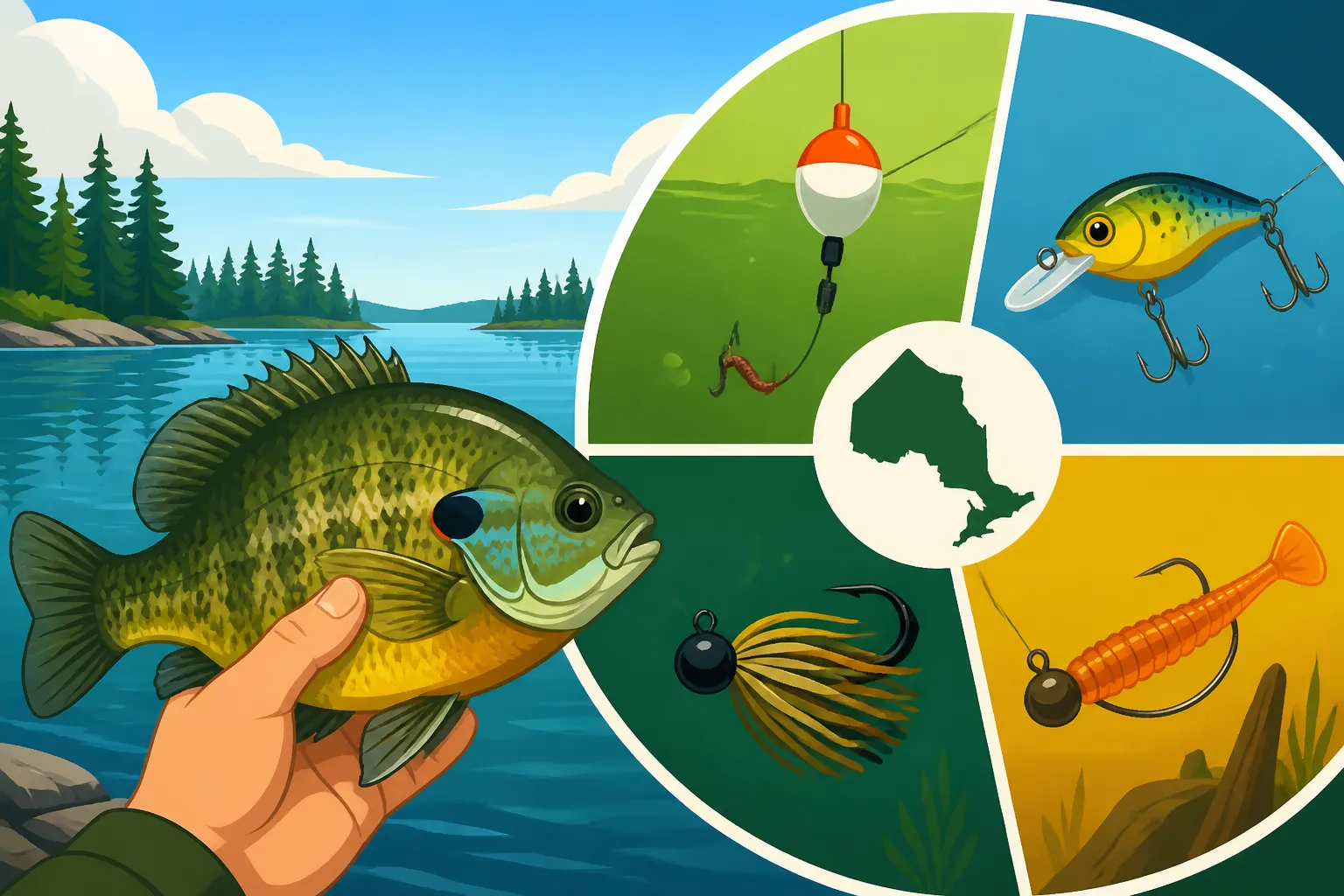
- Jigs: Tiny jigs are panfish magnets. Stock up on 1/32 to 1/16-ounce jigs in various colors. Marabou jigs, hair jigs, and small plastic tube jigs (1-2 inches) are incredibly effective. White, black, chartreuse, pink, and motor oil are classic colors that consistently produce. Brands like Berkley PowerBait and Gulp! offer scented micro-plastics that can make a huge difference, especially when fish are shy.
- Bobbers: A small, sensitive bobber is key for visual bite detection. Slip bobbers are fantastic as they allow you to fish at any depth, which is super important when trying to locate schools of crappie or perch. Small clip-on bobbers work well for shallower presentations.
- Hooks and Sinkers: Tiny Aberdeen hooks (size 8 to 12) are perfect for live bait, as their fine wire won't damage delicate worms or minnows too much. Split shots (various small sizes) will help get your bait down to the desired depth quickly without impeding the natural action of your presentation.
- Other Essentials: Don't forget a small pair of needle-nose pliers or hemostats for hook removal, a small pair of nail clippers for trimming line, and a ruler or tape measure to check regulations if there's a size limit. For a more comprehensive look at what to pack, check out our guide on Best Tackle for Panfish.
Live Bait and Other Temptations
While artificial lures are effective, sometimes nothing beats live bait for panfish. They are opportunistic feeders, and a natural offering is often irresistible.
- Worms: The classic. Earthworms, nightcrawlers (pinched in half for smaller mouths), and red wigglers are universally appealing. They can be threaded onto a small hook under a bobber or fished directly on the bottom with a small sinker. Worms are easy to find, affordable, and almost guaranteed to get bites.
- Minnows: Small minnows (shiners, fatheads, or emerald shiners) are deadly for larger crappie and perch, especially during cooler water periods. Hook them lightly through the lips or dorsal fin and suspend them under a bobber or fish them on a simple jig head. Many bait shops across Ontario carry fresh minnows.
- Maggots and Wax Worms: These small, wiggly baits are particularly effective in cold water, making them an ice fishing staple. Tip a tiny jig with a maggot or wax worm, and you've got a irresistible offering for perch and crappie. Their small size makes them perfect for panfish with smaller mouths.
- Prepared Baits: While less common for panfish, sometimes commercially prepared dough baits or PowerBait nuggets can work, especially for stocked trout that might also be found in panfish waters. However, stick with the natural live baits for consistent results.
Top Techniques for Panfish Success, Season by Season
Panfish are active year-round, but your approach might need a slight tweak depending on the season. Understanding their seasonal movements and preferences will dramatically increase your success.
Spring: The Shallow Water Feast
As the ice retreats and water temperatures begin to climb, panfish, especially crappie and bluegill, move into the shallower, warmer waters to spawn. This is arguably the easiest time to target them, as they become concentrated and aggressive.
During early spring, focus your efforts on northern bays and shallow coves that warm up first. These areas will attract baitfish and insects, drawing in hungry panfish. Look for areas with emergent vegetation like cattails, lily pads, or submerged wood. A small jig (1/32 or 1/16 oz) tipped with a minnow, a small plastic grub, or a piece of worm suspended under a slip bobber is incredibly effective. Cast it out, let it sit for a moment, then give it a subtle twitch. Sometimes a slow, steady retrieve with a tiny spinnerbait or crankbait can also trigger strikes. This post-ice-out period is often a fantastic time for species like crappie to feed heavily.
As spring progresses and water temperatures hit the mid-50s to low 60s Fahrenheit, panfish will be actively spawning. Bluegill and sunfish will create circular "beds" in shallow, sandy, or gravelly areas. Crappie will often spawn around submerged brush, docks, or deadfall. During this time, they are very protective and will strike anything that comes near their nests. A simple hook and worm or a tiny jig presented near these spawning areas can lead to non-stop action. Just be mindful of ethical angling practices during spawning periods; consider catch and release after you've harvested what you need. Many of the same principles apply when considering techniques for other spring species, which you can learn about in our Spring Walleye Fishing Techniques for Ontario guide.
Summer: Deeper Dwellers and Evening Bites
When the dog days of summer arrive and water temperatures soar, panfish will generally seek out cooler, deeper waters, or move into thicker, shadier cover. They don't disappear, but you'll need to adjust your tactics.
During the daytime, look for panfish to school up on weed lines, along drop-offs, or around deep-water structures like submerged rock piles, humps, or old cribs. Crappie, in particular, will often suspend in deeper water over open areas, following baitfish. Using a boat with a fish finder can be a huge advantage here to locate these schools. Once found, vertical jigging with a small spoon or a jig-and-minnow combination can be very productive. Alternatively, a slip bobber rig set deep, allowing your live minnow or worm to hover just above the fish, can also entice strikes. The same kind of deep-water principles apply when you're exploring Best Techniques for Deep Water Summer Lake Trout.
As evening approaches and into the night, panfish will often move back into shallower areas to feed under the cover of darkness. This is especially true for crappie, which are known for their strong night bite. Fishing under lights (either boat lights or shoreline lights) can attract insects and minnows, which in turn attract crappie and perch. A small jig or a minnow suspended under a lighted bobber can be incredibly effective during these low-light periods. Summer panfishing can be a relaxing affair, offering great opportunities for family fishing trips during long, warm evenings.
Fall: Feeding Frenzy Before the Freeze
Autumn is often an overlooked gem for panfishing, but it can be one of the most productive times of the year. As water temperatures drop, panfish sense the approaching winter and go on a major feeding binge to bulk up.
During early fall, panfish will still be found around weed lines and structures, but they might be a bit more spread out. As the water cools further, they will start to congregate in deeper bays and channels, often associating with areas that have a mix of weeds and rock. This is a time when they are incredibly aggressive and willing to chase down a bait. Small crankbaits, inline spinners, and jigging spoons can be very effective, allowing you to cover more water and trigger reaction strikes. Don't be afraid to use slightly larger baits than you would in spring or summer, as they're looking for substantial meals.
Late fall, just before ice-up, can be phenomenal. Panfish will stack up in predictable deeper holes, basin areas, and around major structures. Locating these schools with electronics is key. Once you find them, vertical jigging with tiny spoons or a jig tipped with a minnow or worm can lead to non-stop action. These pre-winter congregations offer a last chance to stock up the freezer for many anglers.
Winter: Ice Fishing for Panfish
For many Ontario anglers, panfish are synonymous with ice fishing. When the lakes freeze over, these hardy fish provide endless entertainment and a delicious reward. If you're new to the sport, our comprehensive Ice Fishing in Ontario guide is a great place to start, and for specific locations, check out Best Ice Fishing Lakes in Ontario.
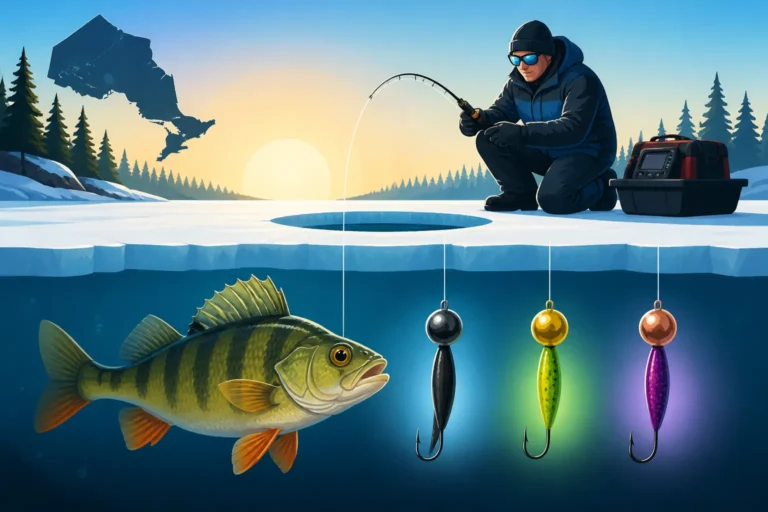
The key to ice fishing for panfish is finding the schools. They tend to congregate in deeper sections of bays, along the edges of weed beds, or over deep humps and holes. A flasher or an ice fishing sonar unit is incredibly helpful for locating fish and watching your bait. Once you find a school, drill several holes in the vicinity to cover the area.
Small jigs, often tipped with live bait like maggots, wax worms, or a small piece of minnow, are the go-to. Tiny spoons, often in metallic colors or bright glow patterns, are also highly effective. The technique is typically vertical jigging: drop your bait to the depth where you're seeing fish on your electronics, then gently lift and drop your rod tip, varying the speed and intensity until you find what the fish prefer. A slight quiver or holding the bait perfectly still can often be the trigger. Remember to pack warm clothes and maybe even an ice hut for comfort, especially on colder days. For more specific tactics, you might find our article on Jigging for Perch Through the Ice very helpful.
Where to Find Panfish in Ontario's Diverse Waters
Ontario boasts an incredible variety of waters, from small ponds to vast Great Lakes, and panfish can be found in almost all of them. Knowing their preferred habitats will help you pinpoint your efforts.
Weed Beds, Docks, and Submerged Structure
Panfish are almost universally attracted to cover. Weed beds, especially those with varying depths or "holes" within them, provide excellent ambush points, protection from predators, and a rich food source of insects and smaller baitfish. Look for the edges of dense weed beds or areas where different types of vegetation meet.
Docks, piers, and other man-made structures are also panfish magnets. They offer shade, cover, and often have submerged posts or debris that fish love to hide around. Don't be afraid to cast right up against dock pilings or the shaded areas underneath. Similarly, submerged brush piles, fallen trees (also known as laydowns), and rock piles are prime real estate for panfish. These structures break up the current, provide shelter, and attract invertebrates, making them perfect feeding grounds. A small jig worked slowly through these areas can be deadly. You can often find fantastic opportunities near shore, even in public parks; many Ontario Provincial Park Fishing Guide locations offer excellent panfishing.
Shallow Bays and Inlets
During the spring and early summer, shallow bays and inlets are teeming with panfish. These areas warm up quickly, making them ideal for spawning and early season feeding. Look for bays with dark bottoms, which absorb more sunlight, and areas with some emergent vegetation.
These spots are also often protected from the main body of the lake, offering calmer waters where panfish can feed and reproduce without as much disruption. Small, slow-moving rivers and creeks that feed into larger lakes can also be phenomenal panfish spots, especially near their mouths where they widen into a bay. These areas are accessible to bank anglers and often provide fantastic opportunities from a kayak or canoe. If you're exploring different types of waters, our Best Kayak Fishing Spots in Ontario offers some great ideas.
Open Water Schools and Drop-offs
While panfish are often associated with shallow cover, some species, particularly crappie and yellow perch, will school up in open water, especially during the summer and winter months. These schools will often be found suspended over deeper basins, following schools of baitfish, or cruising along distinct drop-offs.
This is where electronics become incredibly useful. A good fish finder can help you locate these suspended schools or identify the contours of a drop-off. Once you find them, vertical jigging or slow-trolling with small jigs or live minnows can be extremely effective. Drop-offs, where shallow water quickly transitions to deeper water, are natural highways for fish and often hold both feeding panfish and the predators that hunt them. Understanding how to locate these deeper schools is particularly important for crappie, as detailed in our guide on How to Locate Crappie in Ontario lakes. Many of Ontario's Best Fishing Lakes in Ontario will have areas perfect for targeting these open-water panfish.
Common Panfish Species and How to Identify Them
Ontario is home to several popular panfish species, each with its own characteristics and preferred habitats. While techniques often overlap, knowing what you're targeting can help refine your approach. If you're interested in a broader view, check out our hub page on Panfish Fishing in Ontario.
Yellow Perch: The Striped Delicacy
Yellow perch are perhaps the most popular panfish in Ontario, especially for ice fishing and their delicious table fare. They are easily recognizable by their greenish-yellow bodies with 6-8 distinct dark vertical bars on their sides, and bright orange lower fins.
You'll find yellow perch in a wide variety of habitats, from shallow weedy bays to deep, open-water basins. They prefer clear to slightly turbid water and are often found in large schools. During the spring, they spawn in shallow, vegetated areas, and throughout the summer, they can be found along weed lines, drop-offs, and humps. In winter, they congregate in large schools in deeper basins. Small jigs, minnows, and worms are all highly effective for perch. They are particularly abundant in large systems like Lake Erie and Lake Simcoe, where they are a staple for anglers. Learn more about them in Yellow Perch in Lake Erie and Lake Simcoe.
Crappie: Black and White Beauties
Ontario is home to both black crappie and (less commonly) white crappie, though black crappie are far more prevalent. These fish have deep, slab-sided bodies and are silvery-white with distinct black mottling or spots, appearing almost like camouflage. Black crappie typically have 7-8 dorsal spines, while white crappie have 5-6. They are known for their delicate, flaky meat and their strong schooling behavior.
Crappie prefer clear, calm water with plenty of submerged structure like fallen trees, brush piles, dock pilings, and weed beds. They often suspend in the water column, especially during the day, making them a prime target for vertical jigging or slow-trolling. They feed heavily on small minnows and insects. Their bite can be incredibly subtle, often feeling like just a slight pressure or a "tick" on the line, which is why sensitive gear is so important. Black crappie are particularly active at dawn, dusk, and even into the night. You can find more specific details on them in our article on Black Crappie in Ontario Lakes.
Bluegill and Pumpkinseed: Sunny Favorites
Bluegill and pumpkinseed are often lumped together as "sunfish" and are a staple for pond fishing and introducing kids to the sport. They are vibrant, colorful fish, with bluegill typically having a dark spot on their dorsal fin and a distinct "ear flap" that's dark blue or black, sometimes with a bright orange edge. Pumpkinseeds are even more ornate, with wavy blue lines on their cheeks and a red spot on their operculum (gill cover).
These fish are typically found in shallow, warm, weedy areas of lakes, ponds, and slow-moving rivers. They are very prolific and often create large spawning beds close to shore. They feed primarily on insects, small crustaceans, and plant matter. Bluegill and pumpkinseed are aggressive biters and will readily take small worms, maggots, or tiny artificial baits. They are perfect for a simple bobber and worm setup, providing consistent action and a lot of fun. They might not get as big as perch or crappie, but what they lack in size, they make up for in fight and beauty. To learn more about where to find them, see Bluegill Habits in Ontario Ponds.
Rock Bass: Feisty and Fun
Often mistaken for other panfish, the rock bass is a distinctive member of the sunfish family. They have a more robust, chunky body compared to a bluegill, with a reddish-brown to olive green coloration, often with dark spots forming rows along their sides, and prominent red eyes.
As their name suggests, rock bass absolutely love rocky habitats. You'll find them around rocky shorelines, rip-rap, breakwalls, shoals, and submerged rock piles in lakes and rivers. They are very opportunistic feeders, preying on insects, crayfish, and small minnows. Rock bass are known for being aggressive and feisty fighters, especially on light tackle. They'll readily strike small jigs, spinners, crankbaits, or live bait like worms and minnows. While not always considered premium table fare like perch or crappie, they are a blast to catch and are often caught incidentally while targeting other species.
Here's a quick comparison of panfish characteristics and preferred baits:
| Species | Key Identification | Preferred Habitat | Common Baits | Optimal Rod/Line |
|---|---|---|---|---|
| Yellow Perch | Green-yellow, 6-8 dark bars, orange fins | Weeds, drop-offs, open water schools | Minnows, worms, tiny spoons, tube jigs | Ultralight, 2-4lb mono/fluoro |
| Black Crappie | Deep body, black mottling, 7-8 dorsal spines | Submerged wood, docks, weed edges, suspended | Minnows, tiny jigs (marabou, tube) | Ultralight, 2-4lb mono/fluoro |
| Bluegill | Dark spot on dorsal, blue/black "ear" with orange edge | Shallow weeds, docks, slow rivers | Worms, maggots, tiny poppers, fly lures | Ultralight, 2-4lb mono/fluoro |
| Pumpkinseed | Wavy blue lines on cheeks, red spot on operculum | Very shallow weeds, lily pads, structure | Worms, maggots, tiny spinners | Ultralight, 2-4lb mono/fluoro |
| Rock Bass | Chunky body, red eyes, dark spots in rows | Rocky areas, rip-rap, shoals | Worms, small jigs, spinners, crankbaits | Light action, 4-6lb mono/fluoro |
Disclaimer
The information provided in this guide is for general informational purposes only and does not constitute legal advice. Fishing regulations in Ontario can change, and it is the sole responsibility of the angler to consult the most current official Ontario Fishing Regulations Summary and obtain the necessary licenses before fishing. Always prioritize safety on the water and adhere to all local guidelines.