Best Kayak Fishing Spots in Ontario
There's nothing quite like the freedom and intimacy that comes with exploring Ontario's incredible waterways from the seat of a kayak. However, with thousands of lakes and rivers sprawling across the province, pinpointing the best spots for kayak fishing can feel like trying to find a needle in a very large, beautiful haystack. This comprehensive guide will navigate you through some of Ontario's most phenomenal kayak fishing destinations, offering the insights you need to plan your next successful and unforgettable angling adventure.
Why Kayak Fishing in Ontario is So Special
Kayak fishing isn't just a way to get on the water; it's an experience that deeply connects you with nature, offering unique advantages that traditional boats simply can't match. It's about stealth, access, and feeling every surge and tug in a way that truly amplifies the angling thrill.
Unparalleled Access to Secluded Waters
One of the most significant advantages of kayak fishing in Ontario is the incredible access it grants you. Think about it: how many times have you been driving past a beautiful, seemingly untouched bay or a narrow river channel, knowing a big boat couldn't possibly get in there? With a kayak, those hidden gems become your personal fishing grounds. You can launch from virtually anywhere – a small pull-off on a quiet road, a sandy beach, or even put in right below a small culvert.
This means reaching those tucked-away coves filled with lily pads where largemouth bass love to hide, or navigating tight bends on a river that hold elusive smallmouth. You're not restricted by boat ramps, depth charts, or the noise of a motor. The quiet approach of a kayak allows you to sneak up on unsuspecting fish, presenting your bait or lure without spooking them. It's an immersive experience, where the only sounds are your paddle dipping, the birds singing, and perhaps the splash of a rising fish. This tranquil setting also provides fantastic opportunities for wildlife viewing, often getting you closer to waterfowl, deer, or even moose than you'd ever get in a louder craft.
The Thrill of the Fight on a Small Craft
If you've ever hooked into a decent fish from a kayak, you know exactly what I'm talking about. The fight is magnified tenfold! When you're essentially sitting right on the water, inches from the action, every head shake, every dive, every powerful run feels incredibly intense. A five-pound smallmouth bass can feel like a genuine leviathan, pulling your entire craft around with surprising force.
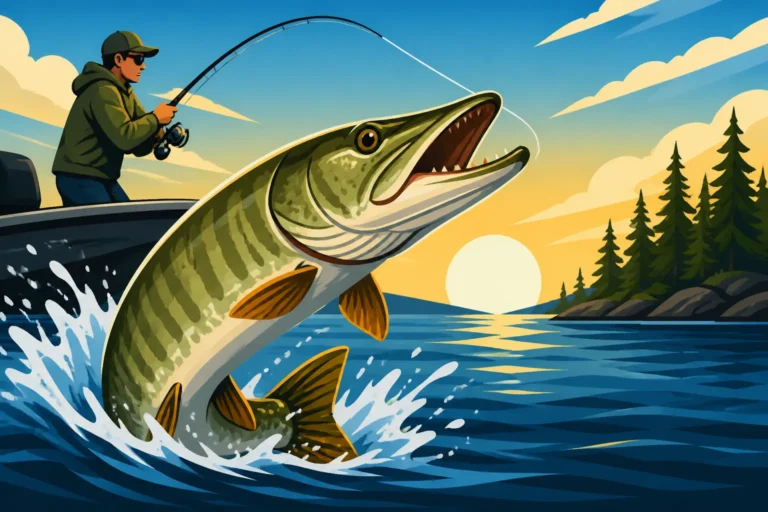
Imagine tangling with a powerful muskie or a deep-diving lake trout while tethered to a small, nimble kayak. It's a test of skill, patience, and often, a core workout! This intimate connection to the fish and the water creates an adrenaline rush that's hard to replicate in a larger, more stable boat. You become part of the battle, often having to paddle to follow a running fish or adjust your position to avoid snags. It's a true angler's challenge and an immensely rewarding experience when you finally bring that fish alongside your 'yak.
Essential Considerations for Kayak Fishing in Ontario
Before you even think about launching your kayak into Ontario's beautiful waters, it's crucial to be prepared. Kayak fishing, while incredibly rewarding, demands a different level of planning and awareness compared to fishing from shore or a larger powerboat.
Safety First: Gear and Planning
Safety should always be your top priority. Ontario's waters, especially the larger lakes and rivers, can be unpredictable, and a kayak offers far less protection than a full-sized boat. First and foremost, you absolutely need a Canadian-approved personal flotation device (PFD) or life jacket. And it's not enough to just have it on board; you should be wearing it. Trust me, even strong swimmers can get into trouble if they suddenly capsize in cold water or strong currents. For more details on what's required, take a look at our guide on Life Jacket Requirements for Ontario Boaters.
Beyond your PFD, ensure your kayak is equipped with all the necessary safety gear: a sound-signaling device (like a whistle), a bailing device (sponge or pump), a throw rope, and a watertight flashlight if there's any chance you'll be out after dark or in low visibility. A paddle leash is also a non-negotiable item; losing your paddle on a windy lake can quickly turn into a serious situation. It's also wise to carry a fully charged cell phone in a waterproof case, or even better, a marine radio, especially if you're venturing into more remote areas without reliable cell service. Always let someone know your float plan – where you're going, when you expect to return, and what your emergency contacts are. This simple step could be a lifesaver. Being informed about Ontario Boating Laws for Anglers will also ensure you're compliant with all regulations before you hit the water.
Choosing the Right Kayak for Ontario's Diverse Waters
Ontario presents a huge variety of fishing environments, from vast Great Lakes expanses to narrow, winding rivers and countless inland lakes. The "best" kayak truly depends on where and how you plan to fish. For general fishing on smaller to medium-sized lakes and calmer rivers, a versatile sit-on-top kayak like those from Old Town or Wilderness Systems often strikes a great balance. They offer good stability, are easy to get in and out of, and often have ample storage for gear.
If you're tackling larger waters or prefer hands-free fishing for casting, a pedal-drive kayak from brands like Hobie can be a game-changer. These allow you to maintain position or troll without using a paddle, freeing up your hands for fishing. However, they are typically heavier and pricier. Sit-in kayaks, while less common for dedicated fishing, can be excellent for colder weather or swift rivers where you want more protection from the elements, though they offer less deck space for gear. When making your choice, consider stability for standing (if that's important to you), storage capacity for tackle and catch, and how easily you can transport it. You can dive deeper into this topic with our dedicated guide on the Best Kayaks for Ontario Fishing.
Packing Smart: Essential Tackle and Accessories
When kayak fishing, every inch of space is precious, and every ounce counts. You can't just throw all your tackle boxes into a boat like you might with a larger craft. Smart packing is key. Focus on a few essential rods and reels for the species you're targeting. A small, organized tackle bag or box is ideal, containing only the lures and baits you anticipate needing for the day. Waterproof dry bags are your best friend for protecting electronics, extra clothing, and snacks.
Consider compact accessories that enhance your experience without adding bulk. A small, portable fish finder can be invaluable for locating structure and fish, especially in deeper lakes. A good anchor system, often a lightweight grapnel anchor with a trolley system, is crucial for holding your position in wind or current. Pliers, line clippers, and a small net designed for kayak use are also must-haves. For a more detailed breakdown of what to bring, check out our insights on the Best Tackle Box Setup for Ontario Anglers. Remember, less is often more when you're limited by space and need to portage or carry your gear.
Top Kayak Fishing Spots: Southern Ontario Gems
Southern Ontario, often thought of as the most populated region, actually boasts a surprising array of fantastic kayak fishing opportunities, from multi-lake systems to renowned rivers, offering incredible diversity for the paddling angler.
Kawartha Lakes: Panfish, Bass, and Walleye Havens
The Kawartha Lakes region is a true paradise for kayak anglers, offering a chain of interconnected lakes that are relatively shallow and rich in diverse fish species. Lakes like Chemong, Pigeon, and Scugog are fantastic for exploring by kayak. Their numerous weed lines, lily pad fields, shallow bays, and submerged structures provide perfect ambush points for largemouth bass, and the rocky points and shoals hold plenty of feisty smallmouth. These lakes are also known for their abundant panfish, including crappie and bluegill, making them ideal for a relaxed day of catching.
For those targeting walleye, the Kawarthas also offer excellent opportunities, especially around current breaks and deeper sections near channels. The relatively calm waters and countless nooks and crannies make these lakes exceptionally well-suited for silent kayak exploration. You can spend hours drifting along shorelines, casting to visible structure, or quietly working a jig through a weed bed without ever having to worry about boat traffic. For those looking to explore with a local expert, resources like FishingBooker can connect you with experienced guides who can show you the ropes and point out prime spots, giving you a head start for your kayak adventures. Our comprehensive Kawartha Lakes Fishing Guide offers even more detailed information on specific lakes and species.
Lake Simcoe: Jumbo Perch and Lake Trout Opportunities
Lake Simcoe, while a large lake, offers some truly phenomenal kayak fishing, especially in its shallower bays and closer to shorelines. It’s famous for its "jumbo" perch, and many of the shallower, weedy areas are perfect for a stealthy kayak approach. Early morning or late evening often sees these perch aggressively feeding, and a kayak allows you to quietly slip into the most productive zones.
Beyond perch, Lake Simcoe is also a renowned lake trout fishery. While targeting lake trout typically involves deeper water and trolling, adventurous kayak anglers with the right gear can certainly get in on the action. Think about targeting points and humps that drop off into deeper water, especially in the spring and fall when these fish are shallower. Just be mindful of weather conditions on this larger lake; strong winds can whip up quickly. Stick to calmer days and areas that offer some protection from the elements. To get a better grasp of this fantastic lake, be sure to check out our detailed Lake Simcoe Fishing Guide.
Grand River: Trout and Smallmouth Bass Flowages
The Grand River, a Canadian Heritage River, offers a completely different kayak fishing experience: moving water. This river is famous for its excellent trout fishing, particularly brown trout and rainbow trout in its upper reaches. Kayak anglers can put in at various access points and drift downstream, casting dry flies, nymphs, or small spinners to holding water. The quiet nature of a kayak is a huge asset here, as trout are notoriously spooky.
Further downstream, the Grand transforms into an incredible smallmouth bass fishery. The river's varied structure – rocky bottom, submerged logs, current breaks, and deep pools – creates ideal habitat for these hard-fighting fish. Kayak fishing the Grand requires a bit more skill in reading currents and navigating potential hazards, but the rewards are well worth it. You can cover significant stretches of water, accessing spots that shore anglers can only dream of. Always scout your route, be aware of any rapids or dams, and plan your take-out points in advance.
Premier Kayak Fishing Spots: Central and Eastern Ontario
Moving slightly north and east, Ontario continues to impress with vast wilderness areas, expansive bays, and historic river systems that are perfect for kayak angling, albeit sometimes requiring a bit more planning due to their sheer size and ruggedness.
Georgian Bay: Muskie and Smallmouth Bass Paradise
Georgian Bay, part of Lake Huron, is an absolutely breathtaking and legendary fishing destination. While its vastness can be intimidating, certain areas are exceptional for kayak fishing, particularly for the province's most sought-after sportfish: muskie and smallmouth bass. The thousands of islands, rocky shorelines, and clear waters provide endless opportunities for kayak anglers to explore. Targeting muskie from a kayak here is an intense experience; imagine a 50-inch fish charging your boat! Early mornings and evenings, casting large bucktails or glide baits around rocky points and weed edges, can be incredibly productive. For an in-depth look at this thrilling fishery, read our Georgian Bay Muskie Fishing guide.
Smallmouth bass fishing on Georgian Bay is equally stellar. They congregate around rocky islands, shoals, and transitions from rock to sand. Kayaks excel at quietly approaching these structures and meticulously working them with finesse baits or topwaters. However, be acutely aware of weather conditions on Georgian Bay; it's big water and can get very rough very quickly. Stick to protected inner bays and channels on windy days, and always have a marine weather forecast at hand. If the conditions on Georgian Bay feel a bit too wild for solo kayak venturing, or you want to maximize your chances, a guide found through platforms like FishingBooker might be a worthwhile consideration for a bigger boat experience, offering insights you can later apply to your kayak trips.
Rideau Lakes System: Largemouth and Pike Adventures
The historic Rideau Canal System, a UNESCO World Heritage Site, is a series of lakes and rivers connected by canals and locks, offering a truly unique kayak fishing experience. This system is a prime destination for largemouth bass and northern pike. The interconnected nature means you can embark on multi-day paddling and fishing trips, exploring different lakes and stretches of river each day.
The Rideau Lakes are characterized by abundant aquatic vegetation, docks, fallen timber, and rocky shorelines – all prime habitat for both largemouth bass and pike. Kayaks are perfect for silently working these covers, pitching jigs, plastics, or topwater frogs into the thick stuff for aggressive largemouth. Pike can be found lurking in deeper weed edges or ambush points. The calm, often sheltered waters make it a very relaxing place to kayak fish, allowing you to focus on the angling. Our Rideau Lakes Fishing Spots guide can help you pinpoint some key areas within this expansive system.
French River: Wilderness Fishing for Multi-Species
Flowing from Lake Nipissing to Georgian Bay, the French River offers a rugged, wilderness kayak fishing adventure. This river is known for its incredible diversity, holding muskie, walleye, smallmouth bass, and northern pike in abundance. The river's landscape ranges from wide, open sections to narrow, rocky channels and numerous rapids (some portages required).
Kayak anglers can target smallmouth bass around rocky islands and current breaks, walleye in deeper pools and eddies, and muskie and pike along weed lines and timber. The sheer remoteness in many sections means you often have the water to yourself, enhancing the wilderness experience. While challenging, navigating the French River by kayak is deeply rewarding. Understanding the currents and planning your route carefully, including any necessary portages, is essential. For more detailed information on navigating and fishing this incredible waterway, consider reading our French River Fishing Guide and specifically on Float Fishing the French River.
Northern Ontario: Remote Kayak Fishing Expeditions
Northern Ontario is a vast, untamed wilderness dotted with countless lakes and rivers, offering some of the most remote and rewarding kayak fishing experiences in the province. These trips often require more planning, preparation, and a spirit of adventure.
Lake of the Woods: Endless Islands and Trophy Fish
Lake of the Woods, straddling the border with Manitoba and the U.S., is a colossal body of water with over 14,500 islands. It's legendary for its trophy-class walleye, muskie, northern pike, and smallmouth bass. Kayak fishing here is about embracing the vastness and picking specific, sheltered areas to explore. While the main lake can be intimidating due to its size and potential for rough water, the countless bays, channels, and smaller, interconnected lakes offer endless opportunities for a kayak angler.
Focus on specific island chains, working rocky points for smallmouth, or drifting through calmer bays for walleye. Muskie can be found lurking along expansive weed beds or rocky outcrops. The sheer scale of the lake means you could spend a lifetime exploring it by kayak. However, navigation is crucial; a reliable GPS unit with detailed mapping is a necessity. Weather can change quickly, so vigilance and conservative planning are paramount. For those planning a trip to this iconic destination, our Lake of the Woods Fishing Guide offers excellent insights.
Algonquin Provincial Park: Backcountry Trout Fishing
For a truly immersive, backcountry kayak fishing experience, Algonquin Provincial Park is unparalleled. The park is renowned for its brook trout and lake trout fishing, particularly in its interior lakes. Kayak fishing in Algonquin often involves portaging your kayak and gear between lakes, traversing rugged trails through pristine wilderness. This isn't for the faint of heart, but the rewards are immense: crystal-clear lakes teeming with wild trout, often with no other anglers in sight.
A lightweight, durable kayak or canoe is essential for navigating the portages. Focus on smaller, deeper lakes for lake trout, and cold, spring-fed lakes for brook trout. The best fishing often occurs in the spring and fall when these cold-water species are more active in shallower water. This is an experience that combines paddling, camping, and fishing into one unforgettable adventure, offering true solitude and a chance to connect with nature on a profound level. Before you go, be sure to consult our Algonquin Park Fishing Guide for regulations and more specific advice.
Superior's North Shore: Coldwater Charms
The north shore of Lake Superior presents a rugged, dramatic landscape and truly unique kayak fishing opportunities. While Lake Superior itself is often too vast and unpredictable for general kayak fishing, its countless smaller bays, protected inlets, and numerous cold-water tributaries offer excellent angling for lake trout, brook trout, and even migratory salmon and steelhead at certain times of the year.
Kayakers can launch in sheltered harbors and explore the dramatic cliff faces, pristine beaches, and river mouths that dot the shoreline. Trolling for lake trout in the clearer, shallower waters of protected bays, or targeting brook trout in the smaller, cold streams that flow into Superior, can be incredibly rewarding. This area is known for its challenging conditions, including very cold water, so proper gear like dry suits and meticulous safety planning are absolutely critical. The scenery alone is worth the trip, but the fishing can be spectacular for those prepared for the adventure.
Top Kayak Fishing Spots in Ontario: Quick Reference
| Region | Spot | Primary Species Targeted | Kayak Skill Level | Notes |
|---|---|---|---|---|
| Southern | Kawartha Lakes | Largemouth Bass, Walleye, Panfish | Beginner-Intermediate | Calm, interconnected lakes, great for diverse fishing. |
| Lake Simcoe (Bays) | Jumbo Perch, Smallmouth Bass | Beginner-Intermediate | Productive bays, but main lake can be windy. | |
| Grand River | Smallmouth Bass, Trout | Intermediate | Moving water, some currents, need to plan put-in/take-out. | |
| Central/East | Georgian Bay (Inlets) | Muskie, Smallmouth Bass | Intermediate-Advanced | Vast, but sheltered inlets are productive. Watch weather. |
| Rideau Lakes System | Largemouth Bass, Northern Pike | Beginner-Intermediate | Calm, interconnected, excellent structure. | |
| French River | Muskie, Walleye, Bass, Pike | Intermediate-Advanced | Wilderness experience, some portages, diverse fishery. | |
| Northern | Lake of the Woods | Walleye, Muskie, Pike, Bass | Advanced | Massive lake, endless islands, requires careful navigation. |
| Algonquin Park | Brook Trout, Lake Trout | Intermediate-Advanced | Backcountry, portaging required, wilderness experience. | |
| Lake Superior (Bays) | Lake Trout, Brook Trout | Advanced | Cold water, rugged, incredible scenery, weather-dependent. |
Maximizing Your Kayak Fishing Experience
Beyond just knowing where to go, understanding the nuances of fish behavior, respecting the environment, and utilizing local knowledge can dramatically elevate your kayak fishing success in Ontario.
Understanding Fish Behavior and Seasonal Patterns
Fish aren't just randomly swimming around; their behavior is heavily influenced by factors like water temperature, spawning cycles, and available forage. For example, during the spring walleye opener, these fish are often found in shallower areas after spawning, making them accessible to kayak anglers near river mouths or shallow reefs. As summer progresses, they move to deeper, cooler waters, often congregating around structural elements like humps and drop-offs.
Similarly, smallmouth bass will move from pre-spawn staging areas to shallow spawning beds, then transition to summer haunts around rocky points and shoals. Understanding these patterns, combined with knowledge of Ontario Fishing Seasons by Zone and Month, will help you predict where fish will be and what they'll be biting on. Pay attention to water temperatures; a simple thermometer can tell you a lot about fish activity. Knowledge of cold front fishing tactics or how fish react after heavy rain can turn a slow day into a productive one.
Respecting the Resource: Catch and Release Practices
Many of Ontario's prime kayak fishing destinations are home to healthy, but sometimes vulnerable, fish populations. Practicing responsible catch and release, especially for larger breeding fish, is vital for ensuring these fisheries remain robust for future generations. When handling fish from a kayak, it's crucial to be quick, gentle, and have the right tools.
Always use appropriate tackle that can land the fish efficiently, minimizing the fight time. Have a net handy, ideally a rubberized mesh net to protect the fish's slime coat. Use de-hooking tools, like long-nose pliers or jaw spreaders, to quickly remove hooks. Avoid dragging fish onto your lap or the bottom of the kayak, which can strip their protective slime. If taking a photo, do so quickly, supporting the fish horizontally with two hands, and getting it back into the water as soon as possible. For species like muskie, which can be particularly sensitive, specialized tactics and tools are even more important; learn more by reading our Muskie Catch and Release Survival Tips.
Planning Your Trip with Local Knowledge
Never underestimate the power of local knowledge. Before heading out to a new spot, take the time to do some research. Check the Ontario fishing regulations summary for the specific zone you'll be fishing, as limits and seasons can vary significantly. Local bait and tackle shops are invaluable resources; the folks who work there are often passionate anglers themselves and can provide up-to-the-minute reports on what's biting, where, and on what.
Online fishing forums and local social media groups can also offer great insights. Don't hesitate to consult local bait shops for up-to-the-minute reports or even look into booking a guide, perhaps through FishingBooker, for a day to truly learn the nuances of a new waterbody from a local expert. They can save you hours of searching and put you on fish much faster, giving you valuable knowledge to apply to your future kayak adventures. Combining your passion for paddling with these practical steps will undoubtedly lead to more successful and enjoyable kayak fishing trips in Ontario.
Disclaimer
The information provided in this guide is for general informational purposes only and is not intended to be a substitute for professional advice. Fishing regulations, conditions, and safety requirements can change. Always consult the official Ontario fishing regulations summary, local authorities, and weather forecasts before embarking on any fishing trip. The author and publisher are not responsible for any incidents, accidents, or injuries that may occur as a result of using this information. Fish responsibly and safely.