Best Ice Fishing Access on Lake Simcoe
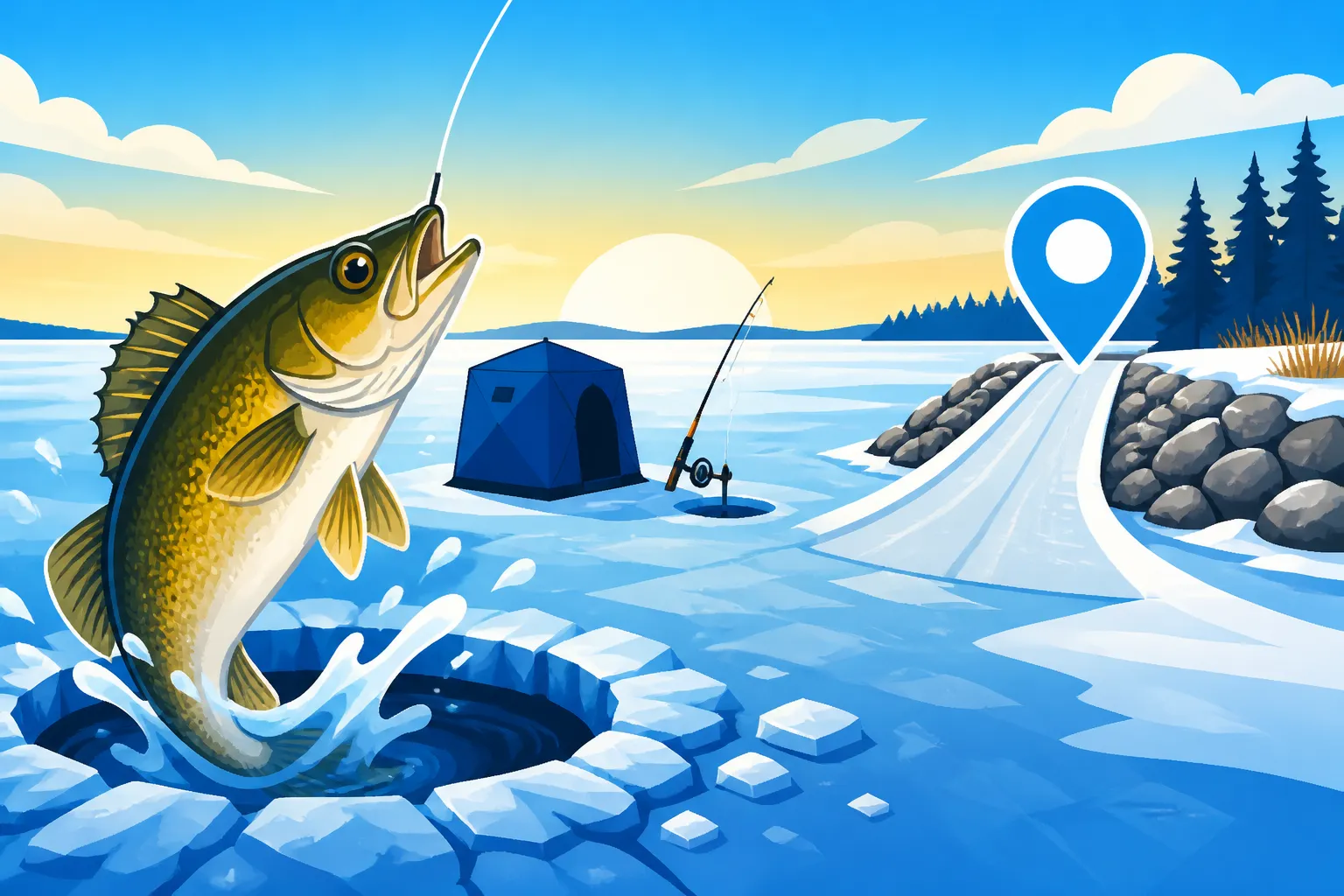
Ah, Lake Simcoe. Just the name conjures up images of vast, frozen expanses, dotted with ice huts and eager anglers trying to coax a jumbo perch or a hungry lake trout from the depths. But let's be real, while the dream is easy, actually finding good, safe, and productive ice fishing access on this massive lake can feel like a daunting task, especially if you're not a seasoned local. The sheer size of Simcoe, coupled with ever-changing ice conditions and diverse fishing opportunities, makes choosing your entry point critical. This guide is here to cut through the confusion and help you navigate the best ice fishing access points on Lake Simcoe, ensuring your next winter adventure is less about guessing and more about glorious catches.
Why Lake Simcoe Remains an Ice Fishing Paradise
For many Ontario anglers, when winter rolls around, Lake Simcoe isn't just an option; it's the option. Its reputation as a premier ice fishing destination is well-earned, drawing thousands of eager participants each season. But what exactly is it about this particular body of water that keeps people coming back, year after year, braving the cold for a chance at a memorable catch?
A Haven for Diverse Species and Trophy Potential
One of Lake Simcoe's biggest draws is the incredible variety of fish species that thrive beneath its frozen surface. You're not just limited to one or two targets; the lake offers excellent opportunities for yellow perch, black crappie, whitefish, northern pike, and, perhaps most famously, impressive lake trout. This diversity means that no matter your preference or skill level, there's likely a species to keep you engaged.
The legendary "jumbo perch" of Lake Simcoe are a particular favourite, growing to sizes that would be considered trophy-worthy in many other waters. Imagine the thrill of feeling that distinct tug on your line, only to pull up a perch that's almost as long as your forearm! Beyond the panfish, Lake Simcoe is renowned for its sizable lake trout and whitefish populations, offering a serious challenge to anglers with heavy-duty gear. Battling a powerful lake trout through a small hole in the ice is an experience that truly gets the adrenaline pumping.
This rich diversity means your choice of access point directly influences your target species. Certain areas of the lake are known hotspots for specific fish, so understanding where to go for what you want to catch is a crucial first step in planning your outing.
Unbeatable Proximity and Accessibility from Southern Ontario
Let's face it, getting out into the wilderness for a fishing trip often means long, arduous drives. But for residents of Southern Ontario, particularly those in the Greater Toronto Area (GTA), Lake Simcoe offers an incredible advantage: proximity. Situated just a short drive north of Toronto, it's easily accessible from major urban centres like Barrie, Orillia, and Newmarket.
This unparalleled accessibility means less time behind the wheel and more time on the ice. For many, a spontaneous day trip for Ice Fishing in Ontario or a quick weekend getaway is entirely feasible, eliminating the need for extensive travel planning or multi-day commitments. It's perfect for families looking for an outdoor adventure without a major expedition, or for new anglers eager to experience the joys of ice fishing without venturing too far from civilization.
The ease of access fosters a vibrant ice fishing community, with well-established services and amenities surrounding the lake, making the entire experience more convenient for everyone involved.
Generally Reliable Ice Conditions (with Caveats)
Lake Simcoe, being a large but relatively shallow lake in many of its popular fishing areas, tends to freeze over consistently once winter truly sets in. This generally reliable ice formation, compared to some deeper or more current-affected bodies of water, adds to its appeal for ice anglers. The vast, flat expanses make it easier to navigate once you're on the ice, and the sheer volume of anglers and huts often provides a visual cue for safe areas.
However, it's absolutely crucial to remember that "generally reliable" does not equate to "always safe." Lake Simcoe is a substantial body of water, and ice thickness can vary dramatically even across short distances. Factors like underwater springs, strong currents (especially near river inlets and outlets like the narrows between Simcoe and Couchiching), recent snowfalls insulating the ice, and fluctuating air temperatures can all impact ice integrity. A heavy snowfall, for example, can act as an insulator, slowing ice formation even if temperatures are consistently cold.
Therefore, while Simcoe's ice is often dependable, diligent safety practices are paramount. Always check local ice reports, consult with outfitters or bait shops, and understand the guidelines on How thick ice needs to be to fish safely in Ontario before venturing out. Never assume the ice is safe just because others are out there.
Deciphering Lake Simcoe's Ice Fishing Landscape
Lake Simcoe isn't just one monolithic sheet of ice; it's a complex, dynamic system with distinct zones, varying depths, and specific regulations. To truly maximize your ice fishing experience, it's essential to understand these nuances. Getting a handle on the lake's geography and the rules that govern it will make your trip safer and more productive.
Navigating Fisheries Management Zones (FMZs)
Ontario's extensive network of lakes and rivers is divided into Fisheries Management Zones (FMZs), each with its own set of rules regarding seasons, limits, and species. Lake Simcoe falls predominantly within FMZ 16. This isn't just a bureaucratic detail; it's the foundation of legal and sustainable fishing. Understanding which FMZ you're in, and specifically the regulations for FMZ 16, is paramount before you even drill your first hole.
The rules for FMZ 16 dictate everything from when you can fish for certain species (season dates) to how many fish you can keep (bag limits) and what size they need to be (size restrictions). Ignorance of these rules is not an excuse for breaking them, and penalties can be significant. It's a good idea to always carry a copy of the current Ontario Fishing Regulations Summary, which you can find online or at most license vendors. This document, alongside an understanding of Ontario Fisheries Management Zones, Explained, is your bible for responsible angling.
For example, the daily catch and possession limits for yellow perch on Lake Simcoe are specific and often talked about among anglers. Always double-check these details to ensure you're fishing legally. You can find more specific information on this in guides like Ontario Yellow Perch Limit on Lake Erie and Simcoe.
Understanding Lake Simcoe's Unique Features and Depths
Lake Simcoe is far from a uniform basin; it's a mosaic of distinct features, each influencing the type of fish you'll find and the techniques you'll use. Take Cook's Bay, for instance – located at the southern end, it's generally shallower and contains more extensive weed beds, making it prime habitat for yellow perch and crappie. Its relatively protected nature often means it freezes earlier and provides more stable ice in the early season.
Contrast that with Kempenfelt Bay, extending westward from Barrie. This bay plunges to depths of over 120 feet in places, creating ideal conditions for lake trout and whitefish. Fishing here requires different gear and tactics, often involving deep water jigging or using a flasher to locate fish suspended far below the ice. The connection to Lake Couchiching to the north, via the narrows in Orillia, also introduces unique dynamics, with shallower areas and riverine influences that can hold different species like northern pike.
Knowing these geographical distinctions helps you choose an access point that aligns with your fishing goals. If you're after jumbo perch, Cook's Bay or the shallower flats of the Georgina area might be your best bet. If a trophy lake trout is your dream, then Kempenfelt Bay's deeper waters are calling. This geographical intelligence is key to successful Lake Simcoe Ice Fishing.
The Importance of Local Knowledge and Current Conditions
While maps and depth charts provide a static picture, Lake Simcoe's ice conditions are anything but. Real-time, local knowledge is invaluable – sometimes, it's even life-saving. Ice can form, degrade, and shift with astonishing speed due to factors like wind, temperature swings, pressure cracks forming and expanding, and even the natural flow of water beneath. What was safe yesterday might be hazardous today.
The best way to get up-to-the-minute information is to engage with local resources. Bait and tackle shops around the lake, such as those in Innisfil, Barrie, or Sutton, are goldmines of information. They often have daily ice reports, know where the pressure cracks are developing, and can tell you which areas are producing fish. Online forums and local social media groups dedicated to Lake Simcoe ice fishing can also provide valuable crowd-sourced intelligence.
Never rely on outdated information or assume that because you saw an ice hut out a week ago, it's still safe. Always confirm current conditions immediately before you head out. A quick phone call or check of a reliable local source can prevent a dangerous situation and ensure you have a much more enjoyable and productive day on the ice.
Spotlight on Popular Ice Fishing Access Points
Lake Simcoe's vastness means there are numerous points of entry, each with its own character, amenities, and target species. Knowing these popular access points can significantly streamline your planning, whether you're bringing your own gear or looking to rent a hut.
Cook's Bay (Innisfil/Keswick)
Cook's Bay, located at the southern end of Lake Simcoe, is arguably one of the most popular and accessible ice fishing destinations on the lake. Its generally shallower depths (often ranging from 8 to 20 feet) and numerous weed beds create a rich habitat, primarily for yellow perch and black crappie. Because it's a relatively protected bay, it often freezes over earlier in the season compared to the main lake, providing a longer window for safe ice fishing.
Popular access points in this area include various municipal launches and public access roads. Innisfil Beach Park often provides access, as do several points along Big Bay Point Road. Further east, closer to Keswick, you'll find other entry points that draw anglers. Many operators offering Best Ice Fishing Huts on Lake Simcoe are located here, making it a convenient option for those looking to rent. Parking can be a challenge on busy weekends, so arriving early is often a good strategy.
Fishing in Cook's Bay typically involves targeting the edges of weed lines or subtle depth changes where perch and crappie tend to congregate. Jigging with small spoons, soft plastics, or minnows under a float are common and effective techniques. Be prepared for company, as this area can get quite busy, especially on sunny winter weekends.
Kempenfelt Bay (Barrie)
Moving westward, Kempenfelt Bay, extending from the city of Barrie, offers a stark contrast to Cook's Bay. This deep, fjord-like arm of Lake Simcoe is famous for its excellent lake trout and whitefish fishing. With depths often exceeding 100 feet, it provides the cold, oxygen-rich water these species prefer. It's a more challenging environment, often requiring specialized deep-water gear and techniques.
Access points around Barrie include Johnson's Beach, Minet's Point, and Centennial Park. While these offer public parking and shoreline access, be aware that you'll often have a longer walk out to the productive deep water areas for lake trout and whitefish. Some anglers use snowmobiles or ATVs (where permitted and safe) to reach these offshore spots. Due to the depth and potential for currents, ice conditions can sometimes be less predictable here compared to shallower bays, so extra caution is always advised.
Anglers targeting lake trout and whitefish in Kempenfelt Bay typically employ heavy jigging spoons, tubes, or small swimbaits fished near the bottom or suspended over deep structure. A good fish finder or flasher is almost essential here to locate schools of fish. The sheer size and power of the fish caught here make the extra effort well worth it for many.
Georgina Area (Jackson's Point, Sutton)
The eastern shore of Lake Simcoe, encompassing towns like Jackson's Point and Sutton in the Georgina area, provides access to a mix of mid-depth and deeper waters. This region is popular for a wider variety of species, offering good opportunities for perch, northern pike, and even lake trout further offshore. It strikes a nice balance between the shallow panfish havens and the deep water challenges.
Key access points include Bonnie Boats and various public access points in Jackson's Point and the surrounding area. Sibbald Point Provincial Park also offers lake access, though specific park regulations for ice fishing should always be reviewed. This area is home to numerous resorts and private outfitters that cater specifically to ice fishing, providing convenient hut rentals and guide services, which are particularly helpful if you're venturing out for lake trout or whitefish.
Fishing in the Georgina area can be versatile. Nearshore, you might find active perch and pike in 15-30 feet of water. Further out, especially if you're with an outfitter, you'll be targeting whitefish and lake trout in depths ranging from 40 to 80+ feet. The blend of accessible shoreline points and the availability of guided trips makes this a very attractive region for various types of anglers.
Orillia and Lake Couchiching
While technically a separate lake, Lake Couchiching is connected to Lake Simcoe by a narrow channel in Orillia and is often considered part of the broader Simcoe ice fishing experience. Couchiching is generally shallower than Simcoe, with an average depth of around 15 feet, making it an excellent location for panfish (perch, crappie) and northern pike. Walleye are also present, though specific regulations for walleye in Couchiching may differ slightly from Simcoe, so it's always critical to check.
Access to Lake Couchiching is readily available from Orillia, with popular spots like Tudhope Park and Couchiching Beach Park offering ample parking and easy shore entry. Its shallower nature and generally consistent ice make it a very beginner-friendly destination, particularly for families with young children or those new to ice fishing who want to catch plenty of action.
The fishing here is less about trophy lake trout and more about consistent catches of panfish, which can be incredibly fun on light tackle. Jigging with tiny tungsten jigs tipped with maggots, wax worms, or soft plastics is often the most effective method. Its close proximity to the amenities of Orillia also makes it a convenient and comfortable option for a winter day out.
Access Point Comparison Table
To help you visualize the different opportunities, here's a quick comparison of these popular access points:
| Access Point Area | Primary Species | Typical Depth | Key Amenities | Notes |
|---|---|---|---|---|
| Cook's Bay | Perch, Crappie | Shallow (8-20 ft) | Parking, Bait Shops, Hut Rentals | Often freezes first, can be very busy. |
| Kempenfelt Bay | Lake Trout, Whitefish | Deep (60-120+ ft) | Parking, Some Boat Launches | Requires specialized gear, can be a walk to deep water. |
| Georgina Area | Perch, Pike, Lake Trout | Mixed (15-80+ ft) | Parking, Resorts, Hut Rentals | Good mix of species, popular for outfitters. |
| Lake Couchiching | Perch, Pike, Crappie | Shallow (5-25 ft) | Parking, Easy Shore Access | Connected to Simcoe, good for beginners, check specific regs. |
| Lagoon City/Ramara | Perch, Whitefish | Mid-deep (20-60 ft) | Resorts, Marina Access, Hut Rentals | Offers access to deeper eastern basin. |
Maximizing Your Ice Fishing Experience with Local Outfitters and Services
For many, the thought of venturing out onto a vast, frozen lake with heavy gear, drilling holes, and trying to locate fish can be a bit overwhelming. This is where Lake Simcoe's vibrant ecosystem of local outfitters and services truly shines. They provide an invaluable resource, turning a potentially challenging expedition into a comfortable, productive, and memorable adventure.
The Unbeatable Advantage of Guided Experiences
If you're new to ice fishing, new to Lake Simcoe, or simply prefer a hassle-free experience, a guided trip is an absolute game-changer. Local outfitters have an intimate knowledge of the lake's ever-changing ice conditions, the best fishing spots (which can shift daily!), and the habits of the target species. They navigate the safest routes, ensure you're on productive water, and provide all the necessary gear.
A typical guided experience on Lake Simcoe often includes transportation to and from your heated ice hut, pre-drilled holes, bait, and sometimes even fishing gear. Your guide will be on hand to offer advice, help with fish identification, and ensure your safety and comfort. This significantly lowers the barrier to entry for beginners and allows experienced anglers to focus solely on the fishing, without the heavy lifting and logistical planning. It truly takes the guesswork out of the equation.
Platforms like FishingBooker are excellent resources for finding reputable local guides who specialize in Lake Simcoe ice fishing. You can browse different operators, read reviews, and compare packages, ensuring you find the perfect match for your group's needs and budget. This can be especially helpful if you're traveling from afar and don't have local connections.
Ice Hut Rentals and Resort Offerings
Beyond fully guided trips, many access points around Lake Simcoe offer ice hut rentals, providing a cozy and convenient base for your day on the ice. These range from basic portable shelters that an operator sets up for you to more elaborate, permanent heated shanties complete with wood stoves, benches, and even small kitchens.
The convenience factor of renting an ice hut is immense. You simply arrive, and your "fishing office" is already waiting for you, often positioned over a productive fishing spot identified by the operator. This eliminates the need to haul your own heavy portable hut, drill countless holes in frigid temperatures, or worry about finding the fish. Many operators even check on their clients throughout the day, providing fresh bait or offering tips.
Furthermore, several resorts located along Lake Simcoe's shores, particularly in the Georgina area and near Lagoon City, offer comprehensive ice fishing packages. These often include accommodation, hut rentals, and sometimes even meals, making for a perfect winter getaway. It's a fantastic way to enjoy a multi-day fishing adventure without having to manage all the logistics yourself, ensuring you have access to some of the Best Ice Fishing Huts on Lake Simcoe.
Leveraging Booking Platforms for Seamless Planning
In our increasingly digital world, planning your Lake Simcoe ice fishing adventure has never been easier, thanks to dedicated booking platforms. For instance, services like FishingBooker provide a centralized hub where you can explore a wide array of charters and outfitters operating on Lake Simcoe. This means you can easily compare services, pricing, availability, and read testimonials from other anglers, all from the comfort of your home.
The benefits of using such platforms are considerable: transparent pricing eliminates surprises, customer reviews help you choose a trusted provider, and the ability to book directly online simplifies the entire process. It’s an efficient way to secure a quality experience, especially for those who might not have established local contacts or are visiting Ontario for the first time. By consolidating options, these platforms empower you to make informed decisions and book with confidence, ensuring you get the most out of your ice fishing trip on Lake Simcoe.
Essential Safety and Regulatory Considerations
While Lake Simcoe offers incredible ice fishing, it's a large, powerful body of water, and safety must always be your top priority. Beyond staying safe, understanding and adhering to Ontario's fishing regulations is non-negotiable for a legal and enjoyable experience. Skipping these steps can lead to dangerous situations or hefty fines.
Non-Negotiable Ice Safety Protocols
This cannot be stressed enough: no ice is 100% safe. Every year, unfortunate incidents occur due to anglers underestimating the dangers of ice. Before you even step onto the ice, you must verify its thickness and quality. A minimum of four inches of clear, new ice is generally recommended for walking, but this is a bare minimum. Conditions can change rapidly, and ice near currents, inlets/outlets, pressure cracks, or under heavy snow can be dangerously thin.
Always carry essential safety gear: ice picks (worn around your neck for quick access), a throw rope, and a whistle. Never fish alone, and always inform someone reliable about your exact location and expected return time. Travel in groups, maintaining a safe distance from each other to distribute weight. Be wary of large cracks or areas where the ice looks discoloured or slushy. Even if others are out, use your own judgment. What was safe yesterday might not be safe today, especially after a warm spell or heavy wind. For more detailed safety guidelines, refer to general advice on Ice Fishing in Ontario.
Understanding Your Ontario Fishing License Requirements
Unless you are fishing during a designated Ontario Family Fishing Weekend, every angler over the age of 18 and under the age of 65 must possess a valid Ontario fishing license and an Outdoors Card. This is a legal requirement, and conservation officers regularly patrol Lake Simcoe, especially during peak ice fishing season. Failing to have a valid license can result in significant fines and confiscation of gear.
There are two main types of licenses: a Sport Fishing License and a Conservation Fishing License. The Sport License allows for higher catch limits, while the Conservation License, which is generally cheaper, has reduced limits, promoting a more catch-and-release focused approach. Understanding the difference is crucial, as your chosen license dictates your legal daily and possession limits for each species. Learn more about this distinction in Ontario Sport vs Conservation Fishing License. You also need an Ontario Outdoors Card, Explained, which is a prerequisite for purchasing your license and is valid for a few years.
You can purchase your fishing license online through the Ontario government's Fish and Wildlife Licensing Service, at a ServiceOntario location, or from authorized license issuers such as bait shops and sporting goods stores. Always carry a physical or digital copy of your license and Outdoors Card with you while fishing. For a full guide on purchasing, check out Where and How to Buy an Ontario Fishing License.
Respecting Local Regulations and the Environment
Beyond your license, strict adherence to Lake Simcoe's specific fishing regulations is paramount. These include daily catch limits, possession limits (the maximum number of fish you can have at home), size restrictions for certain species, and season dates. These rules are in place to ensure the long-term health and sustainability of the fishery for everyone. For example, specific length restrictions may apply to certain species like lake trout or walleye, meaning you must release fish outside a certain size range.
It's also vital to practice responsible environmental stewardship. This means "leaving no trace" – pack out everything you pack in. Fishing line, broken lures, food wrappers, and especially trash from ice huts (whether your own or rented) must be removed. Discarded fishing line can be deadly to wildlife, and litter detracts from the natural beauty of the lake.
Finally, dispose of unused bait responsibly. Never release live bait into Lake Simcoe, as it can introduce invasive species or diseases that could devastate the local ecosystem. By following these rules, you're not just avoiding fines; you're actively contributing to the preservation of Lake Simcoe as a world-class ice fishing destination for generations to come.
Planning for a Successful Lake Simcoe Ice Fishing Trip
A successful ice fishing trip on Lake Simcoe doesn't just happen; it's the result of careful planning and preparation. From ensuring you have the right gear to understanding the best times to fish and preparing for Ontario's famously fickle winter weather, a well-thought-out approach makes all the difference.
Gear Checklist for Comfort and Success
Being comfortable on the ice is directly linked to having a successful and enjoyable day. The number one priority for ice fishing on Lake Simcoe is staying warm and dry. This means layering up with moisture-wicking base layers, insulating mid-layers (fleece or down), and a waterproof, windproof outer shell. Insulated, waterproof boots are essential, as are warm gloves or mitts, and a good hat that covers your ears. Frostbite is a serious risk, so don't skimp on quality winter clothing.
For fishing-specific gear, an ice auger is a must – either a manual hand auger for thinner ice or a power auger (gas, propane, or electric) for thicker ice and multiple holes. You'll need short, sensitive ice fishing rods paired with appropriate reels and line (often fluorocarbon or braid for jigging). Pack a variety of baits and lures, including small spoons, jigs, soft plastics, and live bait like minnows or wax worms, as fish preferences can change throughout the day. For whitefish and lake trout, consider specialized deep-water jigs and heavy line.
Don't forget essentials like a sturdy sled to transport your gear, a five-gallon bucket (which doubles as a seat), a reliable fish finder or flasher to locate fish and monitor depth, hand warmers, a headlamp for early mornings or late evenings, a thermos filled with hot coffee or tea, and plenty of snacks. Investing in Best Ice Fishing Gear for Ontario will make your outings far more comfortable and productive.
Best Times for Various Species and Locations
Timing can be everything when it comes to ice fishing on Lake Simcoe. Different periods of the winter season offer distinct opportunities for various species:
- Early Ice (Late December to Mid-January): This period, usually when ice is just becoming safe, is often fantastic for yellow perch and black crappie in shallower bays like Cook's Bay. Fish are often very active close to weed lines as they're still in shallower feeding patterns. Northern pike can also be quite aggressive during this time. The downside is ice can be less stable, and caution is paramount.
- Mid-Winter (Late January to February): As ice thickens and covers the entire lake, this becomes prime time for deeper water species such as lake trout and whitefish in areas like Kempenfelt Bay or the deeper sections of the Georgina area. These fish become more active and can be found suspended or near deep structures. Jumbo perch fishing also remains strong, often moving to slightly deeper edges.
- Late Ice (March): This can be an incredibly productive period, especially for larger perch and northern pike as they begin their pre-spawn movements and feed aggressively. However, this is also the most dangerous time to be on the ice. Rapid warming trends, heavy rains, and strong sun can quickly degrade ice quality, especially near shorelines or inlets. Extreme vigilance regarding ice safety is absolutely essential if you venture out during late ice.
Preparing for Variable Weather Conditions
Ontario winters are famously unpredictable. One day it can be a relatively mild -5°C with clear skies, and the next can bring a frigid -20°C with howling winds and heavy snowfall. Being prepared for anything is key to both your comfort and safety.
Always check the weather forecast right before you leave home, and then again while you're on the ice if you have connectivity. Pay close attention not just to air temperature, but also to wind chill, which can dramatically increase the perceived cold and risk of frostbite. Dressing in multiple layers that can be added or removed as conditions change is your best defense.
Have a contingency plan. If a sudden whiteout blizzard rolls in, or if the wind picks up to dangerous levels, know your route back to shore. If conditions become too severe, or if ice quality starts to deteriorate unexpectedly, don't hesitate to pack up and head in. There will always be another day to fish. Prioritizing your safety over catching a few more fish is always the smartest decision.
Disclaimer
The information provided in this guide is for general informational purposes only and is not intended as legal, safety, or expert advice. Fishing regulations, ice conditions, and local access rules can change frequently. Always consult the official Ontario Fishing Regulations Summary, local authorities, and experienced outfitters for the most current and accurate information before planning any fishing trip. Ice fishing inherently carries risks; always prioritize safety, check ice conditions thoroughly, and never venture onto unsafe ice. The author and publisher are not responsible for any accidents, injuries, or legal infractions resulting from the use of this information.