Lake Ontario Salmon Fishing
If you've ever dreamt of battling a colossal fish that peels line off your reel with unbridled power, then Lake Ontario salmon fishing is likely high on your bucket list. Many anglers, even seasoned ones, find the sheer scale of Lake Ontario intimidating, wondering how to even begin tackling such a vast body of water for its elusive kings and silvers. This comprehensive guide is here to demystify the process, offering insights into the best times, techniques, and spots to make your Lake Ontario salmon fishing dreams a reality.
The Allure of Lake Ontario Salmon Fishing
There's something uniquely captivating about fishing the Great Lakes, and Lake Ontario, in particular, holds a special place in the hearts of those who chase salmon. It's not just the size of the fish, though that's certainly a major draw; it's the entire experience of being on such a grand, dynamic body of water, knowing that beneath the surface lurk some of the most powerful freshwater game fish in North America.
A World-Class Fishery Right in Our Backyard
Lake Ontario isn't just a big lake; it's a deep, diverse, and incredibly productive ecosystem, sustaining a thriving population of salmon and trout that rivals many coastal saltwater fisheries. This is largely due to extensive stocking programs by both Canadian and U.S. agencies, combined with a robust baitfish population, primarily alewife. The lake's cold, nutrient-rich waters provide the perfect habitat for these cold-water predators to grow to impressive sizes, making it a true world-class destination for anglers. Many forget that while we often focus on smaller, inland lakes, the Great Lakes offer an entirely different scale of fishing adventure, demanding different strategies and gear. The challenge of finding and consistently catching fish in such an expansive environment is a huge part of its appeal, pushing anglers to hone their skills and embrace new technologies.
The Thrill of the Fight
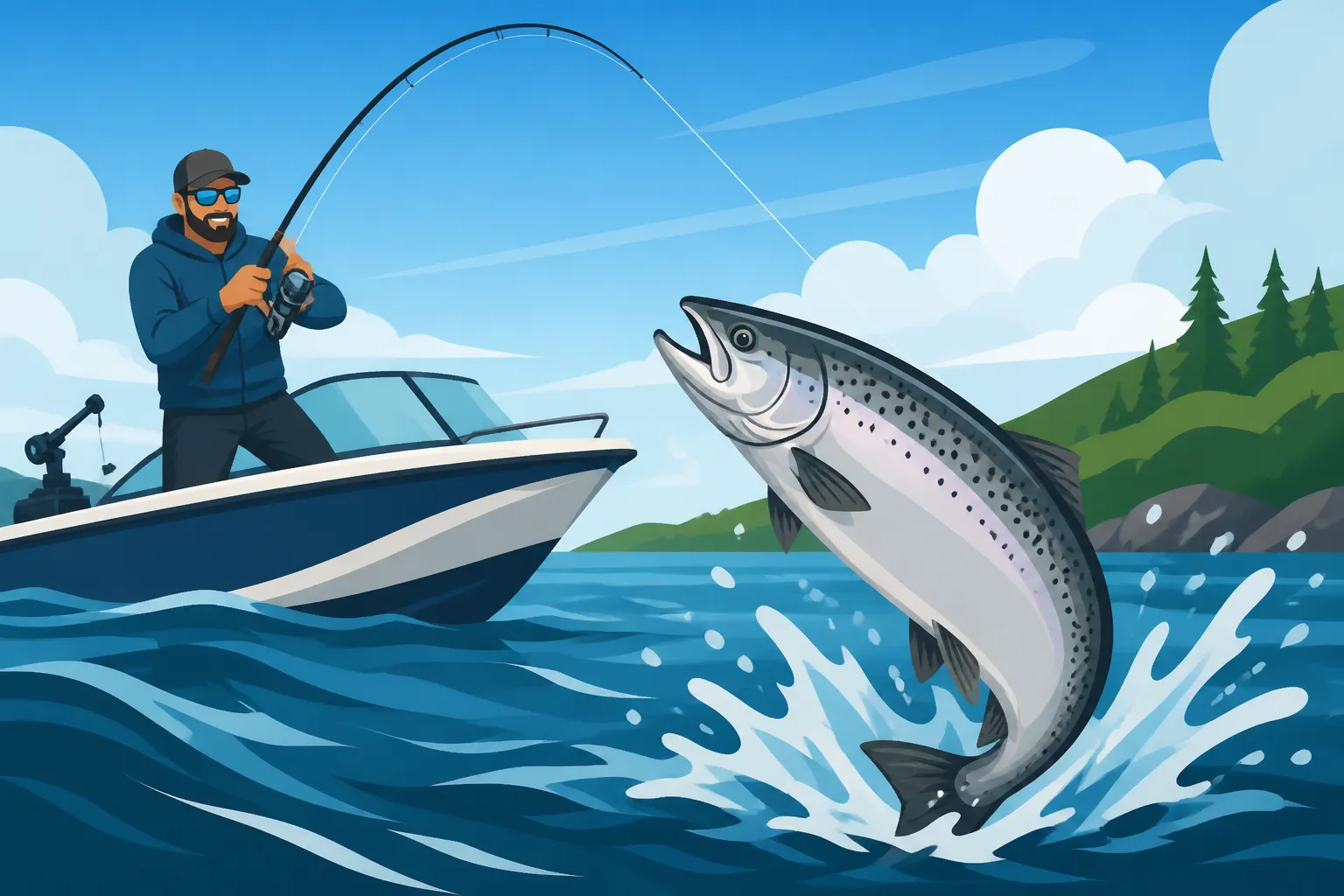
There are few sensations in freshwater fishing that compare to a mature Chinook salmon hitting a trolled lure. The strike is often sudden and violent, and what follows is an acrobatic display of raw power – blistering runs, headshakes, and deep dives that test both your gear and your resolve. It’s a fight that can last for minutes, leaving your arms aching but your adrenaline pumping. Coho salmon, while generally smaller, are known for their aggressive strikes and spectacular aerial leaps, adding their own brand of excitement to the mix. It's a truly immersive experience that connects you directly with the wild power of nature. Imagine the anticipation as your downrigger rod bows heavily, the line screams off the reel, and you realize you've hooked into something truly special. It's moments like these that keep anglers coming back, year after year, enduring early mornings and sometimes challenging conditions for that one unforgettable battle.
Key Salmon Species in Lake Ontario
When you talk about "salmon fishing" on Lake Ontario, you're usually referring to a few key species that dominate the fishery. While native Atlantic salmon populations were extirpated long ago, extensive stocking efforts have brought other Pacific salmon species and various trout to create the incredible fishery we enjoy today. Understanding the differences between these species is crucial for targeting them effectively.
Chinook Salmon King Salmon
The undisputed monarch of Lake Ontario, Chinook salmon (also known as King Salmon) are what most anglers dream of catching. These magnificent fish are renowned for their immense size, with adults commonly weighing 20-30 pounds, and true giants pushing well over 40 pounds. They are characterized by their powerful, sustained runs and deep fighting style, making them a formidable opponent on any tackle. Chinook spend most of their lives offshore, feeding heavily on alewife in the deeper, colder waters, growing rapidly until their final spawning migration into the tributaries in the late summer and fall. Targeting these giants often involves deep-water trolling with heavy gear, focusing on temperature breaks and baitfish schools. The thrill of hooking into a King is an experience every serious angler should pursue at least once.
Coho Salmon Silver Salmon
Coho salmon, often called Silver Salmon, are another highly sought-after species in Lake Ontario, though they are generally smaller than Chinooks, typically weighing 5-15 pounds. Don't let their size fool you, though; Coho are incredibly aggressive, known for their surface-oriented strikes and spectacular aerial acrobatics once hooked. They tend to school more tightly than Chinooks and are often found in the upper water column, especially during the spring and early summer. Their vibrant silver flanks and distinct fighting style make them a favorite among many anglers. Fishing for Coho often involves slightly lighter tackle and lures, and they can provide fast action when a school is located. They are a fantastic fish for those looking for a consistent bite and an exciting fight. You might also encounter other species like Rainbow Trout or Steelhead, which put up an incredible fight when hooked! For more details on these magnificent creatures, check out our guide on Coho Salmon in the Great Lakes.
Other Notable Salmonids
While Chinooks and Cohos steal much of the spotlight, Lake Ontario is also home to other fantastic salmonid species that contribute to its diverse fishery. Steelhead, which are migratory rainbow trout, offer an unparalleled aerial show and often run up rivers later in the fall and into spring. Brown Trout, stocked extensively, can grow to trophy sizes and are known for their elusive nature and powerful runs, often hugging structure closer to shore. Lake Trout, the native char of the Great Lakes, are deep-water dwellers that can reach immense sizes and provide a powerful, dogged fight. Often, when you're trolling for salmon, you'll pick up these "bonus" species, adding to the excitement and variety of your catch. Understanding the habits of these different species can really round out your Great Lakes fishing experience. If you’re interested in targeting them specifically, our guide on How to Catch Lake Trout in Ontario offers some great tips.
Prime Times and Seasons for Lake Ontario Salmon
Timing is everything when it comes to Lake Ontario salmon fishing. The migratory patterns of these fish are heavily influenced by water temperature, baitfish movements, and their spawning instincts, meaning that prime fishing opportunities shift throughout the year. Knowing when and where to focus your efforts can drastically improve your chances of success.
Spring Fling Early Season Tactics
As the ice recedes and spring arrives, the salmon begin to spread out from their deeper wintering grounds. In the early spring, often from late April through May, the best fishing is typically found closer to shore, particularly in the warmer thermal bands where baitfish congregate. These shallower, warmer waters, often influenced by river discharges, attract hungry salmon looking to feed actively after the long winter. Anglers often target depths ranging from 20 to 60 feet, using smaller spoons and stickbaits that imitate the juvenile baitfish present. This can be an excellent time for consistent action, as both Chinook and Coho salmon are often found in these zones. It's a game of finding those subtle temperature changes and baitfish schools. Many charter captains, especially those listed on platforms like FishingBooker, will be keenly watching these conditions, moving their boats to where the action is hottest.
Summer Deep Water Drifts
Summer on Lake Ontario, from June through August, sees salmon move into the deeper, cooler waters offshore. This is the classic "big water" salmon fishing season, where Chinook salmon reach their peak in size and power. Anglers employ sophisticated trolling setups, utilizing downriggers, Dipsy Divers, and planer boards to present lures at various depths, often from 50 to 150 feet or even deeper. The key here is to locate the thermocline – the layer of water where temperatures change rapidly – and find the baitfish schools that congregate along it. This often means running multiple lines at different depths and distances from the boat, covering a wide swath of water. The open lake can be a challenging environment, but the rewards are often magnificent, with trophy-sized Kings and powerful Coho making strong appearances. Remember that conditions can change rapidly on the Great Lakes, so always consult local marine forecasts.
Fall River Runs The Spawning Spectacle
As late summer transitions into fall, Lake Ontario salmon undertake their incredible spawning migration, returning to the rivers and tributaries where they were stocked or hatched. This period, typically from late August through October, offers a completely different kind of salmon fishing experience. Fish move from the open lake into staging areas near river mouths, then push upstream to complete their life cycle. This is a prime time for shore anglers and those fishing from smaller boats or even wading in rivers. While the fish are no longer actively feeding in the same way they do in the lake, they can still be enticed by roe bags, brightly coloured flies, or large spoons and spinners as they become aggressive and territorial. Popular tributaries include the Credit River, Ganaraska River, and the Salmon River (on the U.S. side). Before venturing out, always check the specific Ontario Fishing Season Dates by Zone and local regulations for these sensitive spawning periods, as rules can be stricter in rivers.
Essential Gear and Techniques for Success
Tackling Lake Ontario for salmon isn't like fishing a small inland lake. The vastness of the water, the depth the fish inhabit, and their sheer power demand specialized gear and techniques. Investing in the right equipment and understanding how to use it effectively is paramount to consistent success.
Trolling Setups The Spread is Key
The dominant technique for Lake Ontario salmon is trolling, and a successful trolling spread is a work of art. This involves deploying multiple lines at various depths and distances behind the boat to cover as much of the water column as possible.
- Downriggers: These are indispensable for salmon fishing. Downriggers use a heavy ball (typically 8-15 lbs) to take your lure down to a precise depth, far below the boat. Your fishing line is temporarily attached to a release clip on the downrigger wire. When a fish strikes, the line pops free from the clip, allowing you to fight the fish directly without the weight of the downrigger ball. Modern downriggers, like those from Cannon or Scotty, offer advanced features like auto-stop and retrieval speed control, making deployment and retrieval much smoother. A typical setup involves running two or more downriggers, staggered at different depths, to present multiple offerings.
- Dipsy Divers and Planer Boards: Beyond downriggers, Dipsy Divers (often called 'Dipsys') are disc-shaped devices that dive to a specific depth, pulling your line out to the side of the boat as well. They come in various sizes and can be set to dive on either the port or starboard side. Planer boards, on the other hand, are larger, buoyant devices that are deployed on the surface and pull multiple lines far out to the sides of the boat, expanding your trolling spread horizontally and targeting fish that might be shy of the boat's commotion. In combination, downriggers, Dipsy Divers, and planer boards allow an experienced captain to run a dozen or more lines simultaneously, creating a "wall" of lures for passing salmon.
Lure Selection Match the Hatch
The right lure can make all the difference. Salmon on Lake Ontario are primarily feeding on alewife, so lures that mimic these small, silvery baitfish are incredibly effective.
- Spoons: Metal trolling spoons are arguably the most popular and versatile lure for Lake Ontario salmon. Brands like Dreamweaver, Michigan Stinger, and Silver Streak offer a vast array of colours and sizes. Good choices include silver, green/silver, blue/silver, and watermelon patterns. The action of a spoon, fluttering and flashing through the water, is irresistible to salmon. You'll want a variety of sizes, from 2.5 inches up to 5 or 6 inches, to "match the hatch" of the current baitfish.
- Flasher/Fly Combos: These are deadly, especially for Chinook salmon. A flasher is a large, brightly coloured rotating blade designed to attract fish from a distance, mimicking a struggling baitfish. Trailing behind it, typically on a 15-24 inch leader, is a small, Mylar "fly" or squid imitation. The flasher creates the attraction, and the fly seals the deal. White, green, and blue flashers with matching flies are perennial favourites.
- Stickbaits and Plugs: During certain times, particularly in spring or closer to shore, long, slender stickbaits (like Rapala or Smithwick) can be very effective, often trolled closer to the surface or behind small lead core lines. Deep-diving plugs or "J-Plugs" are also excellent for aggressive Chinook, offering a wide, wobbling action that can trigger violent strikes. Having a diverse selection of these in your tackle box is key to adapting to changing conditions.
Rod, Reel, and Line Recommendations
Lake Ontario salmon are powerful fish, so your gear needs to be up to the task.
- Rods: Look for specialized trolling rods. These are typically 8-10 feet long with a moderate to fast action and a durable fiberglass or composite blank. They need enough backbone to handle a heavy downrigger ball or Dipsy Diver, but enough flex in the tip to absorb the shock of a strike and cushion powerful runs. Brands like Daiwa and Shimano offer excellent options.
- Reels: High-quality baitcasting reels are standard. They need a strong drag system, a high line capacity (at least 300 yards of 20-30 lb test), and a robust retrieve system. Level-wind reels are highly preferred for even line distribution. Key features include a smooth, consistent drag, a reliable clicker for detecting bites, and durable internal components. Penn and Okuma reels are popular choices.
- Line: Monofilament line in 20-30 lb test is a common choice for its shock absorption. However, many anglers also incorporate braided line for its sensitivity and zero stretch, often using a long fluorocarbon leader (15-25 lb test) for invisibility. Lead core line, a braided line with a lead core that sinks at a predictable rate, is also used to get lures down to specific depths without the need for downriggers or divers. Ensuring your line is fresh and knot-free is vital when battling powerful salmon. For general Great Lakes fishing, you might also find our guide on Best Fishing Rods for Ontario Lakes helpful.
Navigating Lake Ontario Regulations and Safety
Fishing Lake Ontario isn't just about the thrill of the catch; it's also about respecting the environment, adhering to regulations, and prioritizing safety on such a massive body of water. Ignorance of the rules or conditions can quickly turn a dream trip into a dangerous situation or result in hefty fines.
Understanding Bag Limits and Slot Sizes
Ontario has specific regulations designed to manage the salmon and trout populations in Lake Ontario. These rules can change, so it’s absolutely critical to consult the most current Ontario Fishing Regulations Explained before every trip. For salmon, you'll typically find daily bag limits that specify how many fish of each species you can keep, as well as possession limits. There might also be slot sizes, meaning you can only keep fish within a certain length range, or minimum/maximum size limits. These regulations are in place to ensure sustainable fishing practices and protect spawning populations. For example, there might be a daily limit of 5 salmon/trout combined, but only 1 or 2 of those can be a Chinook. Always verify these details for Lake Ontario and its tributaries, as river regulations during spawning runs can be even more restrictive. Keep an eye on our detailed post about Ontario Bag and Possession Limits by Species for the latest information.
Boating Safety and Lake Ontario Conditions
Lake Ontario is a vast and powerful body of water, and it demands respect. Weather conditions can change rapidly, transforming calm waters into dangerous waves in a short amount of time.
- Vessel Requirements: Ensure your boat is properly equipped with all required safety gear, including life jackets for everyone on board (check out Life Jacket Requirements for Ontario Boaters), flares, a bailing device, and a sound-signalling device. For motorized boats, you’ll also need to meet the requirements of the Ontario Pleasure Craft Operator Card Requirement.
- Weather Monitoring: Always check the marine weather forecast before heading out and throughout your trip. Use a marine radio (VHF) for up-to-date weather advisories and emergency communications. Apps and devices that provide real-time radar and wind conditions are invaluable.
- Navigational Awareness: Know your charts, understand buoyage, and be aware of potential hazards like shoals or changing depths. A reliable GPS and fish finder are critical for safe navigation and finding productive fishing grounds. Many captains use sophisticated electronics from brands like Lowrance or Humminbird to navigate and pinpoint baitfish and structure.
- Emergency Preparedness: Have a float plan, let someone know where you're going and when you expect to return. Ensure your boat is well-maintained, with adequate fuel, and that all onboard systems are functioning correctly. This level of preparedness isn't just recommended; it's essential for safe big water angling. You can find more information on general boating rules in our Ontario Boating Laws for Anglers guide.
Charters and Guides Your Local Edge
For those new to Lake Ontario salmon fishing, or even experienced anglers looking to learn the ropes of a new area, booking a charter or guide is an invaluable investment. These professionals have intimate knowledge of the lake, including current fishing patterns, hotspots, and the latest techniques.
- Local Expertise: A good captain knows where the fish are holding, what lures they're hitting, and how to adapt to changing conditions. They have years of experience, a vast network of contacts, and access to top-of-the-line gear, putting you directly on the fish without the steep learning curve.
- Safety and Convenience: Charters provide a safe, fully equipped vessel and an experienced crew who prioritize your safety. All the necessary licenses and safety equipment are typically covered. You simply show up, fish, and enjoy the experience. This is especially true if you are visiting a new port like Port Dalhousie or Olcott.
- Learning Opportunity: Beyond catching fish, a charter is an excellent learning opportunity. You can observe the techniques, ask questions, and gain valuable insights that will help you become a more effective angler on future trips. If you're looking for a reputable charter, platforms like FishingBooker allow you to browse and book experienced captains in various Lake Ontario ports, providing reviews and details about their services. It's a fantastic way to ensure a productive and safe day on the water, whether you're targeting Chinook or Coho. Many find that booking a trip through FishingBooker simplifies the process of finding the right captain for their needs.
Top Fishing Hotspots on Lake Ontario
Lake Ontario is enormous, and knowing where to launch and focus your efforts can feel like finding a needle in a haystack. While salmon are migratory and can be found across the lake, certain ports and general areas consistently produce excellent fishing due to their proximity to deeper water, baitfish concentrations, and prominent structural features.
Popular Departure Ports and Their Offerings
Choosing your departure point often depends on where you're staying, what kind of experience you're after, and what species you're primarily targeting.
- Port Dalhousie (St. Catharines): Located at the mouth of the Henley Island channel, Port Dalhousie is a popular choice for anglers on the western end of Lake Ontario. Its proximity to the Niagara River plume can offer fantastic early-season fishing as warmer water and nutrients attract baitfish and salmon. This area is known for strong runs of Chinook and Coho.
- Port Credit (Mississauga): Situated closer to Toronto, Port Credit provides convenient access for urban anglers. The waters off Port Credit can be very productive, especially during the spring and fall migrations. The harbour itself provides excellent facilities, and charters frequently depart from here.
- Port of Rochester (New York, USA): While on the U.S. side, Rochester is a prime example of a consistently productive port for both Chinook and Coho salmon, particularly in the summer months. Its deep-water access is ideal for targeting offshore kings.
- Olcott (New York, USA): Another highly regarded U.S. port, Olcott is renowned for its early season action, often being one of the first places to see strong Coho bites as well as consistent Chinook fishing throughout the season. Many Canadian anglers will make the trip across the border for the fishing opportunities here.
- Henderson Harbor (New York, USA): Further east, Henderson Harbor is famous for its proximity to world-class fishing grounds, especially during the fall salmon runs up the nearby Salmon River. While a bit further, it’s a destination worth considering for serious anglers.
These ports offer excellent launching facilities, marinas, and typically have bait shops and tackle stores nearby. When planning your trip, consider checking out available charters in these areas on sites like FishingBooker to leverage local knowledge.
Finding Structure and Baitfish
Salmon don't just swim aimlessly; they are predators that follow their food source and use underwater structure for orientation and ambush points. Understanding these elements is key to locating them.
- Temperature Breaks: Salmon are cold-water fish, and they'll often be found near the thermocline – the layer in the lake where water temperature changes dramatically. Finding this break on your fish finder, often around 45-55°F (7-13°C), is a critical first step. Fish will often hold just above, in, or just below this layer.
- Baitfish Schools: Locate the bait, and you'll find the salmon. Alewife are the primary food source, and they often show up as dense clouds or arches on your sonar. Salmon will often be lurking nearby, either directly within the schools or along their edges. Look for large concentrations of these baitfish, especially at key depths.
- Underwater Structure: While the open lake can seem featureless, there are subtle contours, ledges, and deep-water points that attract both baitfish and salmon. River mouths, current lines, and even changes in bottom composition can create productive fishing zones. For instance, the deep waters where the Niagara River meets Lake Ontario create a unique environment that draws fish. Using your fish finder and GPS to mark these areas, or following historical patterns, is essential.
It's a continuous process of triangulation: finding the right depth, locating the bait, and being aware of any underlying structure that might concentrate fish. This is where experience and modern electronics really shine, allowing anglers to piece together the puzzle of Lake Ontario salmon.
| Feature / Species | Chinook Salmon (King) | Coho Salmon (Silver) |
|---|---|---|
| Average Weight | 20-30 lbs (can exceed 40 lbs) | 5-15 lbs |
| Max Size | 50+ lbs | 20+ lbs |
| Fighting Style | Deep, powerful, sustained runs | Aggressive, acrobatic, aerial jumps |
| Peak Season | Mid-summer to early fall (offshore) | Spring to early summer (nearshore/mid-depth) |
| Preferred Depth | Deep water, often near thermocline (50-150+ ft) | Upper water column (20-80 ft), especially spring |
| Key Lures | Large spoons, flasher/fly combos, J-Plugs | Smaller spoons, stickbaits, flasher/fly combos |
| Diet Focus | Alewife (primary) | Alewife, smelt |
Disclaimer
Fishing on Lake Ontario, like any large body of water, carries inherent risks. Weather conditions can change rapidly and unexpectedly. Always prioritize safety, check local marine forecasts, ensure your vessel is properly equipped, and wear appropriate personal flotation devices. All anglers are responsible for understanding and adhering to the current Ontario fishing regulations, including licensing, bag limits, and size restrictions. The information provided in this guide is for general informational purposes only and should not be considered a substitute for professional advice or current regulatory summaries.