Best pond fishing near Sault Ste Marie
It's easy to feel overwhelmed when you're looking for a peaceful fishing escape near a larger hub like Sault Ste. Marie, especially when the vastness of the Great Lakes can seem daunting. You might be dreaming of a simpler day, away from the big waves and crowded boat launches, seeking out a quiet spot where you can just cast a line and relax. This guide is here to cut through that noise, offering detailed insights into the best pond-style fishing opportunities in and around Sault Ste. Marie, so you can find that perfect, serene angling experience.
The Unique Appeal of Smaller Waters Near Sault Ste. Marie
There’s a special charm that comes with fishing smaller bodies of water. While the mighty waters of Lake Superior and Lake Huron certainly call to many anglers, the truth is that the most relaxing, accessible, and often incredibly rewarding fishing can be found closer to home, in the various ponds, slow-moving river sections, and smaller, sheltered lakes around Sault Ste. Marie. These spots offer a different kind of challenge and a unique sense of tranquility that’s hard to beat.
The Allure of Simpler Angling Experiences
Forget the need for massive boats, complex electronics, or long treks to remote lodges. Pond fishing, or fishing in waters that feel like ponds, simplifies everything. It’s about getting back to basics: a rod, a reel, some bait, and a comfortable spot on the bank or in a small canoe or kayak. This isn't just about catching fish; it's about the entire experience. The anticipation of a bobber dipping, the quiet hum of nature, the gentle ripple on the water's surface – it’s a meditative practice that many seasoned anglers cherish. For those just starting out or looking to introduce kids to the joys of fishing, these calmer waters are far less intimidating than navigating large open lakes, making for a much more enjoyable and successful outing. You'll find that the smaller scale often means more predictable fish patterns and less competition, allowing you to truly unwind.
Accessibility and Family-Friendliness
One of the biggest advantages of fishing these smaller, pond-like waters around Sault Ste. Marie is their sheer accessibility. Many spots are just a short drive from the city, often featuring easy shore access, small docks, or calm waters perfect for launching a kayak or a tiny jon boat. This makes them ideal for spontaneous trips after work, quick weekend getaways, or family outings where convenience is key. You won't have to worry about long hauls or rough water conditions, which means more time fishing and less time travelling or preparing.
These locations are also wonderfully family-friendly. The species often found in these waters, like panfish, are typically abundant and eager to bite, providing consistent action that keeps younger anglers engaged and excited. There's nothing quite like seeing a child's face light up with their first catch, and pond fishing offers that opportunity time and time again. Plus, the shallower, more protected environments mean fewer safety concerns, allowing parents to relax a little more while the kids enjoy their time on the water. Many of these locations also offer nearby picnic areas or walking trails, turning a fishing trip into a full day of outdoor adventure for everyone.
Top Ponds and Small Lakes to Explore Around Sault Ste. Marie
While "pond" might conjure images of a tiny, stagnant puddle, near Sault Ste. Marie, it usually refers to smaller, more intimate water bodies or sheltered sections of larger systems that provide that calm, manageable fishing experience. These spots are fantastic for a quick trip or a full day of relaxed angling.
Accessible Spots for Quick Trips
For those days when you don't want to drive far but still crave some fishing action, Sault Ste. Marie has several excellent choices that fit the bill.
Lake George: Just a short drive south of Sault Ste. Marie, Lake George is a fantastic option that, while technically a small lake connected to the St. Marys River system, feels very much like a large, accessible pond. Its relatively shallow depths and numerous weedy bays make it a haven for panfish like yellow perch and black crappie, as well as decent populations of northern pike and smallmouth bass. There are several public access points, including a boat launch and shoreline areas where you can cast from shore. It’s perfect for canoes, kayaks, or small boats, allowing you to explore its many nooks and crannies. You’ll find that a simple worm and bobber setup can yield plenty of perch, keeping the action steady, while casting smaller spinnerbaits or jigs along the weed lines can entice a feisty pike or bass. It’s an ideal spot for an afternoon outing with the family or a quick solo trip to clear your head.
Root River: This river, which flows into the St. Marys River just west of Sault Ste. Marie, offers numerous slow-moving sections and backwaters that are perfect for "pond-style" fishing. While it is a river, its calmer stretches can feel like fishing in a secluded pond. Access can be found at various points, often requiring a bit of exploration to find your ideal bank fishing spot or a launch point for a canoe. The Root River is known for excellent panfish, smallmouth bass, and even some northern pike. Its lush riparian vegetation provides ample cover for fish and offers a scenic backdrop for your angling adventure. For those looking for a slightly different experience, exploring the Root River by kayak allows you to reach less pressured areas and truly immerse yourself in the natural surroundings.
Slightly More Secluded Gems
If you're willing to venture just a little further, there are some truly wonderful, more secluded spots that offer an even deeper sense of wilderness and potentially larger fish.
Desbarats Area Lakes: East of Sault Ste. Marie, the Desbarats area is dotted with countless smaller lakes, many of which offer fantastic fishing. Lakes like Gordon Lake and Lake LaCloche (among many others) are often less pressured than their larger counterparts and can provide excellent opportunities for a variety of species. These lakes typically feature a mix of rocky structure, submerged timber, and weed beds, creating diverse habitats. While some might require a longer drive or a small boat to fully explore, many also have public access points suitable for kayaks or shore fishing. These lakes are well-known for their healthy populations of smallmouth bass, northern pike, and a variety of panfish. For those interested in finding a local guide to explore these more off-the-beaten-path destinations, platforms like FishingBooker can connect you with experienced professionals who know these smaller waters inside and out. Always check local regulations for specific lakes, as some may have special rules.
Goulais River Backwaters: North of Sault Ste. Marie, the Goulais River is another excellent option. Similar to the Root River, its expansive system includes many oxbows, quiet bays, and slow sections that fish like tranquil ponds. Access can be found along various road crossings or by exploring side roads that lead to the riverbanks. The Goulais River is particularly good for northern pike and smallmouth bass, with opportunities for panfish as well. The serene environment, often surrounded by dense forest, makes for a truly immersive fishing experience. A canoe or kayak is highly recommended here to navigate the calmer currents and access prime fishing grounds away from any main flow. Remember to check the Ontario Fishing Regulations Explained for any specific rules concerning river sections.
Species You'll Encounter
These smaller, pond-like waters are typically teeming with a great variety of fish, making for exciting and diverse fishing experiences.
Panfish (Yellow Perch, Black Crappie, Sunfish): These are the bread and butter of pond fishing. Yellow perch are often abundant, eager biters, and excellent table fare. Black crappie, with their distinctive speckled pattern, can be found schooling around submerged structure or weed edges, especially in spring and fall. Various sunfish species, including bluegill and pumpkinseed, add vibrant colours and feisty fights, despite their smaller size. Panfish are ideal for beginners and children dueers to their cooperative nature and prevalence. If you want to learn more about targeting these fun fish, check out our guide on Panfish Fishing in Ontario.
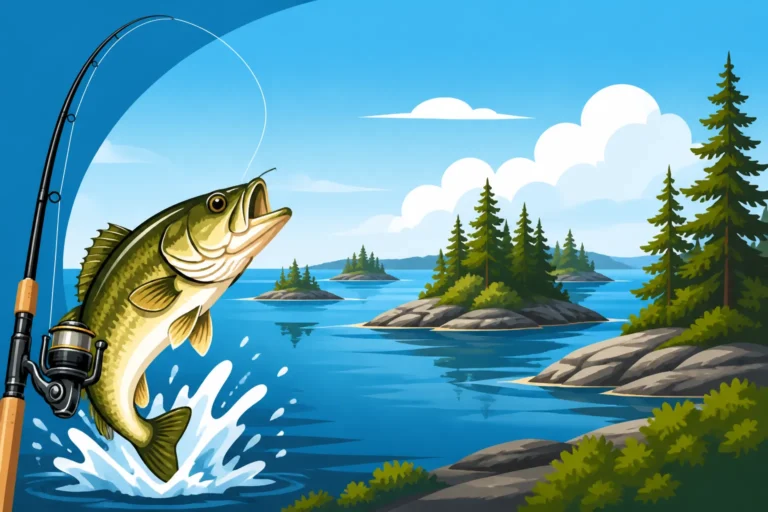
Smallmouth Bass: Known for their hard-fighting nature and acrobatic jumps, smallmouth bass thrive in these diverse environments. They often relate to rocky bottoms, submerged logs, and drop-offs. Their aggressive strikes make them incredibly fun to catch, whether you're using artificial lures or live bait. During the warmer months, you'll often find them cruising the shallower flats, especially in the mornings and evenings. Our guide to Smallmouth Bass Fishing in Ontario offers more in-depth strategies.
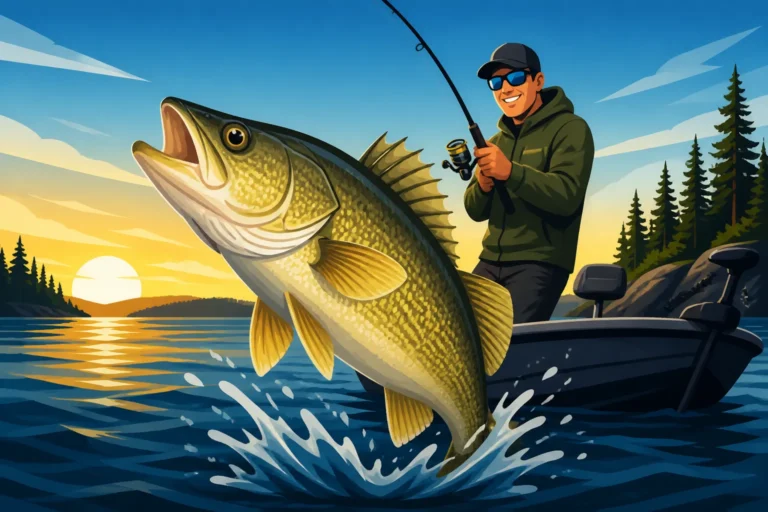
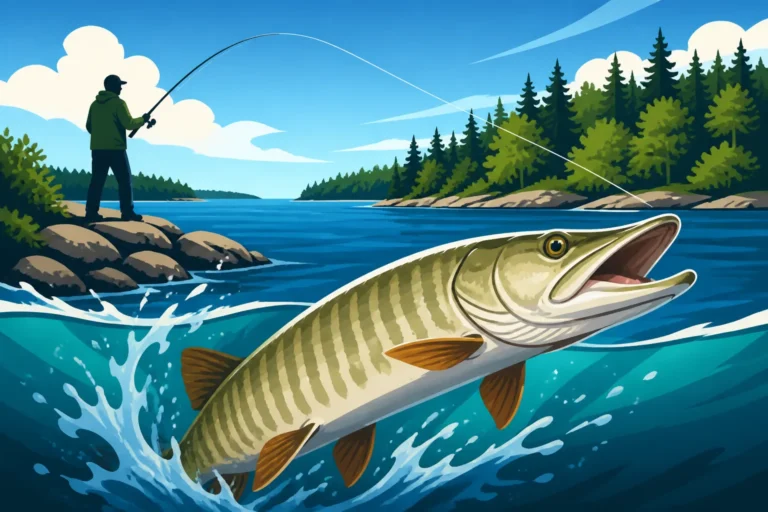
Northern Pike: The apex predators of many of these waters, northern pike offer explosive strikes and powerful runs. They love to ambush prey from thick weed beds, submerged brush, and around fallen trees. While some can grow quite large, even smaller "hammer handles" provide a thrilling fight on light tackle. Be sure to use a wire leader when targeting pike to prevent bite-offs from their razor-sharp teeth.
Largemouth Bass: While less common in the Sault Ste. Marie region's colder waters compared to smallmouth, largemouth bass can certainly be found in some of the warmer, weedier ponds and back bays. They prefer dense cover and often hide among lily pads, cattails, and heavy submerged vegetation. They offer a powerful, deep fight and are fantastic targets for topwater lures. For dedicated largemouth anglers, our Largemouth Bass Fishing in Ontario guide has excellent tips.
Essential Gear and Techniques for Sault Ste. Marie Pond Fishing
You don't need a boatload of expensive gear to have a successful and enjoyable day fishing these local ponds and small lakes. In fact, keeping it simple is often the best approach. The beauty of pond fishing is that it's accessible to everyone, regardless of their budget or experience level.
Simple Setups for Success
For most pond fishing scenarios, a simple spinning rod and reel combo will serve you well. A light to medium-light action rod, around 6 to 7 feet in length, paired with a small spinning reel spooled with 6 to 10-pound monofilament or braided line, is incredibly versatile. This setup is sensitive enough to detect the subtle bites of panfish yet robust enough to handle an unexpected bass or pike. If you're just starting out, consider a pre-spooled Best Rod and Reel Combo for Beginners to take the guesswork out of it.
- Rods and Reels: A 6-foot, medium-light action spinning rod with a 2000-series spinning reel is a perfect all-around choice. Brands like Shimano, Daiwa, and Fenwick offer excellent options for various price points. This allows for comfortable casting from shore or a small craft and provides enough backbone for most pond species.
- Line: Opt for a high-visibility monofilament line, typically 6-8 lb test, especially if you're watching a bobber. The stretch of mono is forgiving, and its buoyancy helps keep your bait suspended. If you're using more advanced techniques or targeting larger fish, a 10-15 lb braided line with a fluorocarbon leader can offer more sensitivity and strength.
- Terminal Tackle: Keep it minimal. A selection of small hooks (sizes 6-10 for panfish, 1/0-2/0 for bass/pike), split shot weights, and small bobbers (slip bobbers are excellent for precise depth control) will cover most situations. Don't forget a pair of needle-nose pliers for unhooking fish and a small pair of clippers for cutting line.
- Landing Net: For larger fish like pike or bass, a small, collapsible landing net can be invaluable, helping you safely land fish, especially when fishing from shore or a small kayak. Our guide on the Best Landing Net for Trout provides some useful insights that apply to other species as well.
Best Baits and Lures for Pond Species
The fish in these smaller waters aren't usually picky, especially panfish, which makes bait and lure selection relatively straightforward.
- Live Bait: This is often the most effective choice, especially for panfish.
- Worms: Nightcrawlers or smaller garden worms are universally effective for perch, sunfish, crappie, and even small bass. They're cheap, readily available, and incredibly easy to use.
- Minnows: Live minnows are irresistible to crappie, bass, and pike. Hooked through the lip or back and suspended under a bobber, they are fantastic for targeting larger fish.
- Maggots/Mealworms: For the smallest panfish and a lot of action, these tiny baits are highly effective.
- Artificial Lures: For a more active fishing experience, artificial lures can be incredibly productive.
- Jigs: Small jigs (1/32 oz to 1/8 oz) tipped with tiny plastic grubs, tubes, or even a piece of worm are deadly for crappie and perch. Vary your retrieve, from a slow steady reel to a twitch-and-pause motion.
- Spinners: Inline spinners (like Mepps or Rooster Tail) in sizes 0 to 2 are excellent for all panfish, smallmouth bass, and smaller pike. Their flash and vibration attract fish from a distance.
- Crankbaits/Jerkbaits: Small lipless crankbaits or shallow-diving jerkbaits (1-3 inches) can be incredibly effective for aggressive bass and pike. Cast them parallel to weed lines or over submerged structure.
- Topwater Lures: During low light conditions (dawn/dusk) or overcast days, small topwater poppers or walk-the-dog lures can trigger explosive strikes from bass. There's nothing quite like seeing a bass blow up on a surface lure!
- For a more comprehensive look at what works best, check out our guide on the Best Tackle for Panfish.
Maximizing Your Catch: Tips and Tricks
Success in pond fishing often comes down to observation, patience, and a few key strategies.
- Fish the Structure: Fish, especially bass and pike, are ambush predators and will relate to any available cover. Look for weed lines, lily pads, submerged logs, rock piles, docks, and even culverts. These areas provide both shelter and feeding opportunities. Casting your bait or lure as close as possible to these structures without getting snagged will significantly increase your chances.
- Observe Water Conditions: Pay attention to water clarity and temperature. Clearer water might call for lighter lines and more subtle presentations, while stained or murky water can make brighter coloured lures more effective. On warmer days, fish tend to be more active in the mornings and evenings, while cooler days might see them deeper or holding tight to cover.
- Vary Your Retrieve: Don't just reel in your lure at a constant speed. Experiment with different retrieve speeds, pauses, and twitches. Sometimes a slow, methodical retrieve is best, while other times a fast, erratic retrieve can trigger a反應 strike. The same goes for jigging: try different cadences until you find what the fish prefer.
- Consider the Season: Pond fishing changes with the seasons. Spring often means fish are shallower and feeding aggressively after the spawn. Summer sees them seeking deeper, cooler water or dense cover during the heat of the day. Fall can offer some of the most consistent action as fish bulk up for winter. During winter, ice fishing on these small lakes can be incredibly productive, with many local spots around Sault Ste. Marie offering fantastic ice fishing opportunities for panfish and pike.
- Stealth is Key: Especially in smaller, clear ponds, fish can be easily spooked. Approach your fishing spots quietly, avoid sudden movements, and consider casting from a distance. If you're using a small boat or kayak, try to keep noise to a minimum.
Navigating Regulations and Responsible Angling in Local Ponds
While pond fishing might feel laid-back, it's crucial to remember that all angling in Ontario, regardless of the water body's size, is subject to specific regulations. Adhering to these rules ensures the sustainability of our fisheries and guarantees that future generations can enjoy the same fantastic opportunities.
Understanding Your Fishing License
The first and most important step before you even wet a line is to ensure you have a valid Ontario fishing license and an Outdoors Card. Every angler between the ages of 18 and 64 (inclusive) needs a valid license to fish in Ontario.
- Outdoors Card: This is your identification card, a bit like a driver's license for outdoor activities. It’s valid for three calendar years and is required before you purchase any fishing license. You can learn more about it in our comprehensive guide, Ontario Outdoors Card, Explained.
- Fishing License Options: You'll typically choose between a Sport Fishing License and a Conservation Fishing License. The Sport License allows for higher catch and possession limits, while the Conservation License has reduced limits, focusing more on catch-and-release and sustainable harvesting. For most casual pond anglers, especially those focusing on panfish or practicing catch and release, a Conservation License is often sufficient. If you’re planning on keeping fish, always check the specific limits for the species you’re targeting.
- Exemptions: Keep in mind that certain age groups are exempt from needing a license. For instance, Ontario residents under 18 years old do not need a license to fish. There are also specific rules for seniors, which you can find details about in articles like Do Ontario Residents Under 18 Need a Fishing License?.
- Where to Buy: You can easily purchase your license online through the Ontario Ministry of Natural Resources and Forestry (MNRF) website, at a ServiceOntario location, or from authorized license issuers (often bait shops or sporting goods stores) in Sault Ste. Marie. Make sure you understand the rules outlined in the Ontario Fishing License Guide for 2026 before heading out.
Local Rules and Conservation Practices
Beyond the general license requirements, it's vital to be aware of any specific regulations that might apply to the particular pond or small lake you're fishing near Sault Ste. Marie. Ontario is divided into numerous Fisheries Management Zones (FMZs), and each zone has its own set of rules regarding open seasons, catch limits, and size restrictions for various species.
- Fisheries Management Zone (FMZ): Sault Ste. Marie falls within FMZ 10, but nearby areas might be in different zones. Always consult the official Ontario Fishing Regulations Summary to confirm the specific rules for your chosen body of water. This summary is available online or at license issuers. It's not uncommon for smaller, more sensitive waters to have special regulations, such as catch-and-release only for certain species or specific slot limits.
- Season Dates: Fish have specific spawning periods when they are protected. Knowing the Ontario Fishing Season Dates by Zone for species like bass and pike is crucial. Fishing for a species during its closed season, even by accident, can result in significant fines.
- Respect Private Property: Many smaller ponds or lakes might have private land surrounding them. Always ensure you have legal access to the shoreline or launch area. Never trespass. If in doubt, look for clearly marked public access points or seek permission from landowners.
- Leave No Trace: Practice responsible angling by taking out everything you bring in. This means no litter, no discarded fishing line, and no leftover bait. Protecting these pristine environments ensures they remain healthy and beautiful for everyone to enjoy.
Practicing Catch and Release for Future Generations
While it's perfectly fine to keep some fish for a fresh meal (within your legal limits, of course), adopting catch-and-release practices for certain species or in specific situations is a fantastic way to contribute to healthy fish populations.
- Minimizing Harm: If you plan to release fish, handle them with care. Use barbless hooks or pinch down the barbs on your hooks to make removal easier and less traumatic for the fish. Wet your hands before handling fish to protect their protective slime coat.
- Proper Unhooking: Use needle-nose pliers or a de-hooking tool to quickly and efficiently remove hooks. Support the fish horizontally, especially larger ones, and avoid holding them vertically by the jaw or gills, which can cause internal damage.
- Revival: If a fish seems sluggish after the fight, hold it gently in the water, facing into the current (if any), until it regains strength and swims away on its own.
- Consider Conservation: For species like larger bass or pike, which can take many years to grow, releasing them allows them to spawn and contribute to the population, potentially becoming trophy fish for another angler down the line. Many anglers, even when using services found on platforms like FishingBooker, will emphasize catch-and-release for trophy fish or specific species. This ensures that the excitement of landing a truly impressive fish remains a possibility for everyone who enjoys the sport.
By being mindful of regulations and practicing responsible angling, you're not just enjoying a day on the water; you're actively contributing to the preservation of Ontario's incredible fishing heritage.
Disclaimer
The information provided in this guide is for general informational purposes only and is subject to change. Fishing regulations, season dates, and license requirements are set by the Ontario Ministry of Natural Resources and Forestry (MNRF) and can be updated annually or more frequently. It is always the angler's responsibility to consult the most current official Ontario Fishing Regulations Summary before engaging in any fishing activity. Always prioritize safety, respect private property, and practice ethical angling.