Best remote fly-in fishing lakes in Northern Ontario
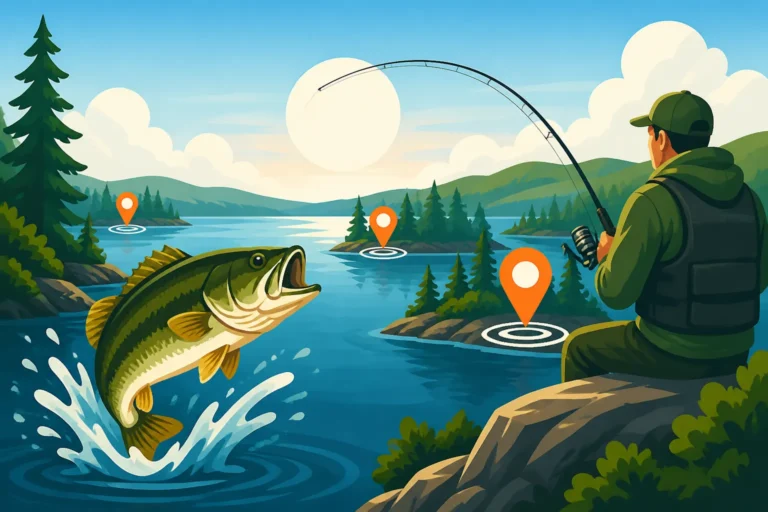
The allure of Northern Ontario is undeniable, but for many anglers, the thought of navigating crowded boat launches and well-fished spots can dampen the excitement. If you're yearning for a truly untamed fishing experience, where pristine waters teem with untouched fish and the only sounds are those of the wilderness, then a remote fly-in fishing trip is your ultimate answer. This guide will walk you through everything you need to know about finding and enjoying the best remote fly-in fishing lakes this incredible region has to offer.
Why Choose a Fly-In Fishing Trip in Northern Ontario?
Let's be honest, the typical drive-to access points, while convenient, often come with trade-offs. You might find great fishing, but you're also likely sharing the lake with a dozen other boats, battling for that prime weed line or rock pile. The real magic of Northern Ontario, for many seasoned anglers, lies far beyond the reach of paved roads and easily accessible boat ramps.
Escape the Crowds and Find Solitude
The most compelling reason for many to embark on a fly-in fishing adventure is the promise of unparalleled solitude. Imagine waking up to the call of a loon, stepping out of your cabin, and knowing that your group is likely the only one on an entire lake, or even a system of lakes. This isn't just about privacy; it's about connecting with nature on a profound level that's simply not possible on high-traffic waterways. You won't hear the roar of a jet ski or the constant hum of other fishing boats; instead, you'll be immersed in the quiet grandeur of the Canadian Shield. This feeling of having a vast, wild expanse all to yourself is truly priceless, offering a mental reset that goes far beyond the thrill of the catch.
When you fly into a remote outpost, you're not just escaping other anglers; you're escaping the daily grind, the constant notifications, and the relentless pace of modern life. It's an opportunity to truly unplug and recharge, with the vast wilderness acting as your therapist. The stress of everyday life melts away as you focus on the simple, primal act of fishing, surrounded by untouched forests and sparkling, clean water. This deep immersion in nature fosters a sense of peace and tranquility that is increasingly rare in our overstimulated world. It's a chance to truly listen to yourself, and to the subtle whispers of the wild.
Access Untouched Fisheries and Trophy Opportunities
The lack of road access translates directly into less fishing pressure, and less fishing pressure typically means more, and often larger, fish. These remote lakes are often managed differently, or simply benefit from their isolation, allowing fish populations to thrive without the constant angling pressure seen in more accessible areas. You're entering fisheries that see perhaps a few dozen anglers a year, compared to hundreds or even thousands on popular lakes. This often results in a more aggressive bite and a higher chance of encountering true trophy-sized fish across various species.
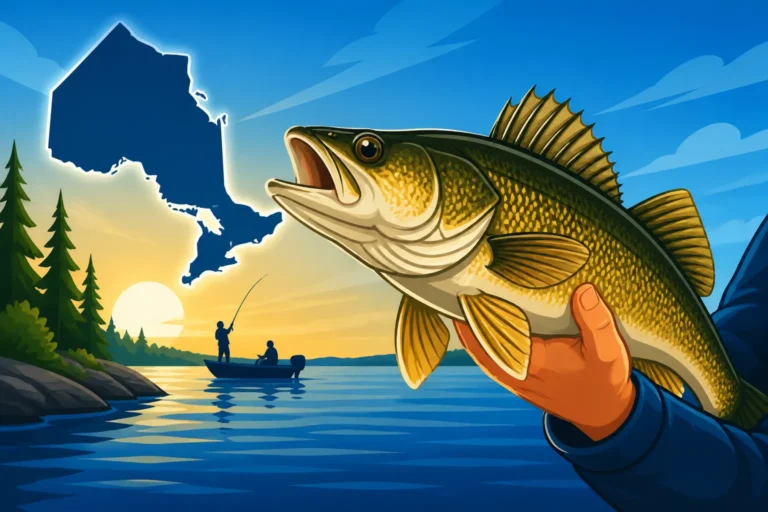
For species like Walleye and Northern Pike, these remote lakes can be an absolute paradise. You're not just catching numbers; you're often finding fish with incredible size and fighting spirit that haven't been "educated" by years of angling pressure. Similarly, for those pursuing the elusive Lake Trout or the vibrant Brook Trout, fly-in access can lead you to lakes where these magnificent fish have reached impressive sizes and exhibit robust health. The fish in these waters are often more willing to strike, providing an exhilarating fishing experience that leaves you dreaming of your next cast. It’s an opportunity to experience fishing as it was meant to be – wild, productive, and endlessly rewarding.
What Makes a Lake "Best" for Fly-In Fishing?
When dreaming of that perfect remote fishing getaway, it's easy to picture any secluded body of water as ideal. However, some characteristics elevate a fly-in lake from merely remote to truly exceptional, promising not just solitude but also incredible fishing and a memorable wilderness experience.
Species Diversity and Population Health
The "best" lakes for fly-in fishing typically boast a healthy, self-sustaining population of your target species. This isn't just about having fish; it's about having fish that are thriving, exhibiting good growth rates, and showing strong numbers. For many, this means a robust population of Walleye, often considered the king of table fare, or aggressive Northern Pike that provide thrilling battles. But it can also extend to magnificent Lake Trout lurking in the depths of cold, clear lakes, or the vibrant Brook Trout found in pristine, smaller water bodies.
A top-tier fly-in lake often has the right habitat mix to support these species, from ample forage to varied structure, deep cool waters, or extensive weed beds. Some lakes are single-species powerhouses, offering incredible action for just one type of fish, while others might offer a fantastic multi-species experience. Before booking, it's wise to consider what you're hoping to catch and research lakes known for those specific species. Information from outfitters, online forums, and even resources like FishingBooker can help you gauge the health and diversity of a lake's fishery. Look for lakes where the natural reproduction is strong, ensuring a sustainable and exciting fishery for years to come.
Remote Wilderness Setting and Natural Beauty
Beyond the fish, the surrounding environment plays an enormous role in the overall quality of a fly-in trip. The best remote lakes are situated in truly wild, untamed landscapes, offering breathtaking natural beauty that complements the fishing experience. This means dense, old-growth forests, granite outcrops characteristic of the Canadian Shield, and the chance to observe abundant wildlife like moose, bears, eagles, and wolves in their natural habitat. The feeling of being completely surrounded by untouched wilderness, far from any signs of human development, is a huge part of the appeal.
The quality of the water itself is also a significant factor. Pristine, clear waters not only look beautiful but often indicate a healthy ecosystem, capable of supporting thriving fish populations. The silence, broken only by natural sounds, contributes to an immersive experience that soothes the soul. These are the places where you truly feel disconnected from the hustle and bustle of everyday life, where the vastness of nature puts everything into perspective. It's an opportunity for stunning photography, quiet reflection, and a deep appreciation for Canada's wild spaces.
Reputable Outfitters and Logistics
Even the most incredible lake can be a letdown without reliable logistics. The success of a fly-in trip hinges heavily on the quality and professionalism of your chosen outfitter. A reputable outfitter will provide well-maintained aircraft, comfortable and safe cabins at their outpost camps, quality boats and motors, and clear communication regarding all aspects of your trip, from booking to departure. They are your lifeline to the wilderness, and their experience and commitment to guest safety and satisfaction are paramount.
When researching options, look for outfitters with a long-standing reputation, positive reviews, and transparent pricing. Platforms like FishingBooker can be excellent for comparing different outfitters, reading past guest experiences, and ensuring you choose a provider that aligns with your expectations for a safe and enjoyable trip. Good communication from the outfitter regarding flight schedules, weight limits for gear, and what to expect upon arrival is crucial. They are not just providing transportation; they are your partners in navigating a truly remote adventure, ensuring everything from your arrival to your fishing experience and eventual departure runs as smoothly as possible.
Unveiling Northern Ontario's Pristine Fly-In Fishing Lakes
Northern Ontario is a vast region, and its fly-in fishing opportunities are spread across countless lakes, each with its unique charm and angling potential. While pinpointing specific lakes is difficult due to their sheer number and the proprietary nature of outfitter leases, we can highlight regions and types of lakes renowned for particular species.
Walleye and Northern Pike Powerhouses
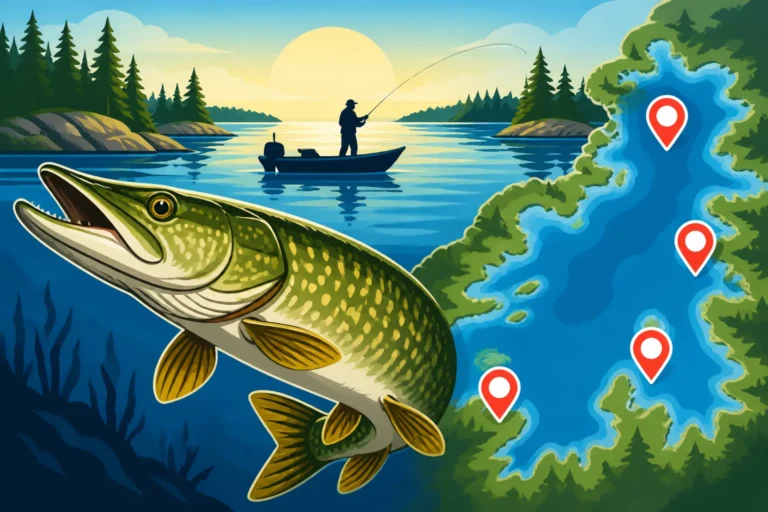
For many anglers seeking a remote fly-in experience, the target is often Walleye and Northern Pike. These species thrive in a variety of Northern Ontario's Shield lakes, particularly those with extensive shallows, abundant weed beds, and intricate structures like submerged shoals, rock piles, and points. The Northwestern Ontario region, particularly around hubs like Red Lake, Sioux Lookout, and Ignace, is often considered a mecca for these species. Here, you'll find countless lakes, many of which are part of larger river systems or chains, offering endless opportunities to explore new water.
Lakes in these areas often exhibit a classic "Canadian Shield" character – dark, tannin-stained waters, rocky shorelines, and depths varying from shallow bays to deeper basins. This diverse habitat creates perfect conditions for both ambush predators like pike and schooling, structure-oriented walleye. You might fly into a lake that provides incredible action for both species, allowing you to switch gears from casting for aggressive pike in the weeds to jigging for walleye on a rocky breakline. For those looking to specifically target these popular fish, knowing How to Catch Walleye in Ontario or mastering techniques for Northern Pike Fishing in Ontario will significantly boost your success rate. Many of the Best Walleye Lakes in Ontario are indeed fly-in only, offering a truly wild experience.
Deep Water Sanctuaries for Lake Trout
If the thought of battling a powerful Lake Trout from the cold, clear depths gets your heart racing, then Northern Ontario's deeper, oligotrophic (nutrient-poor) lakes are your destination. These lakes are typically characterized by crystal-clear waters, immense depths, and rocky, often barren, shorelines. The vast expanse of the Canadian Shield north of Lake Superior, and even further east towards the Temagami region, holds numerous such gems accessible only by air. Lake Nipigon, for instance, is famous for its massive Lake Trout, though not all access is fly-in, many remote sections and surrounding lakes are.
Fly-in lakes for Lake Trout often require different tactics, such as trolling with downriggers or heavy jigging directly over deep structures. The experience of fishing these pristine, often very cold, lakes is unique, offering stunning scenery and the chance to connect with truly ancient fish. These waters remain cold even in summer, providing the ideal habitat for Lake Trout to grow to impressive sizes. Exploring the deep basins and dramatic underwater topography is an adventure in itself. For specific insights into these incredible fish, you can learn more about Lake Trout Fishing in Ontario and the best ways to tackle them in varying conditions. Even in winter, these deep lakes offer fantastic opportunities, making them some of the Best Ice Fishing Lakes in Ontario for those willing to brave the elements.
Brook Trout Paradises on the Canadian Shield
For the purist angler, especially those who enjoy fly fishing, the remote Brook Trout lakes of Northern Ontario are unparalleled. These are often smaller, shallower, and exceptionally clear lakes, frequently spring-fed or connected by small, pristine streams, nestled deep within vast tracts of Crown land. The Canadian Shield's untouched areas, particularly in Central and Northeastern Ontario, hold pockets of these magical waters where native Brook Trout, sometimes of significant size, thrive. These trout are often known for their vibrant colours and spirited fights, offering a truly rewarding experience for those who seek them out.
The appeal here is not just the fish but the intimacy of the setting. It's often a solitary experience, wading quiet shorelines or paddling a small boat, casting to rising fish. The surrounding boreal forest is dense, the air is crisp, and the feeling of wildness is absolute. Accessing these lakes usually means flying into a basic outpost camp, or sometimes even a completely undeveloped lake where you're truly roughing it. Understanding the Brook Trout Native Range in Ontario can help narrow down your search for these special places. For dedicated fly anglers, mastering Fly Fishing for Trout in Ontario techniques is key to unlocking the full potential of these pristine wilderness fisheries.
Planning Your Ultimate Northern Ontario Fly-In Adventure
Embarking on a fly-in fishing trip is more than just a vacation; it's an expedition. Careful planning and preparation are crucial for a successful, enjoyable, and safe wilderness experience.
Choosing the Right Outfitter and Package
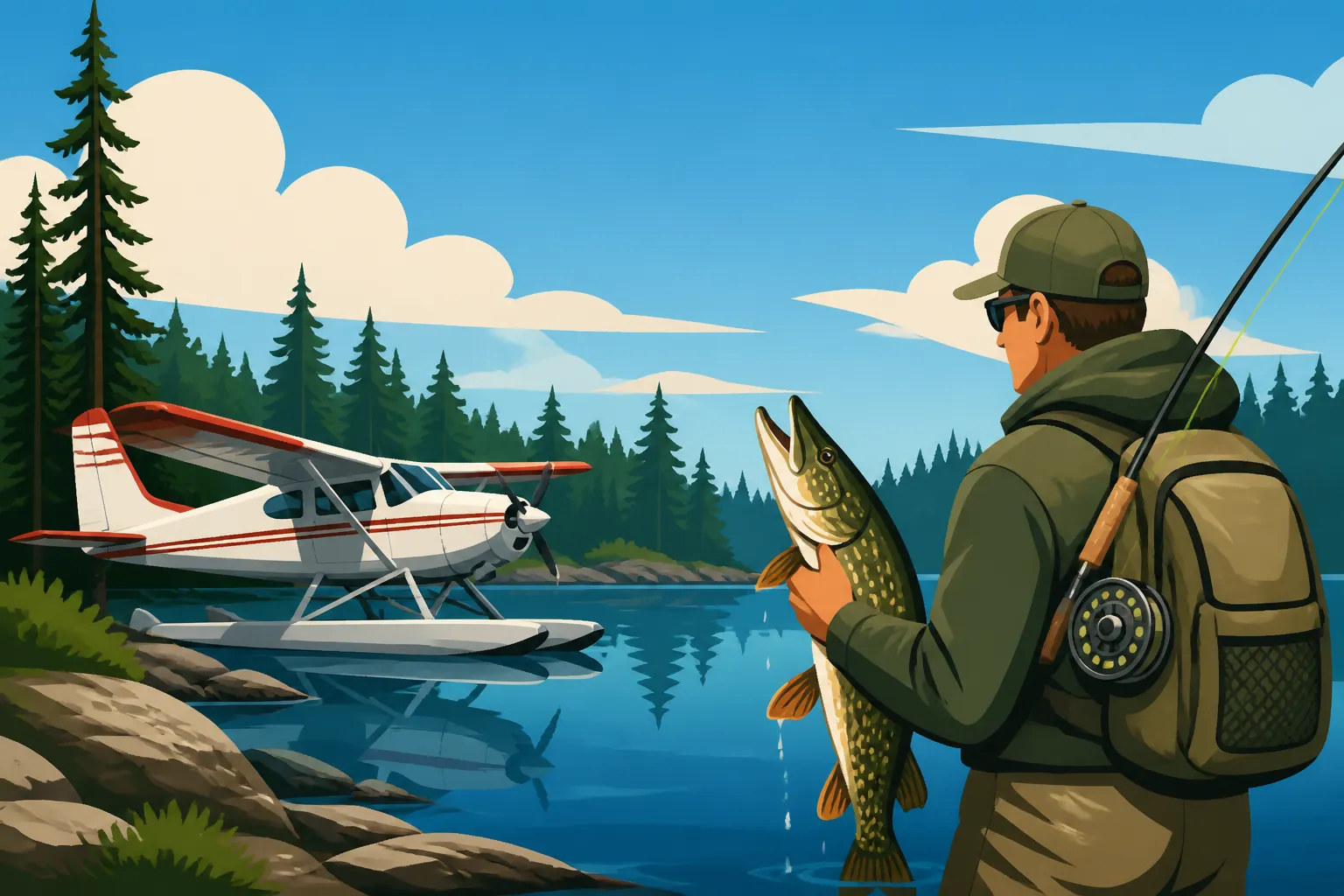
Your outfitter is your gateway to the remote wilderness. They provide the aircraft, often a de Havilland Beaver or Otter on floats, to get you to your chosen lake and the facilities once you arrive. Research is paramount here. Start by determining the type of experience you want:
- Outpost Camps: These are typically self-sufficient cabins on a remote lake, where you bring your own food and handle all cooking and fishing independently. The outfitter provides the cabin, boats, motors, and fuel. This is popular for experienced groups who enjoy autonomy.
- American Plan Lodges: Less common for the absolute most remote fly-ins, but some larger operations offer full-service lodges with meals, guides, and comfortable amenities, often on larger, still remote lakes.
- Fully Guided Trips: For those who want expert assistance, some outfitters offer guided options, where a guide accompanies you daily, often cooking shore lunches and maximizing your fishing success.
When researching, don't just look at websites. Read reviews on platforms like FishingBooker, which can connect you with reputable Canadian outfitters and allow you to compare facilities, pricing, and past guest experiences. Ask specific questions about the age and condition of their planes, boats, and motors, what’s included in the package, and emergency procedures. Ensure they are licensed and insured, and that their safety record is impeccable. A reliable outfitter makes all the difference in a truly remote setting.
| Feature | Outpost Camp (Self-Guided) | Full-Service Lodge (Guided/Semi-Guided) |
|---|---|---|
| Accommodation | Basic cabin, beds, kitchen facilities | Comfortable lodge rooms/cabins, dining hall, amenities |
| Meals | You bring & cook all your food | All meals provided, often gourmet |
| Boats/Motors | Included (basic aluminum boats, outboard motors) | Included (often higher-quality boats), guides may operate |
| Guides | Not included (optional add-on) | Often included or available for daily hire |
| Flexibility | High (you set your schedule) | Moderate (lodge schedule for meals, etc.) |
| Cost | Lower | Higher |
| Experience Level | Experienced anglers comfortable in wilderness | All levels, good for families or those seeking comfort |
| Logistics | Manage your own gear, food, fishing routes | Lodge handles most details, less personal planning required |
| Solitude | Very high (often only group on the lake) | High (but may share lodge with other guests) |
| Ideal For | Adventurous groups, budget-conscious, self-reliant anglers | Those seeking comfort, convenience, and expert assistance |
Essential Gear and Preparation
Packing for a fly-in trip requires a meticulous approach, considering weight limits for the aircraft and the remote nature of your destination. You won't be able to run to a store if you forget something!
- Fishing Tackle: Pack rods appropriate for your target species (medium-heavy for pike/walleye, medium for trout). Bring plenty of lures, jigs, and bait specific to Best Tackle for Ontario Walleye or the fish you're targeting. Don't forget extra line, leaders, and tools like pliers and hook removers. A good quality net, especially a large one for muskie (if you're in a muskie zone, although less common on remote fly-in lakes compared to places like Georgian Bay or Lake St. Clair), is crucial for proper catch and release.
- Clothing: Layering is key for Ontario's unpredictable weather. Include waterproof and windproof outerwear, warm layers, sturdy hiking boots, and bug repellent. Even in summer, evenings can be cool.
- Safety Gear: A first-aid kit is non-negotiable. Carry a satellite phone or satellite messenger device (like an inReach or Spot device) – cell service will be non-existent. A compass and map (or reliable GPS unit) of the lake, fire starters, headlamps, and bear spray (and knowledge on how to use it) are also essential. Remember that fishing without a license can lead to penalties, so ensure you have your Ontario Fishing License Guide for 2026 and that you understand the Ontario Fishing Regulations Explained and Ontario Bag and Possession Limits by Species for your specific zone.
- Food and Drink: For outpost camps, plan every meal. Non-perishables are best, but many outfitters have freezers for meat. Remember to pack water or have a reliable water filtration system, as potable water might not be readily available in the cabin.
Navigating Logistics: Travel and Safety
Getting to the remote lakes involves a few key steps. First, you'll need to drive to a base town in Northern Ontario, such as Thunder Bay, Red Lake, Armstrong, or Hornepayne, where the outfitter's float planes are typically based. These towns often have hotels and amenities for a night's stay before or after your flight.
- Float Plane Travel: This is an incredible part of the adventure itself! Be prepared for strict weight limits for your gear. Outfitters will provide these limits in advance, and it's critical to adhere to them to ensure a safe flight. Your pilot is your guide in the sky, and they are experts in navigating the vast northern wilderness. Flights can sometimes be delayed due to weather, so building in some flexibility for your travel plans is always a good idea.
- On-Lake Safety: Once at your outpost, familiarize yourself with the cabin and the provided boat. Always let someone know your fishing plan for the day. Be mindful of changing weather conditions, which can be severe in the North. If venturing far from camp, carry a portable emergency kit in your boat. Understanding basic boat safety and the Ontario Boating Laws for Anglers is also crucial, as is ensuring you have the proper Life Jacket Requirements for Ontario Boaters for everyone in your party. Staying safe in the wilderness means being prepared, observant, and respectful of your surroundings.
Disclaimer
The information provided in this guide is for general informational purposes only and is not intended as legal, financial, or professional advice. Fishing regulations, license requirements, and safety guidelines can change, and it is the sole responsibility of the individual to consult the most current official resources from the Ontario Ministry of Natural Resources and Forestry (MNRF) before planning and undertaking any fishing trip. Always prioritize safety and respect for the environment.