Best trophy walleye waters in Ontario
Chasing that elusive, monster walleye in Ontario is a dream for so many anglers. It's not just about catching fish; it's about the thrill of hooking into something truly substantial, a fish that tests your gear and your grit. But figuring out where to find these giants, and how to consistently tempt them, can feel like trying to solve a complex puzzle. This comprehensive guide is here to break down the best trophy walleye waters in Ontario, sharing insights on where these behemoths lurk and how to increase your chances of landing one.
Understanding Trophy Walleye in Ontario
Before we dive into specific locations, let's talk about what makes a "trophy" walleye in Ontario. It's more than just a big fish; it's often a mature, seasoned predator that has survived countless challenges and grown to impressive dimensions. Understanding what contributes to their size helps us narrow down the best places to find them.
What Qualifies as a Trophy Walleye
In Ontario, a trophy walleye typically means a fish that is significantly larger than the average catch. While opinions can vary, most serious walleye anglers consider a fish over 10 pounds or exceeding 30 inches in length to be in the trophy class. Fish pushing 12-15 pounds are truly exceptional and represent the pinnacle of walleye fishing in the province. These are the fish that make headlines, often requiring years, if not decades, to reach such formidable sizes. Remember, these aren't everyday catches, which is precisely what makes them so special and sought after.
Key Factors for Giant Walleye Growth
Several critical factors contribute to a walleye reaching trophy dimensions. Foremost is an abundant and consistent food source. Lakes and rivers rich in forage like smelt, cisco (lake herring), alewife, or even yellow perch provide the necessary calories for rapid growth. Water quality also plays a huge role; clean, well-oxygenated water allows walleye to thrive. Genetics are another piece of the puzzle, with some populations simply having the natural propensity for larger growth. Finally, fishing pressure and effective conservation practices, like slot limits or catch-and-release programs, help protect these larger, older fish, allowing them to continue growing and contributing to the gene pool. If a lake has a healthy population of large forage fish and consistent management, it's a strong contender for producing trophy walleye.
Premier Destinations for Giant Walleye
Ontario is a vast province with countless lakes and rivers, but a few stand out as consistent producers of trophy walleye. These are the legendary waters that every serious walleye angler dreams of fishing.
Lake Erie's Productive Waters
When it comes to sheer numbers and potential for large walleye, Lake Erie, particularly its western basin, is a juggernaut. It’s often touted as one of the best walleye fisheries in the world, and for good reason. The shallow, fertile western basin is an ideal spawning ground, and the immense food base (primarily emerald shiners and smelt) fuels incredible growth rates.
While Lake Erie produces an astonishing number of walleye, finding the true trophy-class fish often means venturing into slightly deeper, cooler waters or targeting specific times of year. During the summer, walleye can be found relating to deep water structure, humps, and subtle breaks. Trolling with crankbaits or spoons at precise depths is a common and highly effective technique here. Areas near Port Stanley, Long Point Bay, and the offshore reefs between Leamington and Wheatley are renowned. The fishing here can be truly phenomenal, with anglers frequently boating multiple fish over the 8-pound mark, and the potential for a double-digit behemoth always looming. If you're planning a trip, be sure to check the specific Lake Erie Walleye Fishing regulations, as they can sometimes differ from other zones.
Bay of Quinte's Legendary Fall Run
For many Canadian anglers, the Bay of Quinte is synonymous with trophy walleye, especially during its fabled fall run. This long, narrow bay on the north shore of Lake Ontario acts as a massive feeding ground and staging area for walleye migrating from Lake Ontario before they head to their spawning grounds in the Trent River system.
The fall bite, typically from late September through November, is when the Bay of Quinte truly shines. Walleye gorge themselves on alewives and cisco, packing on serious weight before winter. Fish in the 10-14 pound range are common during this period, with larger specimens caught every year. Trolling large stickbaits and crankbaits, often at night or during low-light conditions, is the dominant tactic. Focus on the main channel and deeper areas where baitfish congregate. The Bay of Quinte isn't just about big fish; it's about the consistent opportunity to catch multiple big fish, making it a bucket-list destination. Understanding the nuances of Bay of Quinte Walleye Fishing can greatly improve your success here.
Remote Northern Ontario Gems
While Lake Erie and the Bay of Quinte offer incredible access to big walleye, Northern Ontario holds some truly special, often more remote, waters where giant walleye thrive under less fishing pressure. These lakes are typically larger, deeper, and offer vast, wild habitats.
Lake Nipigon: This colossal lake north of Thunder Bay is legendary for its massive lake trout, but it also produces some of the biggest walleye in the province. With its cold, deep waters and abundant forage, walleye here grow slowly but to immense sizes. It's not a numbers game like Lake Erie, but the quality of fish is unparalleled. Targeting deep reefs and rocky points is key. Be prepared for challenging conditions and variable weather when fishing Lake Nipigon.
Lake of the Woods: Straddling the Ontario-Manitoba border, Lake of the Woods is an enormous body of water, studded with thousands of islands and endless structure. Its vastness means less pressure on individual fish, allowing walleye to grow to impressive sizes. It’s renowned for both numbers and size. Look for fish on deep reefs, weed edges, and current areas. Resorts in the Kenora and Sioux Narrows areas cater to walleye anglers.
Eagle Lake: Located near Vermilion Bay, Eagle Lake is another gem known for producing trophy walleye, as well as muskie and lake trout. It’s a classic Canadian Shield lake with clear water, rocky structure, and a healthy forage base. While not as big as Lake of the Woods, it consistently produces double-digit walleye for those who put in the time.
Rainy Lake: Sharing its waters with Minnesota, Rainy Lake is a huge, sprawling lake with incredible structure and a robust walleye population. Like Lake of the Woods, its sheer size and diverse habitat allow walleye to grow large. Anglers often target its many bays, islands, and river mouth areas.
These northern lakes require more planning, often involving fly-in camps or longer drives, but the reward of a true wilderness trophy walleye can be unmatched.
Strategies for Targeting Trophy Walleye
Finding the right water is only half the battle. To consistently land trophy walleye, you need to employ specific techniques, understand seasonal patterns, and commit to responsible angling practices.
Advanced Techniques and Tackle
Trophy walleye are old, wise, and often more wary than their smaller counterparts. Therefore, different tactics are often required.
- Bigger Baits: Forget the tiny jigs. Trophy walleye often prefer larger presentations that mimic their primary forage. Think 5-6 inch stickbaits for trolling, substantial swimbaits, or large jigging spoons. When considering Best Baits for Walleye on Lake Erie, remember that size often matters for bigger fish.
- Precision Trolling: On large bodies of water like Lake Erie or the Bay of Quinte, trolling allows you to cover vast amounts of water and present baits at precise depths. Using planer boards to spread out lines, coupled with depth-specific crankbaits like the Bandit Walleye Deep, Rapala Deep Husky Jerk, or Reef Runner series, is essential. Monitoring your speed and depth with GPS and a good fish finder is critical.
- Deep Water Jigging: During warmer months, trophy walleye often retreat to deeper, cooler water. Vertical jigging with heavy spoons (like a Northland Buck-Shot Rattle Spoon) or blade baits (like a Cicada or Sebile Vibrato) can be incredibly effective when you mark fish on structure.
- Night Fishing: This is a secret weapon for trophy walleye, especially in clear waters or during heavy boat traffic. Walleye are highly nocturnal predators, and the biggest fish often feed most aggressively under the cover of darkness. Trolling stickbaits or casting shallow-running cranks along weed lines and drop-offs can be deadly. Learn more about Night Fishing for Walleye in Ontario for specific tips.
- Live Bait Rigs: While artificials are popular, don't discount live bait, especially large minnows (like shiners or suckers) or a big nightcrawler on a Lindy Rig or a heavier bottom-bouncing setup. These can be particularly effective in northern lakes or when fish are finicky.
Timing and Conditions for Success
The time of year, day, and even the weather can dramatically influence your chances of catching a trophy walleye.
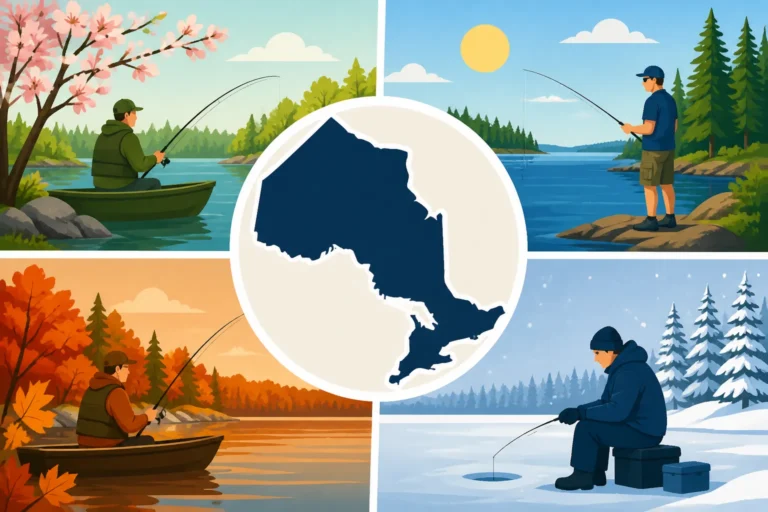
- Seasonal Peaks: The late fall bite on the Bay of Quinte is legendary for a reason, as walleye bulk up for winter. Early spring, shortly after ice-out and the walleye opener, can also produce giants as they recover from spawning and feed aggressively. Summer can be excellent for deep-water trolling on Lake Erie or the large northern lakes. Always check Ontario Walleye Opener Dates by Zone to ensure you're fishing legally.
- Low Light Conditions: As mentioned, dawn, dusk, and nighttime are prime feeding windows for walleye. Their excellent low-light vision gives them an advantage over baitfish during these periods. Don't overlook cloud cover or stormy weather, as these conditions can also improve daytime bites. Understanding the Best Time of Day to Catch Walleye is crucial for planning your outing.
- Water Temperature: Walleye are cool-water fish, generally preferring temperatures between 55-70°F (13-21°C). Locating the preferred temperature zone in a lake can often lead you directly to actively feeding fish.
- Structure and Forage: Trophy walleye will always be found close to ample forage and key structural elements. This could be deep humps, rocky reefs, submerged points, current seams, or extensive weed lines. A good fish finder is invaluable for identifying these areas and the baitfish that will attract the big walleyes. Knowing What walleye eat in Ontario lakes will help you choose the right imitations.
The Role of Conservation and Catch & Release
For trophy walleye fisheries to continue producing these magnificent fish, responsible angling practices are paramount. A 10-pound walleye is often 10-15 years old, a valuable breeder, and a survivor.
- Practice Catch & Release: While keeping a legal-sized fish for dinner is perfectly fine, consider releasing trophy-class walleye. These large females are crucial for the health of the fishery. If you do release, handle them with care, minimizing air exposure, supporting their body weight, and using appropriate tools like a large, rubberized net.
- Know the Regulations: Always be aware of the current Ontario Fishing Regulations Explained, including specific size limits, slot limits, and possession limits for the zone you are fishing. For example, some zones might have a specific Ontario walleye daily limit or even catch-and-release only sections for larger fish.
- Use Proper Gear: Using appropriate gear that can quickly land a large fish minimizes stress on the fish. Strong lines, robust rods, and sharp hooks are essential.
Planning Your Trophy Walleye Expedition
Getting ready for a trophy walleye trip involves more than just packing your rods. Thoughtful preparation can make all the difference, especially when heading to more remote areas.
Essential Gear and Boat Considerations
To chase trophy walleye, you'll need reliable equipment that can handle a battle with a heavy fish.
- Rods and Reels: For trolling, medium-heavy to heavy power rods (7-10 feet) with a moderate action are ideal, paired with line counter reels spooled with 15-20 lb monofilament or braided line. For jigging, a sensitive 6'6" to 7' medium-heavy spinning or casting rod with a fast action, spooled with 10-20 lb braid and a fluorocarbon leader, works well.
- Line and Leaders: Braided line offers excellent sensitivity and strength, but always use a fluorocarbon leader (15-25 lb test) in clear water or when fish are line-shy. For toothy northern pike which can sometimes ambush walleye, a bite guard might be wise.
- Lures and Baits: Stock up on various large crankbaits, stickbaits, jigging spoons, swimbaits, and blade baits in proven walleye colors (perch, firetiger, chrome/blue, natural baitfish). Don't forget live bait options if the regulations allow and you plan to use them. Check out Best Crankbaits for Ontario Walleye for specific recommendations.
- Boat: A sturdy, deep-V boat (18-24 feet) with a reliable outboard is highly recommended for tackling large bodies of water like Lake Erie, Lake of the Woods, or Lake Nipigon, which can get rough quickly. For the Bay of Quinte, a similar setup is ideal. Make sure your boat is equipped with a good GPS chartplotter, a quality fish finder (with side imaging if possible), and all required safety gear.
Finding Reliable Guides and Accommodations
Especially for first-timers or those exploring remote northern lakes, hiring a local guide can significantly increase your chances of success. Guides know the water, the patterns, and often have the specialized gear required for targeting trophies.
If you're not familiar with a particular area or prefer a hassle-free experience, platforms like FishingBooker can help you connect with experienced local guides and charters specializing in trophy walleye. They often know exactly what it takes to find those big fish and can provide all the necessary gear. For accommodations, many excellent resorts and lodges cater to anglers near prime walleye fisheries. In more remote areas, outpost camps offer a true wilderness experience.
Navigating Regulations and Seasons
Ontario's fishing regulations are designed to protect fish populations and ensure sustainable fisheries. Before any trip, it's absolutely crucial to consult the most current Ontario Fishing Regulations Summary for the specific Fisheries Management Zone (FMZ) you plan to fish.
This will detail:
- Fishing Seasons: Opening and closing dates for walleye.
- Bag and Possession Limits: How many walleye you can keep and have in your possession.
- Size Restrictions: Any slot limits or minimum/maximum sizes for retention.
- Specific Lake Regulations: Some lakes or sections of rivers may have unique rules.
- Licensing: Ensure you have a valid Ontario Fishing License Guide for 2026 and an Outdoors Card.
Failing to understand and follow these regulations can result in significant fines and impact your fishing privileges. Always double-check before you hit the water.
Comparing Ontario's Trophy Walleye Waters
Here's a quick overview of some of the top spots for trophy walleye in Ontario:
| Lake/Bay | Best Known For | Prime Season | Typical Trophy Size (lbs) | Key Techniques |
|---|---|---|---|---|
| Lake Erie | High numbers, consistent big fish | Summer, Early Fall | 8-12 | Trolling crankbaits/spoons, deep jigging |
| Bay of Quinte | Legendary fall run, huge fish | Fall (Sept-Nov) | 10-14+ | Night trolling large stickbaits |
| Lake Nipigon | Giant, old growth walleye | Summer | 10-15+ | Deep jigging, trolling large baits on structure |
| Lake of the Woods | Abundant fish, great trophy potential | Summer, Fall | 8-12 | Trolling, jigging reefs, live bait rigging |
| Eagle Lake | Quality over quantity, big fish | Summer, Early Fall | 8-12 | Jigging, trolling, live bait rigging |
| Rainy Lake | Vast system, diverse habitats | Summer, Fall | 8-12 | Trolling, jigging, exploring diverse structure |
Disclaimer
The information provided in this guide is for general informational purposes only. Fishing regulations, seasons, and conditions can change. Always consult the official Ontario Fishing Regulations Summary for the most current and accurate information before planning any fishing trip.