Best fishing spots on the Moon River
Trying to find those hidden gems for fishing in Ontario can feel like searching for a needle in a haystack, especially when you hear whispers of fantastic spots but don't know where to start. Many anglers spend countless hours just driving around, looking for public access or a promising stretch of water, only to come up short. If you've been dreaming of casting a line into a river that offers diverse species, stunning scenery, and a genuine challenge, you've come to the right place. This comprehensive guide will take you through the best fishing spots on the Moon River, helping you unlock its secrets for a truly memorable angling adventure.
Understanding the Moon River's Unique Fishery
The Moon River isn't just another waterway; it's a dynamic and diverse ecosystem that offers a unique fishing experience, especially for those who love the blend of river and big-lake characteristics. Flowing from the popular Lake Muskoka at Bala and emptying into the vast Georgian Bay, this river acts as a vital corridor for many fish species, influenced by both upstream and downstream forces.
Geography and Habitat Dynamics
The Moon River carves its path through the rugged Canadian Shield, characterized by a fascinating mix of rock outcroppings, granite ledges, and deep channels. It’s not a uniform river; you’ll find everything from swift, oxygenated rapids near Bala Falls to wide, slow-moving sections that resemble small lakes, and then the final stretch that widens significantly as it approaches Georgian Bay.
This varied geography creates a multitude of habitats. The rocky sections provide excellent cover for ambush predators like pike and muskie, while the deeper pools and slower currents hold walleye. Submerged logs, weed beds in quieter bays, and rock piles offer prime real estate for smallmouth and largemouth bass, as well as various panfish. The constant flow ensures well-oxygenated water, even in the heat of summer, and the connection to Georgian Bay means migratory fish frequently move through, following baitfish or heading to spawning grounds. Understanding the river's unique structure is key to cracking its code; it's a place where river fishing techniques meet big-water strategies.
Primary Target Species and Their Appeal
The Moon River is a multispecies angler's dream, boasting a healthy population of several sought-after game fish. Each species offers a different challenge and a distinct reward, making every trip an exciting prospect.
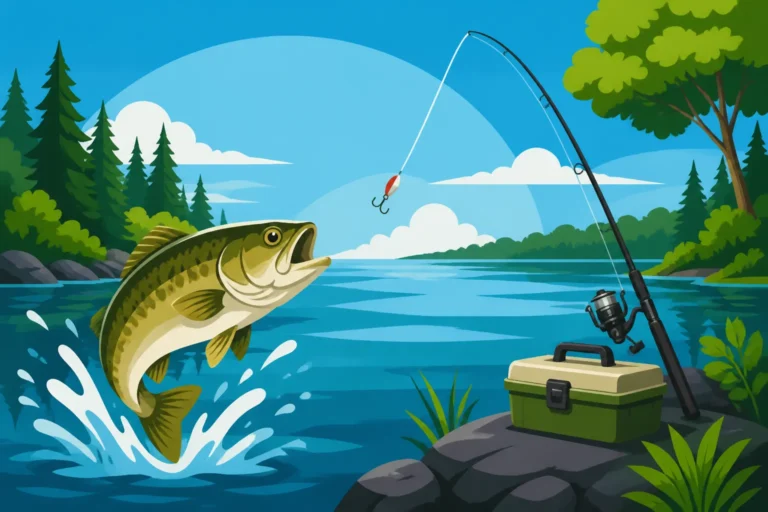
- Smallmouth Bass: These bronze bombers thrive in the Moon River's rocky, current-swept areas. They are aggressive fighters, known for their strong runs and acrobatic jumps. The river's abundant crayfish and baitfish populations ensure these bass grow large and are always on the hunt. You can often find them lurking around current breaks, submerged boulders, and points.
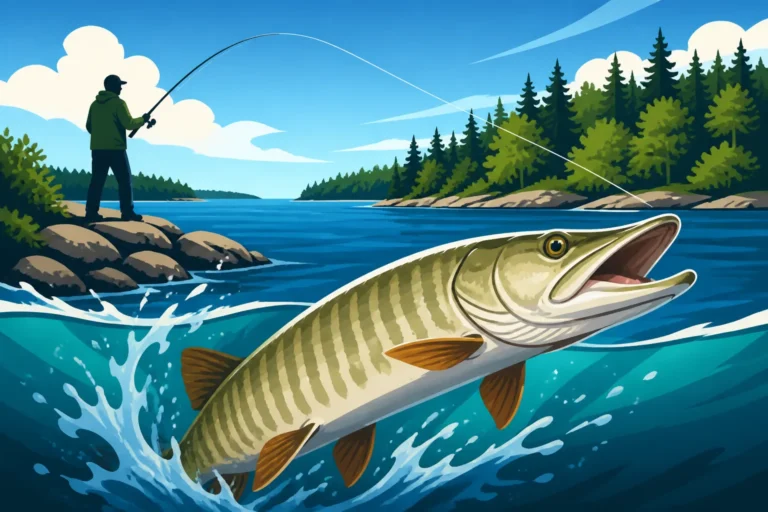
- Muskellunge: For the dedicated trophy hunter, the Moon River is a well-known muskie hotspot. The river’s extensive weed lines, deep cuts, and rocky structure provide ideal ambush points for these apex predators. Many anglers specifically target muskie here, drawn by the chance of hooking into one of Ontario's largest freshwater fish. Patience and persistence are key when chasing these elusive giants, and a good Best Muskie Gear for Ontario Waters setup is crucial.
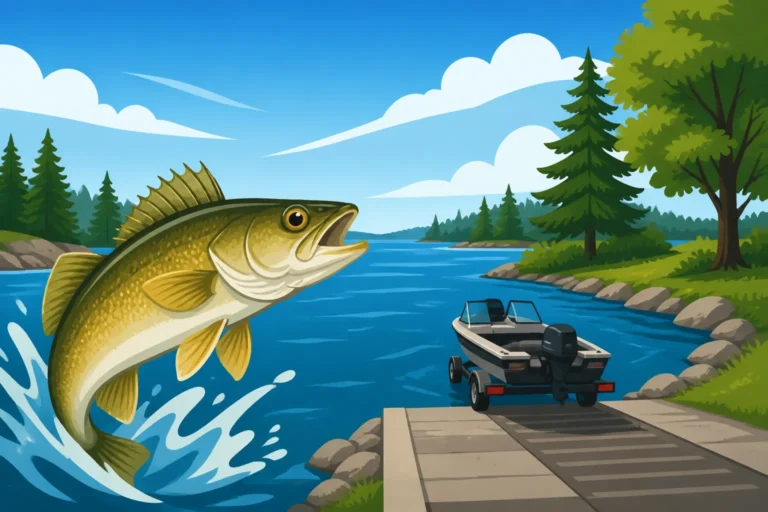
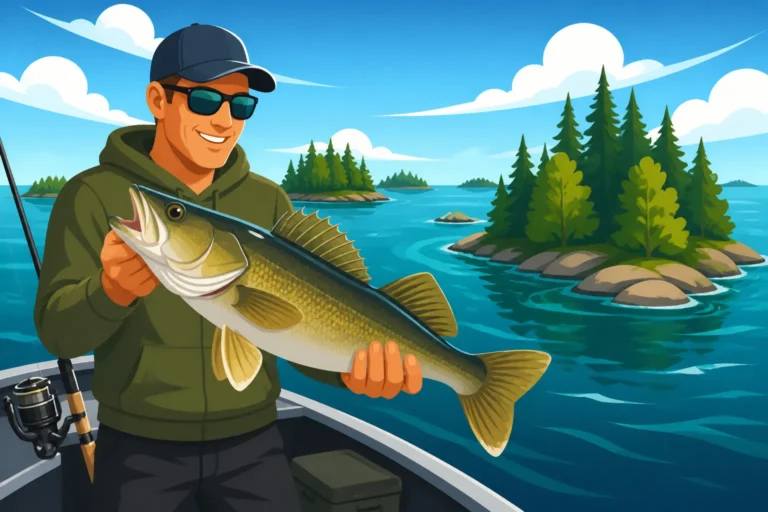
- Walleye: While perhaps not as prevalent as muskie or bass in all areas, walleye can be found in the deeper, darker sections of the river, especially during low light conditions or when they move in from Georgian Bay or Lake Muskoka. Their schooling nature means if you find one, you'll likely find more. They often relate to current seams and sharp depth changes. If you want to know How to Catch Walleye in Ontario, focusing on these areas is a good start.
- Northern Pike: The Moon River's numerous weed beds and slack water areas are perfect for northern pike. They are fierce, opportunistic feeders, and while not as challenging as muskie, they offer consistent action and can grow to respectable sizes. They are often found lurking in the shadows of submerged timber or dense vegetation.
- Panfish: For a relaxed day on the water, various panfish like black crappie, rock bass, and yellow perch abound, especially in the quieter back bays and shallow weed beds. These make for excellent family fishing opportunities or a fun way to fill some time between bites from larger game fish.
Prime Fishing Spots Along the Moon River
The Moon River is a series of diverse fishing environments. To truly experience its potential, you need to understand the distinct zones and what they offer.
Bala Falls Area and the River's Mouth from Lake Muskoka
The section of the Moon River immediately below Bala Falls, where it drains from Lake Muskoka, is a highly dynamic and often very productive area. The falls themselves create a significant current, oxygenating the water and drawing in baitfish. This makes it a prime feeding ground for predatory species.
Anglers often focus on the eddies and current seams directly below the falls. Smallmouth bass absolutely love these turbulent areas, using the current to their advantage to ambush prey. You'll find them holding just out of the main flow, ready to dart out and grab a passing meal. Further downstream, as the river widens slightly but still retains a strong current, look for deeper pockets and submerged rock piles. Walleye will often stage in these deeper, darker areas, especially during low light. However, navigating this section requires caution due to the strong currents and rocky bottom. It's a fantastic spot for those who enjoy challenging river fishing.
Mid-River Channels and Island Structures
As you move away from the immediate influence of Bala Falls, the Moon River starts to broaden in sections, featuring deeper main channels and numerous islands, both large and small. These areas offer some of the most consistent fishing on the river.
The main channels provide depth and a consistent flow, which are appealing to species like walleye and lake trout (though lake trout are less common in the river itself, they can move in from Georgian Bay in certain seasons). Look for areas where the channel narrows or features a sharp bend, as these often create deeper scour holes. Side channels and the waters around the islands are particularly fruitful. Islands often have submerged points, rock reefs, and drop-offs that extend into deeper water, creating perfect ambush spots for muskie and northern pike. When the water gets cooler, these deeper points become critical. You might even consider booking a local guide through a service like FishingBooker to help pinpoint these exact structures, as their expertise can be invaluable in a complex river system.
Back Bays, Inlets, and Protected Coves
Away from the main flow of the river, the Moon River boasts numerous quieter back bays, shallow inlets, and protected coves. These areas often feature extensive weed beds, lily pads, and submerged timber, creating entirely different ecosystems.
These calmer waters are prime habitat for largemouth bass, which prefer the cover and warmer water of these sheltered spots. They’ll be hiding amongst the vegetation, waiting to ambush prey. Northern pike also frequent these bays, particularly if there are large weed flats. For panfish enthusiasts, these bays are a goldmine. You'll find crappie, perch, and sunfish in abundance, especially around docks, fallen trees, and overhanging bushes. These spots are also much more accessible for smaller boats or even kayak fishing, offering a peaceful angling experience away from the main boat traffic. Exploring these quieter areas can often lead to surprising catches and a chance to truly enjoy the serenity of the river.
The Influence of Georgian Bay and Connecting Waters
The Moon River's connection to Georgian Bay, a part of Lake Huron, is a significant factor in its fishery. This connection means fish can move freely between the vast waters of the bay and the river, especially during spawning seasons or in search of food. The lower sections of the Moon River, as it widens and approaches Georgian Bay, take on more of a big-water feel.
This area is particularly known for excellent muskie fishing, as these giants often patrol the confluence and adjacent bay waters. Walleye also migrate into the river from Georgian Bay, especially in spring and fall. The influence of these larger bodies of water introduces a level of unpredictability and excitement, as you never quite know what might show up. Similarly, the upstream connection to Lake Muskoka also contributes to the fish populations, with species moving in and out depending on conditions. Understanding these migratory patterns, often found in guides like Ontario Fishing Season Dates by Zone, can help you time your trips for optimal success.
Essential Techniques and Gear for Moon River Success
Fishing the Moon River requires a versatile approach, adapting your techniques and gear to the varied habitats and species you'll encounter. Being prepared for different scenarios will significantly increase your chances of success.
Baits and Lures That Work on the Moon River
Selecting the right lure or bait is critical for matching the hatch and appealing to the various predators in the Moon River.
- For Smallmouth Bass: Crankbaits mimicking crayfish or baitfish are incredibly effective, especially when bounced off rocky bottoms or retrieved through current. Jerkbaits and topwater lures can also produce explosive strikes, particularly in early morning or late evening. Soft plastic tubes and senkos, rigged weedless, are excellent for pitching into cover or around submerged rocks. Consider a dark green or brown tube jig for mimicking crayfish, a staple in their diet.
- For Muskie and Northern Pike: Large bucktail spinners, oversized crankbaits, and swimbaits are the go-to choices. Bright colors or natural baitfish patterns can be effective depending on water clarity. Pike are less finicky and will often hit a wider variety of spoons and spinnerbaits, while muskie often require more specialized presentation and patience. Learning Best Lures for Muskie Fishing in Ontario can be a game-changer for these giants.
- For Walleye: Jigs tipped with live minnows or soft plastics are hard to beat, especially when worked along current seams or over deeper structure. Crawler harnesses and deep-diving crankbaits can also be effective when trolling. In low light, bright colors like chartreuse or firetiger can be particularly appealing.
- For Panfish: Small jigs tipped with a grub or a piece of worm, tiny spinners, or a simple worm under a bobber will generally do the trick. Light tackle makes these smaller fish incredibly fun to catch.
Best Fishing Methods for the Moon River
Given the diverse nature of the Moon River, a range of fishing methods will prove useful.
- Casting: This is perhaps the most common method, especially for targeting bass, pike, and muskie around structure, weed lines, and current breaks. Precision casting allows you to place your lure exactly where you think the fish are holding.
- Trolling: In the wider, deeper sections of the river, especially closer to Georgian Bay, trolling can be an effective way to cover water and locate schooling walleye or cruising muskie. Using downriggers or planer boards might be necessary for deeper presentations.
- Drift Fishing: Utilizing the river's current to drift a bait or lure can be very effective, particularly for walleye and smallmouth bass. This method allows for a natural presentation and can cover a lot of water efficiently without constant casting or engine use. Drifting live bait or jigs through current seams is a classic river technique.
- Sight Fishing: In clear water conditions, particularly in shallower bays, sight fishing for bass or pike can be an exciting challenge, requiring stealth and accurate casts to visible targets.
Recommended Gear for Moon River Anglers
Having the right gear makes a huge difference in comfort and success on the Moon River.
- Rods and Reels: For smallmouth and walleye, a medium-light to medium power spinning rod with a fast action, paired with a 2500 or 3000 series reel, will offer versatility. For muskie and larger pike, a heavy power baitcasting rod (7'6" to 9') with a high-quality baitcasting reel capable of handling heavy lines and big lures is essential. Check out Best Fishing Rods for Ontario Lakes for general advice, but tailor it to the river's specific needs.
- Line: Braided line (20-30lb test) with a fluorocarbon leader (8-15lb for bass/walleye, 80-100lb for muskie/pike) is a great all-around choice. Braid offers sensitivity and strength, while fluorocarbon provides invisibility and abrasion resistance.
- Boat: A boat is highly recommended for exploring the Moon River fully. A sturdy aluminum boat, a bass boat, or even a robust fishing kayak (especially for accessing shallower bays) will serve you well. Ensure your boat is equipped with all necessary safety gear as per Ontario Boating Laws for Anglers.
- Electronics: A reliable fish finder with GPS capabilities is invaluable for navigating the river, identifying submerged structure, and marking promising fishing spots. Many anglers find great value in units from brands like Humminbird or Garmin.
- Other Essentials: A good pair of polarized sunglasses to cut glare, a wide-brimmed hat, sunscreen, insect repellent, and plenty of water are must-haves. A quality landing net (a large one for muskie) and appropriate release tools are also crucial for catch-and-release practices.
Navigating the Moon River and Local Considerations
Fishing the Moon River isn't just about lures and techniques; it's also about understanding the logistics of access, navigation, and seasonal changes.
Boat Access, Navigation, and Potential Hazards
Accessing the Moon River generally requires a boat, as shore fishing opportunities are limited due to private property and the rugged terrain. There are public boat launches available, such as those in Bala or closer to the Georgian Bay side. Bala Public Boat Launch, located directly on the Moon River as it exits Lake Muskoka, is a popular spot. Further downstream, smaller resorts or marinas may offer launches for a fee.
Navigating the river can be tricky, especially if you're unfamiliar with it. The section below Bala Falls is characterized by strong currents and numerous rocks and shoals. Even in wider sections, submerged rocks and shallow areas are common, particularly during periods of lower water levels. Always consult updated navigation charts and exercise caution. Maintaining a safe speed and being aware of other boaters are paramount. Services like FishingBooker can help connect you with local charter captains who know these waters like the back of their hand, ensuring a safe and productive trip, even if it's your first time out.
Seasonal Considerations for Optimal Fishing
The Moon River offers excellent fishing opportunities throughout the open water season, but the bite changes with the seasons.
- Spring (Post-Ice Out to Early Summer): This is often a prime time. As the water warms, fish become more active after winter sluggishness. Walleye and northern pike are often found in shallower bays and river bends, while smallmouth bass begin to move into shallower, rocky areas in preparation for their spawn. The period immediately following the walleye opener can be incredibly productive, requiring specific Best Techniques for Ontario Walleye Opener.
- Summer (Late June to August): During the peak of summer, fish may move to deeper, cooler water or seek out oxygenated areas in the current. Early mornings and late evenings are often the most productive times. Muskie fishing can be fantastic, especially around dense weed growth and deeper structure. Topwater presentations for bass can be very exciting.
- Fall (September to Ice-Over): Many anglers consider fall to be one of the best times to fish the Moon River. Fish, especially muskie and pike, feed aggressively in preparation for winter. They can be found in a variety of depths, often relating to structure and baitfish schools. The cooler water temperatures make for powerful fights.
Regulations and Conservation Practices
It’s crucial to be familiar with and abide by all Ontario fishing regulations. The Moon River falls within specific Fisheries Management Zones (FMZs), and species-specific regulations regarding open seasons, size limits, and possession limits apply. Always consult the current year's Ontario Fishing Regulations Explained summary before heading out.
Catch and release is a strong ethos on the Moon River, particularly for muskie and larger bass, to help sustain healthy populations. If you do plan to keep fish for consumption, always check for any consumption advisories specific to the Moon River or Georgian Bay area. Using barbless hooks, minimizing handling time, and practicing proper fish handling techniques are essential for ensuring the health of the fish you release.
| Prime Fishing Area | Target Species | Best Techniques | Key Features / Structure |
|---|---|---|---|
| Bala Falls & River Mouth | Smallmouth Bass, Walleye, Pike | Casting jigs, crankbaits; drift fishing live bait | Strong current, eddies, submerged rocks, oxygenated water |
| Mid-River Channels & Islands | Muskie, Walleye, Smallmouth Bass | Trolling, casting bucktails, deep diving crankbaits | Deep channels, submerged points, rock reefs, current breaks |
| Back Bays & Inlets | Largemouth Bass, Northern Pike, Panfish | Casting soft plastics, spinnerbaits; bobber fishing | Weed beds, lily pads, fallen timber, calmer water |
| Georgian Bay Confluence (Lower River) | Muskie, Walleye, Pike | Large bucktails, swimbaits, deep trolling | Widening river, extensive main channel, access to Georgian Bay |
The Moon River offers a truly captivating fishing experience, whether you're chasing trophy muskie or enjoying a relaxing day catching panfish. Its varied landscape and abundant fish populations make it a destination worth exploring, again and again.
Disclaimer
The information provided in this guide is for general informational purposes only and is subject to change. Always consult the most current Ontario fishing regulations and local advisories before engaging in any fishing activities. Ensure you have the necessary licenses and safety equipment. Fishing involves inherent risks, and adherence to all safety guidelines is your responsibility.