Best Lures for Muskie Fishing in Ontario
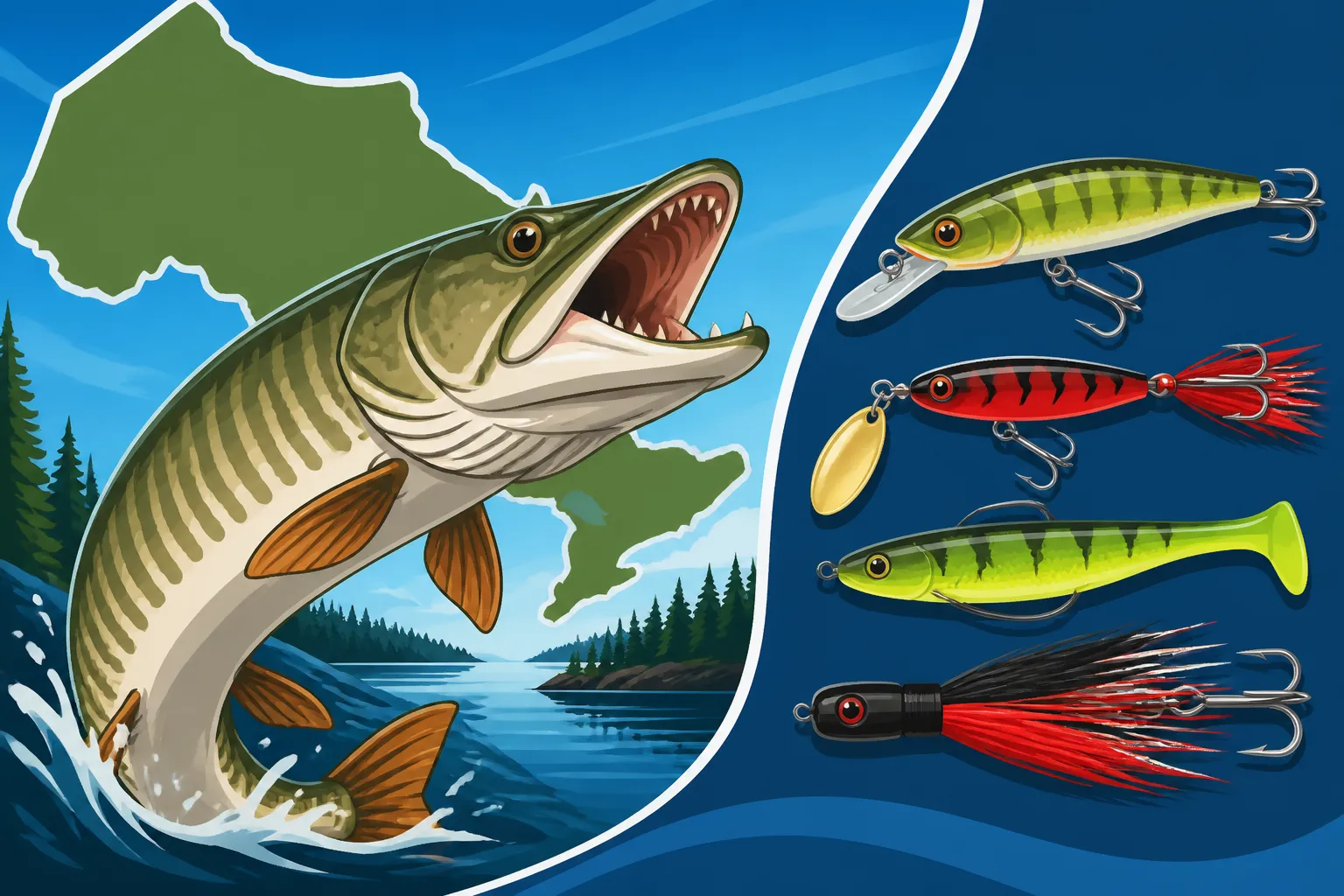
Muskie fishing in Ontario isn't just a hobby; for many, it's a relentless pursuit, often leaving anglers wondering if they're throwing the right bait at the right time. The sheer size and elusive nature of these apex predators mean that choosing the best lures can feel like cracking a secret code. This comprehensive guide is here to demystify muskie lures, helping you understand what to tie on when you're chasing the fish of 10,000 casts across Ontario's diverse waters.
Understanding Muskie Feeding Habits and Lure Selection
When you're out there on the water, battling the elements and the clock in search of that elusive muskie, it's easy to get overwhelmed by the sheer number of lures available. But the truth is, muskie aren't just hitting any old thing that swims by. They're intelligent, opportunistic predators, and understanding their typical habits and preferences is the first step to making your lure selection count. Think about what a muskie wants to eat, and how it hunts, and you're already ahead of the game.
The Muskie's Diet and Prey Imitation
Muskie are voracious eaters, and their diet in Ontario's lakes and rivers is incredibly varied. They'll key in on anything from suckers, ciscos, and whitefish in deeper, colder waters, to perch, bass, and even ducks or muskrats closer to shore and in weedier environments. This means your lures need to effectively mimic these natural food sources. It's not just about size, though that's certainly a factor – muskie often prefer large meals to expend less energy on multiple small strikes. It's also about profile, action, and even subtle vibrations that call to these predators. When you're choosing a lure, ask yourself: does this look like something a muskie would naturally ambush? Does it move like their prey? This thought process will lead you to more strategic choices rather than just picking the prettiest lure. For more on what these fish like to eat, check out our guide on What muskie eat in Georgian Bay.
Matching Lures to Ontario's Muskie Habitats
Ontario boasts an incredible variety of muskie waters, from the vast, windswept expanse of Georgian Bay to the intricate weed lines of the Kawartha Lakes, or the powerful currents of the French River. Each environment calls for a slightly different approach. In clear, deep lakes like those found in Algonquin Park, muskie might be suspended over open water, chasing pelagic baitfish, requiring long-casting, deep-diving lures. In contrast, heavily vegetated bays demand weedless presentations, like soft plastics or topwaters that can glide over pads and through thick cover. Rivers with strong currents, such as the Ottawa River, often mean muskie are holding tight to structure, ready to ambush, making jigs or crankbaits that can be worked precisely around cover incredibly effective. Understanding the specific characteristics of the water you're fishing – depth, clarity, vegetation, current, and structure – is paramount to selecting a lure that not only appeals to muskie but can also be fished effectively in that particular spot.
Bucktail Spinners and Inline Spinners
Ah, the classic bucktail! If there's one lure that's synonymous with muskie fishing, it's probably this one. There's just something about that pulsating hair and flashing blade that drives these toothy critters absolutely wild. Many seasoned anglers consider bucktails an absolute must-have in their muskie arsenal, and for good reason. They're versatile, relatively easy to fish, and consistently put fish in the boat across countless Ontario fisheries.
The Allure of Flash and Vibration
Bucktail spinners, and their close cousins, inline spinners, are designed to create a disturbance that a muskie just can't ignore. The spinning blade, often made of polished brass, nickel, or painted metal, flashes brilliantly in the water, mimicking the scales of a fleeing baitfish. This visual appeal is amplified by the vibration it sends through the water – a subtle thumping that muskie can detect with their lateral lines from a significant distance. The bucktail or synthetic hair dressing adds to this, breathing and pulsating in the water, giving the lure a lifelike profile that appears larger and more substantial than the hard components alone. It’s this combination of flash, vibration, and a realistic yet exaggerated profile that makes them so effective. You can find a huge variety of these on platforms like Amazon, offering different blade sizes, colours, and skirt materials.
Best Situations for Bucktails
Bucktails truly shine in a wide range of situations. They are incredibly effective for covering water quickly, especially over shallow to medium depths (say, 3 to 15 feet). If you’re trying to locate active fish in a new area, or if muskie are scattered across a large flat, burning a bucktail is a fantastic search bait. They perform exceptionally well around weed edges, over submerged humps, and along rocky shorelines. Many anglers swear by bucktails during warmer water periods, like late spring, summer, and early fall, when muskie are more aggressive and willing to chase. They are also a phenomenal choice for "figure-eighting" at the boat, often eliciting strikes from following fish that need that extra trigger right at the last second. Mastering the How to figure eight a muskie boatside technique with a bucktail can significantly increase your hook-up rates. Larger blades, like #8 or #10, and heavier bucktails are often preferred for trophy muskie, presenting a substantial meal.
Glide Baits and Jerkbaits
When it comes to lures that offer a more nuanced, subtle presentation, glide baits and jerkbaits step into the spotlight. These aren't about brute force and constant retrieve; they're about finesse, erratic action, and tempting a muskie with a slower, more deliberate dance in the water column. For the angler who loves to work a lure, coaxing a strike out of a wary fish, these are truly rewarding tools.
Crafting Erratic Movements
Glide baits and jerkbaits are specifically designed to mimic an injured or disoriented baitfish, a prime target for a muskie looking for an easy meal. Unlike spinners that have a continuous action, these lures require angler input to come alive. A glide bait, as its name suggests, "glides" from side to side with a simple rod twitch, creating a wide, sweeping S-motion underwater. Jerkbaits, on the other hand, react more violently to rod snaps, darting erratically, then pausing, often with a subtle shimmy or rise. This stop-and-go, start-and-stop action is incredibly provocative. The key is to impart a varied retrieve, mixing in pauses, quick snaps, and slow glides, letting the lure sit just long enough to draw attention before darting away again. Manufacturers like Livingston Lures and Musky Mania Tackle excel in this category, offering a range of sizes and actions.
When to Fish Glides and Jerkbaits
These lures truly excel in specific conditions. They are often the go-to choice when muskie are less active, perhaps due to cold front conditions, post-spawn lethargy, or during the late fall when water temperatures plummet. Their slower, more controlled presentation allows a muskie to track the lure without feeling rushed, increasing the chances of a committed strike. They are fantastic over deeper weed beds, around submerged timber, and along distinct breaks or drop-offs where muskie might be suspended. Many anglers prefer them in clear water where muskie have excellent visibility, allowing the fish to appreciate the detailed, lifelike action. When fishing for Muskellunge Fishing in Ontario in pressured waters, the subtlety of a glide bait can often outperform more aggressive presentations.
Large Crankbaits and Trolling Plugs
Sometimes, you need to go deep, or you need to cover a lot of water. That's where large crankbaits and specialized trolling plugs come into their own. These aren't your average bass crankbaits; we're talking about heavy-duty, often foot-long (or longer) lures designed to withstand the brutal power of a muskie and dive down to where the big ones live.
Diving Deep and Covering Water
The primary advantage of big crankbaits and trolling plugs is their ability to reach impressive depths and maintain a consistent action at speed. Whether you're casting them or, more commonly, trolling them behind a boat, these lures dig down, often reaching 15, 20, or even 30+ feet depending on the model and line out. They create a distinct wobble and vibration that attracts muskie from a distance, making them ideal search baits for vast bodies of water like Lake Huron or Lake of the Woods. Trolling allows you to systematically dissect large areas, following contours, mapping out submerged structure, and presenting a lure to multiple muskie that might be scattered or suspended in open water. This technique is especially effective for locating active fish when they're not holding tight to visible cover.
Ideal Scenarios for Trolling
Trolling with large crankbaits is a highly effective strategy for open water muskie, particularly during late summer and fall when these fish often move out to deeper basins, following schools of pelagic baitfish like ciscoes or whitefish. This is a common tactic on large, deep lakes known for their trophy muskie populations, such as Eagle Lake or Lake Nipigon, which are considered some of the Best lakes for trophy muskie in Ontario. It’s also incredibly useful for anglers who might be unfamiliar with a specific body of water, allowing them to cover ground and find structure quickly. While often associated with larger boats, smaller setups can still effectively troll on calm days. Key brands like Rapala's Super Shad Rap or Bomber's Long A series, in their larger sizes, are popular choices. Remember to use a heavy-duty Best wire leader for muskie fishing to prevent bite-offs when trolling these larger baits.
Soft Plastics and Swimbaits
The world of soft plastics has revolutionized bass fishing, and it's making significant waves in the muskie scene too. When we talk about muskie soft plastics, we're not talking about your average worm; these are often massive, foot-long or longer, incredibly durable creations designed to entice the biggest predators. They offer a unique blend of natural action and substantial profile that hard baits sometimes can't replicate.
Lifelike Action and Subtle Appeal
What sets soft plastics and swimbaits apart is their unparalleled ability to mimic live prey with incredibly realistic action. The soft, pliable material allows for natural undulations, shimmies, and tail kicks that perfectly imitate a swimming baitfish, snake, or even a smaller muskie. This lifelike movement is often more subtle than the aggressive flash and vibration of a bucktail or the hard thumping of a crankbait. This subtlety can be a huge advantage when muskie are finicky, pressured, or in clear water conditions where they have more time to scrutinize a lure. They can be rigged in various ways – weighted hooks, jig heads, or even shallow screw-in systems – allowing for diverse presentations from weedless glide baits to deep-diving shads.
When to Deploy Soft Plastics
Soft plastics are incredibly versatile. They are excellent for fishing heavy cover, like dense weed beds or submerged timber, as many can be rigged weedless or close to it, reducing hang-ups. They are also fantastic for working areas slowly and thoroughly, allowing the angler to impart a variety of actions. When muskie are holding tight to specific structures, or when a slower presentation is needed, a large soft plastic swimbait or a jig-and-grub combo can be deadly. They've gained significant popularity for Best Techniques for Fall Muskie Fishing as the water cools, as muskie often prefer a slower, more deliberate meal then. Brands like Chaos Tackle's Medussa or Bondy Bait Company's Original Bait are well-regarded for their effectiveness. If you're looking for a good selection, you'll often find these specialized baits available on Amazon, ready to be added to your tackle box.
Topwater Lures for Explosive Strikes
If there's one thing that gets a muskie angler's heart pounding, it's a topwater strike. The sudden explosion of water, the sight of that massive head breaking the surface, and the sheer violence of the attack make topwater fishing an unforgettable experience. These lures are all about commotion on the surface, drawing attention from muskie lurking below.
Creating Surface Commotion
Topwater muskie lures are engineered to create maximum disturbance on the water's surface. This can come in various forms: prop baits with spinning blades at the front or rear that churn water, walk-the-dog baits that glide from side to side, or "creeper" style baits that gurgle and splash. The goal is to imitate a struggling or wounded creature – be it a baitfish, a duckling, or a frog – that has fallen into the water. The sound, splash, and visual profile on the surface often trigger an aggressive, territorial strike from muskie, especially in low light conditions or when they are actively feeding on surface-oriented prey. The audible "clack" and "gurgle" often act as a beacon, guiding muskie to the lure.
Prime Conditions for Topwater Action
Topwater lures are generally most effective during warmer water periods, typically from late spring through early fall, when muskie are more active and willing to look up for a meal. They truly shine in low light conditions – dawn, dusk, or on overcast days – and in stained or darker water where the silhouette and sound are more prominent. Shallow, weed-choked bays, lily pad fields, and expansive flats with submerged vegetation are classic topwater haunts. Areas with an abundance of frogs or smaller waterfowl are also prime locations. Imagine casting a large topwater bait near a prominent weed line on Lake St. Clair or the French River at sunset, and the anticipation of that explosive strike is almost as good as the catch itself. For success in this niche, understanding Muskellunge Habits in Georgian Bay and other waters can help pinpoint optimal times.
Specialty and Custom Muskie Lures
Beyond the widely recognized categories, there's a whole world of specialty and custom-built muskie lures that cater to specific situations or offer unique presentations. These often represent the cutting edge of lure design or are handcrafted by passionate anglers, offering a distinct advantage when other baits fail to produce.
Unique Profiles and Actions
Specialty lures encompass a wide array of designs, each with a particular purpose. This could include large rubber baits that offer a heavy, jig-like presentation with a huge, waving tail, ideal for slow-rolling deep structure. Or perhaps intricate "crane" baits that combine hard and soft components for a multi-jointed, incredibly lifelike swim. There are also smaller, more finesse-oriented muskie baits designed for times when the fish are incredibly finicky, or "medusas" that are essentially giant jigs with multiple soft plastic tails that undulate enticingly. These lures often fill a gap in an angler's arsenal, providing a presentation that standard bucktails or crankbaits just can't match.
Niche Applications and Custom Builds
Many of these specialty lures are born out of necessity or a desire to experiment, and some of the most effective come from independent builders. For instance, large rubber baits, like those from Musky Innovations, are exceptional for vertical jigging over deep rock piles or slow-rolling along steep drop-offs when muskie are holding tight to bottom structure. Custom-painted baits, often found through local tackle shops or online forums, might feature specific colour patterns that perfectly match the baitfish in a particular lake, giving anglers an edge. Some anglers even craft their own unique glide baits or topwaters, fine-tuning them to their preferred action. While they might not be as universally available as some mass-produced lures, dedicated muskie shops and platforms like Amazon often carry a selection of these more specialized offerings. Remember that whatever lure you choose, ensuring your Best Muskie Gear for Ontario Waters is up to the task is crucial.
Lure Selection Considerations: Beyond the Type
Choosing the type of lure is just the beginning. To truly maximize your chances of hooking into a monster muskie, you need to think about the finer details: color, size, and how you present that lure to the fish. These seemingly small decisions can make a monumental difference on a tough day on the water.
Color Choices and Water Conditions
Lure color is often debated among anglers, but there are some general guidelines that can help. In clear water, natural baitfish patterns (perch, sucker, cisco, shad) or translucent colors often work best, as muskie rely heavily on sight. Think about the dominant baitfish in the specific Ontario lake or river you're fishing. In stained or dirty water, or during low light conditions, brighter, more contrasting colors like chartreuse, orange, or even black can be more effective. These colours create a better silhouette and are easier for the muskie to spot. Sometimes, a bright flash of pink or firetiger can trigger an aggressive reaction, especially on overcast days. It's often a good idea to start with a natural color and then experiment, switching to brighter options if the fish aren't responding.
Sizing Up Your Lure
When it comes to muskie, generally, bigger is better – at least for trophy hunting. Muskie are built to consume large meals, and a large lure presents a substantial caloric reward for their effort. While you might catch smaller muskie on bass-sized lures, if you're targeting those 40-inch-plus giants, you'll want to throw baits in the 8-inch to 14-inch range, and sometimes even larger for specific presentations like trolling. However, there are times when scaling down can be advantageous. During a tough bite, after a cold front, or early in the season, a slightly smaller lure might entice a cautious muskie that's unwilling to commit to a monster bait. Always consider the size of the predominant baitfish in the area you're fishing, and if you're not getting bites, try adjusting your lure size up or down.
Retrieval Techniques and the "Figure-Eight"
The best lure in the world is useless without the right presentation. Each muskie lure type has optimal retrieval techniques. Bucktails are often "burned" back to the boat at a fast, steady pace. Glide baits require careful rod twitches and pauses. Crankbaits are trolled at specific speeds to achieve their desired depth and wobble. Learning these techniques is crucial. But perhaps the most important technique for muskie fishing, regardless of the lure, is the "figure-eight" at the boat. When a muskie follows your lure right to the boat, resisting the urge to pull it out of the water and instead executing a large, smooth figure-eight pattern with your rod tip can often trigger a strike. This gives the following fish a last chance to ambush the "fleeing" bait, and many trophy muskie are caught this way. Practice this move religiously; it's a game-changer. Our guide on How to Catch Muskie in Ontario has more details on essential techniques.
Muskie Lure Comparison Table
To help you quickly decide what to tie on, here’s a quick overview of popular muskie lure types and their best applications:
| Lure Type | Primary Action | Ideal Conditions | Retrieval Style | Pros | Cons |
|---|---|---|---|---|---|
| Bucktail Spinners | Flash, vibration, hair pulsation | Warm water, shallow to medium depth, active fish | Fast, steady retrieve, often burned back to boat | Covers water quickly, highly visible, good for figure-eights | Can snag in heavy cover, less effective for deep presentations |
| Glide Baits | Wide S-motion, erratic darting | Cooler water, pressured fish, clear water, around structure | Rod twitches and pauses, varied retrieve | Subtle presentation, realistic action, triggers finicky fish | Requires angler input, slower retrieve, can be expensive |
| Jerkbaits | Erratic darting, pausing | Cooler water, specific structure, cold fronts | Sharp snaps, long pauses, stop-and-go | Mimics injured baitfish, effective for slow presentations | Less forgiving for beginners, can be hard to cast long distances |
| Crankbaits/Trolling Plugs | Deep dive, wobble, vibration | Deep water, open water, scattered fish, searching | Consistent retrieve (casting) or steady boat speed (trolling) | Reaches deep, covers vast areas, good for locating fish | Can be large and heavy, difficult to retrieve from snags |
| Soft Plastics/Swimbaits | Lifelike undulation, subtle kicks | Heavy cover, clear water, finicky fish, slow presentation | Slow roll, jigging, steady retrieve, weedless rigging | Versatile, realistic, can be fished weedless, less aggressive | Can be delicate, often requires special rigging, less flash/vibration |
| Topwater Lures | Surface splash, gurgle, pop | Warm water, low light, shallow cover, active fish | Pop, walk-the-dog, slow retrieve, varied agitation | Exciting strikes, draws fish from cover, highly visible | Less effective in rough water, limited to shallow presentations |
Legalities and Conservation
Before you head out to chase these magnificent fish, it's absolutely crucial to be aware of the specific regulations and best practices for muskie fishing in Ontario. Muskie are a prized species, and their conservation is vital for future generations of anglers. Always consult the most recent Ontario Fishing Regulations Explained or the "Ontario Fishing Regulations Summary" for the specific zone you're fishing.
Ontario Muskie Seasons and Limits
Muskie seasons in Ontario are highly regulated and vary significantly by Fisheries Management Zone (FMZ). You can't just go out and fish for them year-round in every lake. For example, some zones might have a late spring or early summer opener, while others might push it later to protect spawning fish. There are also specific size and possession limits – often catch-and-release only, or a very limited slot size for retention. This is to ensure that the breeding population is protected and that mature fish have a chance to grow into those legendary giants. Always double-check the Muskellunge Season Dates and Limits for your planned fishing location to avoid fines and contribute to sustainable fishing.
Catch and Release Best Practices
Muskie are highly susceptible to stress, especially larger fish, and mortality rates can be significant if not handled properly. Since muskie fishing is largely a catch-and-release sport, responsible handling is paramount. Always use a large, knotless rubber landing net – never a gaff or lip gripper on the fish's jaw. Keep the fish in the water as much as possible; minimize air exposure to mere seconds for a quick photo. Use long-nosed pliers or jaw spreaders to safely remove hooks. Avoid placing your fingers in the gill plates. Support the fish horizontally, especially large ones, and never hang a muskie vertically by its jaw. Give the fish plenty of time to revive boat-side before releasing it. Following these guidelines ensures that the muskie you release has the best possible chance of survival and can fight another day. For detailed steps, see our Muskie catch and release survival tips article.
Disclaimer
The information provided in this guide is for general informational purposes only and is not intended as legal or professional advice. Fishing regulations and conditions in Ontario can change frequently. Always consult the official Ontario fishing regulations summary and local authorities before engaging in any fishing activities. Adherence to all applicable laws and regulations is the sole responsibility of the angler.