Best Muskie Gear for Ontario Waters
The thrill of chasing muskellunge in Ontario’s vast waters is unlike any other fishing experience. These elusive giants demand respect, patience, and, perhaps most importantly, the right gear. Many anglers, myself included, have felt the heartbreaking snap of a line, the bend of a rod beyond its limit, or the frustration of an inadequate net when a true monster muskie surfaces. This guide is dedicated to helping you equip yourself properly, covering everything from the heavy-duty rods and reels to the specialized lures and safety equipment, ensuring you're ready for the fight of a lifetime on Ontario's legendary muskie waters.
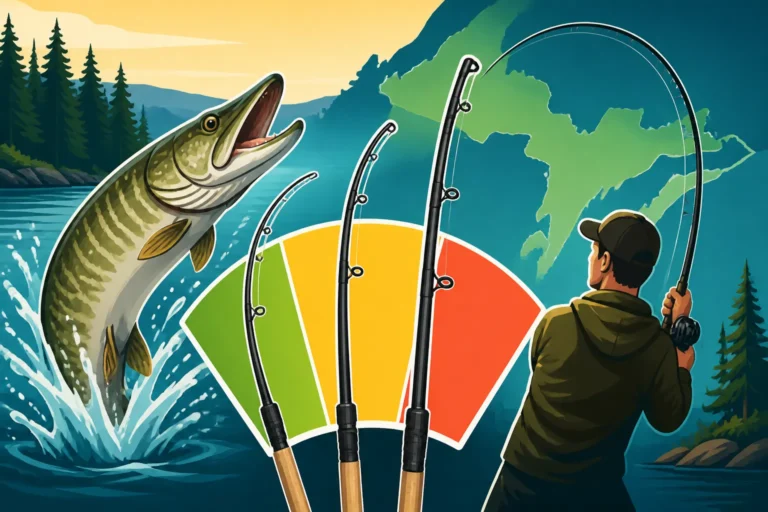
The Essential Muskie Rod: Power, Length, and Action
When it comes to muskie fishing, your rod isn't just a tool; it's your primary connection to one of North America's most powerful freshwater predators. You simply cannot skimp here. A flimsy rod will quickly turn into firewood, and you'll be left with a story of what could have been, rather than what you actually landed. This isn't your average bass rod; we're talking about heavy-duty equipment built to handle massive lures and even more massive fish.
Rod Power: Taming the Giants
Muskie rods are almost exclusively "heavy" or "extra-heavy" power. This isn't just a suggestion; it's a necessity. You're not casting tiny spinners or light jigs; you'll be launching colossal bucktails, heavy jerkbaits, and large swimbaits that can weigh several ounces. A rod with insufficient power won't load properly, making accurate casting difficult and tiring. More critically, when you do hook into a muskie, you need the backbone to drive a heavy hook into its bony mouth and then turn its powerful head away from obstacles like weed beds, fallen timber, or boat props. Think about a 40-pound muskie making a blistering run towards a dense patch of lily pads. Your rod's power is what allows you to apply enough pressure to steer that fish, preventing it from burying itself and snapping your line. It's truly about control in those critical moments.
Rod Length: Casting and Boat Control
Muskie rods typically range from 7'6" to over 9' in length. The longer rods, often 8'6" or 9', are fantastic for maximizing casting distance, especially when you're throwing larger, heavier lures. They provide more leverage, which translates to further casts and less effort over a long day of throwing big baits. Imagine standing on the deck of your boat on a vast lake like Georgian Bay, needing to reach distant weed lines or rocky points – a longer rod makes that possible. However, there's a trade-off. In smaller boats, or when fishing rivers with overhanging trees, an extremely long rod can become cumbersome and difficult to manage, potentially hindering your hookset or boat-side figure eight manoeuvre. For many anglers, an 8' to 8'6" rod offers a great balance, providing good casting distance while still being manageable in most Ontario fishing scenarios. Consider the size of your boat and the type of water you primarily fish when making this choice.
Rod Action: Feel and Hookset
Rod action refers to where the rod bends when pressure is applied. For muskie fishing, you'll generally want a fast or extra-fast action. This means the rod bends mostly in the tip section, while the rest of the blank remains stiff. This characteristic is crucial for several reasons. Firstly, it provides excellent sensitivity, allowing you to feel subtle bumps and changes in your lure's retrieve, which can be vital when fishing nuanced baits like glide baits. Secondly, and most importantly, a fast action provides the quick, powerful snap needed for a solid hookset. Muskie have incredibly hard, bony mouths, and you need to drive a large, stout hook home with authority. A soft, slow action rod would absorb too much of your hookset energy, resulting in missed fish. With a fast action, almost all the force from your sweep translates directly to the hook, ensuring a proper penetration and a much higher landing percentage. This responsiveness also helps immensely with the "figure eight" at the boat, allowing quick changes in direction with your lure.
Pairing Your Reel: The Engine for Muskie Battles
A muskie reel isn't just about holding line; it's the engine of your entire setup. It needs to be robust, reliable, and capable of enduring immense strain, cast after cast, and fight after fight. This is where many anglers realize that their bass fishing reels simply won't cut it. The sheer size of muskie lures and the brutal power of these fish demand specialized equipment.
Baitcasting vs. Spinning: Why Baitcasting Dominates
For muskie fishing, baitcasting reels are overwhelmingly the preferred choice, and for very good reasons. While spinning reels have their place in many forms of fishing, they are generally not designed for the heavy line, large lures, and immense drag pressures that muskie fishing entails. Baitcasters, on the other hand, are built like tanks. Their robust construction allows for heavier gears and a more powerful drag system, which are essential for controlling a large muskie during a fight. Furthermore, the design of a baitcasting reel is far more efficient for throwing heavy, air-resistant muskie baits, giving you better casting distance and control. When you're spending all day repeatedly casting 4-ounce bucktails, the ergonomics and strength of a quality baitcaster from a brand like Shimano or Daiwa truly shine. It's about maximizing efficiency and minimizing wear and tear on both you and your gear.
Gear Ratio: Speed for Different Presentations
The gear ratio of your reel dictates how fast your lure moves through the water with each turn of the handle. For muskie fishing, you'll often find anglers opting for a range of gear ratios, typically from 5.X:1 up to 7.X:1. A lower gear ratio (e.g., 5.3:1) means more power, making it easier to retrieve large, high-resistance lures like deep-diving crankbaits or oversized bucktails that pull hard through the water. This power prevents arm fatigue over a long day. A higher gear ratio (e.g., 7.1:1) offers speed, which is excellent for quickly taking up slack line, making multiple casts in rapid succession, or burning a bucktail just under the surface to trigger a chase. Many anglers will have multiple setups, each with a different gear ratio, to optimize for specific lure types and presentations. For instance, a faster reel is often preferred for jerkbaits or topwater where you need to quickly pick up slack for a proper retrieve or hookset. Consider the bulk of your lure collection and your preferred retrieve styles when choosing your reel's gear ratio.
Drag System and Line Capacity: Holding Power
The drag system is arguably the most critical component of a muskie reel. It needs to be incredibly smooth and capable of applying significant, consistent pressure without faltering. When a muskie makes a blistering run, often towards cover, your drag needs to pay out line smoothly to prevent a break-off, while still applying enough pressure to tire the fish. A jerky or inconsistent drag can lead to sudden line snaps, especially with the heavy braided lines used for muskie. Look for reels with carbon fibre drag washers and a high maximum drag rating. Secondly, line capacity is paramount. You'll be using heavy braided line, typically 80 to 100 lb test, and you need enough of it on the spool to handle long runs from big fish, especially when fishing vast open water. A good muskie reel should be able to comfortably hold at least 100-150 yards of your chosen braid. Running out of line on a hot fish is a nightmare scenario that can easily be avoided by selecting a reel with adequate capacity. Always spool your reel completely full to maximize casting distance and ensure proper line lay.
Line, Leaders, and Connections: The Unbreakable Link
The line and leader system is the direct connection to your muskie, and it’s where all the power of your rod and reel converges. This isn't the place to cut corners. A strong, reliable connection is paramount, as a single weak link can lead to a lost trophy fish and an expensive lure gone forever. How to Catch Muskie in Ontario involves ensuring every component of this system is up to the task.
Braided Line: The Foundation of Strength
For muskie fishing, braided line is the undisputed champion. Unlike monofilament or fluorocarbon, braid offers virtually no stretch, which provides incredible sensitivity to feel subtle bites and, more importantly, delivers powerful, direct hooksets. This lack of stretch also means that when you apply pressure with your rod, that force is directly transferred to the hook, ensuring maximum penetration into a muskie's bony mouth. You'll typically want to spool up with 80 to 100-pound test braided line. While this might seem incredibly heavy, it's not just about breaking strength; it's about abrasion resistance and handling large, heavy lures. Constant casting and retrieving with heavy baits, along with potential contact with rocks, weeds, or even the muskie's own rough body, demand a line that can take a beating. Brands like PowerPro or Sufix are popular choices among muskie anglers for their durability and consistent performance. Best Line Weight for Muskie Fishing is almost always on the heavier side.
Muskie Leaders: Steel, Fluorocarbon, or Titanium?
Directly attaching your lure to braided line is a recipe for disaster; a muskie's razor-sharp teeth will slice through braid like butter. This is why a specialized leader is non-negotiable. There are a few common types, each with pros and cons:
- Steel Leaders: These are traditional and very tooth-proof. They offer maximum protection against bite-offs but can be prone to kinking and may have more visibility in clear water. They are often a top choice for durability.
- Heavy Fluorocarbon Leaders: Ranging from 100 to 200-pound test, these leaders are nearly invisible underwater, which can be an advantage in clear lakes. They offer good abrasion resistance and some tooth protection, but a large muskie can still fray or even cut through them with repeated contact or a particularly aggressive chew. They are often preferred for certain lure presentations, especially jerkbaits where action is key.
- Titanium Leaders: These are perhaps the most popular modern choice. Titanium leaders are incredibly strong, kink-resistant, and offer excellent bite protection while being much lighter and more flexible than steel. They transmit lure action well and hold up exceptionally to the abuse of muskie fishing. Many come pre-tied with heavy-duty snaps and swivels.
Choosing the right leader often depends on personal preference and the specific lure you're using. Many experienced anglers will carry a variety of leader types to match conditions. Regardless of material, ensure your leaders are robust and well-constructed, usually 10-18 inches in length.
Heavy-Duty Snaps and Swivels: Don't Skimp Here
The connections between your main line, leader, and lure are critical weak points if not chosen correctly. Standard fishing snaps and swivels are simply inadequate for muskie fishing. You need heavy-duty, reinforced components that can withstand immense pressure and violent head shakes. Look for swivels designed for big game, often rated for 100 lbs or more, such as high-quality ball-bearing swivels which prevent line twist from rotating lures like bucktails. The snap, which connects your leader to your lure, also needs to be incredibly strong and reliable. Welded ring snaps or heavy-duty quick-strike snaps are common. Never use snaps with thin wire or weak locking mechanisms, as a muskie's powerful jaws can easily bend or open them. This small piece of hardware is often overlooked, but it's the final crucial link in your chain, and a failure here means a lost fish and potentially a lost lure. Many muskie anglers will buy their leaders pre-rigged with quality components from a trusted source, or specifically seek out strong snaps from retailers like Bass Pro Shops or online at Amazon.
Lures and Baits: Muskie Magnets
Muskellunge are often referred to as "the fish of 10,000 casts," a testament to their elusive nature. But while patience is key, having the right arsenal of lures designed to entice these apex predators is equally vital. Muskie lures are generally large, durable, and designed to create significant commotion in the water, mimicking the large baitfish that make up a muskie's diet. Best Lures for Muskie Fishing in Ontario is a deep topic, but here’s a breakdown of the essentials.
Bucktails and Inline Spinners: The Classics
Bucktails and inline spinners are, without a doubt, a cornerstone of any muskie angler's tackle box. These lures are incredibly effective at imitating fleeing baitfish and creating a lot of flash and vibration in the water, which often triggers an aggressive reaction strike. Bucktails typically feature a large metal blade (or multiple blades) that spins, along with a skirt made of deer hair (bucktail) or synthetic materials, often adorned with flashabou. The larger blades (e.g., #8, #10, or even #12) displace significant water and create a strong thumping vibration that muskies can detect from a distance. Inline spinners work similarly, with a rotating blade directly on the shaft. Retrieve these lures with a steady, fast pace, just below the surface or at mid-depth. Many anglers find success varying their retrieve speed, throwing in sudden pauses or jerks to simulate an injured baitfish. They are excellent search baits for covering vast amounts of water quickly, particularly along weed edges, rocky points, and submerged structures. Always be prepared for a boat-side strike and execute a figure-eight maneuver with these lures.
Jerkbaits and Glide Baits: Subsurface Assassins
Jerkbaits and glide baits are designed for a more erratic, stop-and-go retrieve, mimicking a wounded or disoriented baitfish. These lures don't have built-in action; the angler imparts all the movement through rod work.
- Jerkbaits: These are typically long, slender, often lipped baits that dive when retrieved and then suspend or slowly float when paused. They require sharp snaps or "jerks" of the rod tip to make them dart side to side. The key is to incorporate pauses of varying lengths, as muskies often strike during the motionless moment.
- Glide Baits: These are usually flat-sided, often heavier baits designed to "glide" from side to side with subtle rod twitches or reel cranks. Their mesmerizing, natural swimming action can be irresistible to a following muskie, especially in clearer waters or when fish are pressured.
Both jerkbaits and glide baits excel in situations where muskies might be less aggressive or when you want to work a specific piece of cover meticulously. They are also fantastic for coaxing a follower to commit during the figure eight at the boat. The deliberate retrieve of these lures allows for precise presentation and maximum hang time in the strike zone, crucial for elusive fish.
Topwater and Soft Plastics: Surface Explosions and Subtle Approaches
There's nothing quite like the explosive strike of a muskie on a topwater lure. These baits, designed to be fished on the surface, create tremendous commotion—walking dogs, prop baits, creepers, and ploppers all fall into this category. They're particularly effective during low-light conditions (dawn, dusk) or when muskies are active near shallow cover, often in warmer water. The visual spectacle of a massive muskie erupting on a topwater bait is unforgettable and often worth the wait.
Soft plastics, on the other hand, offer a more subtle approach. Large paddle tail swimbaits, grubs, and creature baits, often rigged on heavy jig heads or weighted hooks, can be incredibly effective when muskies are holding deeper, are reluctant to chase fast-moving baits, or when fishing vertical structure. These can be jigged, slowly retrieved, or even trolled. The natural feel and action of soft plastics can often trigger strikes from wary fish that might ignore traditional hard baits. They are versatile and can be adapted to various depths and retrieve speeds, offering a different presentation option for challenging conditions.
Crankbaits and Trolling Baits: Covering Water
When you need to cover vast expanses of water, especially large open lakes, or when targeting muskies holding at specific depths, crankbaits and trolling baits become invaluable.
- Crankbaits: These baits feature a plastic or metal lip that causes them to dive to a certain depth when retrieved. Muskie crankbaits are oversized versions of bass crankbaits, designed for deeper diving and robust construction. They come in various diving depths, from shallow runners that barely get below the surface to deep divers that can reach 20 feet or more. They are excellent for banging off submerged rocks, trolling along breaks, or working expansive flats.
- Trolling Baits: These are often larger versions of crankbaits or specialized plugs designed to be pulled behind a boat at specific speeds and depths. Trolling is a highly effective method for locating scattered fish over large areas, particularly in deep, clear lakes like Lake Superior or some of the vast Northern Ontario lakes. It allows you to present multiple baits at different depths and speeds simultaneously, increasing your chances of finding an active fish. Trolling Techniques for Ontario Lake Trout can sometimes cross over, although muskie baits are distinct. When trolling, it's crucial to use line counter reels to precisely control your depth and ensure your baits are in the strike zone.
| Lure Type | Best Conditions / Use Case | Retrieve Style | Key Advantage |
|---|---|---|---|
| Bucktails | Searching open water, weed edges, active fish | Steady, fast retrieve; figure eight at boat | High flash/vibration, covers water quickly |
| Jerkbaits | Clear water, precise presentations, pressured fish, boat-side strikes | Erratic jerks/pauses, angler-imparted action | Mimics wounded baitfish, good for coaxing strikes |
| Glide Baits | Clear water, subtle presentations, following fish | Smooth rod twitches, glides side-to-side | Natural, mesmerizing action |
| Topwater | Low light, shallow cover, aggressive fish | Popping, walking, buzzing on surface | Explosive, visual strikes, exciting |
| Soft Plastics | Deeper water, wary fish, vertical jigging, subtle approach | Slow retrieve, jigging, crawling | Natural feel, can be fished at various depths |
| Crankbaits | Covering depth, targeting specific structure, trolling | Steady retrieve, deflect off cover, varying speeds | Reaches specific depths, versatile |
Essential Landing and Handling Gear: Safety First for Fish and Angler
Landing and handling a muskie is often as challenging and exciting as the fight itself. These are big, powerful fish with sharp teeth and strong thrashing capabilities. Having the right gear not only increases your chances of successfully landing and releasing your trophy but also ensures the safety of both the fish and yourself. Muskellunge Growth Rate to Trophy Size means you need to be prepared for truly enormous fish.
The Right Landing Net: Big and Robust
Forget about your standard bass or walleye net. For muskie, you need a net that is truly enormous and built like a tank. A muskie net should have a large, deep hoop (often 40 inches or more across) and a long, sturdy handle that can withstand the weight and thrashing of a large fish. The net material itself is critical. Look for a knotless, rubber-coated mesh. This type of mesh is much gentler on the muskie's delicate fins and slime coat, reducing injury. It also prevents hooks from tangling in the mesh, which can be a nightmare to deal with when you have a toothy, angry fish in the net. A proper muskie net allows you to quickly and safely scoop the fish, containing it for a brief moment to unhook and measure, minimizing its time out of water. A popular choice among serious anglers is often the Frabill Big Kahuna or nets of similar size and construction. Best Landing Net for Muskie is a critical piece of equipment.
Release Tools: Pliers, Bolt Cutters, and Jaw Spreaders
Muskies have a mouth full of sharp teeth, and sometimes lures get deeply embedded. Releasing a muskie quickly and safely is paramount for its survival. Having the correct tools readily accessible is non-negotiable.
- Long-Nose Pliers: At least 11-12 inches long, these are essential for reaching deep into a muskie's mouth to remove hooks, keeping your fingers safely away from those teeth.
- Bolt Cutters: This might sound extreme, but they are absolutely necessary. If a hook is deeply set or if a muskie has swallowed a lure, trying to dig it out can cause significant damage to the fish. Bolt cutters allow you to quickly cut the hook, freeing the fish with minimal harm. This often saves the fish's life.
- Jaw Spreaders: While not used as frequently as pliers or cutters, jaw spreaders can be useful for safely opening a muskie's mouth to get better access to deeply embedded hooks, again, protecting both the angler and the fish. However, use them sparingly and with care, as improper use can injure the fish.
Keep all these tools in an easily accessible spot, preferably in a bucket or holder right next to your net, so you're not fumbling around when the fish is boatside. Quick and efficient handling greatly increases the muskie's chances of survival.
Weighing and Measuring: Documenting Your Trophy
For many muskie anglers, catching a true trophy is a lifetime achievement. Documenting that catch with accurate measurements and a weight is part of the experience, but it needs to be done quickly and safely for the fish.
- Measuring Board: A dedicated muskie bump board, typically 50-60 inches long, is essential for accurately measuring the fish. These boards allow you to lay the fish gently on a flat, wet surface, quickly get a length measurement, and then return it to the water. Some anglers opt for measuring tapes, but a solid bump board is generally safer and more precise for a thrashing fish.
- Fish Grips/Lip Grips: While some anglers use these, particularly for smaller fish, they should be used with extreme caution on muskies. Incorrect use, especially with larger fish, can damage their jaw. If used, ensure they are designed for large, heavy fish and support the fish's weight properly.
- Large Digital Scale: If you plan to weigh your muskie, invest in a robust digital scale with a high weight capacity (e.g., 50-100 lbs). The best practice is to weigh the muskie within the net or in a specialized weigh sling, minimizing its time out of the water and ensuring its body is fully supported. Never hang a muskie vertically by its jaw or gills, as this can cause severe internal damage. The goal is always a quick, respectful, and safe release, capturing those memories without harming the fish.
Navigational and Safety Equipment for Muskie Hunters
Chasing muskie often takes you to vast, challenging, and sometimes remote bodies of water in Ontario. Whether you're on Lake St. Clair, Lake of the Woods, or a smaller, lesser-known wilderness lake, having the right navigational and safety equipment is just as important as your fishing gear. This equipment can mean the difference between a successful, enjoyable trip and a dangerous, problematic one. When planning your trips, remember that Ontario Boating Laws for Anglers are in place to keep everyone safe.
Boat Essentials: Motors, Electronics, and Anchors
Your boat is your primary platform for muskie fishing, and it needs to be well-equipped.
- Reliable Outboard Motor: A strong, well-maintained outboard is crucial for covering large distances and getting you back to shore safely, especially if weather conditions change suddenly. Always carry enough fuel and consider a smaller kicker motor as a backup for emergencies or for precise slow trolling.
- Trolling Motor: A bow-mounted electric trolling motor with GPS Spot-Lock capabilities is a game-changer for muskie fishing. It allows you to precisely hold your position on a weed line, follow a contour, or work a particular piece of structure without constantly adjusting with your main motor. This frees you up to focus on casting and retrieving. Brands like Minn Kota and MotorGuide offer robust options suitable for larger boats.
- Fish Finder/Sonar: Modern marine electronics are invaluable for finding muskie. High-quality fish finders with side-imaging, down-imaging, and 2D sonar capabilities help you locate submerged structure, weed beds, baitfish schools, and even individual muskie. Understanding how to use your electronics to read the bottom and identify potential holding areas is a skill that directly translates to more fish in the net. How to use the Fish ON-Line interactive zone map is also a great resource for understanding specific fisheries.
- Anchoring System: A reliable anchoring system is important for holding your position in windy conditions or when you want to thoroughly work a specific spot. Depending on the size of your boat and the depth you fish, this could be a conventional anchor with plenty of rope, or a shallow water anchor system for precise positioning in shallower areas.
Personal Safety Gear: PFDs and First Aid
Safety should always be your top priority. Accidents can happen quickly on the water, and being prepared can save lives.
- Personal Flotation Devices (PFDs): Ensure every person on board has a properly fitting, approved PFD readily accessible. It's best practice to wear your PFD at all times, especially in adverse weather, cold water, or when running at high speeds. Modern PFDs are comfortable and come in various styles, including inflatable options, making them easy to wear all day. Life Jacket Requirements for Ontario Boaters are strict for a reason.
- First Aid Kit: A comprehensive first aid kit is essential for dealing with minor injuries like hook punctures (a very real risk in muskie fishing!), cuts, or scrapes. Ensure it's waterproof and well-stocked with bandages, antiseptic wipes, pain relievers, and any personal medications.
- Communication Devices: Always carry a fully charged cell phone in a waterproof case, and consider a marine VHF radio for communication with other boats or emergency services, especially in areas with spotty cell service. Let someone on shore know your float plan – where you're going and when you expect to return.
- Emergency Kit: Include items like a whistle or air horn, a bailing device, a spare paddle, a fire extinguisher, and navigation lights if you'll be out during low light. These are not just good ideas; many are legally required under Ontario Boating Laws for Anglers.
Navigation Tools: GPS and Maps
Even on familiar waters, conditions can change, and it's easy to get disoriented.
- GPS Unit/Chartplotter: Many modern fish finders integrate GPS and mapping capabilities, which are incredibly useful for navigation. Mark your favorite fishing spots, hazards, and safe routes. Having accurate digital charts of the lakes you fish will help you stay safe and on course.
- Physical Maps: Always carry a detailed physical map of the area, even if you have electronic navigation. Batteries can die, and electronics can fail. A waterproof paper map and a compass are invaluable backups.
- Weather Radio/App: Stay informed about changing weather conditions. Ontario weather can be unpredictable, with sudden thunderstorms, high winds, or fog rolling in rapidly. A marine weather app on your phone or a dedicated weather radio can give you advance warning to seek shelter or head back to shore. Understanding the implications of a Cold Front Fishing Tactics for Ontario Walleye can also apply to muskie, impacting their behavior.
Apparel and Accessories for the Dedicated Muskie Angler
Muskie fishing is rarely a fair-weather activity. You’ll find yourself out on the water in all sorts of conditions, from sweltering summer days to bone-chilling fall winds. Being prepared with the right apparel and accessories isn't just about comfort; it's about endurance, focus, and staying safe so you can put in the long hours required to chase these elusive fish.
Weather-Appropriate Clothing: Stay Comfortable, Stay Focused
Spending 8, 10, or even 12 hours on the water means dressing for whatever Mother Nature throws at you.
- Layering System: This is the golden rule for any outdoor activity in Ontario. Start with a moisture-wicking base layer to draw sweat away from your skin. Add an insulating mid-layer (fleece or synthetic down) for warmth. Your outer layer should be a waterproof and windproof shell. Look for high-quality fishing-specific rain gear that offers maximum protection without restricting movement. Brands like Simms, Helly Hansen, or dedicated fishing apparel lines available at Bass Pro Shops often provide excellent performance. There’s nothing worse than being soaked and cold when you’re trying to concentrate on a follow at the boat.
- Sun Protection: Even on cloudy days, UV rays can be intense, especially with reflection off the water. Long-sleeved shirts made from UPF-rated fabric, wide-brimmed hats, and neck gaiters are crucial for protecting your skin. Don't forget high-SPF sunscreen for any exposed skin. Sunburn and heatstroke are real risks that can quickly cut your day short.
- Cold Weather Gear: For those late fall muskie runs, insulated bibs and jackets, thermal socks, and warm, waterproof gloves are essential. Fingers get cold quickly when repeatedly casting, and cold hands lose dexterity. The fishing can be absolutely phenomenal when the temperatures drop, but only if you're comfortable enough to stay out there.
Hand Protection and Eye Protection
Your hands and eyes are particularly vulnerable when muskie fishing.
- Fishing Gloves: Heavy-duty fishing gloves offer a multitude of benefits. They protect your hands from blisters when repeatedly casting heavy baits, from cuts and abrasions when handling lures, and from the cold. Some specialized gloves even offer grip enhancement for wet lines and fish handling. Given the sharp hooks and potentially rough scales, robust gloves are a wise investment.
- Polarized Sunglasses: These are non-negotiable. Polarized lenses drastically reduce glare off the water, allowing you to see submerged structure, weed lines, and, crucially, following muskies. Spotting a muskie behind your lure early gives you precious extra seconds to react and initiate a figure eight, often making the difference between a missed opportunity and a landed fish. They also protect your eyes from stray hooks and UV radiation. Look for high-quality lenses that offer true colour recognition.
Storage and Organization: Tackle Management
With the sheer size and number of muskie lures you'll accumulate, effective storage and organization are paramount.
- Large Tackle Boxes/Bags: Standard tackle boxes simply won't hold muskie lures. You'll need oversized tackle boxes with deep compartments, or dedicated muskie tackle bags designed to hold large plastic utility trays. These trays are excellent for organizing lures by type, size, or color, making it easy to find what you need quickly. Look for trays with adjustable dividers to accommodate bulky baits. Many anglers find the soft-sided tackle bags easier to transport and store in a boat, with plenty of pockets for tools and leaders.
- Rod Holders: While running from spot to spot, secure your rods in sturdy rod holders. This prevents damage to your expensive rods and reels and keeps hooks from flying around. Vertical rod holders are great for quick access, while horizontal holders can be better for long runs or rough water.
- Tool Organization: Keep your pliers, bolt cutters, and other release tools in an easily accessible caddy or holder in the boat. Time is of the essence when releasing a muskie, and fumbling for tools is a major deterrent to a quick, safe release. Some anglers even attach lanyards to their essential tools to prevent them from falling overboard. Investing in quality organization for your gear will extend its life and make your time on the water much more efficient. Many specific storage solutions are readily available through retailers like Amazon.
Maintaining Your Muskie Gear for Peak Performance
Your muskie gear represents a significant investment, and like any high-performance equipment, it requires diligent care and maintenance to ensure longevity and consistent performance. Neglecting your gear will inevitably lead to failures at the most inopportune moments, costing you fish and money. A few simple routines can keep your setup in top shape for years of chasing giants across Ontario.
Rod and Reel Care: Post-Trip Rituals
After every trip, especially when fishing in adverse conditions, take the time to properly care for your rods and reels.
- Rinse and Wipe Down: Even if you've only fished in freshwater, fine dust, dirt, and general grime can accumulate. Use a damp cloth to wipe down your rods, paying attention to the reel seat and guides. For reels, a quick wipe-down to remove surface dirt is essential. If you've been fishing in heavy rain or spray, a light rinse with fresh water (never direct a high-pressure hose at your reel) followed by thorough drying is recommended.
- Lubrication and Inspection: Periodically, and certainly at the end of the season, your reels will benefit from a more thorough cleaning and lubrication. This might involve removing the side plates, cleaning old grease and dirt from the gears, and applying new, high-quality reel grease to the main gears and oil to bearings and other moving parts. Consult your reel's manual for specific instructions. While doing this, inspect your rod guides for any chips or cracks that could fray your line. Check the reel seat for tightness and handle grips for any damage. Replacing worn or damaged parts proactively prevents bigger issues down the line.
- Proper Storage: When not in use, store your rods in a cool, dry place, ideally in rod sleeves to protect the guides and blanks from damage. Store reels in their protective bags or cases to prevent dust and physical impacts. Loosen the drag completely on your reels when storing them for extended periods to prevent the drag washers from compressing and losing effectiveness. Proper storage significantly extends the life of your gear.
Lure and Terminal Tackle Maintenance
Muskie lures take a beating. They hit rocks, get chewed by fish, and are constantly exposed to the elements.
- Hook Sharpening/Replacement: Muskie hooks are large and stout, but they can still dull after hitting rocks or fighting fish. Carry a good hook sharpener and touch up your hooks frequently. A dull hook simply won't penetrate a muskie's bony jaw effectively. If a hook is bent, rusted, or severely damaged, replace it immediately. Cheap hooks will bend under pressure, so invest in high-quality, sharp trebles from reliable brands.
- Lure Inspection: After each trip, inspect all your lures. Check for bent split rings, loose eyes on crankbaits, frayed bucktail skirts, or damaged blades on spinners. If a lure is not running true, it won't be effective. Bent lips on crankbaits can often be gently reshaped, but heavily damaged lures should be retired or repaired. Check the integrity of the connections, like the heavy-duty snaps and swivels on your leaders. If they show signs of wear or fatigue, replace them.
- Clean and Dry: After your trip, make sure all lures are dry before putting them back in your tackle box. Storing wet lures can lead to rust on hooks and hardware, especially if you're using cheaper components. A quick rinse and air dry will go a long way in preventing corrosion and maintaining the aesthetic appeal and performance of your baits. Many anglers keep a separate rinse bucket or washbasin dedicated for lures.
Boat and Safety Gear Checks
Your boat and safety gear are your lifeline on the water; regular checks are paramount.
- Motor Maintenance: Follow the manufacturer's recommended service schedule for your outboard motor. This includes oil changes, filter replacements, and general inspections. Always check your propeller for damage before and after each trip. Keep an eye on fuel levels and carry a spare prop, prop wrench, and shear pin if applicable. A well-maintained motor is a reliable motor.
- Safety Equipment Audit: Periodically check your PFDs for signs of wear and tear or damage. Ensure your first aid kit is fully stocked and that all medications are within their expiry dates. Test your boat's navigation lights, bilge pump, and horn. Make sure your fire extinguisher is charged and accessible. Check your anchor rope for fraying and ensure your anchor is free of mud and securely stowed. It's often easy to forget these critical items until an emergency strikes.
- Trailer Maintenance: Don't forget your boat trailer! Inspect tire pressure, lug nuts, wheel bearings, and trailer lights regularly. A breakdown on the side of the highway is the last thing you want after a long day of muskie fishing. Grease your wheel bearings, check your trailer bunks or rollers, and ensure all straps and chains are secure. All these proactive checks ensure that your entire muskie fishing system, from rod tip to trailer hitch, is ready for your next adventure on the vast waters of Ontario.
Disclaimer
This article is for general informational purposes only and does not constitute professional advice. Laws, prices and regulations vary by location and change over time. Consult a qualified professional for guidance on your specific situation.