Lake Nipissing Muskie Fishing
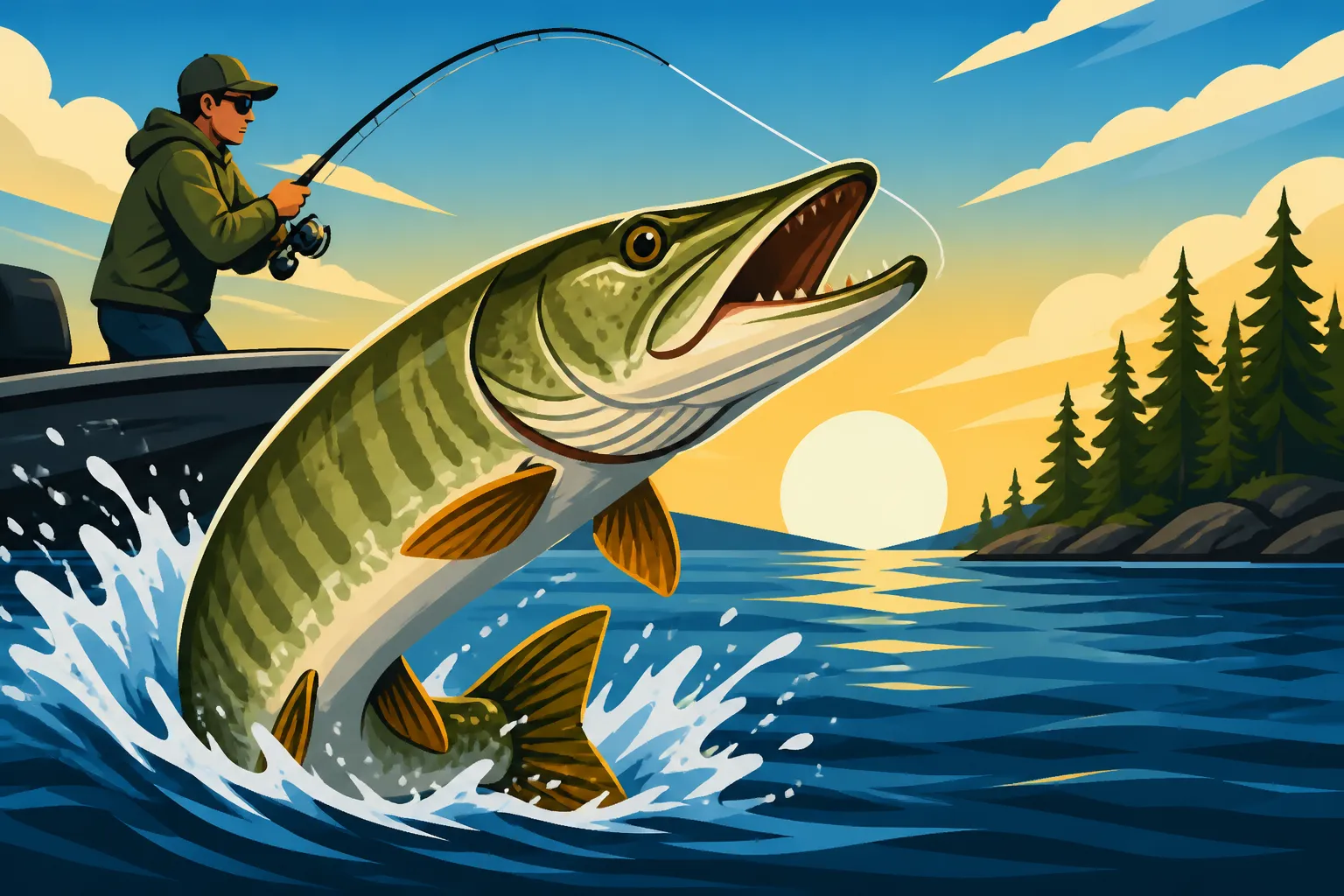
Chasing muskellunge on Lake Nipissing can be an incredibly rewarding, yet often frustrating, endeavor. These elusive apex predators test the patience and skill of even the most seasoned anglers. If you've spent countless hours casting without a strike, or you're simply looking to unlock the secrets to consistently connecting with Nipissing's giants, this comprehensive guide will equip you with the knowledge and strategies you need to improve your odds and experience the thrill of muskie fishing on this iconic Ontario lake.
Lake Nipissing's Muskie Reputation
Lake Nipissing holds a special, almost legendary, status among muskie anglers in Ontario, and for good reason. It’s not just another body of water; it’s an ecosystem perfectly designed for growing monster muskies, and the stories of colossal catches echo through fishing camps and forums. While muskie fishing is inherently challenging, Nipissing consistently offers opportunities for true giants, making it a bucket-list destination for many.
Why Nipissing is a Muskie Hotspot
What makes Lake Nipissing such a phenomenal muskie fishery? It boils down to a few key factors that create an ideal environment for these freshwater leviathans. Firstly, its sheer size, covering over 870 square kilometers, provides an immense amount of diverse habitat. You've got everything from vast shallow weed flats to rocky shoals, deep basins, and countless bays and islands. This variety means muskies have ample space to spread out, find food, and grow without excessive competition. Secondly, the lake boasts an incredibly rich forage base. Think about it: a muskie is only as big as what it eats, and Nipissing is absolutely teeming with preferred prey species like cisco (lake herring), whitefish, yellow perch, and even smaller walleye. This abundant, high-protein diet allows muskies to pack on weight quickly and maintain robust health. The lake’s relatively fertile waters contribute to this productivity, ensuring a healthy food chain from the bottom up.
Beyond the natural bounty, sound fisheries management practices also play a crucial role. Ontario's Ministry of Natural Resources and Forestry (MNRF) oversees Lake Nipissing's status within Ontario Fisheries Management Zones, Explained, specifically FMZ 11. Regulations on catch limits, size restrictions, and season dates are carefully set to protect the muskie population and ensure its sustainability. This proactive approach helps maintain a healthy population of mature, breeding fish, which is essential for a world-class trophy fishery. When you combine natural advantages with dedicated conservation efforts, you get a muskie haven like Lake Nipissing.
Trophy Potential and Average Size
When anglers talk about the "trophy potential" of Lake Nipissing, they're not just dreaming; they're speaking from experience. This lake is renowned for producing muskies that push the tape measure well into the 40-inch range, with numerous fish exceeding the magical 50-inch mark every season. While a 50-inch muskie is considered the pinnacle for many, Nipissing has certainly delivered fish even larger than that, making it a legitimate destination for those seeking a personal best. It's truly one of the Best Muskie Waters in Ontario.
For context, the average muskie caught on Lake Nipissing typically ranges from 35 to 45 inches. These are still incredibly respectable fish that put up a phenomenal fight. What makes Nipissing special is the consistency of these larger fish. You're not just hoping for an anomaly; the conditions here support a healthy population of mature muskies. It’s important to remember that these are average figures, and muskie fishing always involves a degree of luck and perseverance. But knowing that every cast could connect you with a fish capable of earning you bragging rights for a lifetime is what keeps anglers coming back, time and time again. The pursuit of a giant muskie on Lake Nipissing is a journey, not just a fishing trip, filled with anticipation and the promise of a truly unforgettable encounter. For more on how these fish develop, you can check out information on Muskellunge Growth Rate to Trophy Size.
Understanding Lake Nipissing's Muskie Habitat
To consistently find and catch muskie on Lake Nipissing, you need to think like a muskie. This means understanding their preferred haunts, how they relate to underwater structure, and what drives their movements in search of food. Lake Nipissing offers a diverse underwater landscape, and learning to read it is paramount to success.
Key Structural Elements
Muskies are ambush predators, and they rely heavily on various structural elements to conceal themselves, lie in wait, and launch their attacks. On Lake Nipissing, these structures are abundant and varied. Perhaps most iconic are the sprawling weed flats, particularly those dominated by cabbage, coontail, and even some healthy wild rice beds. These aquatic jungles provide excellent cover, cooler water in summer, and act as magnets for baitfish. Muskies will often position themselves at the edges of these weed beds, in pockets within them, or along distinct lanes. Target areas where a hard bottom meets a weed line, or where a slight depth change occurs within the flat.
Rocky shoals, reefs, and points are another prime muskie territory. These areas provide current breaks, ambush points, and often hold schools of cisco and whitefish, which muskies absolutely love. Look for transition zones where rock meets sand, or where boulders give way to deeper water. Islands, both large and small, are also critical. The current breaks, eddies, and varied structures around islands create diverse feeding opportunities. Many local anglers, and those who book trips through services like FishingBooker, will often focus on the windward side of islands, where baitfish are pushed, or the protected leeward side, offering a calm ambush point. Don't overlook submerged timber or cribs if you have a good sonar; these isolated pieces of structure can hold single, large fish.
Forage Base and Muskie Movement
A muskie's life revolves around its stomach. Their movements and preferred locations are intrinsically linked to the presence and movement of their primary food sources. On Lake Nipissing, the forage base is incredibly rich, offering a buffet of options for growing big muskies. Cisco (lake herring) are perhaps the most crucial. These schooling fish suspend in the water column and are a high-calorie meal for large muskies. Whitefish also play a significant role, particularly in deeper, cooler parts of the lake. These two species will often be found over deep basins or relating to offshore structures.
Yellow perch are another common and readily available food item, especially in the shallower, weedy bays. Small walleye, suckers, and even panfish like black crappie contribute to the muskie's diet. Understanding where these baitfish are at different times of the year is key to locating muskies. For instance, in spring and early summer, when baitfish are often shallow and abundant in the weeds, muskies will follow suit. As summer progresses and water temperatures rise, many baitfish, especially cisco, will move to deeper, cooler water, and the muskies will often descend with them. Similarly, during the fall, as baitfish school up intensely before winter, muskies enter a "feeding frenzy" phase, often migrating to open water or deeper structures to capitalize on these schools. Knowing what the muskies are eating, and where that food is, will guide your entire fishing strategy on Lake Nipissing.
Seasonal Strategies for Muskie Fishing
Muskie fishing on Lake Nipissing is a dynamic affair, shifting significantly with the seasons. What works in June might be completely ineffective in August. Understanding these seasonal nuances is crucial for success, ensuring you're presenting the right lure in the right place at the right time.
Spring and Early Summer Tactics
The spring and early summer period, typically from the opening of the season in June through early July, is an exciting time for muskie anglers on Lake Nipissing. Water temperatures are rising, muskies are recovering from the spawn, and they are generally more active and aggressive. This is often when you'll find them shallower than at any other point in the season. Look for areas with developing weed growth, especially large cabbage patches in bays that warm up quickly. Muskie will patrol these areas, ambushing baitfish that are also moving into the shallows. Points, creek mouths, and the deeper edges of vast weed flats are prime locations.
During this period, casting medium to large bucktails, jerkbaits, and glide baits is highly effective. Think about covering water efficiently. Fan cast an entire area, paying close attention to any changes in depth, weed density, or bottom composition. Retrieve your lures with a varied cadence – sometimes a steady retrieve, other times with pauses and jerks – to trigger a strike. Topwater lures can also be incredibly exciting in low light conditions or on calm evenings, providing explosive, heart-stopping strikes. Remember that muskies can be found surprisingly shallow, sometimes in just a few feet of water, so don't be afraid to target those skinny water edges. As you scout the lake, watch for baitfish activity; if you see schools of perch or shiners flicking on the surface, chances are a muskie isn't far behind. For detailed regulations on when you can chase these fish, refer to the Ontario Muskellunge Season Dates and Limits.
Mid-Summer Heat and Deep Water
As Lake Nipissing transitions into the full swing of summer, typically from mid-July through August, conditions change dramatically. Surface water temperatures climb, and the muskie, like many other large predators, will often seek out cooler, more comfortable water. This usually means a move to deeper water and associating with offshore structures. Don't abandon the weeds entirely, as some fish will still be found in dense, deep weed beds, but you'll need to expand your search.
Focus your efforts on mid-lake reefs, humps, and deep-water points. Look for areas where there's a significant break in depth, from 15-20 feet dropping into 30-50 feet or more. These structures often hold schools of cisco and whitefish, which muskies will follow. Trolling becomes an extremely productive method during this time, allowing you to cover vast amounts of water and present lures at precise depths. Large crankbaits, deep-diving jerkbaits, and even large inline spinners or bucktails pulled behind planer boards are effective. Pay close attention to your fish finder to locate baitfish schools or suspended muskies, and then adjust your trolling depth accordingly. Jigging large soft plastics or heavy spoons over deep structure can also entice a strike from a lethargic muskie. Remember that mid-day can be slow, so target dawn, dusk, and even night fishing sessions for increased activity. A great way to find the best spots is to leverage the local knowledge available through services like FishingBooker, where experienced guides can pinpoint these deep-water havens.
Fall Turnover and Feeding Frenzies
The fall on Lake Nipissing, from September until freeze-up, is arguably the most anticipated time for muskie anglers. As water temperatures cool and eventually undergo "turnover" (where the water column mixes), muskies enter a furious feeding frenzy, packing on reserves for the long winter ahead. This is when the biggest fish are often caught, and it's a period of intense activity. The muskies become more aggressive and are often willing to chase larger baits.
During the early fall, muskies might still be found in deeper weed edges or on the same offshore structures they frequented in summer. However, as the water cools further, they often begin to migrate towards main lake basins, major points, and deeper river channels if applicable. Baitfish school up tightly, and muskies will actively hunt these aggregations. Trolling massive crankbaits, gliders, and even oversized bucktails at faster speeds becomes the go-to technique. Look for classic muskie structure, but don't be afraid to explore open water areas where baitfish are schooling. Casting large rubber baits, heavy jerkbaits, and substantial bucktails can also be incredibly productive, especially around rocky points and drop-offs. The cool, crisp air of autumn often signals some of the most intense and rewarding muskie fishing of the year, a true testament to the "fish of 10,000 casts" finally letting down its guard for a hearty meal. This is prime time for trophy hunting, and understanding How to Catch Muskie in Ontario during this period is key.
Essential Gear for Lake Nipissing Muskie
Muskie fishing isn't for the faint of heart, and neither is the gear required. These are big, powerful fish that demand heavy-duty tackle capable of withstanding violent strikes and sustained battles. Investing in the right equipment is not just about catching fish, it's about being prepared for the fight of a lifetime and ensuring the safety of both angler and fish.
Rods, Reels, and Line Choices
When it comes to muskie fishing on Lake Nipissing, your rod and reel combo needs to be a workhorse. Forget your bass gear; we're talking about serious power. For rods, you'll want something in the 7'6" to 9' range, with a heavy to extra-heavy power rating and a fast to moderate-fast action. This combination provides the leverage needed to cast huge, heavy lures all day and enough backbone to drive large hooks into a muskie's bony mouth. St. Croix's Legend Tournament Musky series or Shimano's Compre Muskie rods are popular choices among dedicated muskie anglers. The length also aids in making long casts and executing figure-eights at the boat.
Reels need to match this power. Low-profile baitcasting reels are generally preferred for casting, offering a comfortable grip and good line capacity. Look for models with a high retrieve ratio (e.g., 6.4:1 or 7.1:1) to quickly pick up slack and retrieve lures efficiently. Abu Garcia Revo Toro Beast and Shimano Tranx are highly regarded options that can handle the stress of muskie fishing. For line, braided line is the only way to go. Its zero-stretch properties offer maximum sensitivity and hook-setting power. Opt for 80-100 lb test braid; while it might seem excessive, it provides the necessary strength for pulling heavy lures through weeds, battling large fish, and dealing with potential snags. A quality fluorocarbon or solid wire leader of 100-150 lb test is absolutely critical to prevent bite-offs from a muskie's razor-sharp teeth. This leader should be at least 18-36 inches long, often connected to your main line with a heavy-duty swivel and a strong snap for lure changes. For more specific recommendations, look into Best Muskie Gear for Ontario Waters.
Must-Have Lures and Baits
The world of muskie lures is vast and sometimes overwhelming, but there are definitely some staples for Lake Nipissing. Bucktails are arguably the most iconic and consistently productive muskie lure. Brands like Mepps (Musky Killer) and Musky Innovations (Bulldog) are well-known. You'll want a variety of sizes and blade configurations (single, double, triple blades) to match different conditions and retrieve speeds. Bucktails often perform best with a steady, fast retrieve, creating a powerful vibration that muskies can't resist.
Jerkbaits and glide baits are fantastic for presenting a more erratic, stop-and-go action. These lures mimic wounded baitfish and can be worked effectively over weed flats or along drop-offs. Bondy Bait Company's jigs and Drifter Tackle's Hell Hounds are prime examples that have proven their worth. Crankbaits, especially deep-diving models, are essential for trolling in open water or along deep structure, particularly during the mid-summer heat or fall. Think large baits that dive 15-30+ feet. Topwater lures, such as prop baits or walk-the-dog style baits, are thrilling for explosive strikes in low-light conditions. Finally, large soft plastic baits, like Swimbaits or Medussas, can be incredibly versatile, jigged, cast, or trolled, offering a subtler presentation when muskies are finicky. Always have a diverse selection ready, as muskie preferences can change by the hour. You can learn more about specific presentations in Best Lures for Muskie Fishing in Ontario.
Here's a quick reference for common muskie lure types and their typical applications:
| Lure Type | Best Application | Retrieve Style | Key Features |
|---|---|---|---|
| Bucktails | All-around, shallow to mid-depth weeds & edges | Fast, steady retrieve | Flash, vibration, weedless options |
| Jerkbaits | Shallow to mid-depth, erratic presentation | Jerk-pause, twitch-twitch-pause | Mimics wounded baitfish, glide action |
| Crankbaits | Trolling deep water, covering open water | Steady troll, varied depths | Deep diving, wobbling action |
| Glide Baits | Shallow to mid-depth, subtle presentation | Smooth sweeps, long pauses | Side-to-side glide, slow sink |
| Topwater | Low light, calm conditions, shallow weeds | Walk-the-dog, splash, chug | Surface disturbance, explosive strikes |
| Soft Plastics | Versatile, jigging, casting, slow retrieve | Jigging, slow swim, rip & pause | Natural profile, subtle action, scent optional |
Boats and Electronics for Muskie Hunters
A properly equipped boat is an extension of the muskie angler on Lake Nipissing. While you can certainly catch muskies from shore in certain spots, the most productive fishing usually requires a boat to access prime structures and cover vast areas. A sturdy, stable boat in the 18-22 foot range is ideal, offering enough space for multiple anglers, gear, and safe navigation in potentially choppy conditions. Aluminum boats like those from Lund or Princecraft are popular for their durability and versatility, while larger fiberglass boats offer more comfort and speed. Make sure your boat is equipped with a powerful enough engine to get you to your spots quickly and safely.
Beyond the vessel itself, marine electronics are absolutely non-negotiable for serious muskie fishing. A high-quality fish finder/chartplotter combination with side-imaging and down-imaging capabilities is essential. Brands like Humminbird (Helix/Solix series) and Lowrance (HDS/Elite FS) are industry leaders. These units allow you to:
- Map contours and structure: Identify those critical weed lines, rock piles, and depth changes.
- Locate baitfish: See those tight schools of cisco in open water.
- Spot suspended muskies: Sometimes you can actually mark these large fish on your sonar, giving you a target to cast or troll to.
- Navigate safely: Especially important on a large lake like Nipissing with numerous shoals and varying depths.
A reliable GPS is also crucial for marking hot spots and navigating back in changing weather conditions. Finally, a good quality electric trolling motor (Minn Kota or MotorGuide) with GPS spot-lock capabilities can be invaluable for holding your position over a productive structure, allowing you to focus on casting without constantly battling the wind or current.
Muskie Fishing Techniques for Lake Nipissing
Muskie fishing isn't just about throwing a big lure; it's about mastering specific techniques that entice these apex predators to strike. On Lake Nipissing, a combination of casting, trolling, and even some specialized tactics will put you in the best position for success.
Casting and Figure-Eights
Casting is the bread and butter for many muskie anglers, especially when targeting weed lines, rocky points, and shallow flats on Lake Nipissing. The technique involves precisely placing your lure into potential ambush zones and working it back to the boat with varying retrieves. Accuracy is key, as is patience. You might make hundreds of casts before a single follow or strike, but each cast holds the promise of a giant. When casting, try to cover as much water as possible from different angles, fan casting an entire area before moving on. Experiment with retrieve speeds and lure actions until you find what the fish prefer on a given day.
The "figure-eight" is a legendary muskie technique and an absolute must for every cast. When your lure approaches the boat, instead of simply reeling it in, plunge your rod tip into the water and trace a large "figure-eight" pattern beside the boat. This extends the retrieve and can often trigger a follow to strike at the last second. Muskies are notorious for following a lure right to the boat, often just inches away, without committing. The erratic, changing direction of the figure-eight can be the final trigger that makes a hesitant muskie inhale your bait. Keep your eyes peeled on your lure right until it's out of the water; many trophy fish are caught this way. This is a critical component of How to Catch Muskie in Ontario with casting gear.
Trolling for Open Water Giants
While casting is exciting, trolling is often the most effective way to cover vast expanses of Lake Nipissing, especially when muskie are relating to open water baitfish schools or deep structures. Trolling allows you to present multiple lures at precise depths and speeds, maximizing your chances of intercepting a cruising muskie. It's particularly effective during mid-summer when fish move deeper to cooler waters, or in the fall when they are actively hunting pelagic baitfish.
When trolling, you'll typically deploy multiple rods, each with a different lure and set at a different depth using line counters, lead core, or even downriggers if targeting very deep fish. Experiment with different crankbaits, deep-diving jerkbaits, and even large inline spinners. Pay close attention to your boat speed; generally, 3-5 mph is a good starting point, but muskies can show a preference for slightly faster or slower speeds on any given day. GPS-enabled fish finders and chartplotters are invaluable for following specific depth contours, mapping out productive runs, and marking areas where you get strikes. Don't be afraid to experiment with turns and speed changes while trolling; these variations can often trigger a strike from a fish that's been following your bait. For larger groups looking to experience this, booking a charter through FishingBooker can provide access to professional guides with specialized trolling setups.
Jigging and Live Bait
While less common than casting or trolling, jigging and live bait presentations can be highly effective under specific conditions on Lake Nipissing, especially when muskies are lethargic or concentrated on deep structure. Jigging involves presenting a large, heavy jig (often a soft plastic or rubber bait rigged on a heavy jig head) vertically over deep humps, reefs, or even suspended over baitfish schools. The action is usually a sharp lift and drop, mimicking a dying baitfish. This can be deadly in cold water periods or when fish are holding tight to bottom structure. Pay close attention to your electronics to pinpoint fish and depth.
Using live bait for muskie is another option, though regulations on size and species of live bait can vary, so always check the current Ontario Fishing Regulations Explained. Typically, large suckers or other legal baitfish are used, presented on a heavy-duty float rig or slow-trolled. This method capitalizes on a muskie's natural inclination for an easy, high-calorie meal. Live bait can be particularly effective when muskies are pressured or exhibiting a reluctance to chase artificial lures. However, due to the difficulty in managing large live bait and the potential for deep hooking, many dedicated muskie anglers prefer to stick to artificials, prioritizing catch and release. If you do use live bait, ensure you have the proper gear and knowledge for a quick and safe release.
Conservation and Responsible Angling
Muskies are magnificent fish, but they are also vulnerable. Their slow growth rates, specific habitat requirements, and the sheer effort involved in catching them mean that responsible angling and strict adherence to conservation practices are paramount for ensuring the health of Lake Nipissing's muskie population for future generations.
Catch and Release Best Practices
Almost all muskie fishing on Lake Nipissing is strictly catch and release, and for good reason. These fish are slow-growing and represent an incredible genetic resource. Maximizing their survival rate after being caught is every angler's responsibility. The mantra is "release them to fight another day." Here are critical best practices:
- Preparation is Key: Before you even make your first cast, have your tools ready. This includes long-nosed pliers, bolt cutters (for cutting hooks if necessary), and a high-quality, large muskie-specific landing net. A net with a large hoop and rubberized mesh is ideal, as it minimizes harm to the fish's slime coat and fins. Make sure you have a bump board or measuring tape readily accessible for a quick measurement. For help choosing one, check out Best Landing Net for Muskie.
- Minimize Fight Time: While a long battle might feel heroic, it exhausts the fish, reducing its chances of survival. Use heavy tackle that allows you to land the fish as quickly as possible without over-stressing it.
- Keep it Wet: The most important rule. Never take a muskie out of the water unless absolutely necessary for a very quick photo, and even then, support its entire body horizontally. Its internal organs are not designed to support its weight out of water. Keep the fish in the net, in the water, for hook removal and measuring.
- Quick Hook Removal: Use your long-nosed pliers to remove hooks quickly and gently. If a hook is deeply embedded or difficult to remove, do not hesitate to use bolt cutters to snip the hook. It's far better to sacrifice a hook than to severely injure the fish.
- Support Properly for Photos: If you must get a photo, do it quickly (5-10 seconds maximum). Hold the fish horizontally with one hand under the gill plate (not in the gills!) and the other supporting its belly and tail. Never hold a muskie vertically by the gill plate or jaw alone, as this can severely damage its spine and internal organs.
- Revive Thoroughly: Before releasing, hold the muskie gently in the water, supporting its belly, and allow water to flow over its gills (moving the boat slowly forward can help). Wait until the fish is strong enough to swim away on its own, kicking its tail vigorously. Do not just toss it back. For more detailed tips, refer to Muskie Catch and Release Survival Tips.
Understanding Regulations and Limits
Fishing regulations for muskie on Lake Nipissing, and indeed across Ontario, are in place to ensure the sustainability of the fishery. These are not suggestions; they are legally binding rules designed to protect this incredible resource. It is every angler's responsibility to understand and adhere to them. The lake falls within FMZ 11, and specific rules apply to this zone.
Before you head out, make sure you have a valid Ontario fishing license, which you can learn more about in the Ontario Fishing License Guide for 2026. Then, consult the current Ontario Fishing Regulations Summary for FMZ 11, specifically looking at:
- Open Seasons: Muskie have specific open and closed seasons to protect them during spawning periods. Fishing for muskie outside these dates is illegal.
- Size Restrictions: There will be a minimum size limit for muskie. This ensures that younger fish have a chance to mature and reproduce before being legally harvested (though, as mentioned, catch and release is highly encouraged for muskie).
- Catch and Possession Limits: For muskie, these limits are typically very low, often one fish, and sometimes even zero, meaning it's strictly catch and release.
Always carry a copy of the regulations, either a physical copy or the digital version on your phone, and refer to it often. Ignorance of the law is not an excuse. By following these guidelines, you're not just staying out of trouble; you're actively contributing to the long-term health and vitality of Lake Nipissing's incredible muskie population, ensuring that future generations can experience the same thrilling pursuit of these freshwater giants.
Disclaimer
The information provided in this guide is for general informational purposes only and is subject to change. Fishing regulations, season dates, and limits can be updated annually by the Ontario Ministry of Natural Resources and Forestry (MNRF). Always consult the most current official Ontario Fishing Regulations Summary before planning any fishing trip to ensure compliance with all applicable laws. Fishing involves inherent risks; please exercise caution and prioritize safety on the water.