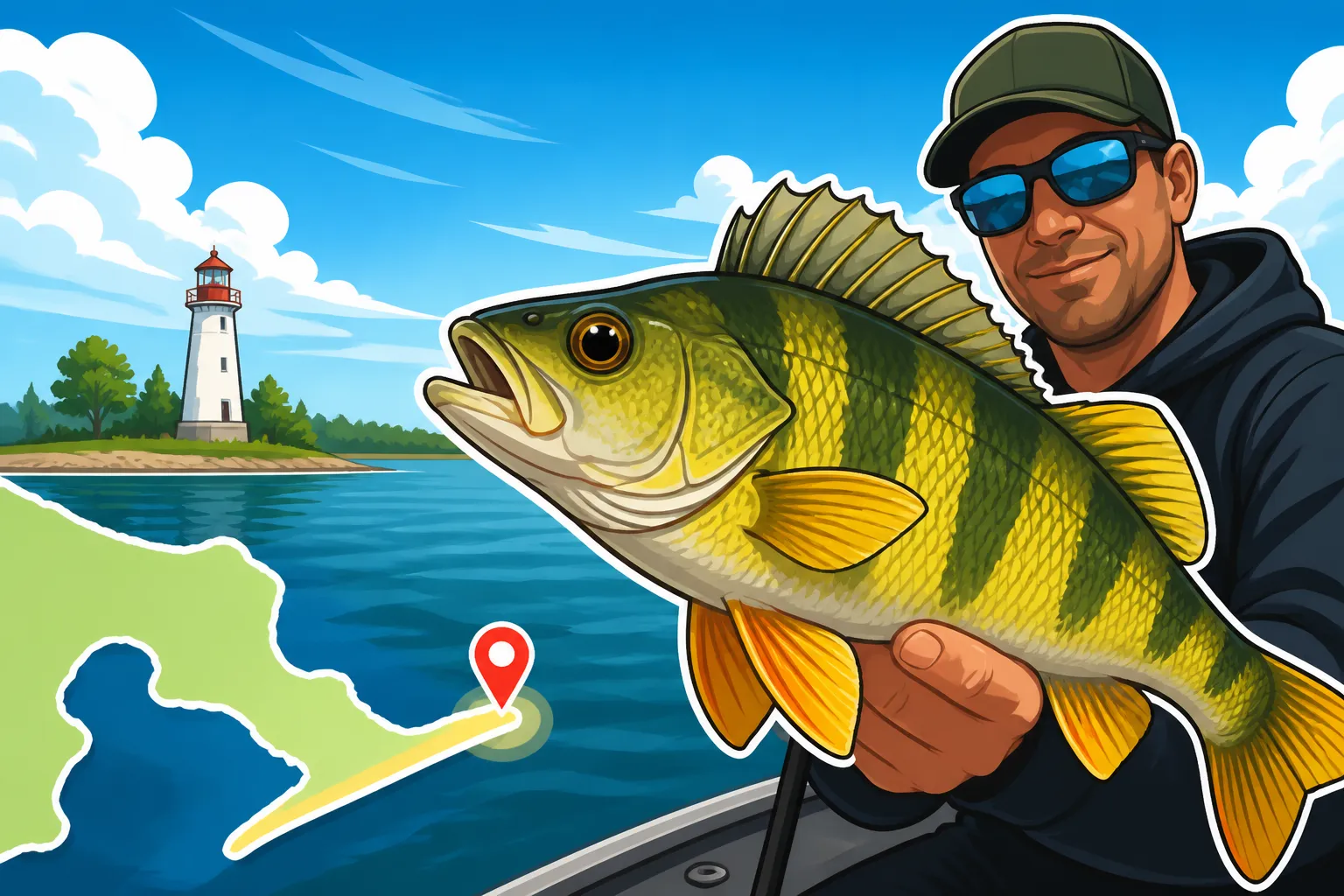
Long Point Bay Jumbo Perch Fishing
There's nothing quite like the thrill of chasing jumbo perch, and if you've ever dreamt of battling those hefty, bronze-backed beauties, Long Point Bay is probably already on your radar. But let's be honest, knowing where to go in such a massive body of water and how to consistently put fish in the boat or on the ice can feel overwhelming. This comprehensive guide is here to cut through the confusion and equip you with the knowledge to make your Long Point Bay perch fishing dreams a reality.
Why Long Point Bay is a Perch Paradise
Long Point Bay, an iconic stretch of Lake Erie in Southwestern Ontario, holds a special place in the hearts of perch anglers. It’s not just famous; it’s consistently productive, especially when it comes to those coveted "jumbo" perch that make for an unforgettable fishing experience and a fantastic shore lunch.
Unique Geography and Ecosystem
What makes Long Point Bay such a hotspot for yellow perch? It all comes down to its incredible geography and the rich ecosystem it supports. The bay is relatively shallow compared to the main body of Lake Erie, averaging around 10 to 15 feet in many productive areas, though it does drop deeper in certain channels and closer to the main lake. This shallower depth allows sunlight to penetrate, fueling the growth of vast weed beds, submerged structures, and dense aquatic vegetation. These expansive weed flats provide perfect ambush points for perch, offering both cover from predators and a buffet of food.
Furthermore, Long Point Bay acts as a massive nursery. Its protected waters, sheltered by the magnificent Long Point sand spit, are ideal for perch spawning and the early development of fry. The connection to the deeper, colder waters of Lake Erie proper means a constant influx of nutrients and baitfish, creating a dynamic environment that supports a robust and thriving perch population. This unique combination of shallow, warm, protected waters teeming with life, adjacent to the vastness of Lake Erie, is a recipe for a truly exceptional fishery.
Abundant Forage and Growth Potential
The reason Long Point Bay is synonymous with jumbo perch isn't just luck; it's directly linked to the incredible food chain within its waters. Perch here have access to an almost limitless pantry. Small baitfish like emerald shiners and spottail shiners dart through the weeds, providing a high-protein diet. But it's not just about the minnows; the perch in Long Point Bay also feast heavily on a variety of invertebrates. This includes insect larvae, crustaceans, and a significant amount of the infamous round gobies, an invasive species that, while problematic, has become a substantial food source, essentially "protein packing" these perch into their larger sizes.
This abundant and diverse forage allows perch to grow quickly and reach impressive sizes. Unlike some lakes where perch might be stunted due to overpopulation and limited food, Long Point Bay offers consistent, high-quality nutrition. Anglers often report catching perch in the 10-14 inch range, with some truly remarkable specimens pushing even larger. It's this promise of a heavy livewell or cooler filled with big, plump perch that keeps anglers coming back year after year, eager to test their skills against these well-fed denizens of the bay.
When to Target Long Point Bay's Jumbo Perch
Knowing when to cast your line is just as important as knowing where. Long Point Bay offers excellent perch fishing across multiple seasons, but some times of the year truly stand out for targeting those magnificent jumbo specimens.
Peak Seasons: Fall and Winter
If you're dreaming of a cooler full of fat perch, the fall and winter months are often your best bet in Long Point Bay. As the water temperatures begin to drop in late September and October, perch start to really school up and feed aggressively. They're trying to pack on as much weight as possible in preparation for the colder months and the upcoming spawn. During this time, they often move out of the densest summer weed beds and relate more to deeper weed edges, transition areas, and subtle contours. Look for them in areas where they can easily access both deeper water for safety and shallower flats for feeding. This pre-winter gorging makes them easier to locate in large schools and more willing to bite.
Winter brings with it the glorious season of ice fishing, and Long Point Bay truly shines when frozen over. From roughly January through March, once safe ice forms, anglers flock to the bay, drilling holes and setting up ice huts. The perch remain schooled up under the ice, often found along the same types of structure they inhabited in the late fall. Popular ice fishing locations often include the areas off Port Rowan and Turkey Point, but always check local ice conditions and access points carefully. Fishing through the ice offers a unique challenge and reward, and many of the largest perch of the year are landed during this season. For a deeper dive into fishing during the coldest months, be sure to check out our guide on Ice Fishing in Ontario.
Spring and Summer Opportunities
While fall and winter are often highlighted for jumbo perch, don't overlook the spring and summer. Each season presents its own unique set of challenges and rewards. In the spring, shortly after ice-out and following the perch spawn (which typically occurs in late April to early May), perch are in a recovery mode. They've just expended a lot of energy, and they'll be feeding heavily to regain their strength. The challenge here can be the colder, often murkier water from spring runoff, which might make them a bit more scattered. However, finding those post-spawn feeding grounds can lead to some incredible catches. Look for them in shallower bays and protected areas where the water warms up first.
Summer perch fishing in Long Point Bay demands a different approach. As water temperatures rise, perch tend to move to deeper, cooler waters. You'll often find them relating to main lake points, deeper humps, and the edges of channels. Early mornings and late evenings often provide the best bite in summer, as the perch move shallower to feed under lower light conditions. During the heat of the day, they might be suspended over deeper basins or tucked tight to any available deep structure. Targeting them in summer often means more reliance on electronics to find schools and employing vertical jigging techniques over specific spots.
Essential Gear and Tactics for Success
Having the right tools for the job can make all the difference between a frustrating day and a fantastic one. When it comes to chasing jumbo perch in Long Point Bay, precision and sensitivity are key.
Rods, Reels, and Line Choices
For Long Point Bay perch, you want gear that's sensitive enough to detect those subtle perch bites, yet strong enough to handle a feisty jumbo. A light to medium-light spinning rod, typically between 5'6" and 7 feet in length, is ideal. Many anglers prefer a fast action tip, which allows for quick hooksets without overpowering the lighter baits often used for perch. Brands like St. Croix, Shimano, and Fenwick offer excellent options that provide the right balance of sensitivity and backbone.
Pair your rod with a small, lightweight spinning reel in the 1000 to 2500 series. Smooth drag is crucial, especially if you hook into a particularly large perch or even a bonus walleye. When it comes to line, many anglers opt for a good quality 4 to 6 lb test monofilament or fluorocarbon. Monofilament offers a bit more stretch, which can be forgiving, while fluorocarbon provides excellent sensitivity and is nearly invisible underwater. For ice fishing, or if you prefer maximum sensitivity, a thin braid (6-10 lb test) with a 4-6 lb fluorocarbon leader is a popular choice, allowing you to feel even the slightest tap. You can learn more about appropriate tackle by reading our guide on Best Fishing Rods for Ontario Lakes.
Baits, Lures, and Rigs
Perch can be finicky eaters, but they also have a weakness for certain presentations. Live bait is almost always a winner. Small minnows, especially emerald shiners or spottail shiners (if locally available), are gold. Hook them lightly through the lips or dorsal fin on a small hook (#6 or #8) under a float or on a drop-shot rig. Worms, like pieces of nightcrawlers or red wigglers, are also very effective, particularly in shallower, weedier areas.
When it comes to artificial lures, small jigs are king. Think 1/16 to 1/8 ounce jigs tipped with a small plastic grub, tube jig, or even a piece of real worm or minnow. Blade baits, like those from Johnson or Rapala, can be deadly when jigged vertically, especially when you've located a school. Small spoons, like a Swedish Pimple or a Little Cleo, also work wonders, particularly through the ice. Drop-shot rigs are fantastic for presenting live bait or small plastics just off the bottom, keeping your offering visible above any weeds or muck. Experiment with colors, but natural minnow patterns, chartreuse, white, and orange often produce well in Long Point Bay. For related information on similar species, our guide on How to Catch Walleye in Ontario can also offer some crossover insights.
Crucial Electronics and Tools
In a bay as expansive as Long Point, electronics are your best friend. A good quality fish finder is essential for locating those elusive perch schools, identifying underwater structure like weed lines and subtle depth changes, and determining the depth at which the fish are holding. Brands like Humminbird and Lowrance offer a range of reliable units that can greatly improve your success. Many seasoned anglers will motor around, constantly watching their screens for baitfish and arcs that indicate a school of perch. GPS functionality is also invaluable for marking hotspots once you find them, allowing you to return to productive areas easily. Our comprehensive guide to the Best Fish Finders for Ontario Lakes can help you choose the right model.
For ice fishing, a portable flasher or an advanced sonar unit like a Garmin LiveScope or a Lowrance ActiveTarget can give you a real-time view of what's happening under your hole, showing fish approaching your bait. Beyond electronics, a sharp ice auger is a must for winter, along with a comfortable portable shelter to escape the wind, and a good ice scoop to keep your holes clear. Don't forget a long-handled net, especially if you're targeting those jumbo perch – trying to hand-land a thrashing 14-inch perch can be a recipe for lost fish or poked fingers!
Navigating Long Point Bay: Access and Strategies
Long Point Bay is a large body of water, and understanding how to access it and effectively find fish is crucial for a successful outing. While its size can be intimidating, breaking it down into manageable sections helps.
Boat Launching and Navigation
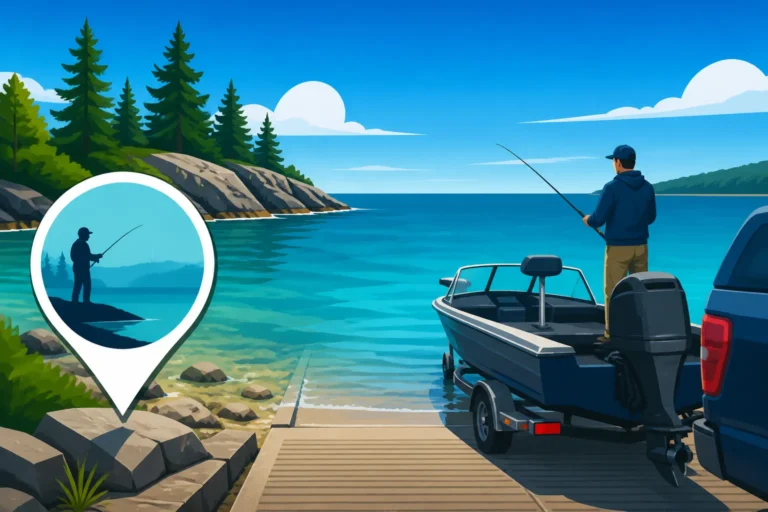
Long Point Bay offers several excellent public boat launching facilities, catering to various boat sizes. Popular access points include:
- Port Dover: Located on the eastern side of the bay, Port Dover offers good ramps and amenities. From here, you can motor west into the main bay or explore the eastern reaches.
- Port Rowan: Situated more centrally on the northern shore of the bay, Port Rowan provides direct access to prime perch waters. It's often a hub for both recreational and commercial fishing.
- Turkey Point: Further west along the northern shore, Turkey Point is another excellent option, offering access to some of the bay's most consistent perch grounds.
A crucial consideration when navigating Long Point Bay, especially for larger boats, is its relatively shallow nature. While there are deeper channels, many of the prime fishing areas are quite shallow, with extensive weed beds. Always pay close attention to depth finders and navigation charts, and proceed with caution, especially when venturing into new areas. Lake Erie itself is known for rapidly changing weather conditions, and the bay, while somewhat protected, can still get very rough. Always check the marine forecast before heading out and ensure your boat is equipped with all necessary safety gear as outlined in Ontario Boating Laws for Anglers.
Finding Perch Hotspots
Finding perch in Long Point Bay is less about random drifting and more about methodical searching and understanding their habits. Perch are schooling fish, and they tend to relate strongly to structure and forage. Here are some key areas to focus on:
- Weed Lines and Edges: These are critical. Perch use the dense weed beds for cover and ambush, but they often patrol the open water just off the edges. Look for distinct transitions from thick weeds to open bottom.
- Drop-offs and Depth Transitions: Perch will follow contours. A subtle break in depth, even just a few feet, can concentrate fish, especially during seasonal movements.
- Submerged Structure: Anything from old cribs, rock piles, historical dock remains, or even scattered debris can hold fish. These act as ambush points and provide cover.
- Baitfish Concentrations: Ultimately, perch follow their food. Use your fish finder to locate schools of baitfish. Where the bait is, the perch are usually not far behind. Don't be afraid to move around. If you're not seeing fish or getting bites within 15-20 minutes, pull up anchor and try another spot. Sometimes a move of just a few hundred yards can make all the difference.
Charter Options for a Guided Experience
For those less familiar with Long Point Bay, or visitors wanting to maximize their chances of success, hiring a local fishing charter is an excellent option. Charter captains have an intimate knowledge of the bay, its ever-changing conditions, and exactly where the perch are biting on any given day. They often have specialized equipment, including high-end electronics and sometimes even access to private fishing areas.
Platforms like FishingBooker make it easy to find and book reputable charters in the Long Point Bay area. You can browse different captains, compare prices, read reviews from other anglers, and find a guide that suits your needs, whether you're after a full-day dedicated perch trip or a mixed bag adventure. A charter not only increases your chances of a successful catch but also provides an invaluable learning experience, as captains are usually happy to share tips and techniques. They'll know the current Ontario Fishing Season Dates by Zone and the specific regulations that apply, taking the guesswork out of your trip.
Regulations and Conservation for Sustainable Fishing
Fishing Long Point Bay for jumbo perch is a fantastic experience, but it’s crucial to do so responsibly and legally. Adhering to regulations and practicing conservation ensures that this incredible fishery remains healthy for generations to come.
Understanding Ontario's Perch Limits
Like all fishing in Ontario, yellow perch fishing in Long Point Bay (which falls within FMZ 10 – Lake Erie) is subject to specific regulations set by the Ministry of Natural Resources and Forestry (MNRF). These regulations govern daily catch limits, possession limits, and often differentiate between a Sport Fishing License and a Conservation Fishing License.
Typically, a Sport Fishing License allows for a higher daily catch and possession limit, while a Conservation Fishing License has reduced limits to promote conservation. For yellow perch in FMZ 10, these limits can vary, so it is absolutely essential to consult the most current Ontario Fishing Regulations Summary. This summary is updated annually and provides all the details you need. Always carry a copy (digital or physical) when fishing. For a deeper understanding of license types, our article on Ontario Sport vs Conservation Fishing License provides excellent context.
It’s important to note that the daily catch limit refers to the number of fish you can keep in a 24-hour period, while the possession limit is the total number of fish you can have on your person or in your immediate control (e.g., in your boat, vehicle, or at your temporary accommodation) at any given time. Exceeding these limits can result in significant fines and penalties. Familiarize yourself with the Ontario Bag and Possession Limits by Species to ensure full compliance.
Practicing Responsible Angling
Beyond simply following the rules, responsible angling is about ensuring the longevity and health of the fishery. When you're catching those magnificent jumbo perch, consider these practices:
- Selective Harvest: While it's tempting to fill your cooler with every big fish you catch, consider keeping only what you'll reasonably eat and releasing the largest breeders. These large fish are crucial for the future genetics of the population.
- Proper Handling: If you plan to release fish, handle them as little as possible. Use wet hands to minimize the removal of their protective slime coat. Support the fish horizontally, and if necessary, use a large, rubberized net that is less damaging to fins and scales than traditional nylon nets.
- Barbless Hooks: Consider using barbless hooks or pinching down the barbs on your hooks. This makes hook removal quicker and causes less damage to the fish, significantly increasing their survival rate upon release.
- Leave No Trace: Always pack out everything you pack in. This includes discarded fishing line, bait containers, and any other litter. The beauty of Long Point Bay is part of the fishing experience, and we all have a role in keeping it pristine.
- Know Your License: Ensure you have a valid Ontario Fishing License Guide for 2026 before heading out. Fishing without a license is not only illegal but also deprives the MNRF of funds vital for fisheries management and conservation efforts.
By embracing these conservation practices, we can all contribute to the continued abundance of jumbo perch in Long Point Bay, ensuring that future generations of anglers can enjoy the same incredible fishing experiences we do today.
Summary of Perch Fishing Strategies for Long Point Bay
To help you quickly reference key points for your next Long Point Bay jumbo perch adventure, here's a handy summary of recommended gear and tactics.
| Aspect | Fall & Early Winter (Boat) | Winter (Ice Fishing) | Spring & Summer (Boat) |
|---|---|---|---|
| Rods | 6'6" – 7' Light to Medium-Light Spinning (Fast Action) | 24" – 36" Light to Medium-Light Ice Rod (Sensitive Tip) | 6' – 6'6" Light to Medium-Light Spinning (Fast Action) |
| Reels | 1000-2500 Series Spinning | 500-1000 Series Spinning | 1000-2000 Series Spinning |
| Line | 4-6 lb Mono/Fluorocarbon or Braid (6-10lb) + Fluoro Leader | 4-6 lb Fluorocarbon or Braid (6-8lb) + Fluoro Leader | 4-6 lb Mono/Fluorocarbon or Braid (6-10lb) + Fluoro Leader |
| Primary Baits/Lures | Live minnows (shiners), small jigs, blade baits, small spoons | Live minnows, small spoons (e.g., Swedish Pimple), small tungsten jigs, soft plastics | Live minnows/worms, small jigs, drop-shot rigs, small crankbaits/swimbaits |
| Jig Weights | 1/16 oz – 1/8 oz | 1/32 oz – 1/8 oz (tungsten often preferred) | 1/16 oz – 1/8 oz |
| Key Locations | Deep weed edges, transition zones, main lake points, channels | Deep basins, main lake points, subtle humps, structure under ice | Deeper contours, main lake humps, shaded areas, early/late in shallow bays |
| Best Time of Day | Mid-morning to late afternoon | Throughout the day (often mid-day bite) | Early morning, late evening (daytime deeper) |
| Crucial Gear | Fish finder, GPS, long-handled net, anchor | Flasher/sonar, auger, ice scoop, shelter, warm clothing | Fish finder, GPS, long-handled net, cooler |
| Tactics | Drifting, slow trolling, vertical jigging, casting | Vertical jigging, deadsticking, sight fishing (if clear ice) | Vertical jigging, drift fishing, fan casting structure |
Disclaimer
The information provided in this guide is for general informational purposes only. Fishing regulations and conditions in Ontario can change frequently. Always consult the most current Ontario Fishing Regulations Summary and verify local conditions (e.g., ice thickness, weather advisories) before planning any fishing trip. Adherence to all applicable laws and safety guidelines is the sole responsibility of the angler.