Lake Simcoe Ice Fishing
Stepping out onto a frozen Lake Simcoe, with the wind whipping and temperatures plummeting, can feel like a daunting challenge. Many anglers, especially those new to ice fishing, might feel overwhelmed by the sheer size of the lake, the ever-changing ice conditions, and the unique tactics required to coax a bite from finicky winter fish. This comprehensive guide is here to demystify ice fishing on Lake Simcoe, walking you through everything from safety and gear to the best spots and techniques, ensuring your next winter adventure is both successful and safe.
Why Lake Simcoe Reigns Supreme for Ice Fishing Enthusiasts
Lake Simcoe isn't just any lake for ice fishing; it's practically a pilgrimage site for winter anglers across Ontario and beyond. The lake’s unique geological features, coupled with dedicated fisheries management, create an environment where popular sport fish not only thrive but also grow to impressive sizes, making it a hotspot for those chasing personal bests. The convenience of its location, relatively close to the Greater Toronto Area, also plays a significant role in its popularity, drawing thousands of anglers each season.
The Allure of Jumbo Perch and Trophy Lake Trout
When you talk about Lake Simcoe ice fishing, two species immediately spring to mind: the jumbo yellow perch and the formidable lake trout. Lake Simcoe is renowned for its yellow perch, often referred to as "jumbos" due to their impressive size, regularly exceeding 10 inches and often pushing 12 to 14 inches. These larger-than-average perch provide incredible action through the ice and are fantastic table fare. The thrill of hooking into a school of these hard-fighting panfish keeps anglers coming back year after year.
Then there's the lake trout. Lake Simcoe holds a healthy population of naturally reproducing lake trout, with many fish in the 5-15 pound range, and true trophy specimens pushing 20 pounds or more are caught annually. These powerful predators offer an exhilarating fight on the ice, often making screaming runs that test both angler and tackle. The challenge of locating and enticing these deepwater dwellers is a significant draw, setting Lake Simcoe apart from many other ice fishing destinations. If you're keen to learn more about Lake Trout Fishing in Ontario, we've got a detailed resource for that.
Discovering Other Winter Catches: Whitefish and Northern Pike
While perch and lake trout steal much of the spotlight, Lake Simcoe offers a diverse range of other species that provide excellent ice fishing opportunities. Whitefish, particularly the cisco and lake whitefish, are another prized catch. Known for their subtle bites and challenging nature, whitefish often require a delicate touch and specialized presentations. Anglers specifically targeting whitefish will often use tiny spoons or small jigs tipped with a single maggot or wax worm, fishing in deeper sections of the lake. They put up a surprising fight for their size, and their firm, flaky white meat is highly sought after by culinary enthusiasts.
Northern pike, though less frequently targeted through the ice on Simcoe compared to other Ontario lakes, are also present and can offer explosive action. They typically hang around weed edges and shallower bays, preying on baitfish. Targeting pike often involves using larger tip-ups or dead sticks with hefty minnows, strategically placed near known ambush points. While not the primary draw, catching a toothy pike can certainly add an unexpected thrill to your day on the ice. Understanding Northern Pike Fishing in Ontario can certainly boost your chances.
Navigating Lake Simcoe's Ice Environment Safely and Effectively
Ice fishing, by its very nature, carries inherent risks. Lake Simcoe, being a large body of water, presents unique challenges and safety considerations that every angler must respect. From understanding the dynamics of ice formation to knowing where and how to access the lake, being well-informed is your best defense against potential dangers.
Prioritizing Safety: Ice Thickness and Stability
The cardinal rule of ice fishing is never to assume the ice is safe. Lake Simcoe's vastness means that ice conditions can vary dramatically across different areas, even within a short distance. Factors like currents, underwater springs, pressure cracks, and snow cover can all impact ice thickness and stability. It's crucial to check local ice reports daily, from reputable bait shops or online forums, before venturing out. As a general guideline, at least 4 inches of clear, new ice is recommended for walking, 5-7 inches for snowmobiles or ATVs, and 8-12 inches for small cars or light trucks. However, these are just guidelines; personal verification is always necessary. Always carry essential safety gear: ice picks, a spud bar (to test ice ahead of you), a rope, and a whistle. Wear a PFD or floater suit, especially early in the season or in unfamiliar areas. For a deeper dive into ice safety, make sure you check out How thick ice needs to be to fish safely in Ontario.
Identifying Prime Access Points and Parking Solutions
Lake Simcoe offers numerous access points, many of which are managed by local communities or private operators. These often provide plowed parking areas and sometimes even direct access onto the ice for vehicles or snow machines. Popular access points include:
- Sibbald Point Provincial Park (Jackson's Point): Offers excellent access to perch and lake trout grounds, with plenty of parking.
- Orillia (various points): Provides good access to the northern bays, often targeting perch and pike.
- Barrie (Kempenfelt Bay): A deeper bay popular for lake trout, though ice conditions can sometimes be slower to form here due to depth.
- Gilford (Cook's Bay): A massive, shallower bay known for its incredible jumbo perch fishing, with many private ice hut operators offering access.
- Roches Point and Lefroy: Other key access points, particularly for perch and whitefish, with ice hut rentals often available.
Many of these locations have dedicated parking, though it can fill up quickly on busy weekends. Some private operators charge a fee for access and parking, which is usually well worth it for convenience and safety. Always park legally and respectfully, ensuring you don't block residential driveways or access routes. To find the best spots, you might want to explore our guide on Best Ice Fishing Access on Lake Simcoe.
Equipping for Success: Essential Gear for Lake Simcoe
Ice fishing on Lake Simcoe isn't just about showing up with a rod; it's about being prepared for the elements and the fish you're targeting. The right gear makes all the difference, ensuring comfort, safety, and ultimately, a more productive and enjoyable day on the hard water.
Shelters, Heaters, and Augers: Your Winter Workhorses
When temperatures consistently hover below freezing, an ice fishing shelter becomes less of a luxury and more of a necessity. Portable flip-over shelters, often from brands like Clam or Eskimo, are popular for their quick setup and mobility, ideal for run-and-gun perch fishing. Hub-style shelters offer more space for groups and are great for setting up a base camp, especially if you're fishing with family or friends. Many of these shelters are insulated, providing a crucial barrier against the relentless wind and cold.
Inside your shelter, a reliable propane heater is non-negotiable. Brands like Mr. Heater are ubiquitous for a reason, offering efficient and safe warmth. Remember to always ensure proper ventilation to prevent carbon monoxide buildup.
Finally, an auger is your literal gateway to the fish. Manual augers are suitable for thinner ice or if you're only drilling a few holes, but for Lake Simcoe's typically thicker ice (often 12-30 inches or more) and the need to drill many holes, a power auger is invaluable. Gas-powered augers from brands like Eskimo or Jiffy are powerful, while electric augers like the ION or StrikeMaster Lithium are becoming increasingly popular for their quiet operation, lack of fumes, and ease of use. Ensure your auger blades are sharp for effortless drilling, which is especially important for Ice Fishing in Ontario.
Rods, Reels, and Lure Selection for Specific Species
The right rod and reel setup can significantly improve your sensitivity and control when battling fish through a small hole in the ice.
-
For Jumbo Perch: A light to medium-light action ice rod, typically 24-30 inches long, paired with a small spinning reel (500-1000 size) spooled with 4-6 lb fluorocarbon or monofilament line, is ideal. Perch have delicate bites, so a sensitive rod tip is crucial.
- Lures: Small jigging spoons (1/8 to 1/4 oz) like a Williams Wabler, Swedish Pimple, or Rapala Jigging Rap are highly effective, often tipped with a minnow head, maggot, or wax worm. Small soft plastics on a tungsten jig head (1/32 to 1/16 oz) also produce. For more specific tactics, check out Best jig weight for perch through the ice.
-
For Lake Trout: You'll need a much heavier setup. A medium-heavy to heavy action ice rod, 30-42 inches, coupled with a sturdy spinning reel (2500-4000 size) or a baitcasting reel, spooled with 10-20 lb braided line and a 15-25 lb fluorocarbon leader, is appropriate.
- Lures: Larger jigging spoons (1/2 to 1 oz+) like a Bad Boyz, Meegs, or Jigging Rap Magnum are go-to choices. Tube jigs (3-5 inches) in white, pearl, or glow colours, often tipped with a piece of cisco or sucker meat, are also deadly. Blade baits like the Silver Buddy can also provoke aggressive strikes.
-
For Whitefish: A medium-light to medium action rod, sensitive enough to detect their subtle bites, is preferred. Small spinning reels with 4-6 lb fluorocarbon or monofilament are best.
- Lures: Tiny jigging spoons (1/16 to 1/8 oz) like the Rapala Jigging Rap in smaller sizes, or small tungsten jigs tipped with a single maggot or wax worm.
For a broader look at equipping yourself for the cold, explore our guide on Best Ice Fishing Gear for Ontario.
Mastering Techniques for Lake Simcoe's Winter Fish
Successful ice fishing on Lake Simcoe often comes down to understanding the specific habits of each target species and employing the right presentation. What works for a jumbo perch in Cook's Bay might not even get a sniff from a lake trout in Kempenfelt.
Enticing Jumbo Perch: The Art of the Jig
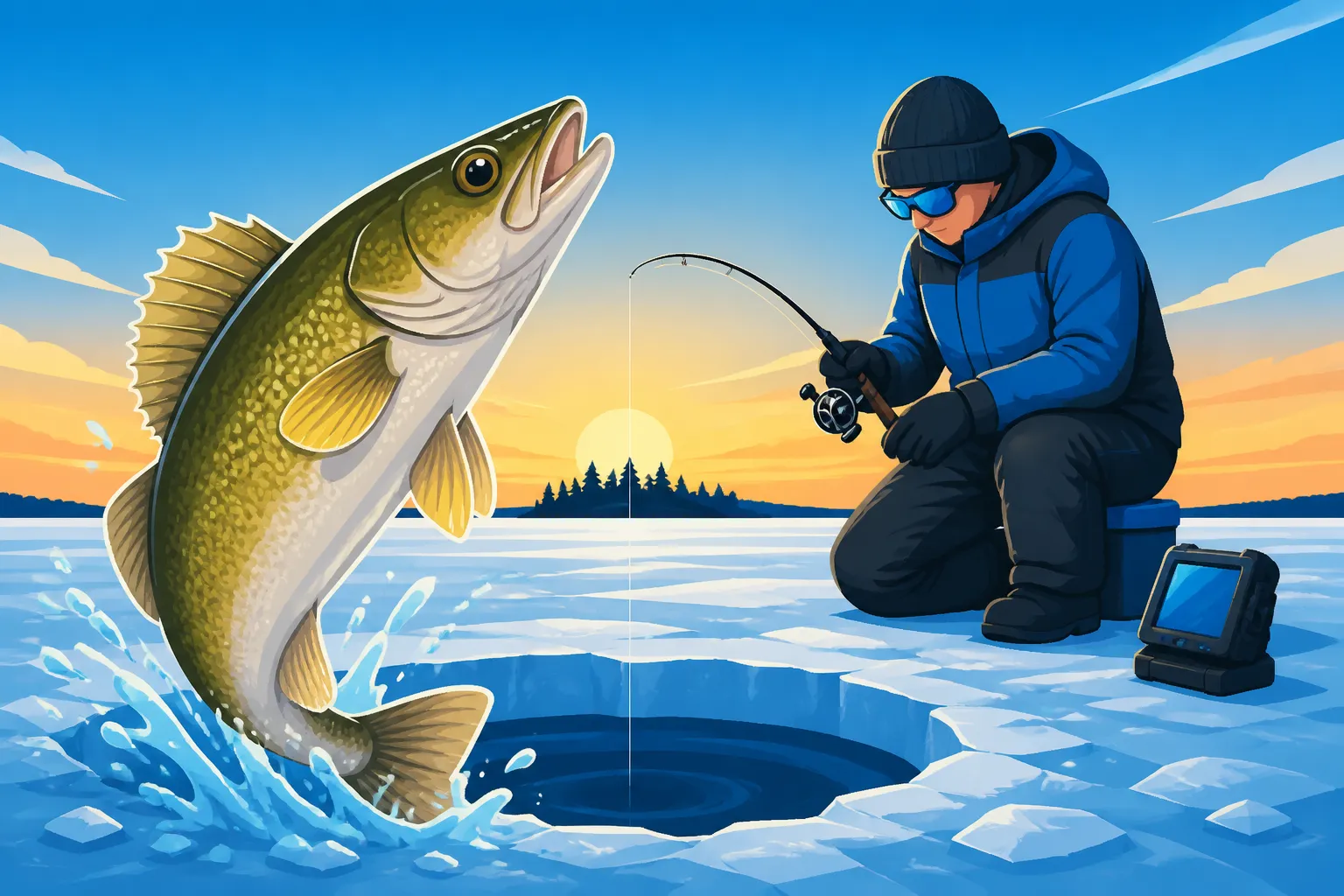
Jumbo perch on Lake Simcoe are often found in large schools, roaming expansive flats and weed edges in bays like Cook's Bay, or even deeper humps and structures. The key is to be mobile. Use your power auger and a portable fish finder (flasher or LCD unit) to quickly drill holes and locate schools. When you find them, you'll often see them stacked on your screen.
The most effective technique is active jigging. Drop your lure to the bottom, then lift it a foot or two and gently jig it. Experiment with different jigging motions: sharp snaps, subtle shivers, or slow lifts and drops. Often, the perch will hit on the pause, so pay close attention to your line and rod tip. Adding a minnow head or maggots to your jigging spoon or tungsten jig can significantly increase your strike rate. If the bite slows, try a different retrieve or even a different colour or lure. Remember, perch are visual feeders, so glow-in-the-dark lures can be highly effective in low light or deeper water. For a more detailed guide on Jigging for Perch Through the Ice, you'll find plenty of tips there.
Deepwater Dominance: Strategies for Lake Trout
Lake trout are typically found in the deeper basins of Lake Simcoe, such as Kempenfelt Bay or the main lake's deeper sections. They are often suspended at various depths, or patrolling near underwater points, humps, and drop-offs. A good fish finder is absolutely essential for locating these elusive fish.
Trolling (Drifting) with Tip-Ups or Dead Sticks: While not traditional "trolling," many anglers will set up multiple tip-ups or dead sticks (unattended rods in rod holders) with large minnows (sucker or cisco) suspended at different depths. They might then use a snowmobile or ATV to slowly drag these setups across productive areas, effectively covering more water. This passive technique can be very effective, especially when paired with active jigging.
Vertical Jigging: This is the most popular active technique for lake trout. Using your heavy jigging spoon or tube jig, drop it to the desired depth (where you mark fish or near structure). Aggressively jig the lure with long, sweeping lifts and drops, mimicking an injured baitfish. Lake trout are powerful predators and will often strike hard. Again, tipping your lure with a piece of baitfish can enhance its appeal. Be prepared for a strong fight; these fish are known for their power and endurance.
Stealth and Patience: Lake trout can be spooked by excessive noise or movement on the ice. Try to keep a low profile, especially in clear ice conditions. Patience is also key; you might need to wait for a while before a school or an individual fish decides to investigate your presentation.
The Subtle Challenge of Whitefish on Simcoe
Catching whitefish through the ice is often considered a higher art form due to their notoriously light bite and preference for small presentations. They are often found in deep water, sometimes on or near the bottom, but also suspended over deeper structure.
Downsizing is Key: When targeting whitefish, the adage "less is more" often applies. Use small, subtle jigging spoons, often in silver or gold, or tiny tungsten jigs. The key is to keep your presentation incredibly light and natural-looking.
Delicate Jigging: Whitefish rarely respond to aggressive jigging. Instead, employ a gentle, quivering motion, often just barely moving the lure. Sometimes, simply letting the lure sit motionless, or slowly lifting and dropping it a few inches, is what it takes. Many anglers will tip their tiny jigs with 1-2 maggots or a single wax worm for added scent and appeal.
Watch Your Line: The whitefish bite can be incredibly subtle – sometimes it's just a slight "mushy" feeling, or your line might just stop falling or twitch slightly. Using a brightly coloured monofilament or a sensitive rod tip can help detect these faint indications. Remember, setting the hook too hard can rip the small lure from their mouth, so a quick, firm lift is usually sufficient.
Understanding Regulations and Practicing Ethical Angling
Being a responsible angler on Lake Simcoe means more than just catching fish; it means understanding and adhering to the provincial regulations and practicing ethical angling to ensure the sustainability of this incredible fishery for generations to come.
Decoding the Rules: Limits, Seasons, and Size Restrictions
Ontario fishing regulations can be complex, and they often vary by water body and Fisheries Management Zone (FMZ). Lake Simcoe falls primarily within FMZ 16, but always double-check the current Ontario Fishing Regulations Summary for the most up-to-date information.
Key Regulations for Lake Simcoe Ice Fishing:
- Fishing License: You absolutely need a valid Ontario fishing license and an Outdoors Card. You can learn more about securing your Ontario Fishing License Guide for 2026 and what an Ontario Outdoors Card, Explained entails. Decide if a Ontario Sport vs Conservation Fishing License is right for you, as these dictate your possession limits.
- Lake Trout: There are specific season dates for lake trout on Simcoe, often closing earlier than other species to protect spawning fish. There are also strict daily catch and possession limits, and sometimes size restrictions. Always check the current summary for Ontario Lake Trout Limit and Possession Rules.
- Yellow Perch: Lake Simcoe has its own specific yellow perch regulations, which may differ from the general provincial rules. This often includes a higher daily limit but ensures the fishery remains healthy despite high angling pressure. Refer to Ontario Yellow Perch Limit on Lake Erie and Simcoe for the specifics.
- Whitefish and Pike: Check the general provincial and FMZ 16 regulations for these species.
- Ice Huts: If you're using an ice hut, it must be registered with the Ministry of Natural Resources and Forestry (MNRF) and removed from the ice by a specific date, usually mid-March, to prevent hazards as the ice melts. Check the regulations for exact dates. You can also get more details on Best Ice Fishing Huts on Lake Simcoe.
Familiarize yourself with the regulations before you head out. Ignorance of the law is not an excuse, and penalties for infractions can be significant, including hefty fines and loss of fishing privileges. For any questions, contacting the local MNRF office or a reputable bait shop is always a good idea.
Respecting the Resource and Fellow Anglers
Ethical angling goes beyond just following the rules; it's about common courtesy and environmental stewardship.
- Catch and Release: Practice proper catch and release techniques, especially for large breeding stock or if you've already met your limit. Handle fish gently, minimize their time out of water, and use appropriate tools like de-hookers.
- Clean Up Your Act: Leave no trace. Pack out everything you pack in, including discarded fishing line, bait containers, and any other garbage. The ice isn't a dumpster.
- Mind Your Distance: When setting up your gear, especially large shelters, be respectful of other anglers' space. A general rule of thumb is to give ample room, especially if they are already actively fishing.
- Ice Hut Removal: As mentioned, if you're using a private hut, ensure it's removed by the designated date. Abandoned huts become a significant environmental hazard.
- Bait Management: Be aware of regulations regarding the use of live bait, and never release unused live bait into the lake, as it can introduce invasive species or diseases.
By collectively upholding these standards, we ensure that Lake Simcoe remains a pristine and productive fishery for generations of anglers to enjoy.
Planning Your Ultimate Lake Simcoe Ice Fishing Excursion
A truly memorable ice fishing trip to Lake Simcoe involves a bit of planning, especially if you're coming from afar or trying ice fishing for the first time. From finding a reliable guide to knowing where to get the freshest bait, these details can make or break your experience.
Booking a Guided Experience or Charter Service
For newcomers to Lake Simcoe or even seasoned anglers looking to learn the ropes of ice fishing on this specific body of water, a guided trip can be invaluable. Local guides possess an intimate knowledge of the lake, current ice conditions, and fish movements. They typically provide all the necessary gear, including heated huts, power augers, and the right tackle, taking much of the guesswork and heavy lifting out of the equation.
Platforms like FishingBooker are excellent resources for finding and booking reputable ice fishing guides on Lake Simcoe. You can browse various charter services, compare prices, read reviews from other anglers, and find specialized trips targeting perch, lake trout, or a mixed bag. This can be particularly helpful if you're visiting from out of town and don't want to invest heavily in specialized gear for a one-off trip. Many guides operate out of popular hubs like Cook's Bay (e.g., Floyd Hembruff’s Ice Fishing Hut Rentals, Tim Hore’s Ice Hut Rentals) or Roches Point, offering convenient access to prime fishing grounds. These services often make the entire process seamless, from transportation onto the ice to cleaning your catch at the end of the day.
Tapping into Local Bait Shops and Accommodation Options
Local bait shops are much more than just places to buy minnows; they are community hubs and invaluable sources of real-time information. Shops like The Outdoorsman in Newmarket or Casey's Fish Huts and Tackle in Keswick are legendary among Simcoe ice anglers. They often have the most up-to-date ice reports, know what baits are working best, and can offer tips on hot spots. Make sure to stop in, grab some fresh minnows, wax worms, or maggots, and ask for their advice – you'll often get golden nuggets of wisdom.
For accommodations, Lake Simcoe's surrounding communities offer a range of options, from cozy motels and B&Bs to larger hotels. Consider staying in towns like Barrie, Orillia, Keswick, or Jackson's Point, depending on which part of the lake you plan to fish most frequently. Booking in advance, especially for weekend trips during peak ice fishing season, is highly recommended as popular spots fill up quickly. Many accommodations are accustomed to hosting anglers and might even offer facilities for storing gear or freezing your catch.
By leveraging these local resources, whether it's the expertise of a guide found on FishingBooker or the insider tips from a local bait shop, you can significantly enhance your Lake Simcoe ice fishing adventure and create lasting memories on the hard water.
Lake Simcoe Ice Fishing Species & Techniques Summary
To help you quickly reference the best approaches for targeting Lake Simcoe's most popular ice fishing species, here's a handy table summarizing key information:
| Species | Preferred Depths | Ideal Lures/Baits | Rod Action/Line Weight | Key Technique |
|---|---|---|---|---|
| Yellow Perch | 10-30 ft (flats, weed edges, humps) | Small jigging spoons, tungsten jigs, minnow heads, maggots, wax worms | Light to Medium-Light / 4-6 lb | Active jigging, subtle twitches |
| Lake Trout | 40-100+ ft (basins, humps, drop-offs) | Large jigging spoons, tube jigs, blade baits, live minnows, cut bait | Medium-Heavy to Heavy / 10-20 lb | Aggressive jigging, dead sticking, slow drifts |
| Whitefish | 30-70 ft (over deep structure, bottom) | Tiny jigging spoons, micro jigs, maggots, wax worms | Medium-Light / 4-6 lb | Delicate jigging, minimal movement, subtle pauses |
| Northern Pike | 5-20 ft (weed beds, shallow bays) | Large minnows on tip-ups, large spoons, swimbaits | Medium-Heavy / 15-30 lb | Dead sticking, tip-ups, active jigging large lures |
Remember that these are general guidelines, and fish behavior can change daily based on weather, pressure, and bait availability. Always be prepared to experiment with different depths, lures, and retrieves.
Disclaimer
The information provided in this guide is for general informational purposes only and is subject to change. Always consult the official Ontario Fishing Regulations Summary for the current year, respect all local bylaws, and prioritize your safety by checking ice conditions and using appropriate safety gear before venturing out onto the ice. Fishing conditions, regulations, and access points can vary.