Coho Salmon in the Great Lakes
There’s something truly special about the silver flash and powerful fight of a Coho Salmon. If you've spent any time fishing the vast, deep waters of the Great Lakes or their connecting tributaries, you know the thrill that comes from hooking into one of these incredible fish. This comprehensive guide will dive deep into everything you need to know about Coho Salmon in Ontario’s Great Lakes, from their history and habits to the best techniques for catching them, helping you unlock successful angling adventures.
Understanding Coho Salmon in the Great Lakes
The Great Lakes are an incredible fishery, teeming with various species that provide endless angling opportunities. Among them, the Coho Salmon holds a special place for many anglers due to its aggressive strikes and acrobatic fights. But understanding these fish goes beyond just knowing they're fun to catch; it involves appreciating their unique story and biology within this massive freshwater ecosystem.
The Great Lakes Introduction: A Historical Overview
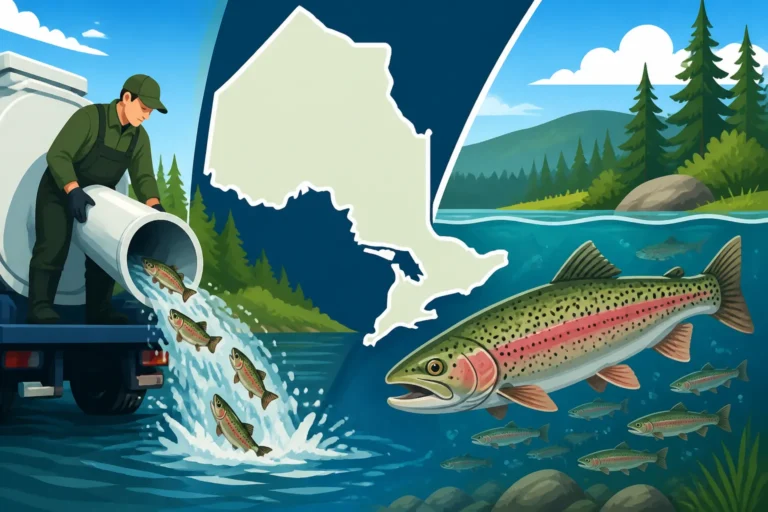
Coho Salmon, often called "silver salmon," are not native to the Great Lakes. Their presence is a testament to incredible fisheries management and restoration efforts. Initially, Pacific salmon, including Coho, were introduced to the Great Lakes, primarily Lake Michigan and Lake Superior, in the mid-1960s. The goal was multifaceted: to control the exploding alewife population, which was a non-native invasive species causing significant ecological problems, and to create a brand-new, world-class sport fishery.
The success was almost immediate and quite dramatic. Coho salmon thrived on the abundant alewife forage base, growing quickly and providing an exhilarating challenge for anglers. From those initial plants, Coho spread and were actively stocked in other Great Lakes, including Lake Ontario and Lake Huron, to replicate the success seen elsewhere. They quickly became a staple, offering fantastic fishing opportunities both in the open lake and during their seasonal tributary runs. It truly transformed the Great Lakes angling landscape, providing a new target species for countless enthusiasts.
Distinguishing Coho from Other Salmonids
When you're out on the water, especially in the Great Lakes, you'll encounter a variety of salmon and trout species. Knowing the difference between them, particularly Coho Salmon, can be crucial for understanding regulations and even identifying prime habitat. Coho are often confused with Chinook Salmon, which are also very popular in the Great Lakes.
Here’s a quick rundown of how to tell Coho apart:
- Tail Spots: Coho Salmon typically have spots only on the upper lobe of their caudal (tail) fin, whereas Chinook Salmon usually have spots on both upper and lower lobes. This is one of the most reliable visual cues.
- Gum Line: Look at the base of their teeth. Coho have a white gum line where their teeth meet the flesh. Chinook, on the other hand, have a black gum line. This difference is a clear indicator.
- Body Shape: Coho tend to be more torpedo-shaped and slimmer than the often chunkier, more robust Chinook salmon.
- Anal Fin: While less obvious, the anal fin of a Coho is usually longer and more pointed than that of a Chinook.
Understanding these characteristics not only helps with identification but also respects the regulations for Ontario Bag and Possession Limits by Species, as limits can vary between species.
Coho Salmon Life Cycle in Great Lakes Systems
The life cycle of Coho Salmon in the Great Lakes generally mirrors their Pacific counterparts, albeit adapted to a freshwater existence. These fish typically have a shorter life cycle compared to Chinook salmon, often returning to spawn after two or three years in the lake.
They hatch in gravel beds of streams and rivers, spending their first year or two in these natal waters as parr (juveniles with vertical bars). During this time, they feed on insects and small invertebrates, growing stronger before they undertake their downstream migration. Once they reach the vastness of the Great Lakes, they transform into smolts, adapting to saltwater-like conditions. Here, they spend their adolescent years feeding voraciously on baitfish, primarily alewife, growing rapidly in size and developing their distinct silvery coloration. After approximately 18-30 months in the lake, they reach sexual maturity. Driven by an innate instinct, they migrate back to the tributaries where they were born, or where they were stocked, to complete their spawning ritual. Once they have spawned, unlike some trout species, Coho salmon typically die, completing their life cycle and contributing nutrients back to the ecosystem. This unique cycle makes their in-lake and tributary movements highly predictable, which is a huge advantage for anglers.
Where to Find Coho Salmon in Ontario
Finding Coho Salmon requires understanding their preferred habitats and seasonal movements within the massive Great Lakes system. Unlike some fish that might stick to smaller, more confined areas, Coho are migratory, moving between the vast open waters of the lakes and the narrower confines of their spawning rivers. Knowing where they are and when can make all the difference to your success.
Key Great Lakes for Coho Angling
In Ontario, two of the Great Lakes stand out as prime destinations for Coho Salmon angling: Lake Ontario and Lake Huron. While Coho are present in Lake Superior as well, Lake Ontario and Lake Huron tend to offer more consistent and accessible opportunities for many anglers.
-
Lake Ontario: This lake is a phenomenal fishery for all Pacific salmon, including Coho. During the open water season, Coho can be found throughout the lake, often preferring the warmer surface waters compared to the deeper-dwelling Chinook. Prime areas include the shallower waters closer to shore in spring and early summer, particularly around river mouths and current breaks, as well as the offshore waters where they follow baitfish schools. Popular spots include the waters off Port Hope, Cobourg, the Niagara region, and areas around Prince Edward County. The sheer size of Lake Ontario means charter captains and experienced anglers use various trolling patterns to cover water and locate schools of these aggressive feeders. If you're looking for Lake Ontario Salmon Fishing, Coho will definitely be a part of that experience.
-
Lake Huron: Lake Huron, particularly its southern Georgian Bay area, also holds a healthy population of Coho Salmon. Similar to Lake Ontario, they follow baitfish, moving between open water and nearshore structures. Anglers often find success in Georgian Bay, especially around the countless islands and deeper channels. The western basin, near communities like Port Elgin and Kincardine, also sees good Coho activity. These fish thrive in the clear, cold waters, making for some truly scenic fishing trips.
Tributary Hotspots and Seasonal Migration
The magic of Coho fishing truly comes alive during their seasonal migrations into the tributaries. As the late summer turns to fall, Coho begin to stage near the mouths of their natal rivers, preparing for their upstream journey to spawn. This is a highly anticipated time for shore anglers and those with smaller boats, as the fish become more concentrated.
-
Lake Ontario Tributaries: Rivers like the Ganaraska River (Port Hope), the Credit River, and the Nottawasaga River are famous for their fall salmon runs, including Coho. These rivers provide excellent opportunities for anglers willing to walk the banks or drift small boats. The timing of these runs is crucial, often peaking from late September through October, depending on water levels and temperatures. Fresh rainfall that raises water levels can trigger mass migrations, bringing in waves of new fish.
-
Lake Huron Tributaries: The rivers flowing into Georgian Bay and the main basin of Lake Huron also see Coho returns. Rivers like the Saugeen River and other smaller streams in the Bruce Peninsula can offer fantastic, albeit sometimes more challenging, tributary fishing. Keep an eye on local fishing reports and water levels, as Coho are notoriously sensitive to river conditions during their staging and run phases. These smaller, often clear streams require a different approach than the larger open lake.
Remember, fishing these tributaries means being acutely aware of Ontario Fishing Season Dates by Zone and specific local regulations, as they can sometimes differ from open lake rules.
Shoreline vs. Offshore Locations
The versatility of Coho Salmon allows for successful angling from both shore and offshore, depending on the season and your fishing style.
-
Offshore (Open Lake) Fishing: This is where you'll find the majority of Coho during late spring, summer, and early fall before they stage for their run. Offshore fishing typically involves a boat, often larger craft for safety and comfort on the big water. Anglers will troll a variety of lures at different depths, using downriggers, planer boards, and Dipsy Divers to cover a wide spread. The key here is finding baitfish schools, as Coho will always be close by. Modern electronics, including good quality fish finders, which you can find on sites like Amazon, are invaluable for locating bait and distinguishing salmon from other species.
-
Shoreline (Nearshore and Tributary) Fishing: Shoreline fishing for Coho provides fantastic opportunities, especially during the spring and fall. In early spring, Coho often patrol the nearshore waters of the Great Lakes, feeding on baitfish that are also moving into warmer, shallower areas. Casting spoons or stickbaits from piers, breakwalls, or even sandy beaches can be incredibly effective. As fall approaches, the tributary mouths become hotspots. Here, casting spoons, spinners, or floating roe bags are popular methods. The accessibility of shore fishing makes it a favourite for many, but it also requires careful attention to crowding and respecting other anglers. During the runs, the river banks can get quite busy, but the chance to hook a fresh Coho makes it all worthwhile.
Effective Techniques and Gear for Coho Salmon
Coho Salmon are aggressive and hard-fighting, making them an absolute blast to catch. However, they can also be finicky, requiring anglers to adapt their techniques and gear to current conditions. Whether you're trolling the open lake or casting in a tributary, having the right approach and equipment is paramount to success.
Trolling Strategies and Lure Selection
Trolling is undeniably the most popular and effective method for targeting Coho Salmon in the vast expanse of the Great Lakes. It allows you to cover large areas of water, presenting multiple lures at various depths to intercept actively feeding fish.
-
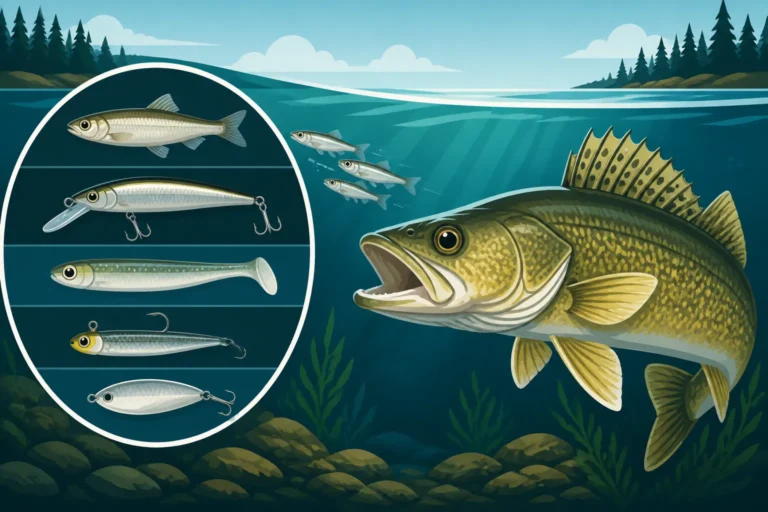
Lure Selection: Coho are attracted to bright, flashy, and fast-moving lures. Spoons are incredibly effective, especially in bright chrome, silver, or highly reflective colours with a hint of green, blue, or pink. Popular spoon brands are a staple in most salmon angler's tackle boxes. Plugs and stickbaits, mimicking baitfish like alewives, also work wonders. Think about what baitfish are prevalent in the area and choose lures that imitate their size and colour. You can often find a huge selection of these specific salmon lures on Amazon. Remember that Coho often feed higher in the water column than Chinook, so don't be afraid to experiment with shallower presentations.
-
Depth Control: Precision in depth control is critical when trolling. Downriggers allow you to present lures at specific depths, while Dipsy Divers and planer boards help spread your lines out and hit various depths closer to the surface or wider from the boat. Pay attention to your fish finder to see where baitfish are holding, and adjust your lure depths accordingly. Coho often cruise in the top 50 feet of water, sometimes even in the top 10-20 feet, especially on overcast days or in stained water.
-
Speed and Pattern: Coho typically prefer a faster troll speed than many other salmonids, often between 2.5 and 3.5 miles per hour. However, it's always wise to experiment. Varying your speed with subtle S-curves can make your lures appear more erratic and enticing. Pay attention to which lures are getting hit and try to replicate that presentation across your spread. For more advanced techniques, you might want to explore Trolling Techniques for Ontario Lake Trout, which often have overlapping principles with salmon fishing.
Casting and Drifting Techniques for Tributaries
When Coho move into the rivers for their spawning runs, the game changes entirely. Trolling is no longer an option, and anglers shift to casting, drifting, or even fly fishing.
-
Casting Spoons and Spinners: For aggressive, fresh Coho entering the rivers, casting spoons and inline spinners can be incredibly effective. Use brightly coloured or flashy spoons, retrieving them with a moderate retrieve that allows the lure to wobble and flash. Spinners with a thumping blade action also provoke strikes. Focus on slower pools, current seams, and areas with submerged structure where fish might be resting.
-
Drifting Roe Bags and Worms: As Coho move further upstream and become more focused on spawning, they can become less interested in artificial lures. This is when drifting natural baits shines. Roe bags (small mesh bags filled with cured salmon eggs) or even live worms drifted under a float are highly effective. The key is to present the bait naturally, allowing it to tumble along the bottom at the same speed as the current. Use a sensitive float and light line to detect the often subtle bites. This method works well in deeper runs and pools where fish are staging.
-
Fly Fishing: For the dedicated fly angler, Coho in the tributaries offer fantastic sport. Streamers that imitate baitfish or brightly coloured egg patterns can be deadly. Swinging streamers through runs or drifting egg patterns under an indicator are popular methods. The powerful fight of a Coho on a fly rod is an experience not soon forgotten.
Essential Tackle and Rigging for Coho
Having the right gear makes all the difference when battling a feisty Coho. Your tackle needs to be robust enough to handle their power, yet sensitive enough to detect bites.
-
Rods and Reels: For open lake trolling, medium-heavy to heavy action trolling rods, often 8-10 feet long, paired with line counter reels are standard. The line counter helps you replicate successful depths. For casting in rivers, a medium to medium-heavy spinning rod (7-9 feet) with a fast action tip, coupled with a reliable spinning reel, is ideal. These provide the necessary casting distance and backbone to fight fish in current. Check out reputable brands for Best Fishing Rods for Ontario Lakes or Best Spinning Rods for Walleye as many principles apply.
-
Line: Braided line with a fluorocarbon leader is a popular choice for both trolling and casting. Braided line offers superior sensitivity and strength, while a 15-20 lb test fluorocarbon leader provides stealth in clear water and abrasion resistance. Some anglers still prefer monofilament for its stretch, especially when trolling with downriggers.
-
Terminal Tackle: Good quality swivels, snap swivels, and strong hooks are non-negotiable. Coho have powerful jaws, and cheap components will fail. Always check your knots and line for nicks after each fish. A good quality landing net, specifically designed for salmon, with knotless rubber mesh, is also essential for safe and ethical catch and release. A net with a long handle is especially useful when fishing from a boat.
| Feature | Coho Salmon | Chinook Salmon | Rainbow Trout (Steelhead) |
|---|---|---|---|
| Spots | Spots on upper tail lobe only, few on back | Spots on both tail lobes, heavy spots on back | Small spots all over body and tail |
| Gum Line | White | Black | White or light |
| Body Shape | More slender, torpedo-shaped | More robust, blockier | Streamlined, often thicker through shoulders |
| Tail Shape | Moderately forked | More pronounced fork, often deeply indented | Slightly forked to square |
| Life Cycle | ~2-3 years in lake before spawning | ~3-5 years in lake before spawning | Can spawn multiple times, returns to lake/river |
| Typical Size | 3-12 lbs (occasionally larger) | 10-30 lbs (often larger, trophy potential) | 5-15 lbs (sea-run forms like steelhead) |
| Flesh Color | Reddish-orange | Reddish-orange to pink | Pinkish-red to white |
Coho Salmon Spawning Runs and Seasons
The allure of Coho Salmon fishing often peaks during their annual spawning migrations. This natural phenomenon concentrates fish in predictable areas, making them more accessible to a wider range of anglers. Understanding the timing and dynamics of these runs is key to planning a successful trip.
Peak Spawning Times and River Entry
Coho Salmon typically begin their spawning migrations into Ontario's Great Lakes tributaries in the late summer and early fall. The exact timing can vary slightly each year, influenced heavily by environmental factors like water temperature and rainfall.
-
Late August to Early September: This is often when the first "early runners" start staging around river mouths. These fish are usually still bright silver, fresh from the lake, and incredibly aggressive. Anglers focusing on the immediate nearshore areas and river mouths will find success during this period. The fishing can be hit or miss, as it depends on small pods of fish moving in.
-
Mid-September to Mid-October: This is generally considered the peak of the Coho run in most Ontario rivers. A significant drop in lake temperatures, coupled with increased rainfall that raises river levels, acts as a natural trigger for large numbers of fish to push upstream. During this time, rivers can be teeming with Coho. They'll be found in deeper pools, behind log jams, and in slower current breaks, conserving energy for their arduous journey. This is also when their vibrant spawning colours begin to intensify, changing from chrome silver to a darker, often reddish-maroon hue.
-
Late October into November: While the main push might be over, smaller numbers of Coho can still be found in the rivers, often further upstream. These fish will be darker, and their flesh quality will have deteriorated, but they can still offer a good fight. By this point, many will have already spawned. Knowing when to target specific species like Ontario Walleye Opener Dates by Zone or Ontario Bass Opener Dates by Zone is common knowledge, but understanding salmon runs requires monitoring specific river conditions.
Identifying Prime Spawning Waters
Not all rivers are created equal when it comes to Coho Salmon spawning. Identifying prime waters involves looking for specific characteristics that Coho need to successfully reproduce.
-
Gravel Beds: Coho, like all salmon, require clean, oxygenated gravel beds for depositing their eggs (redds). These are typically found in shallower, faster-flowing sections of rivers, where the current is sufficient to keep the gravel clean but not so strong as to wash away the eggs. Look for areas with a mix of riffles and runs.
-
Cover and Structure: While they need open gravel for spawning, Coho also seek out cover and structure for safety and rest. This includes undercut banks, submerged logs, boulders, and deeper pools adjacent to spawning areas. These spots are excellent places to target fish that are staging or temporarily holding before moving onto the redds.
-
Water Quality and Temperature: Clean, cold, well-oxygenated water is essential. Rivers that maintain stable, cool temperatures throughout the fall are prime Coho habitats. Excessive turbidity (murky water) from heavy rains can sometimes deter fish temporarily, but a sustained flow usually encourages them to move upstream.
Many of the smaller, undeveloped streams and rivers flowing into the Great Lakes offer excellent, though sometimes harder to access, Coho spawning grounds. Exploring various tributaries can often lead to finding less pressured fish.
Post-Spawn Behavior and Fishing Considerations
After the intense process of spawning, Coho Salmon undergo significant changes, and their condition deteriorates rapidly.
-
Mortality: In the Great Lakes, much like their Pacific counterparts, Coho Salmon are considered anadromous (or potamodromous, in this freshwater context) and semelparous, meaning they typically die after their first spawning. Their bodies become weakened, scarred, and they cease feeding actively. While some may linger in the rivers for a time, they are generally not targeted by ethical anglers at this stage.
-
Conservation and Ethics: Anglers keen on harvesting fish should prioritize those fresh from the lake during the early to mid-parts of the run when the fish are in peak condition and their flesh is firm and vibrant. Targeting post-spawn, "spent" fish, often referred to as "dark" or "zombies," is generally frowned upon for conservation reasons and because the fish are not good for consumption. Understanding this aspect is part of responsible angling and respecting the resource for future generations.
-
Focus on Fresh Fish: If your goal is to catch good eating fish, concentrate your efforts on the pre-spawn staging areas and the early parts of the tributary runs. These fish are still actively feeding, strong, and haven't put all their energy into reproduction yet. This ethical approach ensures a better angling experience and respects the life cycle of Coho Salmon in the Great Lakes.
Conservation and Responsible Angling
Fishing for Coho Salmon in Ontario's Great Lakes is an incredible privilege, and with that comes the responsibility to ensure these fisheries remain healthy and vibrant for years to come. Practicing conservation and responsible angling isn't just about following the rules; it's about a mindset of respect for the fish and their environment.
Ontario Regulations and Bag Limits for Coho
Understanding and adhering to the specific fishing regulations set by the Ontario Ministry of Natural Resources and Forestry (MNRF) is the foundation of responsible angling. These rules are in place to manage fish populations, protect critical habitats, and ensure sustainable fishing opportunities.
- Outdoors Card: First and foremost, anyone fishing in Ontario (unless exempt) needs an Ontario Outdoors Card, Explained and a valid fishing license. This card is your identity for fishing and hunting in the province.
- License Type: You'll typically need either a Sport Fishing License or a Conservation Fishing License. A Sport Fishing License allows for higher catch and possession limits, while a Conservation Fishing License has reduced limits and is often more affordable. For Coho Salmon, carefully check the current limits for your chosen license type.
- Zone Specifics: Ontario is divided into various Fisheries Management Zones (FMZs), and regulations can vary significantly from one zone to another. While the Great Lakes themselves often have overarching rules, specific tributaries might have unique regulations regarding season dates, gear restrictions, or even mandatory catch-and-release periods. Always consult the most recent Ontario Fishing Regulations Summary for the specific FMZ and waterbody you plan to fish. You can easily find information on Reading the Ontario Fishing Regulations Summary to ensure you're compliant.
- Size and Bag Limits: Pay close attention to daily catch limits and possession limits for Coho Salmon. A "daily catch limit" is the number of fish you can catch and keep in one day, while a "possession limit" is the total number of fish you can have on your person or in your control (e.g., at your cottage, in your freezer). These limits are in place to prevent overfishing and maintain healthy stock levels.
Ignorance of the law is never an excuse, and penalties for Fishing Without a License in Ontario: Penalties or violating limits can be severe.
Best Practices for Catch and Release
While catching Coho Salmon is thrilling, many anglers choose to release some or all of their catch, especially if they are targeting trophy fish or practicing conservation. Proper catch-and-release techniques are vital to maximize the survival rate of released fish.
- Minimize Fight Time: Use appropriate tackle that allows you to land the fish relatively quickly, without exhausting it to the point of no return. A prolonged fight, especially in warmer water, can be fatal.
- Use Barbless Hooks: Crushing the barb on your hooks (or using purpose-made barbless hooks) makes hook removal much easier and less damaging to the fish. This is often a mandatory regulation in certain special regulation waters.
- Keep Fish in Water: Whenever possible, keep the fish in the water, especially if you plan to release it. Lifting a large salmon out of the water, particularly by its jaw, can cause internal damage, damage fins, or remove the protective slime layer. If you must lift it for a quick photo, support its belly with one hand and hold the tail wrist with the other.
- Proper De-hooking: Use long-nosed pliers or a de-hooking tool to quickly and carefully remove the hook. If the hook is deeply swallowed, it’s often better to cut the line as close to the hook as possible rather than tearing at the fish's internals.
- Revive the Fish: Hold the fish gently in the water, facing into a mild current, until it regains its strength and can swim away on its own. Never throw a fish back into the water; it should swim off purposefully.
Understanding Consumption Advisories
While Coho Salmon from the Great Lakes can be delicious, it's important for anglers to be aware of consumption advisories. These advisories are issued by health and environmental agencies to inform the public about safe eating guidelines for locally caught fish, primarily due to contaminants like mercury or PCBs.
- MNRF and Environmental Data: The Ontario government, often through the Ministry of the Environment, Conservation and Parks (MECP), provides detailed fish consumption guides. These guides offer specific recommendations based on fish species, size, and the particular body of water it was caught in.
- Mercury and Other Contaminants: Larger, older fish tend to accumulate more contaminants. Therefore, advisories often recommend limiting consumption of certain species, especially larger specimens, for vulnerable populations like children, pregnant women, or those who consume fish frequently.
- Check Before You Eat: Always consult the latest consumption guide for the specific Great Lake or tributary you're fishing. These guides are usually available online through government websites or sometimes at local tackle shops. Taking a few moments to check ensures that while you enjoy the bounty of the Great Lakes, you're also protecting your health and the health of your family. It's just another aspect of being a truly responsible and informed angler on Ontario's amazing waters.
Disclaimer
This article is for general informational purposes only and does not constitute professional advice. Laws, prices and regulations vary by location and change over time. Consult a qualified professional for guidance on your specific situation.