How many trout Ontario stocks each year
It can be incredibly frustrating to plan a fishing trip, dreaming of that perfect trout bite, only to wonder if the water you're heading to even has enough fish. You've heard about trout stocking, but the real question lurking in the back of every angler's mind is often, "Just how many trout does Ontario stock each year?" It's not a simple, static number, and understanding the dynamic process behind these efforts can dramatically improve your fishing success and appreciation for conservation. This guide will dive deep into Ontario's trout stocking programs, helping you understand the factors influencing these numbers and where to find the most current information, so you can hit the water with confidence.
Understanding Ontario's Trout Stocking Programs
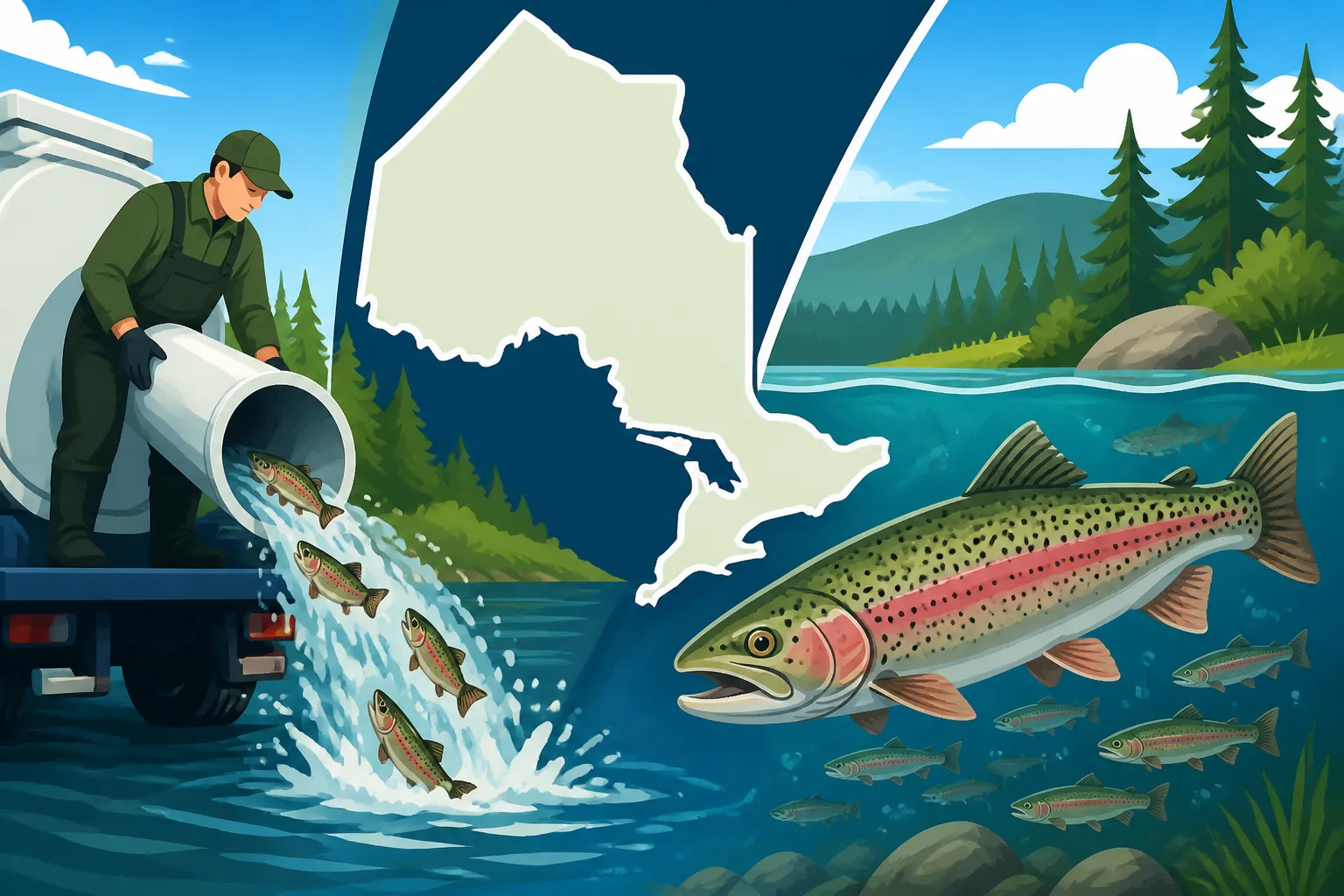
Ontario's provincial government, primarily through the Ministry of Natural Resources and Forestry (MNRF), runs an extensive fish stocking program. This isn't just a random act of generosity; it's a carefully managed initiative with multiple goals. First and foremost, it aims to enhance recreational angling opportunities across the province, making sure there are plenty of fish for us to pursue. This is particularly important in waters that might not support natural reproduction due to habitat changes or heavy fishing pressure.
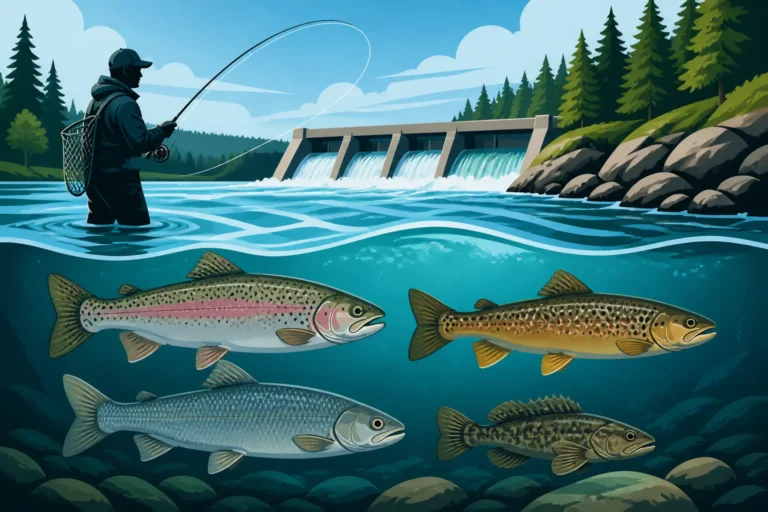
Beyond just putting fish in the water, the stocking program also plays a vital role in conservation and rehabilitation. Sometimes, native trout populations have declined in certain areas, and stocking can help re-establish them or bolster their numbers. Other times, non-native but popular sport fish are introduced to create exciting new fisheries, always with careful consideration for the existing ecosystem. Species commonly involved in these stocking efforts include Rainbow Trout, Brook Trout, Brown Trout, Lake Trout, and Splake (a hybrid of Lake Trout and Brook Trout). Each species serves a particular purpose in different environments.
The backbone of this program lies in Ontario's network of fish culture stations, essentially large-scale hatcheries where millions of fish eggs are hatched and raised to a release size. These facilities are incredible operations, carefully managing water quality, feed, and disease prevention to ensure healthy fish are ready for release. They're a testament to the province's commitment to maintaining vibrant fisheries. Without these dedicated hatcheries, the scale of stocking we see today simply wouldn't be possible, and many of our favourite local fishing spots would undoubtedly look very different.
Factors Influencing Annual Trout Stocking Numbers
You might wish there was a single, definitive number for how many trout Ontario stocks annually, but the reality is far more complex and dynamic. The number fluctuates year to year, watershed to watershed, based on a multitude of influencing factors. It's not just about how many fish they can raise, but how many should be released, and where, to achieve specific objectives.
Budgetary Constraints and Hatchery Capacity
Like any large-scale program, the stocking initiative is subject to budgetary considerations. Funding impacts everything from the number of staff at hatcheries to the amount of feed purchased and the operational costs of distribution. If budgets tighten, it can directly affect the capacity to raise and transport fish. Similarly, each fish culture station has a finite capacity based on its infrastructure, water supply, and human resources. While these stations are designed for high-volume production, they can't simply produce an infinite number of fish. These practical limits mean that the number of fish stocked is always a balance of ambition and logistical reality. How many trout Ontario stocks each year is also a reflection of the resources available.
Species-Specific Targets and Water Body Assessments
Different trout species have different stocking goals. For example, some lakes might receive Rainbow Trout for a "put-and-take" fishery, where the expectation is that anglers will catch them soon after release. Other lakes might be stocked with Brook Trout in Ontario's Crown Land Lakes or Splake Stocking in Ontario Lakes to establish self-sustaining populations or to recover native strains. Each stocking decision involves extensive biological assessments of the water body in question. Factors like water temperature, dissolved oxygen levels, availability of natural forage, presence of predators, and existing fish populations are all carefully considered. It's a bit like a scientific puzzle, trying to match the right fish to the right water at the right time.
Angler Demand and Environmental Considerations
Angler pressure and demand also play a significant role. If a particular lake or river is highly popular and experiences heavy fishing, it might receive more frequent or larger stockings to keep up with the catch rate. The MNRF often gathers feedback from angling groups and conservation authorities to help guide these decisions. Furthermore, environmental factors are critical. Droughts, floods, disease outbreaks within the hatcheries, or unexpected changes in a specific lake's ecosystem can all lead to adjustments in stocking plans. For instance, if a lake's water quality declines significantly, stocking efforts might be paused or redirected until conditions improve, safeguarding the investment in those fish.
| Factor | Influence on Stocking Numbers | Examples of Impact |
|---|---|---|
| Budget & Resources | Limits overall production and distribution. | Reduced funding means fewer fish raised; aging infrastructure limits capacity. |
| Hatchery Health | Directly impacts the number of healthy fish available. | Disease outbreak leads to temporary reduction in species stocked. |
| Water Body Suitability | Determines where fish can survive and thrive. | Stocking paused in a lake with low oxygen or high predation. |
| Angler Pressure | Increases stocking for popular "put-and-take" fisheries. | Heavily fished urban ponds receive regular Rainbow Trout stockings. |
| Conservation Goals | Prioritizes restoring or sustaining native populations. | Efforts to re-establish native Lake Trout Fishing in Ontario in specific lakes. |
| Environmental Events | Can cause significant, unexpected changes. | Droughts impacting water levels; floods affecting habitat stability. |
Accessing Ontario's Trout Stocking Information
So, how do you find out the magic number for your favourite fishing hole? The good news is that Ontario is quite transparent with its stocking efforts. You don't have to guess; the information is readily available if you know where to look.
The Fish ON-Line Tool
Your absolute best friend for finding stocking information is the Ontario Fish ON-Line Interactive Zone Map, Explained. This incredible online resource, provided by the MNRF, allows you to search for specific lakes or rivers within any of the Ontario Fisheries Management Zones, Explained. Once you select a water body, you can often find details about the fish species present, what species have been stocked, and even historical stocking records. It’s a goldmine of information for anyone serious about fishing in Ontario. You might discover that your local pond receives regular drops of Rainbow Trout Stocking in Ontario, or that a remote northern lake has been bolstered with Lake Trout.
Navigating Fish ON-Line takes a little practice, but it's worth the effort. You can filter by species, by water body name, or even by a specific time frame. This allows you to see not just if fish were stocked, but when and what kind. For example, you could easily check which provincial parks stocked trout in the spring, or verify the last time a particular stream received a batch of Brook Trout. This kind of detailed information is invaluable for planning your trips, letting you know whether to target recent stockings or look for older, more established fish. When you're gathering all this intel, make sure your tackle box is ready for whatever you find; you can always browse for organization solutions or new lures on Amazon to keep your gear in top shape for the outing.
Interpreting Stocking Data
When you find the stocking data, it's important to know what you're looking at. You'll typically see numbers associated with a specific species, size (e.g., fingerlings, yearlings), and the year of stocking. Remember, these are the numbers of fish released, not necessarily the number of fish that have survived to catchable size. Survival rates can vary greatly depending on the species, the water body, and environmental conditions post-release. A lake stocked with thousands of tiny fingerlings might not produce the same immediate catch rates as one stocked with fewer, larger yearlings.
It’s also crucial to consider the type of stocking. Some waters are managed as "put-grow-and-take" fisheries, where smaller fish are stocked and allowed to grow for a season or two before being caught. Other areas, particularly in urban settings, are "put-and-take" fisheries, designed for immediate recreational opportunities, often with larger fish. Always check the specific regulations for the water you're fishing, as stocking efforts can sometimes coincide with special rules or seasons, which you can usually find through the MNRF site or even on a handy fishing guide you might have picked up from Amazon. This nuanced understanding helps you set realistic expectations for your fishing trip and plan your Best Tackle for Ontario Walleye or Best Gear for Ontario Trout Fishing accordingly.
The Importance of Trout Stocking for Ontario Anglers
For many of us, the idea of a productive day on the water is directly linked to the health and abundance of fish, and trout stocking plays a profound role in making that a reality across Ontario. It's more than just putting fish in a lake; it's about sustaining a beloved pastime and contributing to the province's natural heritage.
Enhancing Recreational Opportunities
One of the most immediate and tangible benefits of trout stocking is the sheer enhancement of recreational fishing opportunities. Imagine urban ponds or smaller lakes that, left to their own devices, might not sustain a significant fish population. Through consistent stocking, these waters become vibrant fishing spots, easily accessible for families, beginners, and seasoned anglers alike. It means more people can experience the joy of catching a beautiful Rainbow or Brook Trout, fostering a connection with nature right in their backyard. This accessibility is vital for introducing new generations to fishing, ensuring the sport continues to thrive.
Stocking also helps distribute angling pressure. Instead of everyone flocking to the few naturally reproducing wild trout streams, stocked lakes provide alternative destinations. This can help protect delicate wild populations from overfishing, allowing them to flourish without excessive human disturbance. Many anglers appreciate knowing that certain waters are specifically managed for higher catch rates through stocking, offering a reliable target for a fun day out. To make the most of these opportunities, you'll want reliable gear, and finding things like the Best Fishing Rods for Ontario Lakes or a durable cooler for your catches is often a quick search away on Amazon.
Conservation and Rehabilitation Efforts
While often seen as a recreational boost, trout stocking also has significant conservation implications. In some cases, stocking is used as a tool for rehabilitation, helping to restore native trout populations that have been impacted by habitat loss, pollution, or historical overfishing. This is particularly true for species like Lake Trout in certain areas or Brook Trout Native Range in Ontario that might be struggling in their historical waters. By carefully introducing hatchery-raised fish, the MNRF aims to re-establish breeding populations, hoping they will eventually become self-sustaining.
It's a long-term strategy that requires careful monitoring and adaptive management. These efforts are not just about numbers, but about genetic diversity and ecological health. The goal is always to support healthy ecosystems where fish can thrive naturally. Stocking acts as a vital bridge, providing a boost when nature needs a helping hand, while simultaneously protecting the genetic integrity of Ontario's precious wild fish resources. So, the next time you cast a line into a stocked lake, remember that you're not just enjoying a recreational activity; you're also benefiting from a program designed to support the broader health of Ontario's aquatic environments.
Disclaimer
This article is for general informational purposes only and does not constitute professional advice. Laws, prices and regulations vary by location and change over time. Consult a qualified professional for guidance on your specific situation.