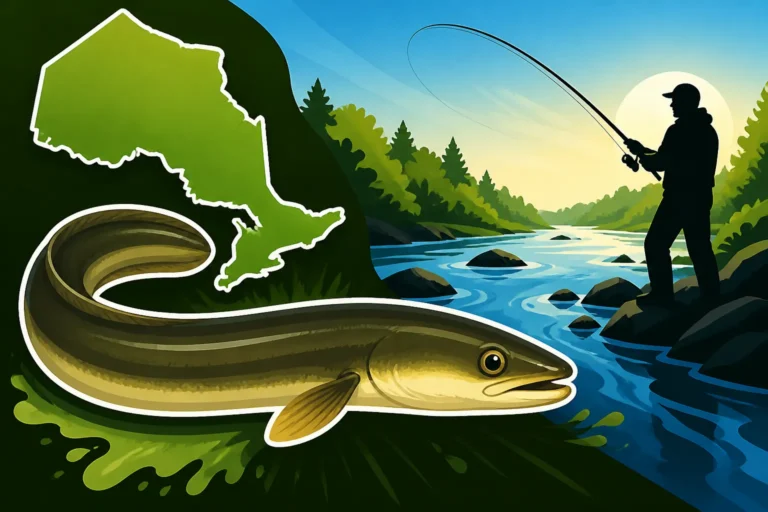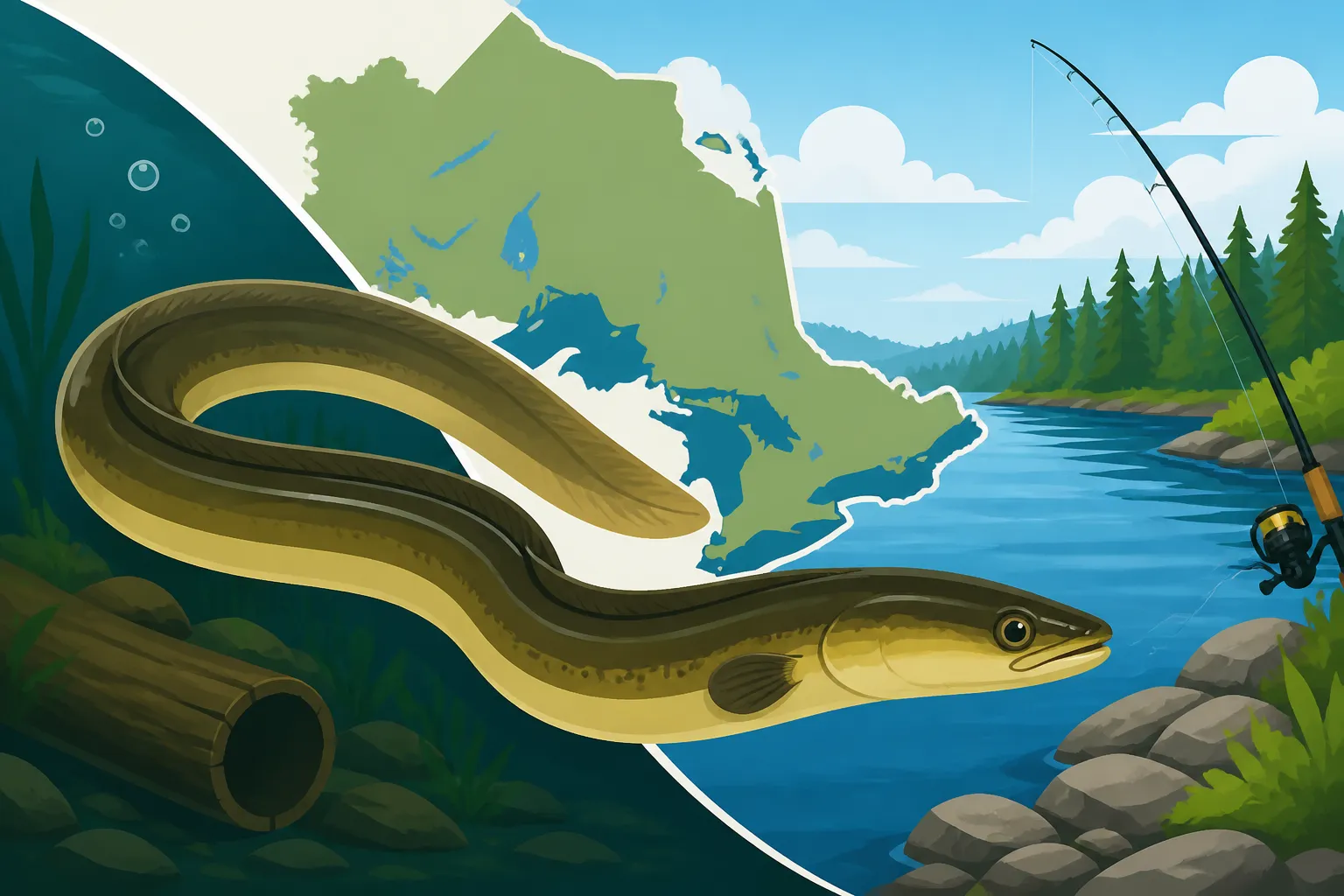
What American eel look like and where they live
There's a unique thrill to fishing in Ontario, but sometimes, you hook into something that makes you scratch your head. Many anglers have pulled in a long, slender, almost snake-like creature and wondered, "What in the world is that?" More often than not, you've just met an American eel, a truly fascinating and often misunderstood resident of our waters. This guide is here to shed some light on these incredible fish, helping you identify them correctly and understand the amazing places they call home in our beautiful province.
What Do American Eels Even Look Like?
When people first encounter an American eel, their minds often jump to snakes or some other serpentine creature. It's an understandable reaction, given their unique appearance. But once you know what to look for, you'll see they are distinctly fish, albeit a very ancient and specialized kind. They truly stand out from the typical walleye or bass we often target.
Body Shape and Coloration
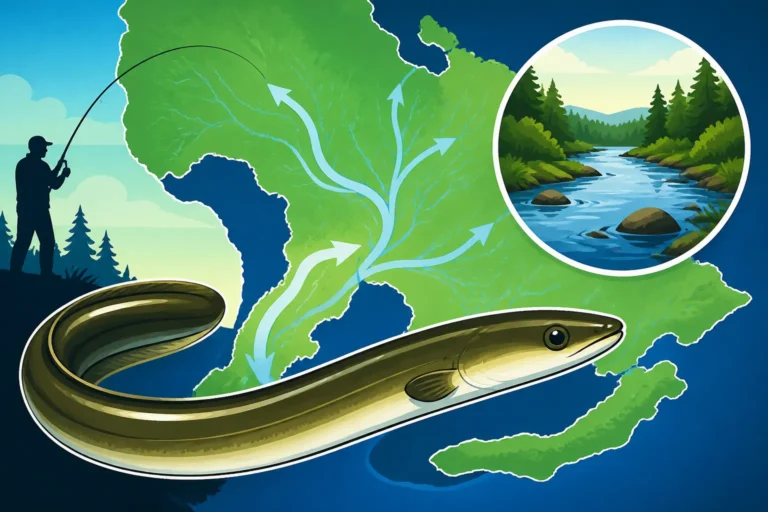
Imagine a long, cylindrical body that tapers slightly towards a pointed tail, and you're picturing an American eel. Their most striking feature is this incredibly elongated, snake-like form, which is covered in a thick layer of mucus that makes them notoriously difficult to hold onto. Beneath that slime, their skin is smooth, but they do have tiny, embedded scales that are barely visible to the naked eye. This makes them feel even more distinct from other scaly fish.
Their colour can vary quite a bit, depending on their age, habitat, and even their current life stage. Younger eels, often called "yellow eels" during their freshwater growing phase, typically display an olive green, greenish-brown, or sometimes even a dark brown to almost black hue on their backs. This coloration offers excellent camouflage against the riverbeds and lake bottoms where they spend much of their time. Their bellies, in contrast, are usually a pale yellow or a creamy white. As they mature and prepare for their epic migration back to the sea to spawn, they undergo a transformation into "silver eels." During this stage, their backs darken further, and their bellies become distinctly silver, a perfect adaptation for their oceanic journey. If you're looking for a good field guide to help with fish identification, there are many excellent options available on Amazon that can help you distinguish between different species you might encounter.
Fins and Jaw Structure
One of the easiest ways to tell an American eel apart from a true snake or even another fish species with a similar shape is by looking at its fins. Unlike snakes, which have no fins, the American eel possesses a continuous dorsal fin, anal fin, and caudal (tail) fin that are all fused together, forming one long, flowing ribbon that runs almost the entire length of its back and underside, meeting at the tail. This unique fin structure gives them incredible maneuverability in tight spaces and strong currents. You'll also notice small, paddle-like pectoral fins located just behind their head, but they completely lack pelvic fins, which are common in most other fish species. This absence of pelvic fins further contributes to their sleek, streamlined profile.
Their head is relatively small and cone-shaped, with a distinctive mouth that clearly sets them apart. The lower jaw of an American eel typically protrudes slightly beyond the upper jaw, giving them a determined, almost underslung look. Inside their mouth, they have numerous small, sharp teeth, perfect for grasping their prey. They are opportunistic feeders, capable of devouring everything from insects and crustaceans to smaller fish and carrion. This robust mouth and jaw structure is a key indicator that you're dealing with a fish built for hunting, not just a harmless creature of the deep. When fishing, if you happen to catch one of these slippery characters, a pair of fishing pliers, readily available on Amazon, can be incredibly helpful for a quick and safe release, minimizing stress for both you and the eel.
Where Do They Call Home in Ontario?
The American eel's journey to Ontario is nothing short of incredible, originating thousands of kilometres away in the vast expanse of the Atlantic Ocean. While their numbers have sadly declined dramatically over the years, they are still found in specific areas of our province, reminding us of their enduring presence.
River Systems and Great Lakes Connections
The primary gateway for American eels into Ontario is the mighty St. Lawrence River. This river acts as a vital migration corridor, allowing juvenile eels to travel upstream from the Atlantic Ocean into the Great Lakes system and its connecting tributaries. Historically, eels were found throughout Lake Ontario, Lake Erie, and even further upstream into Lake Huron and Lake Superior, reaching many of their associated rivers. However, due to various factors, including hydroelectric dams that block their migration routes, their range has significantly diminished. Today, you are most likely to encounter American eels in the lower sections of the St. Lawrence River, including areas near Cornwall, Brockville, and Kingston, and within Lake Ontario itself, particularly in the eastern basin.
Many of the smaller rivers and streams that feed into Lake Ontario and the St. Lawrence River can also host eels, especially those with relatively unobstructed paths. These include tributaries like the Ottawa River, though their presence becomes less frequent the further upstream you go due to natural barriers and human-made structures. It's a fascinating example of how interconnected our vast freshwater systems are with the ocean, supporting species that make incredible migratory journeys. If you're out fishing in these waters, particularly in the lower St. Lawrence or eastern Lake Ontario, there's always a chance you might reel in one of these unique fish. Consider exploring resources like American Eel in Ontario Rivers for more specific details on their known habitats.
Preferred Habitat within Waterways
Once they arrive in their freshwater growing grounds, American eels are fairly particular about where they set up shop. They are largely nocturnal creatures, preferring to hide during the day and venture out to feed under the cover of darkness. You'll often find them lurking on the bottom of rivers and lakes, particularly in areas with plenty of cover. Think rocky crevices, submerged log piles, dense weed beds, and muddy or sandy bottoms where they can burrow. These sheltered spots offer protection from predators and strong currents, providing ideal ambush points for their prey.
They thrive in a variety of conditions, from slow-moving river sections to the deeper, cooler waters of large lakes. While they prefer clearer water, they are quite adaptable and can tolerate some turbidity. Their keen sense of smell, rather than sight, is their primary tool for hunting in low-light conditions and murky environments. Anglers fishing for other species, especially bottom-feeders like walleye, might accidentally hook an eel. For example, when you're exploring St Lawrence River walleye fishing access or St Lawrence River muskie fishing access, keep in mind that these same habitats could very well be home to a resident eel population. A general awareness of the types of fish inhabiting different depths and structures, often detailed in various Ontario fishing guides, can make your time on the water more rewarding.
The Incredible Journey: Eel Migration
The life cycle of the American eel is one of the most astonishing stories in the natural world. It involves an epic, multi-generational journey that spans thousands of kilometres, from the depths of the ocean to the freshwater systems of Ontario.
Spawning in the Sargasso Sea
Every single American eel, no matter where it spends its growing life, begins and ends its journey in one specific, mysterious place: the Sargasso Sea. This is a vast, calm region in the Atlantic Ocean, characterized by its warm waters and floating mats of Sargassum seaweed. Here, adult "silver eels," having migrated thousands of kilometres from their freshwater homes in Ontario and elsewhere along the eastern seaboard, gather to spawn. The precise details of their spawning ritual remain largely unknown, as it occurs at great depths and is incredibly difficult to observe. After spawning, the adult eels are believed to die, having completed their monumental life's purpose.
The tiny, transparent, leaf-shaped larvae, known as "leptocephali," hatch from the eggs and begin their own incredible journey. Carried by the Gulf Stream, these delicate creatures drift slowly northward and westward across the Atlantic, a journey that can take many months, even over a year. It's a testament to the ocean's currents and their innate drive that they find their way towards the North American coast. This initial oceanic phase is crucial, setting the stage for their eventual arrival in our provincial waters.
Glass Eels to Elvers to Yellow Eels
As the leptocephali approach the continental shelf and the shallower coastal waters, they undergo a remarkable metamorphosis, transforming into what are known as "glass eels." At this stage, they are still transparent but have taken on the more familiar, slender eel shape. These tiny, almost invisible creatures then enter estuaries and begin their incredible upstream migration into freshwater rivers and lakes, including those connected to the St. Lawrence River and ultimately into Ontario. Imagine thousands of these tiny, translucent eels pushing against currents, driven by an instinct to find suitable freshwater habitat.
Once in freshwater, they continue to grow and develop, losing their transparency and becoming pigmented. At this stage, they are called "elvers," small, dark-coloured eels usually only a few inches long. The elvers then mature into "yellow eels," which is the long-term growth phase. This is the stage where they are most commonly encountered by anglers in Ontario's rivers and lakes, living as bottom-dwelling predators for many years – sometimes even decades. During this time, they will grow significantly, foraging and maturing until the day comes when their biological clock tells them it's time to transform into "silver eels" and embark on their own perilous journey back to the Sargasso Sea to complete the cycle.
Why Should Anglers Care About Eels?
While not a primary target for most recreational anglers, American eels are a vital part of Ontario's aquatic ecosystem. Understanding and respecting them is crucial, especially given their vulnerable status.
Accidental Catches and Release
It's not uncommon for anglers targeting walleye, catfish, or even bass, particularly when using live bait or fishing on the bottom, to unexpectedly hook an American eel. Their strong bite and powerful, wriggling body can certainly be a surprise! When you do hook one, it's important to handle it with care. Eels are incredibly slippery due to their protective layer of mucus, making them hard to grip. A wet cloth or net can help you manage them without causing harm to their skin or removing too much of that vital slime. Their tendency to twist and coil can also make hook removal challenging.
If you find yourself with an eel on the line, the best practice is to release it as quickly and gently as possible. Try to use needle-nose pliers to remove the hook. If the eel has swallowed the hook deeply, it's often better to cut the line as close to the hook as possible rather than risk internal damage by trying to force it out. Remember, these are fascinating creatures on an epic journey, and their survival is important. Familiarizing yourself with general catch-and-release guidelines, perhaps by reading articles like Ontario Catch and Release Only Waters, will serve you well for all species. Always be mindful of local regulations, as American eels are a species of special concern in Ontario, and specific rules might apply to their handling.
Conservation Efforts and Importance
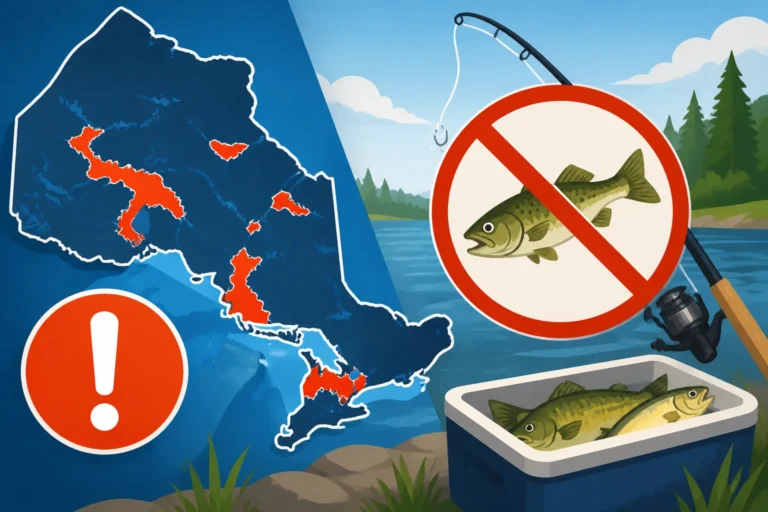
The American eel population has experienced a significant and concerning decline across its entire range, including in Ontario. This decline is largely attributed to habitat loss, pollution, and critically, the construction of hydroelectric dams that block their upstream migration routes. These dams prevent juvenile eels from reaching their freshwater feeding grounds and, conversely, prevent mature eels from returning to the ocean to spawn. Recognizing this, the American eel is listed as an endangered species in Ontario, which means it receives special protection under provincial law.
For anglers, this status underscores the importance of responsible fishing practices. Understanding that these unique fish are struggling can inspire a greater appreciation for their place in our waterways. Conservation efforts are underway to help the species recover, including studies on eel ladders and other passage solutions around dams, as well as habitat restoration projects. By being aware of their presence, practicing careful catch-and-release, and supporting sustainable fishery management, anglers play a small but significant role in the broader effort to protect the American eel and ensure its incredible journey continues for generations to come. It’s another reason to always consult resources like Reading the Ontario Fishing Regulations Summary to stay informed about protected species and fishing rules in Ontario Fisheries Management Zones, Explained.
American Eel Identification at a Glance
To help you quickly identify an American eel if you encounter one, here's a quick summary of their key features:
| Feature | Description | Differentiator |
|---|---|---|
| Body Shape | Long, slender, cylindrical, snake-like. Very flexible. | Distinctly fish-like, unlike true snakes. |
| Skin/Scales | Smooth, slimy skin. Tiny, embedded scales (not easily visible). | Not rough or scaly like most fish; not truly scale-less like some. |
| Coloration | Olive green/brown/dark grey back; pale yellow/creamy white belly (Yellow Eel stage). Silvery belly (Silver Eel stage). | Changes with age and migratory stage. |
| Fins | Continuous dorsal, anal, and caudal fins fused into one long ribbon. Small pectoral fins behind head. No pelvic fins. | Unique single-fin appearance; presence of pectoral fins confirms fish. |
| Jaw | Lower jaw protrudes slightly beyond the upper jaw. Numerous small, sharp teeth. | Distinguishable jaw structure from other fish and snakes. |
| Habitat | Bottom-dwelling in rivers, lakes (especially St. Lawrence, Lake Ontario, connecting tributaries). Prefers cover. | Not found in purely terrestrial or deep ocean habitats exclusively. |
Disclaimer
This article is for general informational purposes only and does not constitute professional advice. Laws, prices and regulations vary by location and change over time. Consult a qualified professional for guidance on your specific situation.