When Chinook salmon run in Ontario
The crisp autumn air, the vibrant colours of changing leaves, and the unmistakable scent of the river are all signals to the seasoned angler that one of Ontario's most thrilling fishing events is about to begin: the Chinook salmon run. But for those new to the game, or even experienced folks trying to time it just right, figuring out when these magnificent fish make their epic journey upstream can feel like trying to solve a puzzle. This comprehensive guide will pull back the curtain on the Chinook salmon run in Ontario, giving you the knowledge to be in the right place at the right time.
Understanding the Chinook Salmon Life Cycle in Ontario
Before we dive into the "when," it's helpful to understand the "why" of the Chinook salmon run. These fish, sometimes called "Kings" for their impressive size and fighting spirit, have a fascinating life cycle that culminates in a truly spectacular natural event. Knowing their habits helps you anticipate their movements and understand the factors that influence their arrival in the rivers.
The Great Lakes Connection
Chinook salmon aren't native to Ontario's Great Lakes, but they've established thriving populations thanks to stocking programs over many decades. For the vast majority of their lives—typically three to four years, but sometimes up to five—these powerful fish inhabit the immense waters of Lake Ontario, Lake Huron, and to a lesser extent, Lake Erie and Lake Superior. They are apex predators in these cold, nutrient-rich environments, feeding voraciously on smaller baitfish like alewives and smelt. This abundant food source allows them to grow to incredible sizes, often reaching weights well into the double digits, making them a true prize for any angler. It's during this lake-dwelling period that they build up the strength and reserves needed for their final, arduous journey.
Imagine these fish patrolling the vast depths of Lake Ontario, a true freshwater ocean. They're constantly on the move, chasing schools of baitfish, growing larger and more powerful with each passing season. This incredible growth is what makes the Great Lakes Chinook fishery so renowned. Anglers out on the lake often target them by trolling with downriggers and planer boards, trying to entice these giants with spoons and flies in the cooler, deeper waters. It’s a different kind of challenge than river fishing, but equally rewarding. If you're keen to learn more about where these fish spend their lives, you can look into Chinook Salmon in Lake Ontario to get a better grasp of their primary habitat before they make their seasonal migration.
The Anadromous Journey
The term "anadromous" refers to fish that spend most of their lives in saltwater but migrate to freshwater to spawn. For Great Lakes Chinook, it's a freshwater version of this incredible phenomenon, as they live in the lakes and return to the rivers where they were either stocked or hatched to reproduce. This journey, typically undertaken in the fall, is a one-way ticket for these magnificent creatures. Once they leave the cold, deep waters of the lake and enter the warmer, shallower, and often more turbulent river environments, their bodies begin to change dramatically. They stop feeding, their silvery lake colours transform into darker, often mottled hues, and males develop a pronounced kype (a hooked jaw) and a noticeable hump on their back.
This transformation is driven by an instinctual urge to reproduce. They navigate upstream against strong currents, leaping over rapids and pushing through obstacles, all to reach the gravel beds where they will lay and fertilize their eggs. It's a testament to their strength and determination, but it also marks the end of their life cycle. After spawning, exhausted and depleted, the adult Chinook salmon will die, providing valuable nutrients back to the river ecosystem. This cycle is a fundamental aspect of river ecology and provides a thrilling, albeit bittersweet, opportunity for anglers. Unlike some other salmonids, such as steelhead, Chinook are semelparous, meaning they spawn once and then perish. This makes catching one even more special, as you're connecting with a fish at the very peak of its life's purpose.
Prime Timing: When Chinook Salmon Runs Peak in Ontario
So, when does this incredible spectacle truly kick off? While nature doesn't operate on a strict calendar, there are very clear patterns that dictate the best times to intercept these migrating giants in Ontario's rivers.
Early Preparations: Late Summer Foreshadowing
Even before the official "run" begins, observant anglers can pick up subtle hints in late August. As the days begin to shorten and the nights grow cooler, the first intrepid Chinook salmon start to stage near the mouths of their natal rivers. These aren't full-blown river migrations yet; rather, they're congregating in the cooler, deeper waters of the lake just offshore, waiting for the optimal conditions to make their move.
You might hear whispers from lake anglers that fish are starting to show up near the river deltas or in the immediate vicinity of creek mouths. These early arrivals are often the largest, most aggressive fish, sometimes making quick forays into the lower river sections during periods of cooler weather or after a significant rain. If you're out on a boat near the mouth of a river like the Ganaraska or the Credit during this time, you might encounter a few of these early movers. They're still bright silver and full of fight, having only recently left the lake. This staging period is a great time to start getting your gear in order, checking your waders, and making sure your heavier rods and reels are ready for action. Many anglers even start watching weather patterns closely, especially looking for cold fronts and rain.
The September Surge: The Main Event
Without a doubt, September is the absolute sweet spot for Chinook salmon fishing in Ontario. This is when the main push begins, and rivers that were relatively quiet just a few weeks prior suddenly become highways for thousands of migrating salmon. The decreasing daylight hours (photoperiod) combined with consistently cooler lake and river temperatures signal to the vast majority of the Chinook population that it's time to head upstream.
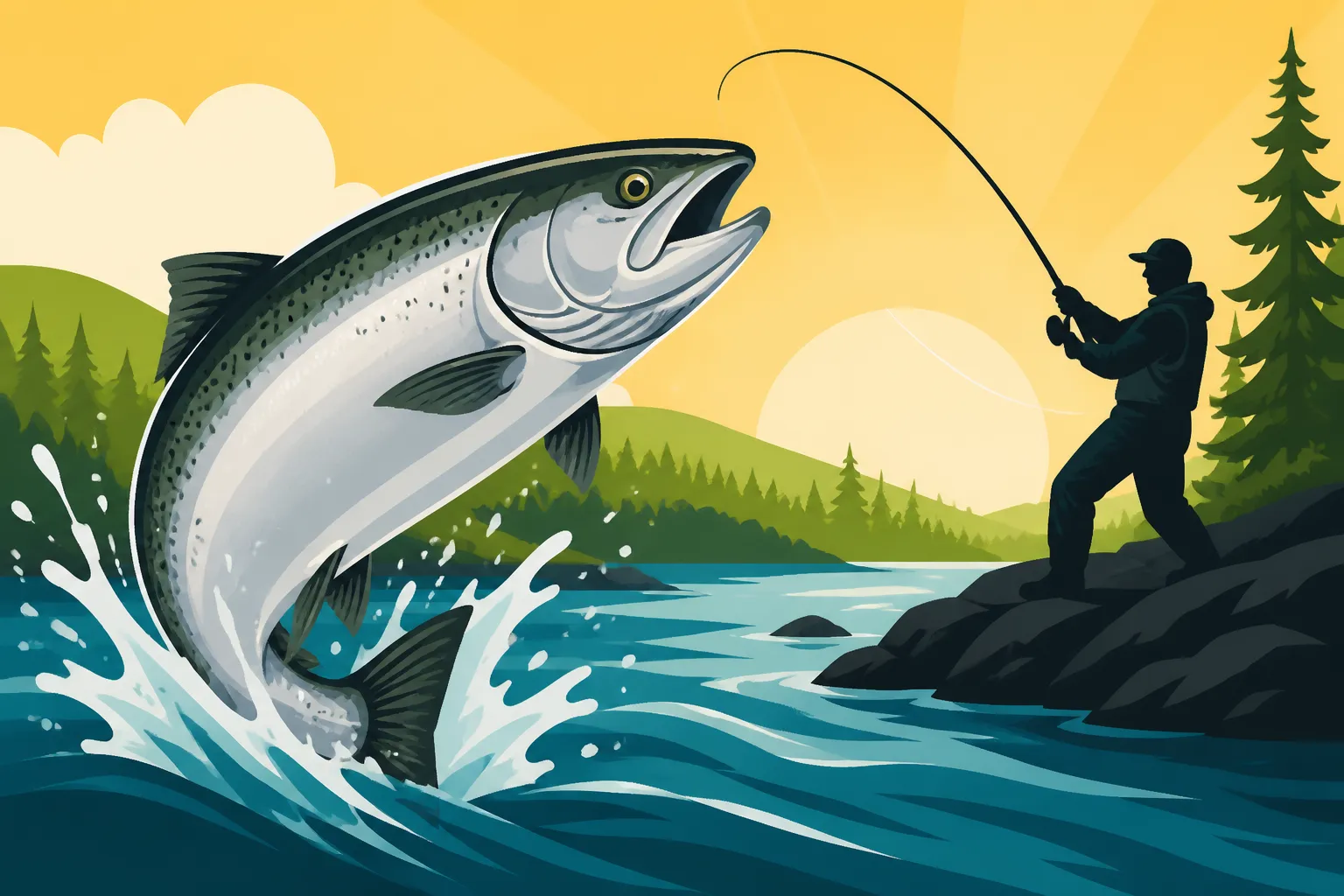
The first two to three weeks of September are generally considered prime time. Anglers will line the banks of popular tributaries, casting spoons, drifting roe bags, or float fishing with jigs. A good rainfall event during this period can supercharge the run, bringing in a massive wave of fresh fish overnight. Imagine waking up after a night of heavy rain, knowing that the river has just risen a foot or two, and that new fish are pouring in. The energy on the riverbanks is palpable – a mix of excitement, anticipation, and friendly competition. This is when you'll see large numbers of fish leaping rapids, navigating challenging currents, and making their way to the spawning grounds. Be sure to check Ontario Fishing Season Dates by Zone for general timelines, though salmon runs can have their own nuances within those periods. If you're looking for where to experience this spectacle, consider visiting some of the Best Fishing Rivers in Ontario known for their salmon populations.
October's Lingering Opportunities
While the peak numbers of Chinook salmon have usually passed by the end of September, don't write off October entirely. The run often lingers, especially in the early part of the month, offering continued opportunities for dedicated anglers. You might not encounter the same sheer volume of fish as in the peak of September, but there can still be good numbers, particularly later-arriving fish or those that are still making their way upstream after delays.
The fish you encounter in October might be darker in colour, showing more signs of their journey and their spawning readiness. They can still be quite aggressive, especially if you present a lure or bait near their spawning redds. Later rains in October can also draw in a fresh, albeit smaller, wave of fish that were holding in the lake. As the month progresses, the run will naturally wind down, with fewer and fewer new fish entering the rivers, and the surviving post-spawn fish becoming increasingly lethargic. However, October also brings some of the most beautiful fall scenery, making a day on the river enjoyable even if the bite isn't as furious as it was earlier in the season. Plus, you might start seeing early steelhead and brown trout entering the rivers, providing a different type of angling challenge.
Key Factors Influencing the Salmon Run
Timing is everything, but it's not just about the calendar date. Several environmental factors play a huge role in when and how intensely the Chinook salmon decide to push into Ontario's rivers. Understanding these triggers can help you predict the best days to hit the water.
Water Temperature: The Crucial Trigger
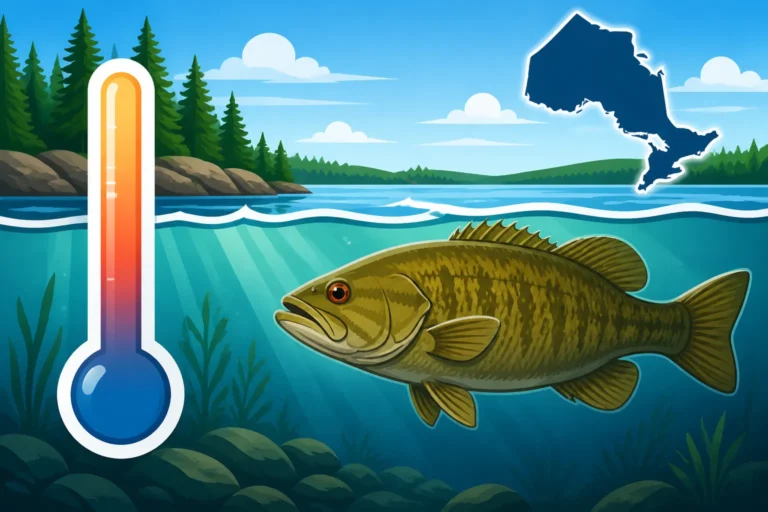
Temperature is perhaps the most critical environmental cue for migrating salmon. As the cooler air of late summer and early fall starts to chill the vast expanse of the Great Lakes, the water temperature in both the lake and the rivers begins to drop. Chinook salmon, accustomed to the deep, cool waters of the lake, will start to feel the urge to move when river temperatures fall below a certain threshold, typically around 60°F (15°C) and ideally settling into the low 50s Fahrenheit (around 10-12°C) for peak activity.
If you have a warm spell in September, the run can slow down considerably, with fish holding in the cooler lake waters or in deeper pools in the lower river sections. Conversely, a sudden cold snap in late August or early September can kickstart the run, bringing a surge of fish into the rivers almost overnight. Anglers often monitor stream temperature gauges available online, or simply rely on a good old-fashioned thermometer on the riverbank. Imagine standing on the bank, thermometer in hand, watching the reading drop below that magic 60-degree mark. You can almost feel the anticipation building amongst the fish, ready to make their move. Keeping an eye on these temperatures is key to timing your fishing trips effectively.
Rainfall and Water Levels: The Green Light
Rainfall plays a vital supporting role, often acting as a "green light" for salmon that are already physiologically ready to spawn. Rivers naturally fluctuate in water level, but a significant rainfall event can drastically change conditions overnight. When a good rain occurs, river levels rise, and the water flow increases. This provides several advantages for migrating salmon:
- Easier Passage: Higher water levels allow fish to navigate over shallow riffles, through log jams, and past other obstacles that might have been impassable during low water. It's like giving them a deeper, clearer highway to their spawning grounds.
- Reduced Predation: Increased turbidity (murkiness) from rain-swollen rivers can offer cover from aerial and terrestrial predators, making the upstream journey feel safer for the salmon.
- Freshwater Scent: The influx of fresh water can intensify the "scent" of the home river, helping guide the salmon to their specific spawning areas.
A period of prolonged dry weather, on the other hand, can delay the run significantly. Fish will stack up at river mouths, waiting impatiently for the water levels to rise. This can create incredible fishing opportunities at the river mouths, but it means fewer fish upstream. However, once that rain finally comes, the deluge of new fish can be staggering, leading to incredible days on the water. Therefore, paying attention to weather forecasts, particularly for significant precipitation events, is crucial for timing your salmon adventures.
Photoperiod: The Underlying Cue
While water temperature and rainfall are the immediate, tangible triggers that anglers often focus on, the underlying physiological cue for the entire spawning migration is the photoperiod – the length of daylight hours. As summer gives way to fall, the days progressively shorten. This decrease in daylight is detected by the salmon's biological clock, initiating hormonal changes within their bodies that drive the urge to spawn.
This means that even if water temperatures remain unusually warm or if there's a lack of rain, the fish will eventually feel that instinctual pull to begin their journey. The photoperiod acts as the overarching, non-negotiable schedule setter. It tells the fish, "It's autumn, time to prepare." The temperature and rainfall then act as the more immediate signals that tell them, "The conditions are right now." So, while you can't control the length of the day, understanding its role helps explain why the run consistently happens in the fall, regardless of year-to-year weather variations.
Best Places to Intercept Chinook Salmon in Ontario
Ontario boasts several renowned rivers that host incredible Chinook salmon runs. Knowing these hotspots can greatly increase your chances of success. It's important to remember that regulations can vary by zone and even by specific river, so always consult the Ontario Fishing Regulations Explained before you head out.
Lake Ontario Tributaries: The Hotbeds
The north shore of Lake Ontario is arguably the epicentre of Chinook salmon fishing in Ontario. Numerous rivers and creeks flow into the lake, many of which have robust stocking programs or support natural reproduction. Here are some of the most popular and productive:
- Ganaraska River (Port Hope): Often considered the most famous salmon river in Ontario, the "Ganny" attracts huge numbers of Chinook. It's known for its relatively accessible sections and distinct pools. During the peak run, it can be crowded, but the sheer volume of fish makes it worth the effort. Anglers often fish the lower town sections, but access extends further upstream.
- Credit River (Mississauga): Flowing through a more urbanized area, the Credit River still offers fantastic opportunities, especially in its lower sections and through various conservation areas. Its proximity to a major population centre makes it highly accessible.
- Humber River (Toronto): While heavily urbanized, sections of the Humber, particularly within parks and conservation areas, still see significant salmon runs, offering a surprising wilderness experience within the city.
- Bronte Creek (Oakville): A smaller system, Bronte Creek can have excellent runs, especially after a good rain. Its smaller size means fish are more concentrated.
- Wilmot Creek (Newcastle): Another popular smaller creek known for its strong runs, often fished by those looking for a slightly less crowded experience than the Ganaraska.
- Duffins Creek (Pickering): Similar to Wilmot, Duffins Creek is a smaller, often overlooked gem that can provide excellent action for those willing to explore.
These rivers, among others, provide varied terrain from slower, deeper pools to faster riffles and rapids. Each has its own character, but all offer the chance to connect with a powerful Chinook. For more specific details on where to drop a line, consider reviewing Lake Ontario Salmon Fishing for deeper insights.
Lake Huron and Georgian Bay Rivers
While Lake Ontario typically gets the most attention for Chinook, Lake Huron and its vast Georgian Bay also host significant, albeit sometimes less concentrated, salmon runs in their tributary rivers. These areas often offer a different fishing experience, perhaps with fewer crowds and more rugged, natural scenery.
- Saugeen River: This major river flowing into Lake Huron is renowned not just for its salmon but also for its steelhead and brown trout. Chinook salmon definitely make their presence known in the fall, offering excellent fishing in various sections, particularly closer to the lake.
- Nottawasaga River: Flowing into Georgian Bay, the Nottawasaga is another significant system that sees Chinook runs. Anglers often target the lower sections near Wasaga Beach and upstream through conservation areas.
These rivers might require a bit more exploration to find the prime spots, but the reward of a powerful Lake Huron or Georgian Bay Chinook is well worth the effort. The pristine environment of Georgian Bay in particular offers a unique backdrop to your salmon fishing adventure. Always remember to respect private property and fish only in designated public access areas. Using resources like the How to use the Fish ON-Line interactive zone map can help pinpoint legal access points and specific regulations for these rivers.
Access Points and Public Land
Finding a good spot on a salmon river often comes down to knowing where public access is permitted. Many rivers have sections that flow through municipal parks, conservation areas, or Crown land. These are usually clearly marked and provide legitimate access points for anglers.
- Conservation Areas: Many of the most popular salmon rivers flow through Conservation Authority lands. These areas often have designated parking, trails, and sometimes even specific angling regulations, so always check with the local Conservation Authority.
- Provincial Parks: Some provincial parks encompass river sections that see salmon runs. These can be excellent options, often providing amenities like washrooms and clear trail systems.
- Municipal Parks: Even in urban settings, municipal parks bordering rivers can offer surprising access to salmon fishing.
- Crown Land: In more remote areas, especially further north, rivers might flow through Crown land, where public access for fishing is generally permitted. However, it's crucial to know the boundaries and not trespass on private property.
It’s paramount to always respect the environment, pack out what you pack in, and be mindful of other anglers. Crowds can be a factor, especially on peak weekends on popular rivers like the Ganaraska, so patience and courtesy go a long way. Always ensure you have your Ontario Outdoors Card, Explained and a valid fishing license, whether it's a resident or Non-Resident Annual Fishing License Cost in Ontario, as conservation officers are frequently patrolling these popular areas.
Gear Up for the Run: Essential Equipment
Tackling a powerful Chinook salmon requires robust gear. These fish are strong, determined, and can quickly expose any weakness in your setup. Being prepared with the right rods, reels, line, and accessories is crucial for success.
Rods, Reels, and Line
When it comes to Chinook salmon, think strong. You're dealing with fish that can easily weigh over 20 pounds, and sometimes much more, in fast-moving current.
- Rods: A medium-heavy to heavy power spinning or baitcasting rod, typically 8 to 10.5 feet in length, is ideal. The longer length helps with casting distance, line control, and fighting fish in current. For float fishing, specialized noodle rods or centre pin rods are popular for their delicate presentation yet powerful backbone.
- Reels: A good quality spinning reel in the 3000-5000 size range, or a baitcasting reel with a robust drag system, is essential. Make sure the drag is smooth and can handle prolonged runs. Centerpin reels are also very popular, especially for drift fishing natural baits. You can find many reliable options for both spinning and baitcasting reels on online retailers like Amazon, offering a wide range of prices and features to suit your budget.
- Line: Spool up with 15-20 lb monofilament or 30-50 lb braided line. If using braid, a fluorocarbon leader of 15-25 lb test is almost always recommended. Fluorocarbon is less visible in clear water and more abrasion-resistant, which is vital when fishing around rocks and logs. The choice between mono and braid often comes down to personal preference, but many appreciate the sensitivity and strength of braid, paired with a subtle fluorocarbon leader.
Always check your knots, line for nicks, and ensure your drag is set properly before hitting the water. A faulty drag or a weak knot is a surefire way to lose a trophy fish.
Lures and Baits
Chinook salmon, especially those fresh from the lake, can be very aggressive and will strike a variety of presentations. As they move further upstream and get closer to spawning, they might become less interested in feeding and more territorial or reactionary.
- Roe Bags: These are often king on the salmon rivers. Small mesh bags filled with cured salmon or steelhead eggs are incredibly effective. You can buy them pre-tied or make your own. They mimic the natural food source and are irresistible to salmon.
- Spoons: Casting heavy spoons (like Koho, Little Cleo, or Croc spoons) in vibrant colours (chartreuse, orange, silver, blue/silver) can be very productive, especially for fresher, aggressive fish in larger pools or at river mouths.
- Spinners: Inline spinners with large, thumping blades can also provoke strikes from aggressive salmon. Consider sizes appropriate for salmon, with good weight for casting into current.
- Jigs: For float fishing, bright coloured jigs tipped with a maggot or a piece of plastic can be deadly. Pink, orange, and chartreuse are popular colours.
- Flies: Fly anglers will use large streamers, egg patterns, or estaz eggs to entice strikes.
It's wise to have a variety of options in your tackle box. What works one day might not work the next, and conditions can change rapidly. Remember, sometimes the flashiest lure isn't what they want; a subtle, natural presentation can often be more effective. Finding these specific lures and baits can sometimes be a challenge locally, but you'll often have a much wider selection and competitive pricing when searching on platforms like Amazon.
Waders and Safety
Fishing for Chinook salmon often means wading into cold, swift rivers, so proper attire and safety gear are paramount.
- Waders: Breathable chest waders are essential. They keep you dry and warm in the cold water. Make sure they fit well and aren't restrictive.
- Wading Boots: Paired with your waders, sturdy wading boots with good grip (either felt or rubber, depending on the riverbed) are crucial for navigating slippery rocks and uneven bottoms. Consider boots with stud inserts for extra traction. A good pair of Best Wading Boots for Rocky Streams can make a huge difference in your comfort and safety.
- Wading Staff: A collapsible wading staff is an absolute must, especially if you're venturing into unfamiliar or fast-flowing water. It provides stability and helps you probe the riverbed for drop-offs or obstacles. Learning to use a Wading staff for slippery riverbed rocks properly can prevent a nasty fall.
- Life Jacket/PFD: If you're wading in deeper, faster currents, or if you're on a boat, wearing a PFD is a smart safety measure.
- Landing Net: A large, durable landing net with a long handle is invaluable for safely landing these big fish, especially if you intend to practice catch and release. A net similar in size and strength to what you'd use for Best Landing Net for Muskie would be appropriate.
- Essentials: Don't forget polarized sunglasses to spot fish and protect your eyes, a good pair of fishing pliers for hook removal, and a multi-tool.
Always dress in layers, as fall mornings can be very cold, but afternoons can warm up. Be aware of your surroundings, understand the river currents, and never wade alone if possible. Safety should always be your top priority when venturing out onto the river.
Chinook Salmon Run Timing and Influences at a Glance
To quickly summarize the key information about Ontario's Chinook salmon run, here's a handy table:
| Factor | General Timing/Influence | Key Characteristics | Angler Considerations |
|---|---|---|---|
| Run Period | Late August to Mid-October | Spawning migration from Great Lakes to tributaries. | Best opportunities are typically found within this window. |
| Peak Run | September (especially first 2-3 weeks) | Highest numbers of fresh, aggressive fish entering rivers. | Expect crowds on popular rivers. Mornings and evenings often best. |
| Early Staging | Late August | Fish congregate near river mouths in the lake, sometimes making short pushes into lower river sections. | Good for lake anglers near river mouths. River fishing can be sporadic. |
| Late Run | Early to Mid-October | Fewer fresh fish, darker, more spawning-focused individuals. | Less crowded, but fish might be less active. Still good for dedicated anglers. |
| Water Temp | Drops below 60°F (15°C) is key trigger. Optimal 50-55°F | Cooler water stimulates migration. Warm spells can delay, cold snaps can accelerate. | Monitor water temperatures using gauges or a thermometer. |
| Rainfall/Flow | Significant rain increases flow and depth | Acts as a "green light" for fish, easing passage and providing cover. Low water delays runs. | Watch weather forecasts for rain. Fish often move in waves after heavy precipitation. |
| Photoperiod | Shortening daylight hours in fall | Primary biological trigger for spawning instinct, dictates the general season. | Constant, predictable. Explains why the run consistently happens in fall. |
| Ideal Conditions | Cool water, recent rain, shortening days | Combines all factors for strong, consistent fish movement and aggressive behaviour. | Plan trips around favorable weather patterns and seasonal cues. |
This table should give you a quick reference point as you plan your Ontario Chinook salmon adventures. Remember, every season is a little different, but these general guidelines hold true most years.
Disclaimer
This article is for general informational purposes only and does not constitute professional advice. Laws, prices and regulations vary by location and change over time. Consult a qualified professional for guidance on your specific situation.