American Eel in Ontario Rivers
There's a quiet crisis unfolding in our Ontario rivers, one that many anglers might not even be aware of: the dramatic decline of the mysterious American Eel. Once a common sight, an incredible creature undertaking an epic journey from the Sargasso Sea to our freshwater systems, their numbers have dwindled, leaving a significant void in our aquatic ecosystems and a lot of questions for those who remember their abundance. This comprehensive guide will take a deep dive into the fascinating world of the American Eel, exploring its unique life, its historical role in Ontario, the severe challenges it faces, and the critical efforts being made to help this incredible fish make a comeback in our waterways.
The Elusive American Eel: A Journey from Salt to Fresh
The American Eel ( Anguilla rostrata) is truly one of nature's marvels, a creature with a life cycle so intricate and vast that it almost defies belief. Unlike most fish that spend their lives in either fresh or saltwater, the American Eel is what we call catadromous, meaning it lives most of its adult life in fresh water but migrates to the ocean to spawn. This incredible journey is part of what makes their story so compelling, and their decline so concerning.
Unique Life Cycle and Astonishing Migrations
Imagine a creature that begins its life thousands of kilometres away in the vast, warm waters of the Sargasso Sea, a massive area of the Atlantic Ocean. This is where American Eels are born, as tiny, leaf-shaped larvae called leptocephali. These translucent little guys drift on ocean currents, slowly making their way north and west towards the North American coastline, a journey that can take up to a year. It’s an almost unfathomable trek for such a small organism.
As they near freshwater estuaries along the coast, they transform into "glass eels" – still transparent, but now eel-shaped. Then, another transformation occurs, turning them into "elvers" as they gain pigment. This is where the real adventure begins for those destined for Ontario. Driven by instinct, these elvers start their upstream migration, pushing into rivers, lakes, and even small streams, navigating rapids, climbing over obstacles, and generally showing an astounding tenacity to reach their freshwater feeding grounds. They can live in these freshwater systems for decades, growing into mature "yellow eels" before a final dramatic metamorphosis into "silver eels." These silver eels have larger eyes, a silvery belly, and are physiologically geared for their return migration back to the Sargasso Sea to spawn and complete their life cycle. It's an epic, single-spawn journey that truly captures the imagination.
Identifying the American Eel: What to Look For
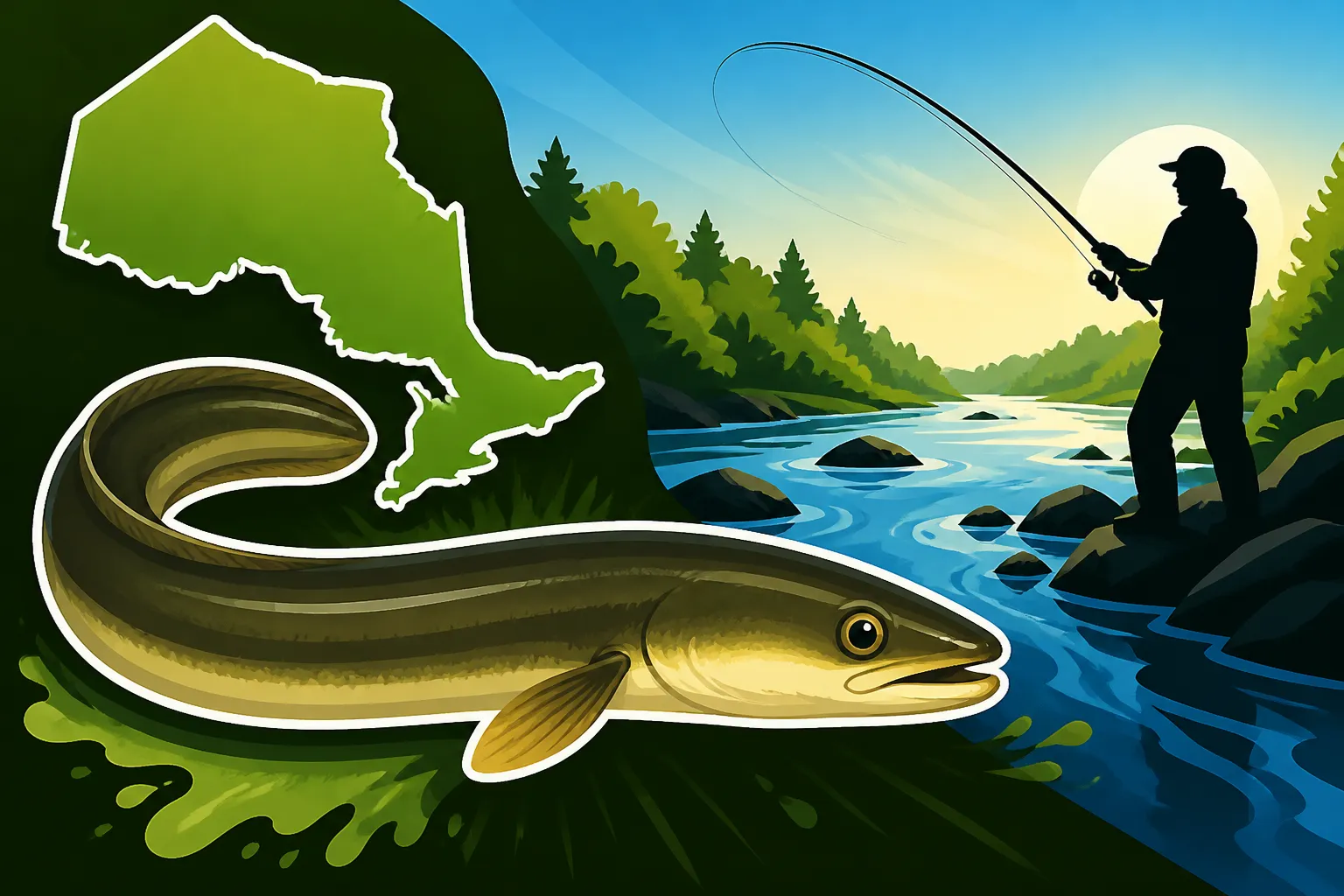
If you're lucky enough to encounter an American Eel in an Ontario river, you'll likely notice its distinctive serpentine, snake-like body. They're typically dark brown to olive-green on their back, fading to a yellowish or greyish-white belly – hence the "yellow eel" moniker during their freshwater phase. Their dorsal, caudal, and anal fins are continuous, forming a single fringe along most of their body, which is a key identification feature. They also have a small, pointed head with a slightly protruding lower jaw.
Unlike some other fish that might be confused with eels, such as lampreys (which have no paired fins and a jawless, sucking mouth), or even some elongated darters, the American Eel's smooth, scaleless (or very tiny, embedded scales) skin and specific fin structure are quite unique. They can grow to impressive sizes, with individuals reaching over a metre in length and several kilograms in weight, though most encountered in freshwater are smaller. Observing one is a rare and special event now, a testament to their incredible resilience and adaptability in a world that is rapidly changing around them.
Historical Presence and Cultural Significance in Ontario
For centuries, American Eels were not just a curious aquatic creature in Ontario; they were an integral part of the ecosystem, a food source, and held significant cultural importance for Indigenous peoples. Their abundance in rivers like the St. Lawrence and Ottawa, and their migratory pathways deep into Lake Ontario and its tributaries, meant they were a familiar and predictable presence for generations.
A Storied Past in Our Waterways
Historically, the St. Lawrence River was a superhighway for migrating American Eels, connecting the ocean to the vast Great Lakes basin. From there, they dispersed into countless rivers and streams throughout Southern and Eastern Ontario, even making their way into Lake Erie, Lake Huron, and beyond. Early accounts and archaeological records confirm their widespread presence and significant numbers. Anglers used to catch them regularly, and stories abound of eels being a common, if somewhat unusual, catch.
The sheer volume of eels making their way upstream was a sight to behold, especially at natural barriers or rapids where they would congregate, sometimes even wriggling over wet ground to bypass obstacles. This historical abundance painted a picture of healthy, connected waterways, allowing for free movement of migratory species. They were a barometer for the overall health of the entire St. Lawrence Great Lakes system, their annual return a natural rhythm of the changing seasons. The deep pools and rocky crevices of rivers like the Bay of Quinte were once prime habitat for these long-lived creatures.
Traditional Fishing and Indigenous Connection
For Indigenous communities, particularly the Haudenosaunee, the American Eel was more than just a food source; it was a cornerstone of their culture, diet, and spiritual beliefs. Eels were revered for their strength, perseverance, and incredible journey. Traditional knowledge systems held deep understanding of eel behaviour, migration patterns, and sustainable harvesting techniques. The annual eel harvest was a significant event, providing a rich, nutritious food source that could be smoked, dried, or preserved for colder months.
Eel fishing methods were often ingenious, involving weirs and traps that allowed for selective harvesting while ensuring future populations. Stories and ceremonies surrounding the eel reinforced its importance, teaching respect for the environment and the interconnectedness of all living things. The loss of the American Eel has, therefore, not just been an ecological tragedy, but a cultural one as well, severing a tangible link to ancestral traditions and a way of life that relied on a healthy, abundant environment. Endangered and Protected Fish Species in Ontario touches on the broader challenges facing many such species.
The Decline: Understanding the Challenges Facing Ontario's Eels
The American Eel's dramatic decline in Ontario and across its range is a complex issue, attributed to a combination of human-induced and environmental factors. Their catadromous life cycle, while awe-inspiring, also makes them particularly vulnerable to disturbances at various points along their extensive migratory route, from the ocean to the uppermost reaches of freshwater rivers.
Habitat Loss and Fragmentation: Dams and Barriers
Perhaps the most significant factor contributing to the American Eel's decline in Ontario is the proliferation of dams and other artificial barriers on rivers. Eels are driven by an innate urge to migrate upstream, but hydroelectric dams, locks, and weirs effectively block these pathways. While juvenile eels (elvers) are incredibly adept at navigating natural obstacles, they are simply no match for the sheer concrete walls of large dams. This has led to massive habitat fragmentation, cutting off vast stretches of historical eel habitat in Lake Ontario and its tributaries.
The problem isn't just getting upstream; it's also about getting back down. Mature silver eels migrating downstream to spawn face an even more perilous journey. When they pass through hydroelectric turbines, the results are often fatal. These turbines act as massive blenders, killing a significant percentage of eels attempting to return to the Sargasso Sea. Even fish ladders designed for other species like salmon often prove ineffective for eels, whose unique climbing and swimming methods require very specific designs that were rarely incorporated into older structures. You can explore how these waterways are managed through resources like Ontario Fisheries Management Zones, Explained.
Environmental Factors and Contaminants
Beyond physical barriers, environmental degradation has also played a crucial role. Pollution in the Great Lakes and St. Lawrence River, including persistent organic pollutants (POPs) like PCBs and pesticides, can accumulate in the fatty tissues of long-lived fish like eels. These contaminants can affect their health, reproductive success, and overall survival, making them less likely to complete their arduous spawning migration or produce viable offspring. The St. Lawrence River, a critical corridor for their migration, has historically faced significant industrial pollution.
Changing ocean conditions, including water temperatures and currents in the Sargasso Sea, may also impact the survival of their larval stages and their ability to successfully drift towards the North American continent. While harder to quantify, these global environmental shifts add another layer of complexity to the eel's struggle. The long lifespan of eels means they are exposed to these environmental stressors for extended periods, compounding the impact. If you're looking for educational resources on aquatic ecosystems or environmental impacts on fish, you might find a wealth of books and guides on Amazon that delve into these topics.
Overfishing (Historical) and Other Pressures
Historically, American Eels were fished commercially in various parts of their range, including the St. Lawrence River, and in some areas, these harvests were substantial. While commercial eel fishing has been drastically reduced or halted in many areas, including Ontario, due to their endangered status, historical overfishing certainly contributed to the initial decline. The long-lived nature of eels, and their single spawning event, means that overharvesting can have severe, long-lasting impacts on populations.
Other pressures include predation, though this is a natural part of the ecosystem, and perhaps changes in food availability, though eels are generally opportunistic feeders. The combination of all these factors – habitat loss, pollution, and historical fishing pressures – has created a perfect storm for the American Eel, pushing them to the brink in Ontario waters. Understanding the full scope of these challenges is the first step in effective conservation, as highlighted in Ontario Fishing Regulations Explained.
Conservation Efforts and the Road to Recovery
Recognizing the severe plight of the American Eel, significant conservation efforts have been initiated in Ontario and across their range. The goal is not just to halt their decline but to facilitate their recovery, restoring their numbers and ensuring their incredible journey can continue for future generations.
Protected Status and Management Strategies
In Ontario, the American Eel is listed as an endangered species under the province's Endangered Species Act. This designation provides legal protection, prohibiting harm to the eels or their habitat. This means that specific fishing for eels is prohibited, and any incidental catch must be immediately released unharmed. This kind of protection is crucial, offering a vital lifeline to remaining populations.
Beyond legal protection, management strategies focus on a multi-pronged approach. One key area is mitigating the impact of dams. This includes installing eel ladders or ramps at some hydroelectric facilities, allowing juvenile eels to bypass barriers and access upstream habitat. These "eel passages" are essentially specialized ramps designed to help eels wriggle their way over vertical obstacles. For downstream migrants, "eel screens" or modified turbine operations during peak migration periods are being explored to reduce mortality. Programs also exist to trap and transport eels around major dams, giving them a boost on their journey. Initiatives like these are vital to connecting fragmented habitats, a topic relevant to Where American eel travel in Ontario rivers.
Community Involvement and Awareness
Conservation isn't just about regulations and infrastructure; it also relies heavily on public awareness and involvement. Educating anglers, boaters, and riverside communities about the importance of the American Eel and its endangered status is paramount. Organizations and government bodies work to raise awareness through educational materials, workshops, and citizen science initiatives. For example, some programs might encourage reporting eel sightings (without disturbing them, of course) to help biologists track their movements and distribution.
Volunteers may participate in habitat restoration projects, such as planting native vegetation along river banks to improve water quality and provide cover. The general angling community plays a critical role too. Understanding that eels are a protected species and knowing how to properly handle and release them if caught accidentally (always wet hands, minimize air exposure, release quickly) contributes directly to their survival. Sharing this knowledge with fellow outdoor enthusiasts helps foster a culture of conservation. Many resources, including specialized field guides you might find on Amazon, can help identify species and understand best practices for catch and release.
Where American Eels Are Still Found in Ontario
While their numbers are severely depleted, American Eels are still present in certain parts of Ontario, offering glimmers of hope and providing critical areas for conservation focus. Understanding these remaining strongholds is essential for directing recovery efforts and monitoring their slow, challenging comeback.
Key Rivers and Lake Systems
The primary stronghold and most critical migration corridor for American Eels in Ontario is the St. Lawrence River, which connects Lake Ontario to the Atlantic Ocean. While passage through the river is heavily impacted by dams, particularly the Moses-Saunders Dam near Cornwall, some eels still manage to make their way into Lake Ontario. From there, they historically dispersed into many of the lake's tributaries. Rivers like the Ottawa River, which flows into the St. Lawrence, also continue to see some eel presence.
However, their numbers diminish significantly the further west and north you go into the Great Lakes basin. While eels were once found in Lake Erie, Lake Huron, and even Lake Superior, their presence in these upper Great Lakes is now exceedingly rare, if not entirely absent, due to the cumulative effects of dams blocking their path. Therefore, conservation efforts tend to concentrate on the lower St. Lawrence River and Lake Ontario basin, where there is still some chance of bolstering existing populations and re-establishing connections. Information on specific lake systems often provides context on the broader aquatic environment.
What Their Presence Tells Us About Water Health
The presence, or indeed absence, of American Eels in a particular river system can tell us a great deal about the overall health of that waterway. As a long-lived, migratory species, eels are particularly sensitive to environmental changes. A healthy eel population indicates several positive things:
- Connected Waterways: It suggests that the river system is relatively free of insurmountable barriers, allowing for upstream and downstream migration.
- Good Water Quality: Eels need clean water and healthy ecosystems to thrive, so their presence points to lower levels of pollution.
- Abundant Food Sources: As opportunistic predators, a healthy eel population implies a diverse and robust food web, from insects to smaller fish.
Conversely, their absence in historical habitats is a red flag, indicating significant ecological disruption. It highlights issues such as habitat fragmentation, pollution, or changes in food availability. By monitoring eel populations, scientists can gain valuable insights into the broader health of our aquatic environments and identify areas where conservation efforts need to be intensified. Restoring eel populations isn't just about saving one species; it's about restoring the ecological integrity of entire river systems, which benefits countless other species and the health of our waters overall. For those interested in tracking fish populations and their health, you might find monitoring equipment and guides for data collection on Amazon.
| Eel Life Stage | Primary Location | Key Characteristics |
|---|---|---|
| Leptocephali | Sargasso Sea | Tiny, transparent, leaf-shaped larvae, ocean drifters. |
| Glass Eel | Coastal Estuaries | Transparent, eel-shaped, nearing freshwater. |
| Elver | Freshwater River Mouths | Pigmented, small eels, beginning upstream migration. |
| Yellow Eel | Freshwater Rivers/Lakes | Adult feeding stage, dark back, yellowish belly, grows for years. |
| Silver Eel | Freshwater & Ocean Return | Mature, silvery, enlarged eyes, reproductively ready for spawning. |
The Future of American Eels in Ontario
The path to recovery for the American Eel in Ontario is undoubtedly long and challenging, requiring sustained effort and cooperation across various levels of government, Indigenous communities, conservation organizations, and the general public. There's no single magic bullet; instead, a combination of continued habitat restoration, barrier mitigation, and ongoing monitoring will be necessary. Every small success, from a single eel making it past a dam to a community group clearing a polluted stretch of river, contributes to the larger goal.
One day, we hope to see these incredible creatures once again thriving in our rivers, their ancient migrations a vibrant part of Ontario's natural heritage. Their return would be a powerful testament to our collective commitment to conservation and a healthier future for all our aquatic species. If you're interested in similar conservation efforts or the rules surrounding protected species, checking out Ontario Sturgeon Catch and Release Rules might provide some interesting parallels.
Disclaimer
This article is for general informational purposes only and does not constitute professional advice. Laws, prices and regulations vary by location and change over time. Consult a qualified professional for guidance on your specific situation.