Ontario record yellow perch weight
There's a special kind of thrill that comes with fishing in Ontario, a feeling of endless possibility on our vast lakes and rivers. But amongst all the prized species, there's one humble fish that many anglers dream of catching in truly gargantuan size: the yellow perch. While they might seem small, landing a genuinely massive yellow perch is an achievement that can send ripples through the angling community, making us all wonder what it takes to catch a true provincial record. This guide will dive deep into the world of record-setting yellow perch in Ontario, exploring the current benchmark, what makes these fish grow so large, and how records are officially recognized.
The Esteemed Ontario Record Yellow Perch: A Feat of Angling History
For many anglers, yellow perch are a staple. They're fun to catch, readily available, and incredibly tasty. But every once in a while, someone reels in a perch that simply dwarfs the rest, a true monster of the deep. That's the story behind Ontario's record yellow perch, a fish that represents the pinnacle of perch fishing in our province. It's not just about the size; it's about the decades of growth, the perfect conditions, and the lucky angler who happened to be in the right place at the right time.
What is the Current Provincial Record?
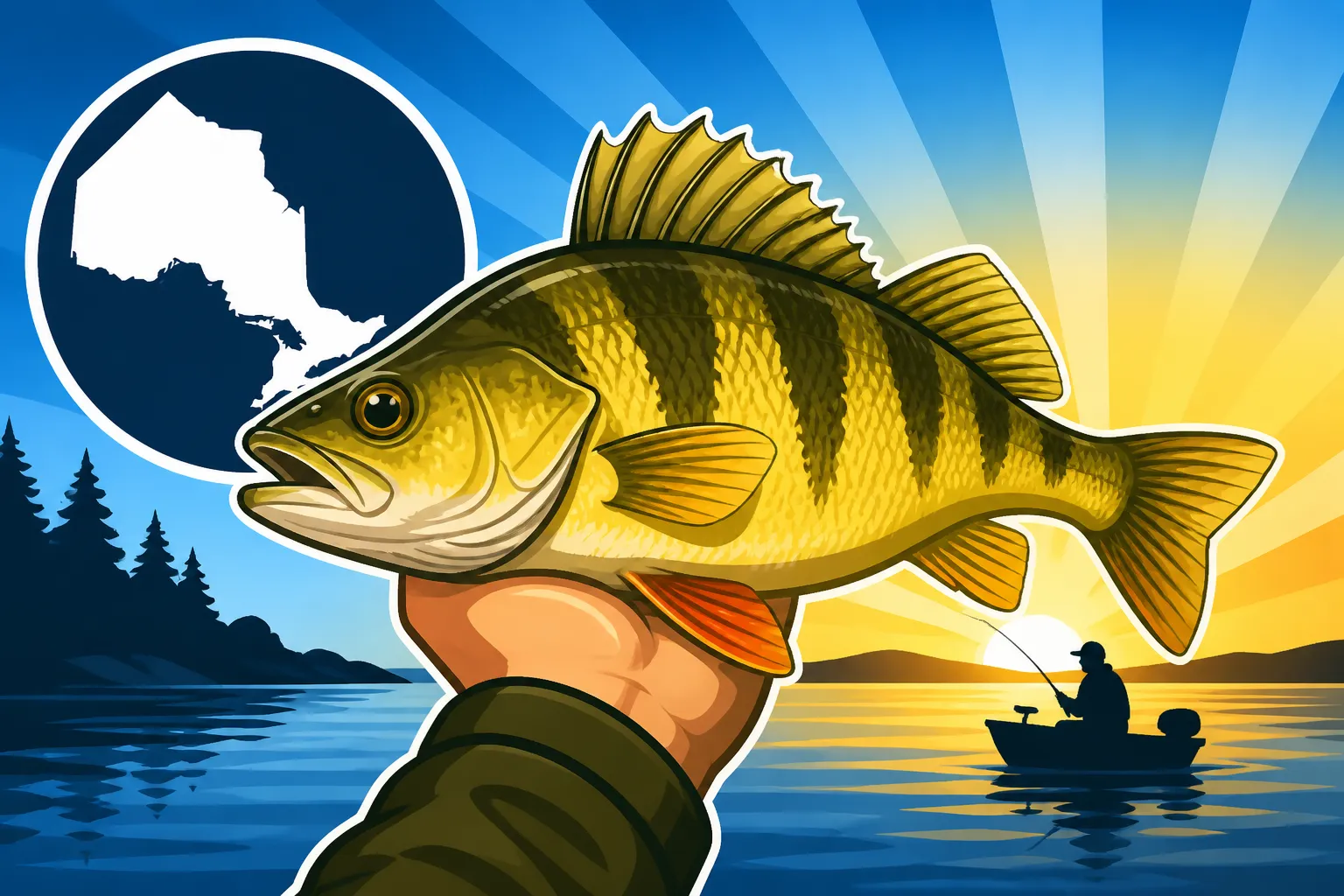
The current Ontario provincial record for yellow perch is a truly impressive specimen, weighing in at 2.45 pounds. This phenomenal fish was caught in Lake Simcoe, a body of water renowned for its exceptional perch fishery, back in 1989. For over thirty years, this particular perch has held its ground as the largest ever officially recorded in the province. Imagine reeling in a perch that big – it would feel like pulling up a brick! It’s a testament to the incredible potential of perch in certain Ontario waters, particularly those with abundant food sources and suitable habitat.
Why Does a Record Perch Matter So Much?
While a record walleye or muskie often grabs headlines due to their sheer fighting power or elusive nature, the record yellow perch holds a unique place in the hearts of many anglers. It signifies a true achievement in patience and skill, often by anglers using lighter tackle and targeting what many consider a "panfish." This record highlights the health and productivity of our fisheries and inspires countless others to hit the ice or open water, hoping to hook into their own personal best. It’s a challenge that resonates with weekend warriors and seasoned pros alike, demonstrating that even common species can hold extraordinary surprises. Moreover, these records provide valuable data for fisheries biologists, helping them understand growth rates and the potential of specific water bodies. If you're keen on knowing about other monumental catches, you can often find fascinating details in Ontario Provincial Fish Records by Species.
Unraveling the Secrets: What Makes a Perch Grow to Record Size?
Catching a 2.45-pound yellow perch isn't just luck; it's the culmination of years of optimal conditions that allow a fish to grow far beyond the average. These giant perch are true survivors, thriving in environments that offer a perfect blend of food, habitat, and protection. Understanding these factors can not only help us appreciate the record even more but also guide us in our own pursuits for larger perch.
Ideal Habitat and Food Abundance
Trophy perch, like all big fish, need a consistent and abundant food supply to reach such incredible sizes. They thrive in lakes and rivers that host a rich variety of smaller baitfish, invertebrates like crustaceans and insect larvae, and even the eggs of other fish. Waters like Lake Simcoe, known for its excellent yellow perch fishery, provide exactly these conditions. Deeper sections with varied bottom structure—like rock piles, weed edges, and sudden depth changes—offer both hunting grounds and refuge from predators. These areas create a buffet for growing perch, allowing them to expend less energy finding food and more on packing on the pounds. For anyone interested in targeting perch specifically, delving into topics like Yellow Perch Fishing in Ontario can offer deeper insights into their preferred environments.
Age and Growth Rates
A record-setting yellow perch isn't a young fish; it's an old, wise veteran of its aquatic domain. Yellow perch can live for over 10 years in ideal conditions, and it’s during these extended lifespans that they have the opportunity to add significant weight and length. Their growth rate isn't always linear; it's heavily influenced by water temperature, food availability, and population density. In waters with less competition and a steady diet, perch can grow faster and larger. Genetic factors also play a role, with some individual fish simply having the natural predisposition to grow bigger than their peers. The cold, oxygen-rich waters of many Ontario lakes, combined with long periods of ice cover that can concentrate food sources, contribute to the conditions necessary for these long-lived, massive perch.
Environmental Conditions and Management Practices
Beyond natural factors, human management and environmental health play a critical role. Good water quality, free from excessive pollution, ensures a healthy ecosystem for perch and their food sources. Thoughtful fisheries management, including appropriate Ontario Bag and Possession Limits by Species and enforcement of regulations, helps maintain healthy perch populations, preventing overfishing of larger specimens. In some cases, specific stocking programs or habitat rehabilitation efforts can further bolster the potential for trophy fish. For instance, specific zones mentioned in Ontario Fisheries Management Zones, Explained might have regulations tailored to promote larger fish. The longevity of the Lake Simcoe record also speaks to the consistent health and productivity of that particular fishery over many decades.
The Official Process: How Ontario Fishing Records Are Verified
Catching a truly massive fish is one thing, but getting it officially recognized as a provincial record is another entirely. Ontario has a clear, rigorous process for verifying potential record catches, ensuring that every claim is thoroughly investigated and validated. This isn't just about bragging rights; it's about maintaining the integrity of the provincial record book and providing accurate data for future generations of anglers.
The Steps to Submitting a Potential Record Fish
If you're lucky enough to land a fish that you believe could be a new provincial record, there are specific steps you need to follow. First and foremost, the fish must be caught legally, following all current Ontario Fishing Regulations Explained. This means having the correct license, respecting season dates and catch limits, and using legal methods.
Here's a general outline of the process:
- Immediate Verification: The most crucial step is to have the fish weighed on a certified scale as soon as possible. This means a scale that has been inspected and approved for commercial use, like those found at a local butcher shop, grocery store, or even a reputable fishing tackle shop. Digital scales are often preferred for accuracy, but they must be certified.
- Measurements: Accurate length and girth measurements are also required. Take photos of these measurements clearly showing the numbers.
- Photographic Evidence: Document your catch extensively with clear photographs. Include shots of the entire fish, close-ups of any distinguishing marks, and photos of the fish on the certified scale with the weight visible. It's also a good idea to have a photo of the angler with the fish for context.
- Witnesses: Having independent witnesses (who are not immediate family members) present during the weighing and measuring process can greatly strengthen your claim. Get their full names and contact information.
- Species Identification: If there's any doubt about the species (for example, distinguishing between a yellow perch and a white perch), it's essential to have a qualified expert confirm the identification. This can sometimes involve sending in a small tissue sample.
- Submission: The Ontario Ministry of Natural Resources and Forestry (MNRF) is the body responsible for maintaining official fishing records. You'll need to contact them or visit their website to obtain the official record application form and submit all your evidence. Be prepared to provide detailed information about when, where, and how the fish was caught.
- Review and Approval: The MNRF will review all submitted documentation. This process can take some time as they meticulously verify every detail. If all criteria are met and the claim is substantiated, your fish will be officially recognized as a new provincial record.
This rigorous process ensures that only legitimate, well-documented catches make it into the official record books, maintaining the integrity and prestige of these remarkable achievements.
Catch-and-Release Considerations for Record Fish
While the official record process typically requires the harvest of the fish for precise weighing, the angling community has seen a growing emphasis on catch and release, especially for large, mature fish that are important for breeding. Some organizations and species (often those that are harder to verify or where populations are sensitive) have "length-based" or "catch-and-release" records. However, for a weight-based provincial record like the yellow perch, it generally necessitates the fish being kept. This creates a bit of a dilemma for conservation-minded anglers. It's a personal choice, of course, but it highlights the balance between celebrating individual angling achievements and promoting sustainable fishing practices. For those dedicated to conservation, learning about proper handling and release techniques for any trophy fish is always crucial.
Strategies for Landing Your Own Giant Perch in Ontario
While breaking the provincial record is an incredibly rare feat, many anglers dream of catching their own "jumbo" perch—a fish well over a pound, maybe even pushing two. Ontario offers fantastic opportunities for this, particularly in specific lakes. It takes a combination of knowing where to go, what techniques to use, and having the right gear.
Hotspots for Big Perch
When it comes to consistently producing larger-than-average yellow perch, a few Ontario lakes stand out. As we've already noted, Lake Simcoe is legendary. Its vast size, abundant food, and varied structure create an ideal environment for perch to grow large. Lake Simcoe Jumbo Perch Fishing is almost a sub-culture in itself! Another prime location is Lake Erie, especially its shallow western basin and the expansive Long Point Bay, famous for its "jumbo perch" populations. You can explore topics like Lake Erie Yellow Perch Fishing for more on these opportunities. Other lakes in the Kawarthas, like Rice Lake, and many of the larger, deeper lakes in Northern Ontario can also hold surprisingly large perch populations, though they might be less publicized. Always check local reports and talk to bait shop owners; they often have the most up-to-date information on where the big ones are biting.
Effective Techniques and Baits
Big perch are often found deeper than smaller ones, especially during summer and winter. Vertical jigging is a highly effective technique, whether you're fishing from a boat or through the ice. Small jigging spoons, lead-head jigs tipped with minnows or plastic grubs, and even small blade baits can be incredibly productive. For ice fishing, many swear by small tungsten jigs tipped with a maggot or wax worm, jigged aggressively just off the bottom. Jigging for Perch Through the Ice offers more detailed advice. In open water, a slip bobber rig with a live minnow or a small piece of worm can also entice larger perch. Look for schools of baitfish on your fish finder, and perch won't be far behind. Often, the best time to fish for perch in winter can yield some real giants.
Essential Gear for Jumbo Perch
Targeting jumbo perch, especially through the ice, often involves specialized gear. While you don't need heavy tackle, a sensitive rod is key to feeling those subtle bites. A light or ultralight spinning rod paired with a small reel spooled with light monofilament or fluorocarbon line (4-6 lb test) is ideal. For ice fishing, an ultralight ice rod with a quick tip is perfect. A good quality fish finder is almost indispensable for locating schools of perch and identifying changes in bottom structure. When it comes to lures and baits, a diverse tackle box with a range of small jigs, spoons, and soft plastics can make a huge difference. You can find many excellent options for these types of lures and tackle on Amazon, making it easy to build a versatile perch fishing kit. Don't forget a reliable landing net with fine mesh to protect these bigger fish, especially if you plan to release them after a quick photo. For a comprehensive list of what to pack, checking out a guide like Best Tackle for Panfish would be beneficial. Using a quality line like Seaguar fluorocarbon leader can give you an edge in clearer waters.
The pursuit of the Ontario record yellow perch, or even just your own personal best, is a rewarding journey. It connects us to the history of angling in the province and the incredible potential of our natural resources. With the right knowledge, persistent effort, and a little bit of luck, that next cast could just bring up the fish of a lifetime. Many anglers like to share their catches on social media, so remember to take good photos, perhaps with a measuring board, to commemorate your own jumbo perch. And if you’re in the market for new gear or need to stock up on tackle for your next outing, browsing the extensive selection on Amazon can help you prepare for that record-breaking catch.
Disclaimer
This article is for general informational purposes only and does not constitute professional advice. Laws, prices and regulations vary by location and change over time. Consult a qualified professional for guidance on your specific situation.