The largest lake trout ever caught in Ontario
There's a special kind of thrill that comes with chasing trophy fish, especially when you're dreaming of a truly legendary catch. For many anglers who cast their lines in Ontario's vast, pristine waters, the ultimate dream is hooking into a monstrous lake trout, a fish that embodies the wild spirit of our northern lakes. It's easy to wonder, amidst all the stories and whispers of giants, just how big these magnificent fish can actually get, and who holds the incredible title for the largest lake trout ever caught in this province. This guide is dedicated to answering that burning question, diving into the story behind the record, what it takes to pursue such a magnificent creature, and how we can all contribute to keeping these incredible fisheries thriving for generations to come.
The Legend of Ontario's Record Lake Trout
The sheer thought of a truly colossal lake trout is enough to get any angler's heart pounding. These fish are powerful, ancient inhabitants of our deep, cold lakes, and the provincial record stands as a testament to their awe-inspiring size. It's not just a number; it's a moment frozen in time, a story passed down through generations of fishing enthusiasts, and a benchmark for all who dream of landing their own giant.
The Angler and the Moment: Hubie Hammell's Monumental Catch
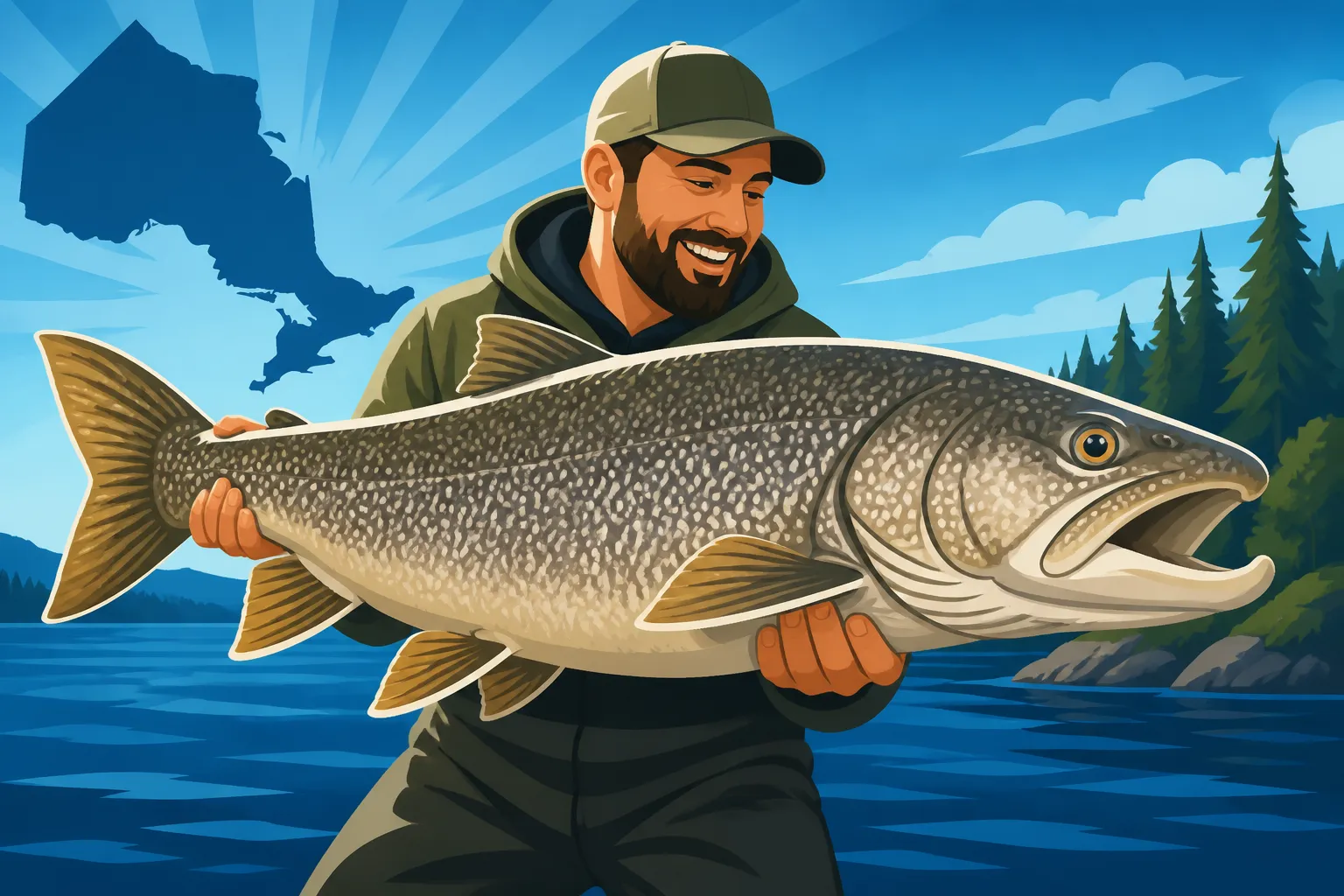
The official Ontario record for the largest lake trout ever caught belongs to Hubert "Hubie" Hammell, a name etched into the province's fishing history. His incredible catch weighed in at a staggering 63.1 pounds (28.6 kg). This monumental fish wasn't just big; it was a true beast, pulled from the frigid depths of Lake Superior in 1952. Imagine the fight, the sheer brute force on the other end of the line, and the incredible moment of seeing such a magnificent creature surface.
Hubie's catch wasn't just a matter of luck; it speaks to the potential of Lake Superior, a vast inland sea known for its deep, cold waters that are perfect habitat for growing enormous lake trout. While specific details of the tackle he used might be lost to time for many, we can only imagine it was robust, built to handle the kind of power a fish of that size would possess. This catch wasn't just a personal triumph; it highlighted the incredible fishery that existed, and in many ways, still exists, in the remote corners of Ontario. For those interested in the details, historical fishing publications or specialized Lake Trout Fishing in Ontario guides might offer more insight into the specific conditions and methods of the era.
Where the Giants Roam: Prime Lake Trout Habitats
Lake Superior, where Hubie's record fish was caught, is the quintessential lake trout territory. It's incredibly deep, exceptionally cold, and boasts an immense forage base, all factors that contribute to lake trout growing to truly colossal sizes. These fish are built for the deep, preferring water temperatures that rarely exceed 10-12 degrees Celsius (50-54°F), even in the warmest summer months.
Beyond Lake Superior, other vast, deep, and oligotrophic (nutrient-poor, clear water) lakes across Northern Ontario also hold the potential for truly massive lake trout. Think of immense bodies of water like Lake Nipigon, Lake Huron (especially Georgian Bay), or even some of the deeper, colder sections of Lake of the Woods. These lakes offer the expansive territories and consistent food sources that allow lake trout to live long lives and pack on serious weight. They thrive on a diet of ciscoes (lake herring), smelt, and other baitfish, which are abundant in these ecosystems. Understanding these deep-water havens is key if you're serious about your chances of catching a personal best, or perhaps even dreaming of challenging the provincial record. Exploring these areas often requires specialized knowledge, sometimes best gained from local guides or detailed resources like a Lake Nipigon Fishing Guide.
Chasing the Dream: What it Takes to Catch a Trophy Lake Trout
While setting a new provincial record is a rare feat, the dream of catching a truly trophy-sized lake trout is alive and well for countless anglers. It's a pursuit that demands patience, knowledge, and the right equipment. These aren't fish you stumble upon in shallow waters; they're often found in the deep, requiring specific tactics and a good understanding of their habits.
Gear Up for the Big Ones: Essential Tackle
When you're targeting lake trout that could potentially rival Hubie's record, you can't skimp on your gear. These fish are powerful, with incredible stamina, especially in the cold water they inhabit.
- Rods and Reels: You'll want heavy-duty trolling rods, typically 7 to 9 feet in length, with a medium-heavy to heavy power rating. Paired with a robust level-wind or conventional reel, spooled with strong braided line (50-80 pound test) and a heavy fluorocarbon leader (20-40 pound test), you'll have the backbone needed to handle a determined laker. Many anglers source reliable gear from online retailers like Amazon, where a wide selection of robust trolling rods and reels can be found, often with customer reviews that help inform decisions.
- Lures and Baits: Large spoons are perennial favourites, mimicking the baitfish lake trout feed on. Think of colours like silver, white, blue, and chartreuse. Plugs and stickbaits, particularly those designed for deep diving, are also highly effective. For those who prefer a more natural approach, a substantial live bait rig (where permitted) with large minnows or suckers can be incredibly enticing. The specific presentation, often involving downriggers or heavy weights to get lures to depth, is crucial. You might find more specific recommendations for effective presentations in a guide like Trolling Techniques for Ontario Lake Trout.
- Electronics: A good fish finder is arguably one of your most important tools. It allows you to identify deep-water structure, thermoclines (the boundary between warmer surface water and colder deep water), and crucially, schools of baitfish and the lake trout that prey on them. Side-imaging and down-imaging technologies can be particularly beneficial for mapping out ledges, humps, and drop-offs where lakers ambush their prey.
| Gear Category | Recommended Item | Key Features for Trophy Lake Trout |
|---|---|---|
| Rod | Heavy-duty trolling rod (7-9 ft) | Medium-heavy to heavy power, strong backbone |
| Reel | Level-wind or conventional reel | High line capacity, durable drag system |
| Main Line | Braided line (50-80 lb test) | Low stretch for sensitivity, high strength |
| Leader | Fluorocarbon (20-40 lb test) | Abrasion resistance, near invisibility in clear water |
| Lures | Large spoons, deep-diving crankbaits, swimbaits | Mimic natural baitfish, reach deep water |
| Electronics | Advanced Fish Finder (side/down imaging) | Structure identification, depth contouring, baitfish schools |
| Accessories | Downriggers, heavy weights (for depth control) | Crucial for presenting lures at desired depths |
Understanding Lake Trout Behavior and Seasonal Movements
Lake trout are creatures of habit, heavily influenced by water temperature and the availability of their preferred forage. Understanding their seasonal movements is paramount to success.
- Spring (Ice-out to Early Summer): After the ice melts, lake trout can often be found in shallower waters, especially near rocky points, shoals, and islands. The entire water column is still cold, so they're less restricted by depth. This can be an excellent time for casting or flat-line trolling closer to shore. They're often very active as they recover from winter.
- Summer: As surface waters warm, lake trout retreat to the cooler, deeper parts of the lake. They'll hug the thermocline (if present) or seek out the deepest basins, often associating with underwater structures like submerged islands, humps, and steep drop-offs. This is when deep-water trolling with downriggers or heavy weights becomes essential. A reliable Best Fish Finders for Ontario Lakes can truly make or break your summer efforts.
- Fall: As water temperatures begin to cool, lake trout may once again move shallower, often following baitfish that are also moving. This can be another fantastic time for casting and shallower trolling, particularly leading up to their spawning period. Many anglers consider this one of the best times of year to target big lakers.
- Winter (Ice Fishing): Lake trout remain active under the ice, often patrolling deep basins and relating to structure. Ice fishing for lake trout is a popular and productive method in many northern lakes. Jigging with heavy spoons or deadsticking with bait can be highly effective. Understanding their preferred depths and movements under the ice can be found in a dedicated Ice Fishing in Ontario guide.
Knowing the specific Ontario Fishing Season Dates by Zone is also crucial, as lake trout seasons can vary significantly across the province's different Fisheries Management Zones.
Beyond the Record: Respecting Ontario's Lake Trout Fishery
While the allure of catching the largest lake trout is undeniable, it's just as important, if not more so, to approach this pursuit with a deep respect for the fish and the fragile ecosystems they inhabit. These long-lived creatures are valuable resources, and their continued health depends on responsible angling practices.
Conservation vs. The Trophy Hunt: A Delicate Balance
The pursuit of a trophy lake trout, especially one that approaches record size, often means targeting very old, very large fish. These older, larger fish are crucial to the genetic diversity and reproductive success of a healthy lake trout population. They’ve survived numerous challenges, grown to maturity, and often contribute significantly to future generations.
This is where the balance between the thrill of the hunt and conservation becomes vital. Many anglers, even those seeking giants, practice catch-and-release for these magnificent creatures. If you do intend to release a trophy lake trout, handling it with extreme care is paramount. Keep the fish in the water as much as possible, use a large, knotless rubber net to minimize scale and slime damage, and revive it thoroughly before letting it go. A quick photo is great, but the fish's health comes first. Learning and practicing proper Muskie Catch and Release Survival Tips can also apply to other large, sensitive species like lake trout.
Navigating Regulations for Giants: Knowing the Rules
Ontario has a comprehensive set of fishing regulations designed to protect and sustain its diverse fish populations, including lake trout. These regulations are not just suggestions; they are legally binding rules that every angler must follow.
- Fishing Zones: Ontario is divided into 20 Fisheries Management Zones (FMZs), each with its own specific regulations for different species, including lake trout. What's legal in one zone might be prohibited in another. Always consult the current Ontario Fishing Regulations Summary for the specific zone you plan to fish. You can learn more about these zones in Ontario Fisheries Management Zones, Explained.
- Season Dates: Lake trout seasons vary by zone and are often closed during their spawning periods in the fall to protect breeding fish. Fishing out of season can lead to significant penalties.
- Bag and Possession Limits: These dictate how many fish of a particular species you can keep (bag limit) and how many you can have in your possession, including at your home or camp (possession limit). For lake trout, these limits are often quite restrictive for trophy-sized fish or in sensitive areas. Always verify the current Ontario Lake Trout Limit and Possession Rules for your chosen fishing location.
- Size Restrictions: Some zones or specific lakes may have slot limits or minimum/maximum size restrictions for lake trout. This is often implemented to protect larger, spawning-aged fish.
- License Requirements: Of course, you absolutely need a valid Ontario fishing license and an Outdoors Card to legally fish in the province. These are fundamental requirements. If you're new to fishing in Ontario, or need a refresher on the basics, Ontario Fishing License Guide for 2026 is a great place to start.
It’s your responsibility as an angler to know and follow all applicable regulations. Ignorance of the law is not an excuse, and penalties for violations can be steep. By adhering to these rules and practicing ethical angling, we ensure that the legendary lake trout of Ontario continue to thrive, offering future generations the same awe-inspiring opportunities that Hubie Hammell experienced all those years ago.
Disclaimer
This article is for general informational purposes only and does not constitute professional advice. Laws, prices and regulations vary by location and change over time. Consult a qualified professional for guidance on your specific situation.