Are There Blue Catfish in Ontario?
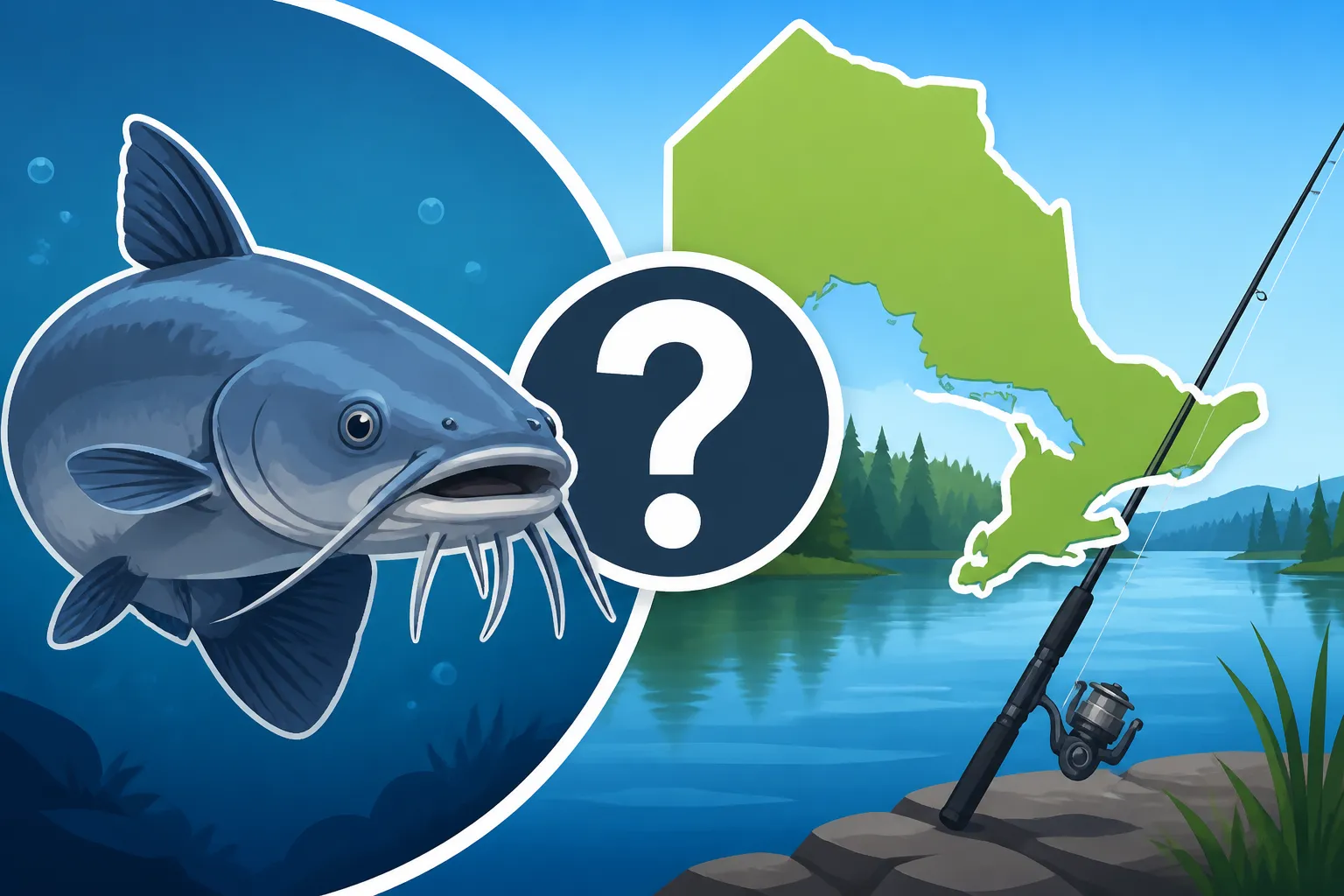
It’s a question that pops up in conversations among Ontario anglers more often than you might think: are there blue catfish in our waters? It’s a completely fair query, especially when you’re out on a big river or lake and you pull in a hefty whiskered beast that looks a little different from the usual suspects. This guide is here to clear up the confusion and provide a deep dive into the catfish species you can find in Ontario, how to tell them apart, and what it all means for our incredible fisheries.
The Elusive Blue Catfish: A Rare Find in Ontario?
Let’s get right to it: for all intents and purposes, established populations of blue catfish (Ictalurus furcatus) are generally not found in Ontario waters. This might be disappointing news for some, especially those who dream of battling the sheer size these magnificent fish can achieve in their native ranges further south. You’re more likely to run into their close cousins, the channel catfish, which are indeed abundant and native to many parts of our province.
The confusion often stems from a few factors. First, catfish can vary quite a bit in appearance, even within the same species, depending on their age, diet, and habitat. A large, robust channel catfish in clear water might take on a bluish-grey hue that could easily lead an angler to wonder if they’ve stumbled upon a blue cat. Secondly, as anglers, we’re always exploring new possibilities and pushing the boundaries, so the idea of a new trophy species migrating north is exciting! However, despite occasional anecdotal reports or misidentifications, official surveys and sustained catch data do not point to a resident population of blue catfish in Ontario.
It’s crucial to understand the ecological implications of non-native species establishing themselves. While a few isolated fish might turn up, a breeding population is a different story altogether. The Ministry of Natural Resources and Forestry (MNRF) monitors our aquatic ecosystems diligently to prevent the introduction and spread of invasive species, which could outcompete native fish or introduce diseases. So, while the idea of a blue cat bending your rod is thrilling, for now, it remains a rare, almost mythical, occurrence in our fishing landscape.
What is a Blue Catfish and Why Are They Different?
Blue catfish are truly giants of the freshwater world. Native to the major rivers of the central and southern United States, they are the largest species of North American catfish, often exceeding 100 pounds in their prime. They are characterized by a deeply forked tail, a flat anal fin with a straight margin that has 30-35 rays, and a relatively straight-sided body that tapers towards the tail. Their colour can range from slate blue to silvery grey on their sides, often fading to white on their belly.
These fish are primarily bottom feeders, known for their opportunistic diet of mussels, crayfish, and smaller fish. They thrive in large river systems with strong currents and deep holes, although they can adapt to reservoirs and lakes. The sheer size they can attain makes them a highly sought-after sport fish in places like the Mississippi River, James River, or the Santee Cooper lakes. Anglers specifically targeting them often use heavy-duty gear, live bait like cut shad or bluegill, and robust lines to handle their immense power. This difference in size and specific habitat preferences is a key reason why they aren't common in Ontario, as our northern climate and water systems present different challenges.
Ontario's True Catfish King: The Channel Catfish
While the blue catfish remains largely absent, Ontario is home to a fantastic, hard-fighting catfish that offers plenty of angling excitement: the channel catfish (Ictalurus punctatus). These are the whisker-wielding warriors you're most likely to encounter, and they are abundant in many of our warmer, nutrient-rich lakes and rivers.
Channel cats are incredibly widespread in Ontario, particularly in the Great Lakes basin and larger river systems such as the Grand River, Thames River, Bay of Quinte, and parts of the Ottawa River. They prefer habitats with slow to moderate currents, often seeking out deeper pools, submerged logs, weed edges, and rocky structures. You’ll find them in environments that range from muddy river bottoms to cleaner, gravelly lake beds. They are opportunistic feeders, just like their southern cousins, and will readily strike at a variety of baits, from worms and cut bait to stinkbaits and even artificial lures.
Many anglers specifically target channel catfish for their robust fights and, for some, their table fare. They are excellent subjects for beginners and experienced anglers alike, providing consistent action throughout the warmer months. If you've ever hooked into a 5-pound channel cat in a strong current, you know it's a battle that can truly bend your rod! Their presence is a testament to the diversity and health of Ontario's freshwater ecosystems, and they hold their own as a premier sport fish in the province.
Telling Them Apart: Blue Catfish vs. Channel Catfish Identification
Distinguishing between fish species is a fundamental skill for any responsible angler, especially when regulations or ecological concerns are involved. While blue catfish are rare, knowing the differences between them and channel catfish can prevent misidentification and help you appreciate the species you do catch. The key lies in observing specific physical features.
Key Identification Features: A Side-by-Side Look
When you land a catfish in Ontario, take a moment to observe it closely. Here are the primary features to help you differentiate:
- Anal Fin: This is often the most reliable identifier.
- Blue Catfish: Have a notably straight-edged anal fin, almost like a barber has cut it clean. It also has a very high ray count, typically between 30 and 35 rays.
- Channel Catfish: Have a rounded or slightly convex anal fin. The ray count is much lower, usually between 24 and 29 rays. This rounded vs. straight margin is your go-to visual cue.
- Tail Fin: Both species have forked tails, but there can be subtle differences.
- Blue Catfish: Tend to have a deeply forked tail, often more pronounced than that of a channel catfish.
- Channel Catfish: Also have a forked tail, but it might appear less deeply cut than a blue cat's.
- Body Shape and Colour:
- Blue Catfish: Generally have a more streamlined, "bluish-grey" body, often fading to white on the belly, with no spots on adults. The back can be a darker grey or blue. Their head often appears slightly more flattened and broad compared to a channel cat of similar size.
- Channel Catfish: Vary widely in colour from olive-green to grey or silvery, often with scattered dark spots on their sides (though these spots can fade or be absent in very large or older fish). Their bodies are more elongated and somewhat more rounded in cross-section than a blue cat.
- Head Shape:
- Blue Catfish: Often possess a more blunt snout and a slightly hump-backed appearance on larger individuals.
- Channel Catfish: Typically have a more pointed snout and a smoother dorsal profile.
Here's a quick comparison table to keep handy, maybe even print it out and stash it in your tackle box (which you can easily stock up on through online retailers like Amazon):
| Feature | Blue Catfish (Hypothetical/Rare) | Channel Catfish (Common in Ontario) |
|---|---|---|
| Anal Fin Margin | Straight, like a sharp cut | Rounded or slightly convex |
| Anal Fin Rays | 30-35 rays | 24-29 rays |
| Tail Fin | Deeply forked | Forked (less deep than blue cat) |
| Body Colour | Bluish-grey to silvery, no spots on adults | Olive-green to grey, often with dark spots (fade with age) |
| Body Shape | Streamlined, somewhat flattened head | Elongated, more rounded body, pointed snout |
| Maximum Size | Can exceed 100 lbs (not in Ontario) | Typically 2-20 lbs, can reach 50+ lbs |
Remember, photographs can sometimes be deceiving, and lighting conditions can play tricks on colour perception. The anal fin ray count and margin are truly your best friends when trying to make a positive identification. If you're ever truly unsure, a quick photo with your phone (showing the anal fin clearly!) can be a great way to get a second opinion from experienced anglers or local fisheries biologists.
Where They Live: Habitat and Range Differences
Understanding the preferred habitats and known ranges of these species further solidifies why blue catfish aren't typically found here.
Channel Catfish in Ontario:
Our native channel catfish are incredibly adaptable and thrive in a wide array of environments across Southern Ontario and into some parts of Northern Ontario. They are particularly fond of the warmer, more turbid waters of larger rivers and lakes. Think of major systems like Lake St. Clair, Lake Erie, Lake Huron, and connecting rivers. They can tolerate a range of water qualities but prefer areas with available cover, such as fallen trees, rock piles, or undercut banks, where they can ambush prey and seek refuge. You'll often find them lurking in deeper holes during the day and moving into shallower feeding flats during low light conditions. If you're looking for a great spot to target them, consider areas in the Lake Erie Fishing Guide or the Bay of Quinte Walleye Fishing areas, as catfish often share similar deep water structures with walleye. They're a staple for anglers across many Ontario Fisheries Management Zones, Explained.
Blue Catfish (Native Range):
Blue catfish are true titans of southern river systems. Their native range extends primarily through the Mississippi River basin and its tributaries, as well as rivers flowing into the Gulf of Mexico and the Atlantic coast as far north as Pennsylvania. These are vast, powerful rivers with extensive floodplains, characterized by strong currents, deep channels, and plenty of bottom structure. While they are occasionally introduced or migrate into new areas, their sustained presence in northern, colder environments like Ontario is limited. The colder water temperatures and different food webs of most Ontario lakes and rivers simply aren't ideal for them to establish self-sustaining populations. The significant effort and expense involved in managing our own diverse fish populations make any accidental introduction a serious concern, which is why regulations are so strict. You might also find good references for proper handling and identification in comprehensive fishing books available on Amazon, which often detail various North American species.
The Ecological Impact of Non-Native Species in Ontario
The question of blue catfish in Ontario isn't just about an angler's trophy aspirations; it touches on a much broader and more critical issue: the ecological integrity of our freshwater systems. The introduction of any non-native species, whether accidental or intentional, carries significant risks that can have long-lasting, detrimental effects on native fish populations and the entire ecosystem.
Risks to Native Ecosystems
Introducing a new predator or competitor, like a blue catfish, into an ecosystem where it doesn't naturally belong can throw everything out of whack.
- Competition for Resources: Blue catfish are large, voracious eaters. If they were to establish a breeding population, they would directly compete with native fish species like channel catfish, walleye, and even larger bass for food sources like smaller fish, crayfish, and mussels. This competition could significantly reduce the availability of food for our native species, potentially leading to population declines. Imagine a scenario where a thriving population of Ontario walleye or even Smallmouth Bass Fishing in Ontario are impacted because a new, larger predator is consuming their food supply or preying on their young.
- Predation on Native Species: Given their size and diet, blue catfish could become significant predators of native fish, especially younger fish or species that don't have natural defenses against such a large, efficient hunter. This could impact the delicate balance of predator-prey relationships that have evolved over millennia in Ontario's waters.
- Habitat Alteration: While less likely to be a primary concern with catfish, some invasive species can physically alter habitats. More commonly, a burgeoning population can degrade water quality through waste production, further stressing native species.
- Disease Transmission: Any new species can potentially carry diseases or parasites that native fish populations have no immunity to. A seemingly healthy introduced fish could inadvertently introduce a pathogen that could decimate entire native fish populations, similar to the historical impacts seen with some aquaculture introductions. This is a massive concern for fisheries managers.
- Hybridization: While channel catfish and blue catfish are distinct species, there is always a theoretical risk of hybridization in cases of close genetic relation, which could dilute the genetic purity of our native channel catfish. This isn't a widely documented issue with these two species, but it's a general concern when discussing introduced species.
The repercussions of unchecked invasive species are a constant battle for conservationists and fisheries managers. Learning about these risks underscores the importance of strict regulations and vigilant monitoring to protect the unique biodiversity of Ontario's lakes and rivers. Many resources, including those found on Amazon, provide excellent guides on Invasive Fish Species in Ontario Waters and how to prevent their spread.
Regulations and Prevention
Ontario has robust regulations in place to prevent the introduction and spread of aquatic invasive species. These rules are designed to protect our natural heritage and ensure sustainable fishing for future generations.
- "Don't Move a Muscle" Principle: This is a cornerstone of invasive species prevention. It means never transferring fish, baitfish, or aquatic plants from one water body to another. What might seem like a harmless act (e.g., using bait from one lake in another) can have devastating consequences if a non-native species or disease is inadvertently introduced. This applies directly to the idea of "stocking" a lake with a species like blue catfish, which is illegal and highly damaging.
- Baitfish Regulations: Specific rules govern the use and transportation of live baitfish. Familiarize yourself with these guidelines, which can be found in the Ontario Fishing Regulations Explained summary. It’s always safer to use artificial lures or dead bait (where permitted) if you’re unsure about baitfish protocols in a particular zone.
- Clean, Drain, Dry: For any boat, trailer, or fishing gear that touches the water, the "Clean, Drain, Dry" protocol is essential.
- Clean: Remove all visible mud, plants, fish, or animals from your boat, trailer, and gear before leaving the launch.
- Drain: Drain all water from your motor, livewell, bilge, and bait buckets.
- Dry: Allow your boat and gear to thoroughly dry for at least five days before entering another water body. If you can’t dry it for that long, consider using a high-pressure wash with hot water. This prevents the transfer of microscopic organisms, plant fragments, and invasive species like zebra mussels or spiny water fleas.
- Reporting Sightings: If you ever suspect you’ve caught or seen a non-native species in an area where it shouldn't be, it’s vital to report it to the MNRF. Early detection is key to managing potential invasions. Don't assume someone else will report it; be proactive.
Following these regulations isn't just about avoiding a fine; it's about being a responsible steward of our natural resources. Every angler plays a role in protecting Ontario's waters from harmful invaders. You can find excellent resources, including posters and informational booklets, to help you remember these practices, and many fishing specific cleaners and brushes are available on Amazon to make the "Clean, Drain, Dry" process easier after a long day on the water.
What to Do If You Catch a Suspicious Catfish
Okay, so you’ve cast your line, felt a strong tug, and reeled in a catfish that just doesn’t quite look like the channel cats you’re used to seeing. What now? It’s an exciting, yet potentially concerning, moment. Responsible action is paramount.
Reporting Your Catch and Proper Identification
If you believe you’ve caught a blue catfish or any other species you can't confidently identify as native, here's a step-by-step guide:
- Do Not Release It Immediately (If Sure it's Non-Native): If you are highly confident, based on the identification features discussed earlier, that you've caught a blue catfish, do NOT release it back into the water. Releasing a potentially invasive species is harmful and illegal. Instead, keep the fish.
- Take Clear Photos: Document your catch thoroughly. Get multiple clear, well-lit photographs from different angles. Crucially, focus on the anal fin – get a close-up shot that clearly shows its margin (straight or rounded) and, if possible, count the rays. Also, photograph the entire fish, including its head, body shape, and tail. Place a ruler or a familiar object next to it for scale, if safe to do so.
- Note Key Details: Record the exact location (GPS coordinates if possible), date, and time of the catch. Note the water body, specific features like depth, bottom type, and any other observations about its behaviour or physical condition.
- Contact the Experts: Your next step is to contact the Ontario Ministry of Natural Resources and Forestry (MNRF). They have dedicated staff who can identify the fish and provide guidance. You can often find contact information for your local MNRF office or their general inquiry lines online. Be prepared to share your photos and detailed information.
- Seek Local Angler Input: While the MNRF is the official authority, sharing your photos (after you've contacted the MNRF) with knowledgeable local anglers or fishing forums might offer additional insights or confirm your suspicions. However, always prioritize official channels for reporting.
- Learn More About Ontario Fish: Continuously educating yourself on the various fish species found in Ontario will make you a more informed angler. Resources like Fish Species Identification Guide for Ontario or even Ontario Provincial Fish Records by Species can help you recognize common and uncommon inhabitants of our waters.
The goal here isn't to create alarm, but to empower anglers to be front-line defenders of our aquatic ecosystems. Your careful observation and quick action can make a real difference.
Safe Handling and Release (for Confirmed Native Species)
If, upon closer inspection or confirmation from experts, you realize you’ve caught a large channel catfish – congratulations! They are fantastic sport fish. Here’s how to handle them responsibly:
- Minimize Stress: Catfish are hardy, but proper handling still reduces stress. Wet your hands before touching the fish to protect its slime coat.
- Control with Care: A large channel catfish has sharp pectoral and dorsal fin spines. Grip the fish firmly but gently, either behind the head or by the lower jaw (using a jaw gripper is ideal for large fish) to avoid injury to yourself and the fish.
- Quick Photo and Release: If you plan to release the fish, take your photos quickly and get it back into the water as soon as possible.
- Revive if Necessary: If the fish seems sluggish, hold it gently in the water, facing into the current, until it regains its strength and swims away on its own.
- Consider Keeping for Table Fare: Channel catfish are excellent eating, especially smaller to medium-sized ones. If you intend to keep your catch, ensure it meets all size and possession limits for the specific Ontario Bag and Possession Limits by Species and Ontario Fishing Regulations Explained in your fishing zone. Always refer to current regulations before deciding to retain any fish.
Remember, fishing is a privilege, and respecting the resource is part of the joy. Whether it's a channel cat or another native species, always practice ethical angling. Stocking up on essential tools like sturdy landing nets, jaw grippers, and even a good cooler for your catch (many highly-rated options available on Amazon) can make the handling process smoother and safer for both you and the fish.
Disclaimer
This article is for general informational purposes only and does not constitute professional advice. Laws, prices and regulations vary by location and change over time. Consult a qualified professional for guidance on your specific situation.