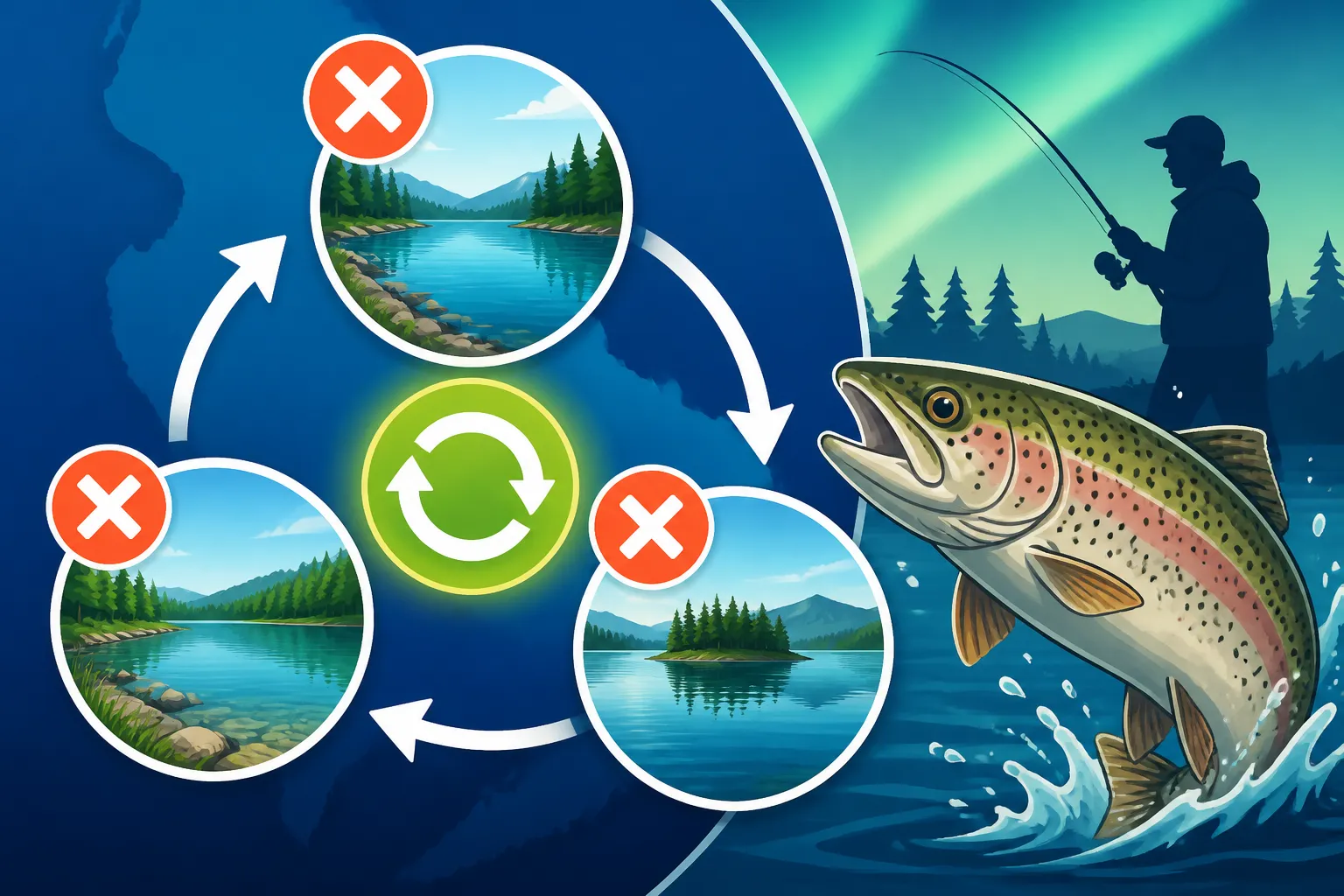
Why Ontario rotates Aurora Trout lake closures
It can be incredibly frustrating to plan a fishing trip, only to discover that the lake you had your heart set on is closed, especially when it involves a species as unique as the Aurora Trout. Many anglers scratch their heads, wondering why certain lakes are open one year and closed the next, or why this particular species seems to have such complicated rules. This guide will unravel the mystery behind Ontario's Aurora Trout rotational lake closures, explaining the crucial conservation efforts that make these regulations so vital for this rare and beautiful fish.
The Elusive Aurora Trout: A Northern Ontario Gem
Before we dive into the "why" of rotational closures, let's talk about the star of the show: the Aurora Trout. Many anglers might not even realize that this isn't just any regular trout; it's a distinct, genetically unique strain of brook trout, Salvelinus fontinalis timagamiensis. Picture a brook trout, but even more vibrant, with striking iridescent colours that truly live up to its name. These fish are absolute marvels, and their existence is a testament to the incredible biodiversity of Ontario's northern waters.
They are native to a very specific, limited number of small, acidic, headwater lakes in the Temagami region of northeastern Ontario, particularly in the vicinity of Lady Evelyn-Smoothwater Provincial Park. What makes them so special is their incredible adaptation to these very particular ecological niches. These lakes are typically oligotrophic, meaning they are low in nutrients, cold, and have highly oxygenated water. Their habitat is incredibly fragile, and for decades, they faced significant threats.
One of the biggest historical threats was acid rain, which devastated many of their native lakes, wiping out populations entirely in some cases. Human impacts like overfishing also played a role. This unique fish was almost lost forever, which really underscores why the conservation efforts we see today are so absolutely critical. If you've ever held a beautiful native brook trout, imagine the urgency of protecting a unique subspecies that only exists in a handful of lakes. You can learn more about this incredible fish in Aurora Trout: Ontario's Rare Rotational Species and What an Aurora Trout is and where they are found.
Why Rotational Closures Are Absolutely Essential for Survival
Now, to the heart of the matter: why does Ontario rotate Aurora Trout lake closures? It all boils down to an intensive, carefully managed conservation strategy designed to protect and rehabilitate this incredibly vulnerable population. Think of it like a meticulous gardener rotating crops to ensure the soil remains fertile and productive – but here, we're talking about living, breathing fish in a delicate ecosystem.
Preventing Overfishing and Population Crashes
The primary reason for the rotational system is to prevent overfishing. Because Aurora Trout exist in such small, isolated populations within a limited number of lakes, even a modest increase in angling pressure could have devastating long-term effects. These aren't vast, interconnected populations that can easily rebound from a few bad seasons. When a lake is open, it experiences angling pressure. By closing it for several years, the fish within that lake get a much-needed reprieve. They can mature, reproduce, and increase their numbers without the constant threat of being caught. This allows the population to strengthen, which is crucial for genetic diversity and overall resilience.
Imagine a small, secluded lake, perhaps with only a few hundred mature Aurora Trout. If that lake were open to fishing every single year, even with strict catch limits, the cumulative effect of anglers—no matter how careful—would put immense strain on that finite population. The rotational closure ensures that each specific lake gets ample time to recover and rebuild its stock. It’s a proactive measure to avoid future listing on endangered species lists, allowing anglers to eventually enjoy the species again responsibly.
Habitat Recovery and Ecological Balance
Beyond just the fish numbers, rotational closures also contribute to the broader health of the lake ecosystems. Angling activity, even when done responsibly, has an impact. Foot traffic around shorelines, boats in the water, and even the stress of catch and release can affect the delicate balance of these headwater lakes. By periodically closing lakes, the natural environment gets a break. Shoreline vegetation can recover from erosion, wildlife can experience less disturbance, and the fish themselves can establish more natural behaviours without constant human presence.
These lakes are often quite pristine, and maintaining that pristine quality is part of ensuring the Aurora Trout's survival. The water quality and food web within these specific environments are perfectly tailored for this unique fish. Any disturbance can ripple through the ecosystem, and a period of quiet allows the entire system to re-calibrate. This is why careful management of Special Regulation Waters in Ontario is so important.
Supporting Natural Reproduction and Genetic Health
The Aurora Trout is managed as a wild, self-sustaining population. While stocking efforts have historically been used to reintroduce them into lakes where they were extirpated, the goal is always for these populations to reproduce naturally. Rotational closures support this by allowing fish to reach reproductive maturity and spawn without interruption. Larger, older fish tend to be more prolific spawners, contributing more eggs and genetic diversity to the next generation.
This genetic health is particularly vital for a species with such a limited natural range. A lack of genetic diversity can make a population more susceptible to disease or environmental changes. By ensuring strong, diverse breeding populations in each lake through rotation, Ontario fisheries managers are building a more resilient future for the Aurora Trout. It’s a long game, but one that is absolutely essential to keep this rare fish swimming in our waters for generations to come.
Navigating the Closures: What Anglers Need to Know
For anglers who dream of catching an Aurora Trout, understanding and respecting these rotational closures is paramount. It can feel like a moving target, trying to figure out which lakes are open and when, but with a bit of planning and diligent checking of resources, it's completely manageable.
How to Stay Informed About Open and Closed Lakes
The single most important step for any angler interested in Aurora Trout is to consult the most current Ontario Fishing Regulations Summary. This document is your bible for all things regulation-related, and it details the specific lakes that are open or closed for Aurora Trout fishing in any given season. You absolutely cannot rely on old information or hearsay; these regulations change. Many anglers grab a physical copy from a license vendor, but the digital version online is always up-to-date and easily accessible.
The Aurora Trout lakes are usually identified within specific Fisheries Management Zones (FMZs), and the regulations will clearly state the open and closed lakes, often with specific dates. For instance, you might see that certain lakes, like Borealis Lake, are open for a specific window, while others remain closed. This system ensures that anglers are clear about where and when they can fish. It's a bit like figuring out Ontario Fishing Seasons by Zone and Month, but with an extra layer of species-specific protection.
Here's a simplified look at how the rotational system might apply to a set of Aurora Trout lakes:
| Lake Name | Status (Example) | Purpose |
|---|---|---|
| Borealis Lake | Open (Limited Season) | Provides angling opportunity for a few years |
| Liberty Lake | Closed | Recovery, natural reproduction, population growth |
| Carol Lake | Closed | Recovery, natural reproduction, population growth |
| Whiteswan Lake | Open (Limited Season) | Provides angling opportunity for a few years |
| Whisker Lake | Closed | Recovery, natural reproduction, population growth |
Note: This table provides a hypothetical example of a rotation pattern and does not represent current, live data. Always consult the official Ontario Fishing Regulations Summary for the most up-to-date information.
You can find comprehensive details about regulations in Ontario Fishing Regulations Explained and gain a better understanding of how to interpret these critical documents by Reading the Ontario Fishing Regulations Summary.
Planning Your Trip: Respecting the Rules
Because of the rotational system, planning an Aurora Trout trip requires a bit more foresight than just heading to your favourite walleye spot. You need to verify the open lakes before you pack your gear. If a lake is closed, it means no fishing for Aurora Trout, and often, no fishing for any species in that lake, period. Violating these closures can result in significant penalties, and more importantly, it undermines the vital conservation work that keeps these incredible fish alive.
Beyond knowing which lakes are open, it’s also important to understand the specific rules for fishing them. Aurora Trout lakes often have additional regulations such as mandatory catch and release, tackle restrictions (e.g., artificial lures only, single barbless hooks), and specific possession limits that are often zero. These are not arbitrary rules; they are designed to minimize the impact on the fish and maximize their survival rate, especially since these lakes are designated as Ontario Catch and Release Only Waters or similar.
When packing for such a trip, consider gear that aligns with these conservation-minded practices. For example, a good quality landing net with rubber mesh helps protect the fish's slime coat, and a pair of long-nosed pliers is essential for quick, safe hook removal. You can find excellent options for these on sites like Amazon, ensuring you're well-equipped for ethical fishing.
The Future of Aurora Trout and Sustainable Angling
The story of the Aurora Trout is a remarkable conservation success, pulled back from the brink of extinction. The rotational closure system is a cornerstone of this success, demonstrating Ontario's commitment to preserving its natural heritage. For anglers, it’s an opportunity to be part of something bigger – to support sustainable fishing practices and ensure that future generations can also experience the thrill of encountering this magnificent, rare fish.
The Role of Anglers in Conservation
Every angler plays a crucial role in the ongoing conservation of Aurora Trout. By adhering strictly to the regulations, practicing responsible catch and release, and educating others, we all contribute to the long-term health of these unique populations. This includes understanding the specific requirements for Ontario Borealis Lake closure explained if that lake is on your radar. It’s not just about what we catch; it’s about how we respect the resource.
Being a conservation-minded angler means understanding the fragility of these ecosystems. It means making choices that prioritize the fish's well-being, like minimizing handling time, keeping fish in the water as much as possible, and using appropriate gear. For instance, many anglers dedicated to trout fishing often invest in specialized fly fishing gear, which can be found on Amazon, that supports delicate presentation and quick releases, aligning with the spirit of conservation.
Long-Term Vision for Aurora Trout Management
The rotational system is not static; it’s a dynamic management tool that is regularly reviewed and adjusted based on scientific data, population assessments, and ecological monitoring. Fisheries biologists are constantly evaluating the health of the Aurora Trout populations, the recovery of the lakes, and the effectiveness of the closures. This adaptive management approach ensures that the regulations remain relevant and effective in the face of ongoing environmental changes or new pressures.
The ultimate goal is to maintain robust, self-sustaining populations of Aurora Trout across their native range, ensuring that this living jewel of Northern Ontario continues to thrive. While it might mean a bit more planning and checking the regulations each year, the reward of knowing you're contributing to the survival of such a rare and beautiful species makes it all worthwhile. It's a testament to what we can achieve when conservation and recreational angling work hand-in-hand. This commitment extends to understanding and protecting the Brook Trout Native Range in Ontario and other unique trout species, which you can identify using a Trout Species Identification Guide for Ontario.
Disclaimer
This article is for general informational purposes only and does not constitute professional advice. Laws, prices and regulations vary by location and change over time. Consult a qualified professional for guidance on your specific situation.