What an Aurora Trout is and where they are found
Ever heard whispers of a truly unique trout in Ontario, one shrouded in a bit of mystery and specific rules? It's easy to get lost in the sheer variety of fish out there, but the Aurora Trout stands apart, often leaving anglers wondering what it is and where they can actually find it. This guide is going to clear up all that confusion, diving deep into the fascinating world of Ontario's rare Aurora Trout, explaining its unique story, and showing you exactly where you might be lucky enough to encounter one.
What Exactly is an Aurora Trout? A Living Relic
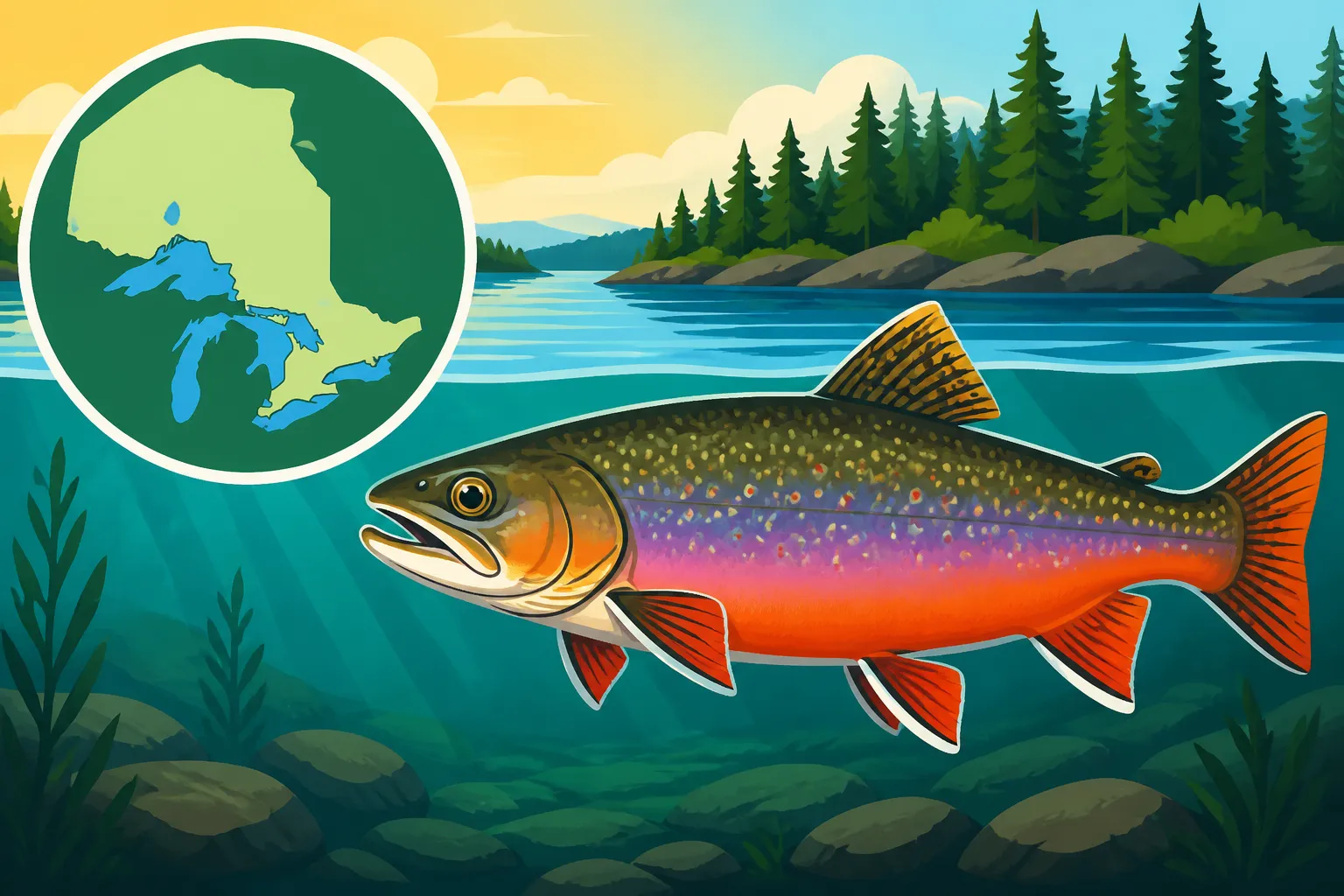
The Aurora Trout is more than just another fish; it's a remarkable, living piece of Ontario's natural history. For many anglers, the term "trout" conjures images of rainbows, browns, or brookies. But the Aurora Trout (scientifically known as Salvelinus fontinalis timagamiensis) is a unique subspecies of the common Brook Trout, incredibly rare and found only in a handful of remote lakes in northeastern Ontario. Its story is one of near-extinction and a dedicated conservation effort, which is why it holds such a special place in the hearts of those who appreciate wild fisheries.
Originally, these fish were confined to a very specific range of lakes north of Lake Temagami, living in cold, clear, nutrient-poor waters. Unlike other trout that might adapt to various environments, the Aurora Trout developed characteristics specifically suited to these glacial headwater lakes. Their isolation for thousands of years after the last ice age led to their distinct genetic makeup and unique appearance, setting them apart from their more widespread brook trout cousins. It’s truly a special part of our natural heritage, and understanding its distinctness makes appreciating its conservation even more profound.
A Unique Heritage and Near Extinction
The Aurora Trout's history is quite a dramatic one. They were first officially recognized as a distinct subspecies in the early 1900s, but their existence was threatened almost to the point of extinction by the mid-20th century. Acid rain, a devastating environmental issue caused by industrial pollution, severely impacted their native lakes, making the water too acidic for them to survive. This wasn't just a minor decline; entire populations vanished. It was a stark reminder of how fragile our ecosystems are and how quickly even robust-seeming species can disappear when their habitat is compromised.
Thankfully, extensive efforts were made to save them. Before their native lakes became completely inhospitable, biologists managed to capture a small number of these fish and establish a captive breeding program. These precious few individuals were the genetic lifeline for the entire subspecies. From this small, dedicated broodstock, the Aurora Trout were slowly brought back from the brink, a testament to the power of conservation and the dedication of Ontario's fisheries management. Without these interventions, the Aurora Trout would likely be nothing more than a historical footnote today. Their survival is a beacon of hope for other endangered species.
Distinctive Features of an Aurora Trout
When you see an Aurora Trout, even if you're familiar with Brook Trout, you'll notice some key differences. While they share the same genus (Salvelinus), their unique lineage gives them a distinct look that sets them apart. They generally have a more slender body profile than many common Brook Trout, and their coloration is often less flamboyant, tending towards more subtle hues. This isn't just about aesthetics; these features are adaptations to their specific, pristine lake environments.
The most striking visual difference is often their spotting and fin coloration. Unlike the vibrant red and blue halos found on a typical brook trout, Aurora Trout possess a more muted, silvery body with dark spots. The fins, particularly the lower fins, usually lack the prominent white leading edges that are characteristic of brook trout. Instead, their fins are often plain or have very faint white margins. During spawning season, however, males can develop a gorgeous flush of red on their bellies, rivaling the beauty of any trout. Identifying them correctly is crucial, especially given their protected status, and a good field guide (you can often find excellent ones on sites like Amazon) can be incredibly helpful.
Here's a quick comparison to help you tell them apart from a typical Brook Trout:
| Feature | Aurora Trout | Common Brook Trout |
|---|---|---|
| Body Color | Silvery-pink to purple-blue on back, silver sides | Dark green to brown on back, lighter sides |
| Spotting | Fewer, less distinct pale spots, no red/blue halos | Prominent pale spots, often with red/blue halos |
| Lower Fins | Plain, often lacking white leading edge (or very faint) | Distinct white leading edge, followed by black and orange/red |
| Body Shape | Generally more slender, streamlined | Often stockier, deeper body |
| Spawning Color | Males develop reddish belly | Males develop bright orange/red belly with black |
| Habitat | Specific, naturally acidic headwater lakes | Widespread in cold, clear streams and lakes |
Where to Find this Elusive Beauty: Rotational Lakes
Given their rarity and the incredible effort put into their recovery, Aurora Trout are not found just anywhere in Ontario. Their populations are carefully managed, and fishing opportunities are extremely limited to protect this precious resource. This means you can't just head to any lake and expect to find them; you need to know exactly which specific lakes host them and, more importantly, when those lakes are open for fishing. It's a system designed to ensure their long-term survival, giving the fish periods of undisturbed recovery.
The current strategy involves a rotational system of lake closures, a truly unique approach to fisheries management. This means that only certain lakes are open for fishing in any given year, while others are closed to allow the fish populations to rebuild and thrive without angling pressure. This isn't just a suggestion; it's a strict regulation, and fishing in a closed lake can result in significant penalties. Staying informed about these specific openings and closures is paramount for any angler hoping to respectfully pursue an Aurora Trout. Ontario Aurora Trout Rotational Lake Closures provides detailed information on which lakes are open and when.
The Rotational System Explained
The rotational lake closure system is critical for the conservation of Aurora Trout. The lakes that hold these fish are generally small, clear, and very sensitive to environmental changes and fishing pressure. By rotating which lakes are open to fishing, the Ministry of Natural Resources and Forestry (MNRF) ensures that individual populations get a break, allowing them to reproduce successfully and grow without added stress. This is particularly important because Aurora Trout grow slowly and can be vulnerable.
Imagine a farmer rotating crops to keep the soil healthy; this is a similar concept for fish populations. Some years, anglers might have access to Borealis Lake and Whitepine Lake, while others like Whirligig Lake or Wilderness Lake might be closed. The specific lakes and their open/closed status can change annually, so checking the official regulations summary is non-negotiable before planning a trip. This method has proven effective in slowly rebuilding and sustaining the Aurora Trout population, demonstrating a thoughtful balance between conservation and limited recreational opportunity. For current information, the Ontario Fish ON-Line Interactive Zone Map, Explained is an invaluable tool to consult.
Key Lakes and Confirming Access
The primary lakes historically and currently managed for Aurora Trout are concentrated in a remote area north of Temagami. Lakes like Borealis Lake, Whitepine Lake, Whirligig Lake, and Wilderness Lake are among those that have been part of the rotational system. These are not easily accessible lakes; they often require considerable effort to reach, sometimes involving portages or even float plane access, adding to the mystique and protected nature of the fishery. This remote setting helps to naturally limit fishing pressure, contributing to the success of the conservation program.
Before you even dream of casting a line, you absolutely must consult the most recent Ontario Fishing Regulations Summary. This document, available online or at license vendors, will clearly outline which specific lakes are open for Aurora Trout fishing in the current year, along with any specific rules or restrictions. Never rely on old information or hearsay. The status can change, and the regulations are strictly enforced. The detailed maps and text in the regulations will confirm your access and help you understand the specific boundaries and conditions for these unique fishing opportunities. You'll find these regulations invaluable for any fishing trip, not just for targeting Aurora Trout. Reading the Ontario Fishing Regulations Summary is a good resource to get familiar with.
Angling for Aurora Trout: Regulations and Respect
Fishing for Aurora Trout is a privilege, not a right, and it comes with a strong responsibility to uphold conservation principles. It's a completely different mindset than, say, chasing walleye on Lake Erie or smallmouth on Georgian Bay. This isn't about filling a cooler; it's about the experience of connecting with a truly special and rare fish, and ensuring that future generations have the same opportunity. Because of their vulnerable status, the regulations governing Aurora Trout fishing are very strict and designed to minimize any negative impact on the population.
Every angler who ventures into these designated lakes must adhere to these rules without exception. This means understanding not just where you can fish, but how you can fish. The entire experience is framed by a deep respect for the fish and its fragile ecosystem. Even acquiring the right gear, like specialized fly patterns or specific ultralight spinning gear, should be done with the catch-and-release philosophy in mind. You can find a vast array of tackle and books about responsible angling techniques on Amazon, which can help prepare you for this unique experience.
Special Rules and Limits
When a lake is open for Aurora Trout fishing, there are usually very specific regulations that go beyond the general provincial rules. These often include:
- Artificial Lures Only: In many Aurora Trout lakes, only artificial lures are permitted. This is to prevent the introduction of baitfish or diseases, and to reduce mortality rates associated with deep-hooking. Live bait is almost universally prohibited in these sensitive environments.
- Catch and Release Only: Nearly all Aurora Trout fisheries are designated as catch-and-release. This means absolutely no fish can be kept. The goal is purely recreational, allowing anglers to appreciate the fish and then return them to the water unharmed to continue their life cycle. Ontario Catch and Release Only Waters explains the general principles of such fisheries.
- Barbless Hooks Encouraged/Required: To further minimize harm during release, barbless hooks are often encouraged or even required. These hooks allow for quick and easy removal, reducing stress and injury to the fish. If your hooks aren't barbless, simply pinching down the barb with pliers is a quick and easy solution.
- Specific Season Dates: Even within the rotational system, there will be very precise opening and closing dates for fishing these specific lakes. These dates are chosen to avoid critical periods like spawning.
Ignoring any of these regulations can lead to serious fines and penalties, and more importantly, it can jeopardize the entire conservation program for this unique species. It’s imperative to always carry a copy of the regulations summary or have it digitally accessible. Ontario Fishing Regulations Explained offers a broader look at how these regulations are structured across the province.
Conservation is Key
The continued existence of the Aurora Trout is a triumph of conservation, and every angler has a role to play in its ongoing success. Beyond just following the rules, conservation for Aurora Trout involves a mindful approach to fishing. This means practicing proper catch and release techniques, handling the fish as little as possible, and returning them to the water quickly and gently. Using a soft, knotless landing net is a great investment for trout fishing in general, and especially for rare species like the Aurora Trout. You can find quality options for nets and release tools on Amazon.
Furthermore, it means leaving no trace. These remote lakes are pristine, and it's our responsibility to keep them that way. Pack out everything you pack in, and respect the natural environment. Understanding the broader context of trout conservation, including identifying different trout species, is also a part of responsible angling. Trout Species Identification Guide for Ontario can help you differentiate between the various trout found in the province, solidifying your knowledge. Every action, from the gear you choose to how you handle a fish, contributes to the overall health and future of this remarkable Ontario treasure.
Planning Your Aurora Trout Adventure
An Aurora Trout fishing trip is more than just a day on the water; it's an adventure into one of Ontario's most unique natural settings, centered around one of its most special fish. Because these lakes are often remote and subject to strict regulations, careful planning is essential. This isn't a spontaneous outing, but rather a meticulously researched and prepared expedition. Beyond just knowing the regulations, you'll need to consider travel, equipment, and your personal approach to ensure a successful and respectful experience.
Thinking through these details beforehand will make your trip much more enjoyable and minimize any potential issues. It's about being prepared for the wilderness and being a responsible steward of the environment. Remember, the goal isn't just to catch a fish, but to engage with a truly unique part of Ontario's natural heritage in a way that ensures its future.
Essential Gear for Sensitive Waters
Fishing in Aurora Trout waters often calls for a lighter, more refined approach, especially since many lakes are fly-fishing-only or artificial-lure-only. Your gear should reflect the delicate nature of the fishery and the typically clear, shallow waters where these fish reside.
- Fly Fishing: A lightweight fly rod (3-5 weight) with a matching reel and floating line is ideal. Focus on smaller streamers, nymphs, and dry flies that imitate local insects. Remember, precision and presentation often trump brute force in these waters. For those new to fly fishing, resources for Best Fly Rods for Ontario Trout Streams might be a helpful starting point, although specific patterns for Aurora Trout would be more specialized.
- Spinning Gear: If spinning is allowed, an ultralight or light action rod and reel combo spooled with light monofilament or fluorocarbon line (2-6 lb test) is appropriate. Small spoons, inline spinners, and tiny jerkbaits can be effective. Again, ensure all lures are barbless or have the barbs pinched down. Best Gear for Ontario Trout Fishing can give you a general overview of trout gear.
- Wading Gear: Given the clear, shallow nature of many of these lakes, wading might be necessary to access prime spots or avoid spooking fish. Quality waders and wading boots are a must, providing comfort and traction on potentially slippery lake beds.
- Safety and Navigation: Always carry a compass or GPS device, as these areas can be remote. A personal flotation device (PFD) is essential for any water travel. A waterproof bag for your essentials (phone, map, snacks) is also highly recommended. You can find reliable safety equipment and navigation tools, including fishing accessories and guides, on Amazon.
Respecting the Environment and the Fish
Beyond the strict regulations, a true Aurora Trout angler embodies a deep respect for the species and its habitat. This means adhering to ethical angling practices, such as minimal handling for catch-and-release. When you do catch an Aurora Trout:
- Keep it Wet: Try to keep the fish in the water as much as possible, especially during hook removal and photos.
- Gentle Handling: Use wet hands to minimize the removal of the fish's protective slime coat. Avoid squeezing or putting pressure on its gills or belly.
- Quick Release: Unhook the fish quickly and gently. If the hook is deep, cut the line rather than trying to rip it out.
- Revive Properly: Hold the fish gently in the current or move it back and forth in still water until it regains its strength and swims away on its own.
Remember that these fish are survivors, but their continued survival depends on us. They represent a unique branch of Ontario's natural history, and every effort to fish responsibly helps secure their future. While specific seasons are important, understanding general Ontario Fishing Season Dates by Zone can help contextualize these special openings within the broader angling calendar. The privilege of encountering an Aurora Trout in its native, revitalized habitat is an unforgettable experience, and one that demands our utmost care and respect.
Disclaimer
This article is for general informational purposes only and does not constitute professional advice. Laws, prices and regulations vary by location and change over time. Consult a qualified professional for guidance on your specific situation.