What percentage of stocked trout survive the season
It's a question many of us anglers ponder: when our local conservation authority or the province stocks thousands of beautiful trout into our favourite lakes and rivers, what truly happens to them? The frustrating truth is, the survival rate of these stocked fish through a full fishing season can be incredibly varied, and often, it's not as high as we might hope. This guide is here to shed some light on the complex journey of stocked trout in Ontario, from the moment they hit the water to understanding the many challenges they face.
The Harsh Realities of Stocked Trout Survival
Let's face it, being a hatchery-raised trout isn't easy, even if they've been pampered with regular meals and predator-free environments. The transition from a controlled hatchery setting to the wild waters of an Ontario lake or stream is a brutal shock, and it’s where many stocked trout meet their end long before an angler ever casts a line their way. It’s a reality check for anyone passionate about trout fishing.
Initial Shock and Acclimatization
Imagine being plucked from a comfortable, predictable home and dropped into an entirely new, potentially hostile environment. That's essentially what happens to a stocked trout. In the hatchery, they're used to a consistent diet, stable water temperatures, and zero predators. Once released, they immediately face a barrage of new challenges. The water chemistry might be different, the food sources unfamiliar, and the currents overwhelming. This initial period of shock can be a major hurdle. Some fish simply don't adjust well, becoming stressed, disoriented, and more susceptible to disease or predation. They might not know how to find natural food effectively or how to hide from danger. It's a steep learning curve, and many don't make it past the first few days or weeks as they try to adapt to their new, wild surroundings.
Predation and Competition
Ontario's waters are teeming with wildlife, and a freshly stocked trout often looks like a free meal to many of them. Large game fish already present in the lake, like pike or even larger bass, will quickly key in on these naive, easy targets. Birds of prey, like ospreys and bald eagles, have a field day, circling overhead for the tell-tale splashes of recently introduced fish. Even otters and mink can take their toll. It’s a natural part of the food chain, but for the stocked trout, it’s a constant battle for survival. Beyond direct predation, there's fierce competition for food and habitat. If the stocked water already has a healthy population of other fish species, or even wild trout, the new arrivals have to fight for every morsel and every bit of cover. They might be outcompeted by more experienced, wild fish that know the ins and outs of the local ecosystem.
Angler Harvest Pressure
Let’s be honest, one of the main reasons fish are stocked is for us, the anglers! And we certainly do our part to reduce the population. In many put-and-take fisheries, the expectation is that a significant portion of stocked trout will be caught and kept by anglers. These fish are often less wary than their wild counterparts, making them easier to catch. On opening weekend, or during peak times, some lakes can see an immense amount of fishing pressure, with anglers reeling in limits quickly. While this fulfills the purpose of stocking for recreational harvest, it certainly doesn't contribute to their long-term survival in the wild. The speed at which a stocked lake can be "fished out" can be astonishing, highlighting just how effective anglers are at targeting these readily available fish. Best time to fish a stocked lake often sees the highest angler pressure and subsequent harvest.
Factors Influencing Survival Rates
While the general picture can seem bleak, it's not all doom and gloom. Many factors play a crucial role in determining how many stocked trout actually survive beyond their initial release and perhaps even become What a holdover trout is – fish that survive through the winter and continue to grow. Understanding these elements can help us appreciate the complexities involved in fisheries management.
Stocking Methodology and Timing
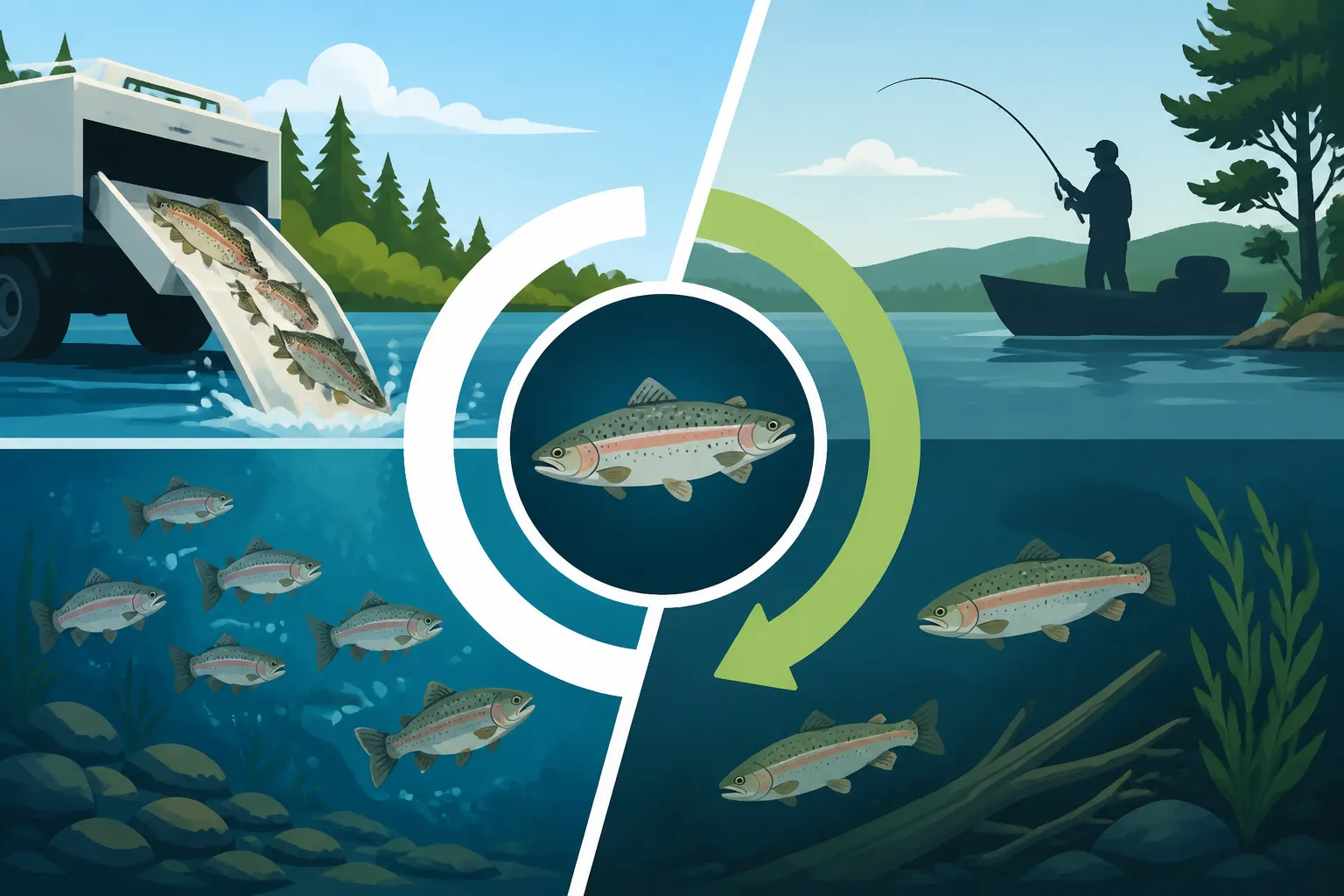
The "how" and "when" of stocking are incredibly important. Simply dumping a truckload of fish into a busy boat launch can be detrimental. Well-planned stocking involves distributing fish across different areas of the water body, often in more secluded spots, to minimize immediate predation and give them a chance to disperse and find cover. The timing matters too. Stocking when water temperatures are too warm can stress the fish, as warm water holds less oxygen. Conversely, stocking just before a harsh cold snap might not give them enough time to acclimate. Hatchery staff often work diligently to release fish during optimal conditions, considering factors like water temperature, available cover, and expected angler pressure. For instance, putting fish into a river during high, fast flows can wash them downstream before they find suitable holding water.
Environmental Conditions of Stocked Waters
The quality and characteristics of the water body itself are paramount. A lake or river with abundant natural food sources, plenty of submerged cover (like fallen trees, weed beds, or rock piles), and appropriate water temperatures will offer a much better chance of survival. Conversely, a shallow, warm lake with little cover and a high population of predators will see very low survival rates. Dissolved oxygen levels are critical, especially in summer. Lakes that stratify and have an anoxic (oxygen-depleted) deep layer can be deadly for trout seeking cold water. Some waters simply aren't suitable for long-term trout survival, and in these cases, they are purely "put-and-take" fisheries where the expectation is rapid harvest. Understanding Ontario fishing regulations explained for specific zones can give clues about the health and sustainability of local waters.
Size and Species of Stocked Trout
Generally, larger trout tend to have a better chance of survival than smaller ones. They are less susceptible to predation from smaller fish and birds, and they are often more robust. A six-inch brook trout is a very different proposition in a lake full of pike than a twelve-inch rainbow trout. The species of trout also makes a difference. Trout species identification guide for Ontario shows that some species are inherently hardier or more adaptable to certain conditions. For example, some strains of rainbow trout are known for their resilience and ability to forage effectively in a variety of environments, while brook trout, though native to many Ontario waters, can be more sensitive to warmer temperatures and environmental changes. Stocking programs often consider the specific characteristics of the water body when deciding on the size and species of trout to release. For instance, What splake are and where they are stocked might be chosen for specific lakes where brook trout struggle but lake trout thrive, as splake are a hybrid of both.
| Factor | Impact on Survival | Example Scenario |
|---|---|---|
| Initial Shock | High mortality shortly after release due to stress, disorientation, inability to find food/cover. | Trout released directly into strong current without immediate access to calm water or hiding spots. |
| Predation | Significant reduction in numbers from birds, other fish, and mammals, especially for smaller fish. | Small hatchery trout released into a lake with a high population of large Northern Pike. |
| Competition | Struggle to find adequate food and suitable habitat if wild populations are already abundant. | Numerous stocked trout competing for limited insect hatches or minnow schools with established wild bass or perch populations. |
| Angler Harvest | High numbers caught and kept by anglers, especially in easily accessible, well-publicized stocking locations. | A popular community pond stocked for Ontario Family Fishing Weekend Dates seeing hundreds of anglers on opening day. |
| Water Quality/Temperature | Poor survival if water is too warm, lacks oxygen, or has unsuitable chemistry. | Trout released into a shallow lake in mid-summer where water temperatures consistently exceed their tolerance levels. |
| Stocking Size/Species | Larger, hardier species generally fare better against predators and environmental challenges. | A large rainbow trout (e.g., 12-14 inches) adapting better than a small brook trout (e.g., 6-8 inches) in the same predator-heavy environment. |
| Habitat Availability | Low survival if there's insufficient cover (weeds, rocks, fallen timber) for hiding and foraging. | A barren, sandy-bottomed lake with no structure offers little protection for newly stocked fish. |
Strategies to Improve Survival and Sustainability
While a perfect 100% survival rate is an impossible dream in the wild, there are many ways fisheries managers and anglers can work together to give these stocked trout the best possible chance. It's about recognizing our role in the ecosystem and making responsible choices, ensuring that our love for fishing contributes to the health of the resource rather than depleting it. You can find many useful items on Amazon to help you with these practices.
Responsible Angling Practices
As anglers, we have a direct impact on the survival of stocked trout. One of the most significant things we can do is practice responsible catch and release, especially when fishing in waters managed for extended survival rather than just put-and-take. This means minimizing handling time, keeping the fish in the water as much as possible, using barbless hooks, and ensuring fish are revived before release. Using a Best landing net mesh for catch and release can also reduce harm to the fish's protective slime coat and fins. Understanding the difference between a Sport Fishing and a Conservation Fishing License in Ontario (see Ontario Sport vs Conservation Fishing License) can also guide your approach, as Conservation licenses inherently encourage lower harvest. Additionally, educating ourselves on proper techniques for handling fish, such as supporting their weight horizontally and avoiding contact with their gills, can make a huge difference. If you're using live bait, ensure it's legally acquired and free of disease to prevent introducing pathogens to the ecosystem.
Habitat Improvement Initiatives
Improving the habitat of stocked waters can dramatically boost survival rates. This isn't just about the fish in the water; it's about the entire ecosystem. Projects like planting native vegetation along shorelines, creating stream bank stabilization, or introducing woody debris (like fallen trees) into lakes can provide crucial cover, reduce erosion, and enhance natural food production. These efforts help create a more resilient environment where fish can thrive. For instance, a stream with clear, cold water, abundant insect life, and undercut banks for shelter will always support a healthier trout population, whether wild or stocked. Local conservation groups, often supported by provincial efforts, frequently undertake these projects. Anglers can also contribute by reporting environmental concerns or volunteering for cleanup and habitat restoration days. Sometimes, simply reducing litter and being mindful of our footprint can have a positive cumulative effect. For more information on trout habitats, you might find specific guides on Amazon helpful for Fly Fishing for Trout in Ontario.
Understanding Local Regulations
Ontario's fishing regulations are designed to protect fish populations and ensure sustainable angling for everyone. For stocked waters, these regulations often include specific season dates, size limits, and bag and possession limits. Adhering to these rules is not just a legal obligation but a crucial part of ensuring the success of stocking programs. For instance, some lakes might have special regulation zones or be designated Ontario Catch and Release Only Waters to specifically encourage trout to survive and grow. Ignoring these rules directly undermines conservation efforts. Familiarizing yourself with the Ontario Fishing Regulations Summary each year is essential, as rules can change. This includes knowing the specific limits for the species you're targeting in the particular Fisheries Management Zone (FMZ) you are in. It's a collective responsibility – by following the rules, we all contribute to a healthier fishery and give those stocked trout a better chance at becoming strong, mature fish that continue to reproduce naturally where possible, or at least provide sustained angling opportunities for a longer period.
Disclaimer
This article is for general informational purposes only and does not constitute professional advice. Laws, prices and regulations vary by location and change over time. Consult a qualified professional for guidance on your specific situation.