Difference between wild and stocked trout in Ontario
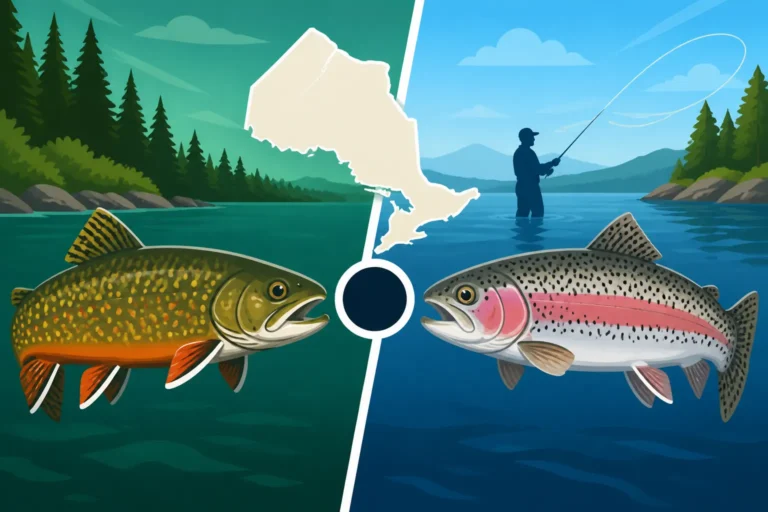
It's a common scenario for anglers across Ontario: you've just landed a beautiful trout, perhaps a shimmering rainbow or a spotted brook trout, and as you admire your catch, a question pops into your head. Is this fish a wild, native specimen, or did it start its life in a hatchery before being released into these waters? This question isn't just about curiosity; understanding the difference between wild and stocked trout can significantly impact your fishing strategies, your appreciation for the local ecosystem, and even your approach to conservation. This guide will walk you through the distinct characteristics of wild and stocked trout, helping you become a more informed and successful angler on Ontario's diverse waters.
The Essence of Wild Trout in Ontario
Wild trout are the true natives, the resilient survivors who have lived and reproduced in our rivers and lakes for generations without human intervention. These are the fish that have adapted perfectly to their specific environment, honed their instincts, and represent the natural vitality of Ontario's waterways. Catching a wild trout often feels like tapping into a much deeper connection with nature, a reward for understanding the subtleties of the ecosystem.
What Defines a Wild Trout?
A wild trout is born and raised in its natural habitat, completing its entire life cycle without direct human assistance. This means they hatch from eggs laid in gravel beds, grow by foraging for natural food sources like insects, crustaceans, and smaller fish, and reproduce naturally with other wild fish. They are the epitome of self-sufficiency in the aquatic world. In Ontario, our most iconic wild trout species include the Brook Trout, which is actually a char but often referred to as a trout, and the Lake Trout. While other species like Rainbow and Brown Trout can establish wild populations, they are not native to Ontario.
Think about a remote northern lake, accessible only by float plane or a long portage, where the water runs crystal clear and ancient pines line the shore. The brook trout you might find there, with their vibrant red spots and worm-like markings, are almost certainly wild. They've navigated harsh winters, evaded predators, and found their own food since they were tiny fry. Their survival isn't dictated by a hatchery schedule; it's a testament to their inherent toughness and the health of their habitat. You can learn more about these resilient fish in our guide to Brook Trout in Ontario's Crown Land Lakes.
Physical Characteristics and Behaviour
Wild trout often exhibit physical traits that distinguish them from their hatchery-raised counterparts. Their fins, especially the pectoral, pelvic, and caudal (tail) fins, are typically perfectly formed and strong, without any signs of erosion or damage. This is because they live in currents and constantly navigate natural structures, developing strong muscles and pristine fins. Their colours tend to be more vibrant and varied, reflecting the specific diet and water conditions of their environment. A wild brook trout from a tannin-stained stream might have darker, richer hues, while one from a clear, rocky river could be lighter with more pronounced spots.
Their behaviour is also markedly different. Wild trout are notoriously wary. They've survived by being cautious, avoiding predators and anglers alike. They're often found in very specific holding lies—behind a large rock, in a deep eddy, or under an undercut bank—where they can conserve energy and ambush prey. Presenting a fly or lure to a wild trout requires stealth, precision, and a deep understanding of their habitat. They might not strike out of pure aggression or curiosity like some hatchery fish; every take is a calculated risk for them. They're masters of their domain, and earning a bite from one feels like a significant accomplishment. It’s why many anglers cherish the experience of Fly Fishing for Trout in Ontario in these wild settings.
The World of Stocked Trout in Ontario
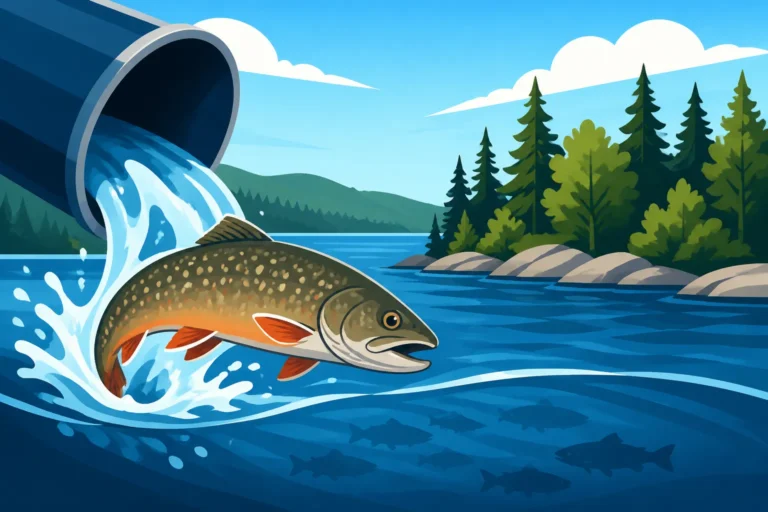
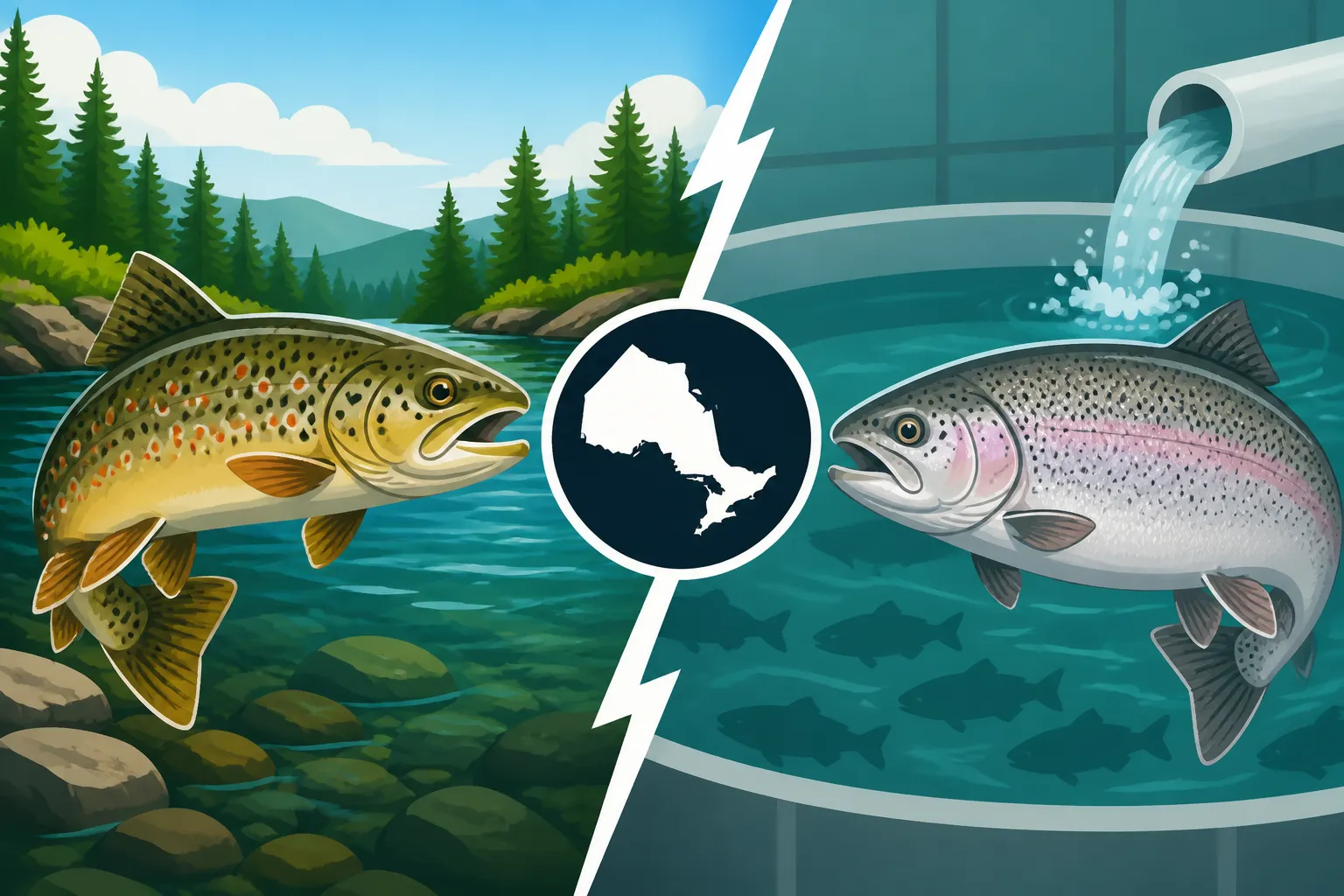
Stocked trout are fish raised in hatcheries and then released into specific lakes and rivers by government agencies or private organizations. This practice is widespread across Ontario, serving various purposes, from enhancing recreational fishing opportunities to restoring populations in certain areas. While not "wild" in the traditional sense, these fish still provide incredible angling experiences and are a vital part of Ontario's fishery management.
Understanding Stocking Programs
Ontario's stocking programs are incredibly diverse. Fish are raised from eggs in controlled environments, fed a consistent diet, and protected from predators until they reach a suitable size for release. This might be fingerlings released to grow out, or larger, catchable-sized trout destined for immediate angler enjoyment. The primary goal of many stocking programs is to create or supplement fisheries in areas where natural reproduction is limited or non-existent, often due to habitat degradation, overfishing, or unsuitable conditions for spawning.
For instance, many urban or easily accessible lakes that experience heavy fishing pressure are regularly stocked with rainbow trout to ensure there's always a good supply of fish for anglers. These programs are essential for supporting recreational fishing, especially for families and beginners. You might see signs at popular access points indicating a lake has been stocked, often around Family Fishing Weekends. Our post on Rainbow Trout Stocking in Ontario delves deeper into these specific programs.
Physical Characteristics and Behaviour
Stocked trout often have distinct physical signs that hint at their hatchery origins. Their fins, particularly the dorsal and caudal fins, can appear worn, frayed, or even partially missing. This "fin erosion" is a common result of being raised in crowded hatchery raceways where fish rub against each other and concrete surfaces. Their bodies might also seem less streamlined or robust than wild fish, sometimes a bit "plumper" due to the regular, calorie-rich diet they receive. Their colours can be less vibrant, often a more uniform silvery or greenish hue, lacking the intense reds, oranges, and deep spots seen on wild fish.
In terms of behaviour, stocked trout, especially recently released ones, can be less wary and more opportunistic feeders. They are accustomed to being fed at specific times and may associate human presence with food. This makes them, initially, easier to catch, which is part of their appeal for many anglers looking for a more consistent bite. They might school together in open water or near release points, showing less territoriality than their wild counterparts. However, as stocked trout spend more time in their new environment, they can "acclimate." These are often referred to as "holdover trout," and they start to develop more wild-like characteristics and become much harder to catch. If you want to dive deeper, we have a helpful article on What a holdover trout is.
Key Differences: Wild vs. Stocked Trout
When you're out on the water, trying to tell if that shimmering fish on the end of your line is a wild warrior or a hatchery graduate, there are several key indicators to look for. These differences span appearance, behaviour, and even their preferred habitat.
Appearance: The Tale of the Fins and Colours
The most obvious distinctions often lie in their physical appearance.
- Fins: This is probably the number one giveaway. Wild trout will almost always have pristine, well-formed fins—sharp edges, no nicks, and a full, broad tail fin. Stocked trout, due to their hatchery upbringing, often show signs of wear and tear:
- Eroded Fins: The tips or edges of their fins might look ragged, stubby, or even completely missing in places. The dorsal fin (on their back) and the caudal fin (tail) are particularly susceptible.
- Deformed Fins: In some cases, fins might be slightly bent or malformed if they experienced injury early in life.
- Colouration: Wild fish are masters of camouflage, their colours finely tuned to their specific environment.
- Wild: Expect vibrant, rich, and often complex patterns. Spots might be more numerous, crisper, and distinct. The overall body colour can vary greatly, from golden-bronze to deep olive or steely blue, reflecting natural pigments from their diet and water conditions.
- Stocked: Often appear more washed out, silvery, or uniformly coloured. Spots might be less defined or less numerous. This is largely due to their standardized diet and the artificial lighting conditions of a hatchery.
- Body Shape:
- Wild: Typically lean, muscular, and torpedo-shaped, built for navigating currents and evading predators.
- Stocked: Can sometimes appear slightly "blockier" or have a less athletic profile, especially recently stocked fish that haven't had to hunt extensively for food.
Behaviour: The Fight and the Flight
How a trout behaves, both in the water and on the line, can also provide clues.
- Aggression and Wariness:
- Wild: Extremely wary. They've learned to associate shadows, vibrations, and unusual movements with danger. They're often found in cover, striking quickly and retreating. Catching one often requires finesse and stealth.
- Stocked: Especially when first released, they can be less cautious and more willing to strike at a wider variety of baits and lures. They might be found in more open, exposed areas. As they acclimate, however, they become much warier.
- Fight on the Line:
- Wild: Often renowned for their powerful, sustained fights. They use their strong, unblemished fins and muscular bodies to put up a spirited struggle, darting, diving, and making strong runs.
- Stocked: The fight can sometimes be less robust, especially for freshly stocked fish that haven't built up as much muscle mass or wild instinct. However, a large, well-acclimated stocked trout can still put up an impressive battle!
- Food Habits:
- Wild: Opportunistic hunters, feeding on natural insects, nymphs, minnows, and crustaceans. Their diet is varied and reflects the seasonality of their environment.
- Stocked: Raised on commercial fish pellets, so they may initially respond well to baits that resemble these, like powerbait or corn, but quickly learn to forage for natural foods once in the wild.
Habitat and Location
Where you catch the fish is another huge clue.
- Wild Trout Hotspots: You're more likely to find true wild trout in:
- Remote Waters: Lakes and rivers that are difficult to access, far from roads, and experience minimal human pressure.
- Pristine Streams: Cold, clear, well-oxygenated streams with abundant natural cover, gravel bottoms for spawning, and minimal pollution. Ontario catch and release only trout streams often fall into this category.
- Native Ranges: Brook Trout are native to many headwater streams and northern lakes in Ontario, while Lake Trout are found in deep, cold, oligotrophic lakes across the province.
- Stocked Trout Locations: These are usually found in:
- Accessible Lakes and Ponds: Often near urban centres, provincial parks, or areas specifically managed for high recreational use.
- Restoration Waters: Rivers or lakes where historical trout populations were lost, and stocking is an attempt to re-establish them, though natural reproduction might still be limited.
- "Put-and-Take" Fisheries: Waters where fish are stocked with the expectation that they will be caught relatively quickly, providing immediate angling opportunities.
Here's a quick comparison table to help you distinguish between the two:
| Feature | Wild Trout | Stocked Trout (especially recent) |
|---|---|---|
| Fins | Pristine, sharp, well-formed, full-sized | Often eroded, frayed, rounded, or partially missing |
| Colouration | Vibrant, rich, varied, complex patterns, specific to habitat | More uniform, silvery, or washed out; less intense markings |
| Body Shape | Lean, muscular, streamlined, athletic | Can be slightly "blockier" or plumper; less streamlined |
| Wariness | Highly wary, cautious, excellent camouflage, seeks cover | Less wary (initially), may congregate, more exposed (initially) |
| Fight | Strong, sustained, powerful runs, acrobatic | Can be less robust (initially), but varies greatly with acclimation |
| Diet | Natural insects, minnows, crustaceans | Hatchery pellets (initially), then adapt to natural forage |
| Habitat | Remote, pristine, cold, oxygenated waters | Accessible lakes, ponds, urban park waters, restoration sites |
| Reproduction | Natural, self-sustaining populations | Rely on human intervention for population maintenance |
Why Does It Matter for Anglers?
Knowing the difference between wild and stocked trout isn't just an academic exercise; it has real implications for your fishing success, ethical considerations, and even your gear choices.
Tailoring Your Approach and Gear
If you're targeting wild trout, particularly in smaller, pristine streams, your approach will need to be incredibly refined. Stealth becomes paramount. You'll want to use lighter lines, smaller leaders, and precise presentations. Fly anglers often gravitate towards these waters with delicate fly rods like those discussed in Best Fly Rods for Ontario Trout Streams, using subtle nymphing or dry fly techniques. Your flies need to imitate natural insects precisely, as wild trout can be incredibly selective.
For stocked trout, especially in accessible ponds or lakes, you might start with more aggressive presentations. Brighter lures, powerbait, or even corn can be effective, particularly right after a stocking event. Spin fishing gear with various lures and baits often works wonders. As the fish become holdovers, however, they will start to demand more sophisticated tactics, and you'll find yourself needing to adapt quickly. This adaptability is part of the fun! And if you're looking for Best Gear for Ontario Trout Fishing for various scenarios, we have a comprehensive guide for that too. Many anglers find great deals on versatile tackle and accessories on platforms like Amazon, ensuring they're ready for anything.
Conservation and Ethical Angling
Understanding the distinction also influences your perspective on conservation. Wild trout populations are often more vulnerable to habitat degradation, overfishing, and climate change. Catching a wild trout can feel like an honour, and many anglers choose to practice catch and release exclusively in these sensitive areas to ensure future generations can experience them. Protecting the spawning habitat for wild trout, such as clean gravel beds in cold streams, is crucial for their survival and for the health of the entire ecosystem. It's a testament to the importance of healthy rivers when considering Do Trout Reproduce Naturally in Ontario Streams?.
With stocked trout, while catch and release is always a valid choice, there's often less pressure on the population from a conservation standpoint, especially in "put-and-take" fisheries. These fish are literally put there for you to catch and take home for dinner! This makes them excellent targets for anglers who want to harvest fish responsibly, contributing to a sustainable food source. This balance between enjoyment and responsibility is key to the long-term health of Ontario's fisheries.
Appreciating Ontario's Diversity
Ultimately, appreciating the difference between wild and stocked trout deepens your overall fishing experience in Ontario. It highlights the incredible diversity of our waterways and the varied management strategies in place. From the remote wilderness lakes holding ancient lake trout to the easily accessible ponds providing fun for the whole family, Ontario offers a trout fishing experience for everyone. Knowing the story of the fish you catch—whether it's a testament to nature's resilience or human ingenuity—adds another layer of enjoyment to every bend of the rod and every splash at the net. Exploring our Trout Species Identification Guide for Ontario can further enhance your appreciation for these magnificent fish.
Whether you prefer the challenge of outsmarting a cunning wild brown trout in a meandering stream or the sheer joy of a lively rainbow trout from a stocked lake, Ontario's trout fishing opportunities are boundless. Just remember to always check the local Ontario Fishing Regulations Explained for your specific zone before heading out!
Disclaimer
This article is for general informational purposes only and does not constitute professional advice. Laws, prices and regulations vary by location and change over time. Consult a qualified professional for guidance on your specific situation.