Is Lake Trout Good to Eat?
One of the most common questions I get from fellow anglers, especially those new to fishing Ontario's vast and beautiful waters, isn't about where to find the big one or what lure to use. Nope, it's often the very practical "Is lake trout good to eat?" It's a valid question, as the taste and texture of fish can vary wildly, and you want to make sure your hard-earned catch ends up a delicious meal, not a disappointment. This guide is all about diving deep into the culinary world of Ontario lake trout, helping you understand its flavour, how to prepare it, and what factors really make a difference to its quality on your plate.
The Culinary Appeal of Lake Trout
Let's cut right to the chase: yes, lake trout can be absolutely delicious. But like any wild game, its flavour and texture aren't a one-size-fits-all experience. It really depends on a few key elements, and understanding these can elevate your dining experience from "meh" to "wow!"
Flavor Profile: What to Expect
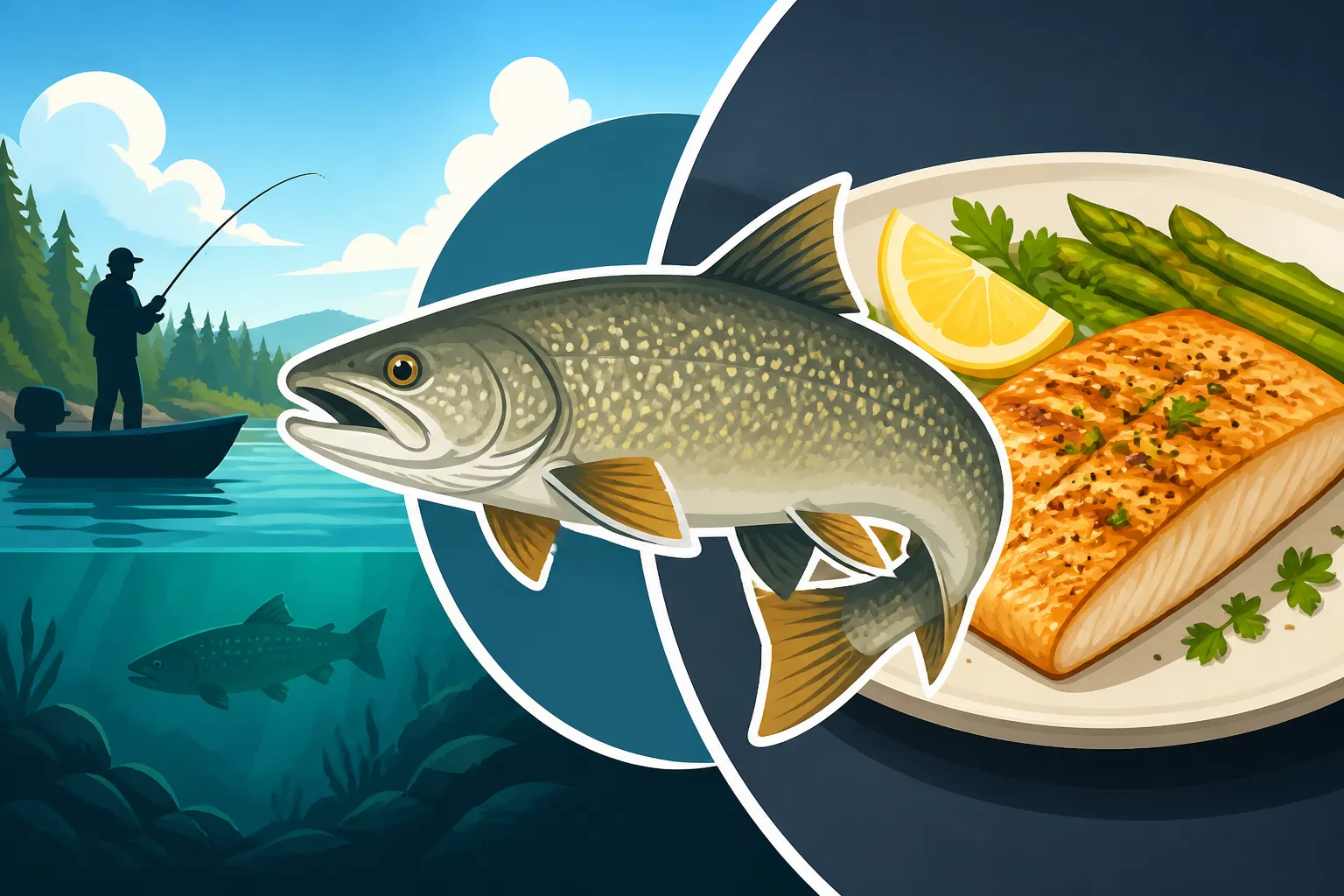
When you bite into a well-prepared lake trout, you're generally met with a rich, full-bodied flavour that is distinctly "fishy" but in a pleasant, earthy way, not an overpowering, muddy one. It's often described as robust, with a slightly sweet undertone. The flesh itself is typically firm and flaky, with a beautiful colour range from pale white or pinkish to a vibrant orange-red, much like a salmon. This colour often indicates its diet and fat content, which directly impacts flavour.
Many anglers find that younger, smaller lake trout tend to have a milder flavour and a firmer, more delicate texture. As they grow older and larger, their fat content can increase significantly, making their flesh richer and more pronounced in flavour. This higher fat content is what makes them so desirable for smoking, as the fat keeps the meat moist and absorbs the smoky notes beautifully. If you've only ever tried smaller pan-fried trout from a stream, the experience of a larger lake trout can be quite a revelation. It’s definitely a different beast than, say, a delicate yellow perch from Lake Simcoe.
Cooking Versatility
Lake trout is an incredibly versatile fish in the kitchen, which is one of its biggest advantages. Its firm texture holds up well to a variety of cooking methods, and its rich flavour can stand on its own or be complemented by a range of seasonings and accompaniments. You can bake it whole or in fillets, grill it over an open flame, pan-fry it with a light crust, or even slow-cook it into a flavourful stew. The key is often to not overcook it, as with most fish, to preserve its natural moisture and texture.
For those who appreciate the robust character of lake trout, smoking is a particularly popular method. The higher fat content of larger fish means they handle the smoking process exceptionally well, resulting in tender, incredibly flavourful meat that's perfect for appetizers, sandwiches, or even just flaked over a salad. Another fantastic option, especially for fresher, smaller fish, is to simply pan-sear the fillets until the skin is crispy and the flesh is just cooked through. A squeeze of lemon and a sprinkle of fresh herbs are often all you need to highlight its natural goodness. You might even find some specialized fish spatulas on Amazon that make flipping delicate fillets a breeze.
Factors Influencing Taste and Quality
It’s easy to say "lake trout is good to eat," but that statement comes with a few unspoken asterisks. Just like fine wine is influenced by its terroir, a fish's flavour is heavily shaped by its environment and how it's treated after the catch. Paying attention to these details can be the difference between a memorable meal and a bland one.
Water Quality and Habitat
This is perhaps the single biggest determinant of a lake trout's taste. Lake trout thrive in cold, deep, clear, oxygen-rich waters, and these are precisely the environments that produce the best-tasting fish. Think of the pristine, vast lakes of Northern Ontario or the deeper sections of the Great Lakes. Fish from these habitats tend to have cleaner, purer flavours because the water itself is clean. They're not exposed to the same types of sediments or warmer temperatures that can sometimes lead to a "muddy" or "off" flavour in fish from shallower, warmer, or more turbid waters.
If you're fishing in a lake known for exceptionally cold, clean water, you're already starting with an advantage. Conversely, if you find yourself fishing in a lake that's a bit warmer or has noticeable algae blooms, the fish might have a slightly different, perhaps less desirable, flavour profile. This isn't to say they're inedible, but managing your expectations based on the fish's environment is wise. Consider exploring areas designated as Ontario Catch and Release Only Waters or Ontario Aurora Trout Rotational Lake Closures as these pristine environments are often indicative of high water quality, even if you can't harvest from them.
Diet and Size
What a lake trout eats directly influences its flesh colour, fat content, and ultimately, its flavour. Lake trout are apex predators, and their diet can vary widely depending on the forage available in their specific lake. In many Ontario lakes, they primarily feed on smaller baitfish like cisco (lake herring), smelt, and sculpin. A diet rich in these fatty, nutrient-dense fish will result in a lake trout with a higher fat content and often a deeper, richer, orange-red flesh colour, similar to salmon. This is because the pigments in their prey's diet are transferred to the trout's flesh.
Conversely, lake trout that feed more on invertebrates or less fatty fish might have paler flesh and a milder flavour. The size of the fish also plays a role. Smaller, younger lake trout (often referred to as "pan-sized" or "eaters") generally have a more delicate texture and milder flavour profile, with less accumulated fat. Larger, older fish, while impressive, can sometimes develop a more pronounced, stronger flavour and accumulate more fat, which some people absolutely love, especially for smoking. It’s a bit like comparing a young spring lamb to an older, more robust mutton – both good, but different. Understanding these nuances helps you decide what size fish to keep for what culinary purpose.
Proper Handling from Catch to Cooler
Even the finest lake trout from the most pristine waters can be ruined by poor handling. This step is critical for preserving the quality and flavour of your catch. The moment a fish is caught, its muscles begin to degrade, and if not handled correctly, off-flavours can develop very quickly.
Here’s the golden rule: bleed your fish immediately, and get it on ice. Bleeding involves making a cut to sever the main arteries (usually near the gills) and allowing the blood to drain. This removes blood from the flesh, which can otherwise contribute to a strong, metallic, or "fishy" taste. After bleeding, plunge your trout into a cooler filled with plenty of ice. Not just a few cubes, but a generous amount of ice that surrounds the entire fish. This rapidly chills the fish, slowing down bacterial growth and enzymatic degradation, which are the primary culprits behind spoilage and poor flavour. If you're on a multi-day trip, ensuring you have enough ice and a good quality cooler is paramount. You can find some excellent marine-grade coolers, designed for serious anglers, readily available on Amazon. Remember, a well-cared-for fish is a delicious fish.
Preparing Your Lake Trout for the Plate
So you've caught your beautiful Ontario lake trout, and you've handled it with care. Now comes the exciting part: turning it into a fantastic meal! Preparation is key, and a little knowledge goes a long way in ensuring your efforts in the field translate to success in the kitchen.
Cleaning and Filleting Tips
Cleaning and filleting a lake trout is similar to many other fish, but a few specific tips can help you maximize your yield and ensure clean, boneless fillets. First, make sure you have a sharp, flexible filleting knife. This is non-negotiable for clean cuts.
- Scaling (Optional): Many people remove the skin, but if you plan to cook with the skin on (like pan-frying for crispy skin), you'll want to scale the fish first. Use a scaler or the back of your knife to scrape against the grain of the scales under running water.
- Gutting: Make a shallow cut from the vent (anus) up to the jaw, being careful not to puncture the internal organs. Scoop out all the guts, and then scrape away the kidney line along the backbone (it looks like a dark red streak). Rinse the cavity thoroughly.
- Filleting: Lay the fish on its side. Make a cut behind the pectoral fin, down to the backbone. Turn your knife flat and run it along the backbone, from head to tail, to separate the fillet. Repeat on the other side.
- Rib Bones: Most fillets will still have rib bones. You can either carefully cut them out with your knife, or use a pair of fish pliers to pull them out individually. For larger trout, the latter is often easier.
- Skinning: If you want skinless fillets, lay the fillet skin-side down. Hold the tail end firmly, and with your knife almost flat against the cutting board, slice between the skin and the flesh, working your way to the other end.
Remember to keep your knife sharp and work slowly and deliberately. If you're new to filleting, there are countless instructional videos online that can show you the technique in detail. Practice makes perfect, and soon you'll be filleting like a pro, making your Lake Trout Fishing in Ontario trips even more rewarding.
Favorite Cooking Methods and Recipes
The beauty of lake trout is its adaptability. Here are a few popular ways to prepare it, highlighting its natural flavour:
- Baking: This is a fantastic, hands-off method, especially for larger fillets or even a whole, gutted fish. Rub the fish with olive oil, sprinkle with salt, pepper, and your favourite herbs (dill and lemon are classic pairings). You can stuff the cavity of a whole fish with lemon slices and fresh herbs. Bake at a moderate temperature (around 375°F or 190°C) until the flesh is opaque and flakes easily with a fork. This method is excellent for preserving moisture.
- Grilling: For that lovely smoky char, grilling is a winner. Thicker fillets or steaks work best to prevent drying out. Marinate for a short period (30 minutes to an hour) in a simple mixture of olive oil, lemon juice, garlic, and herbs. Place skin-side down first on a medium-hot grill and cook until nicely marked, then flip. The high fat content helps prevent sticking and keeps the fish moist.
- Pan-Frying/Searing: Perfect for smaller, thinner fillets, especially if you want crispy skin. Lightly dust fillets with seasoned flour or cornmeal. Heat a cast iron pan with a bit of oil or butter over medium-high heat. Place fish skin-side down and cook until the skin is golden and crisp, then flip and cook briefly on the other side until just cooked through. This quick method locks in flavour.
- Smoking: As mentioned, lake trout is exceptional when smoked. If you have a smoker, consider a simple brine (salt, sugar, water) for a few hours, then cold or hot smoke until tender and infused with that delicious smoky flavour. This is particularly good for the fattier, larger fish. You can even find specialized brining buckets on Amazon to make the process easier.
- Foil Packet Cooking: This is a great, mess-free option, especially when camping or if you want to infuse a lot of flavour. Place a fillet on foil, add sliced vegetables (onions, bell peppers), a pat of butter, lemon slices, and herbs. Seal the packet tightly and bake or grill until cooked. The fish steams in its own juices, keeping it incredibly moist.
No matter your chosen method, always aim to cook fish until it's just opaque and flakes easily. Overcooked fish, especially lean varieties, can become dry and unappetizing. With lake trout, its fat content offers a bit more forgiveness, but precise cooking is still a virtue.
Navigating Consumption Advisories and Health Concerns
While lake trout can be a fantastic meal, it's incredibly important to be aware of potential health considerations, particularly concerning contaminants. Ontario is diligent about monitoring its waters, and smart anglers know to check local advisories to ensure safe consumption.
Mercury and Other Contaminants
Like many predatory fish at the top of the food chain, lake trout can accumulate contaminants, most notably mercury, but also PCBs (polychlorinated biphenyls) and dioxins. These substances can build up in a fish's tissues over its lifetime. The general rule of thumb is that larger, older fish tend to have higher levels of these contaminants because they've had more time to accumulate them and have consumed more prey that also contain these substances. Smaller, younger fish typically have much lower levels.
For most healthy adults, consuming fish with typical levels of these contaminants in moderation isn't usually a major concern. However, for vulnerable populations such as pregnant women, women who may become pregnant, nursing mothers, and young children, health authorities often recommend limiting or avoiding consumption of certain fish species or sizes. It's not about making you afraid to eat your catch, but rather empowering you to make informed choices for your family's health.
Checking Local Advisories
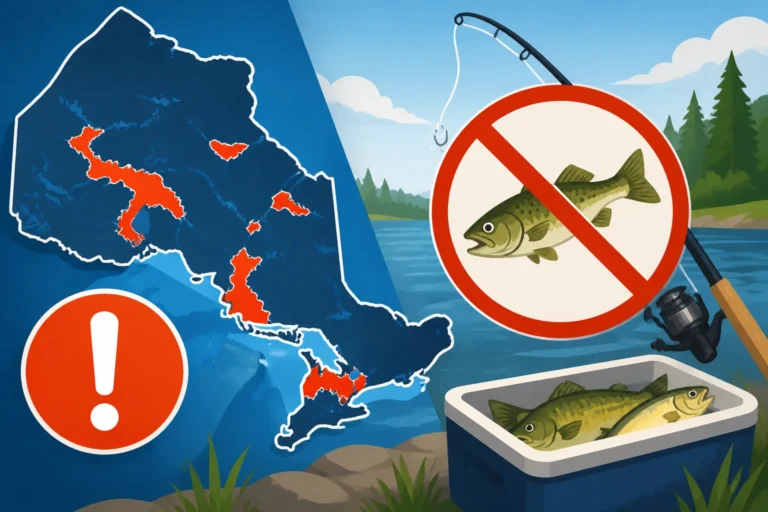
This is the most critical piece of advice when it comes to safely eating any fish from Ontario waters, including lake trout. The Ontario Ministry of the Environment, Conservation and Parks (MECP), in conjunction with Health Canada, publishes "Guide to Eating Ontario Fish" advisories. These guides are indispensable. They provide specific consumption limits for various fish species and sizes, broken down by individual lake or body of water.
These advisories are based on scientific sampling and take into account the unique conditions of each waterway. For example, the recommendations for eating lake trout from a remote, pristine Northern Ontario lake might be very different from those for a lake trout caught in certain areas of the Great Lakes or more populated southern waters. Always check the current guide for the specific water body you are fishing. You can usually find these guides online through the provincial government's official website or at local ServiceOntario locations. This small step ensures you're enjoying your hard-earned meal safely and responsibly. Information regarding Ontario Fisheries Management Zones, Explained can often lead you to the specific advisories for that area.
Ultimately, lake trout offers a rich, satisfying meal for many anglers and their families. By understanding its flavour profile, treating it well from the moment it's caught, and being mindful of consumption advisories, you can ensure that your Ontario fishing adventures include delicious, healthy meals too. Tight lines, and happy cooking!
Disclaimer
This article is for general informational purposes only and does not constitute professional advice. Laws, prices and regulations vary by location and change over time. Consult a qualified professional for guidance on your specific situation.