When walleye spawn in Ontario
Every spring, anglers across Ontario feel that familiar itch, counting down the days until they can hit the water for walleye. But understanding when walleye actually spawn in Ontario is about more than just knowing the season opener; it's about appreciating their life cycle, respecting their crucial reproductive period, and being a more informed and ethical angler. This guide will walk you through the typical walleye spawning windows, the environmental signals that kickstart this annual event, and what you need to keep in mind as you plan your spring fishing adventures.
The Annual Rite: Understanding Walleye Spawning in Ontario
The walleye spawn is one of nature's most impressive spring events, driven by instinct and environmental cues. For us anglers, it's a period that dictates not only when we can legally fish for these coveted game fish but also how they behave. Getting a grip on the walleye spawn means you'll have a better understanding of where they might be, what they might be doing, and ultimately, how to approach them ethically.
The Typical Spawning Window: A General Timeline
Generally speaking, walleye in Ontario begin their spawning ritual in the late March to early May timeframe. This isn't a hard and fast date, of course. Mother Nature calls the shots, and her timing can shift from year to year based on weather patterns, ice-out, and water conditions. Think of it as a broad window rather than a specific week.
In Southern Ontario, where the ice often melts earlier and the waters warm up quicker, the spawn can kick off in late March or very early April. As you move north, into Central and especially Northern Ontario, the lakes stay locked in ice much longer, pushing the spawn later into April and even into the first couple of weeks of May. It’s a progression, almost like a wave rolling north across the province, with each region seeing its local walleye population heed the call when conditions are just right. This is why it's so critical to understand Ontario Fishing Season Dates by Zone for your specific area.
Why Understanding the Spawn Matters to Anglers
Knowing when walleye spawn is more than just trivia; it's fundamental to both successful and responsible fishing. During the spawn, walleye exhibit very different behaviours than they do during other times of the year. They become singularly focused on reproduction, often congregating in specific, vulnerable areas.
For conservation, understanding this timing is paramount. Many fisheries management zones implement closed seasons or specific regulations during and immediately after the spawn to protect these fish when they are most susceptible. Fishing directly on spawning beds can disrupt the reproductive cycle, reduce successful hatches, and ultimately harm future walleye populations. Even when the season is open, being mindful of where fish are likely to be spawning allows you to make informed decisions and avoid undue stress on the fish. It ties directly into the larger picture of Ontario Fishing Regulations Explained and ensuring the health of our fisheries for generations to come.
Nature's Cues: Key Factors Triggering the Walleye Spawn
Walleye don't look at a calendar to decide when to spawn. Instead, they rely on a symphony of environmental signals, with water temperature playing the lead role. But it's not the only factor. Ice cover, current, and even the type of water body all contribute to the precise timing of this annual event.
Water Temperature: The Prime Driver
The single most critical factor that triggers the walleye spawn is water temperature. Walleye are "cool water" spawners, meaning they prefer specific temperature ranges for successful reproduction. They typically begin to move towards spawning areas when water temperatures reach around 4°C (39°F) and actively spawn when temperatures are between 6°C and 12°C (43°F and 54°F). The sweet spot, where most intense spawning activity occurs, is often cited as being in the 7°C to 9°C (45°F to 48°F) range.
Think about it this way: as the ice recedes and the spring sun warms the shallower waters, the walleye, whose metabolism is directly tied to water temperature, sense this change. They’ll stage in slightly deeper areas nearby, waiting for that thermal trigger to move onto the spawning grounds. This is why early spring can be so variable for anglers; a sudden cold snap can halt the spawn, while a prolonged warm spell can push it forward. A good quality fishing thermometer, readily available through retailers like Amazon, can be an invaluable tool for tracking these critical temperature shifts.
Ice-Out and Water Levels
Closely tied to water temperature is the ice-out on lakes and water levels in rivers. In many northern and central Ontario lakes, walleye simply can't spawn until the ice has completely cleared from their preferred shallow, rocky areas. A late ice-out year will inevitably mean a later spawn. Conversely, an early ice-out, combined with sustained warm weather, will bring the spawn on earlier.
For river-spawning walleye, water levels and flow are incredibly important. High, turbulent water from spring melt can sometimes delay or complicate spawning, as fish need relatively stable conditions to deposit their eggs successfully on gravel and rock bottoms. Rivers like the French River or tributaries of Georgian Bay, known for their walleye populations, are often highly sensitive to these spring run-off conditions.
Location, Location, Location: Spawning Habitats
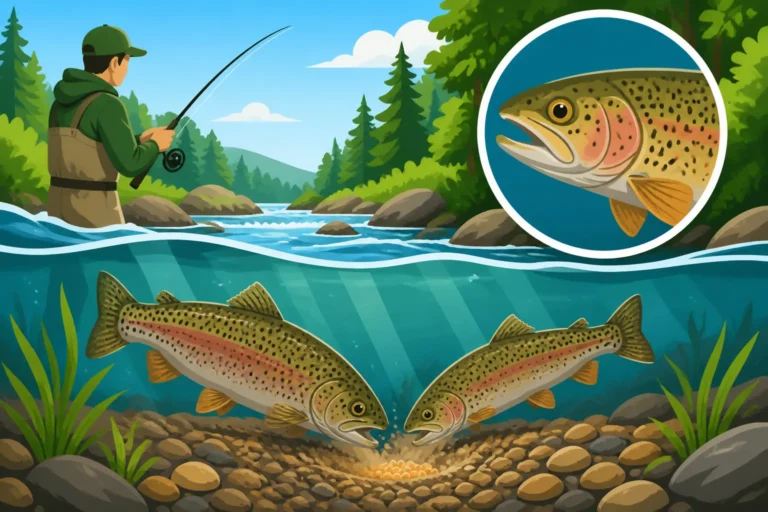
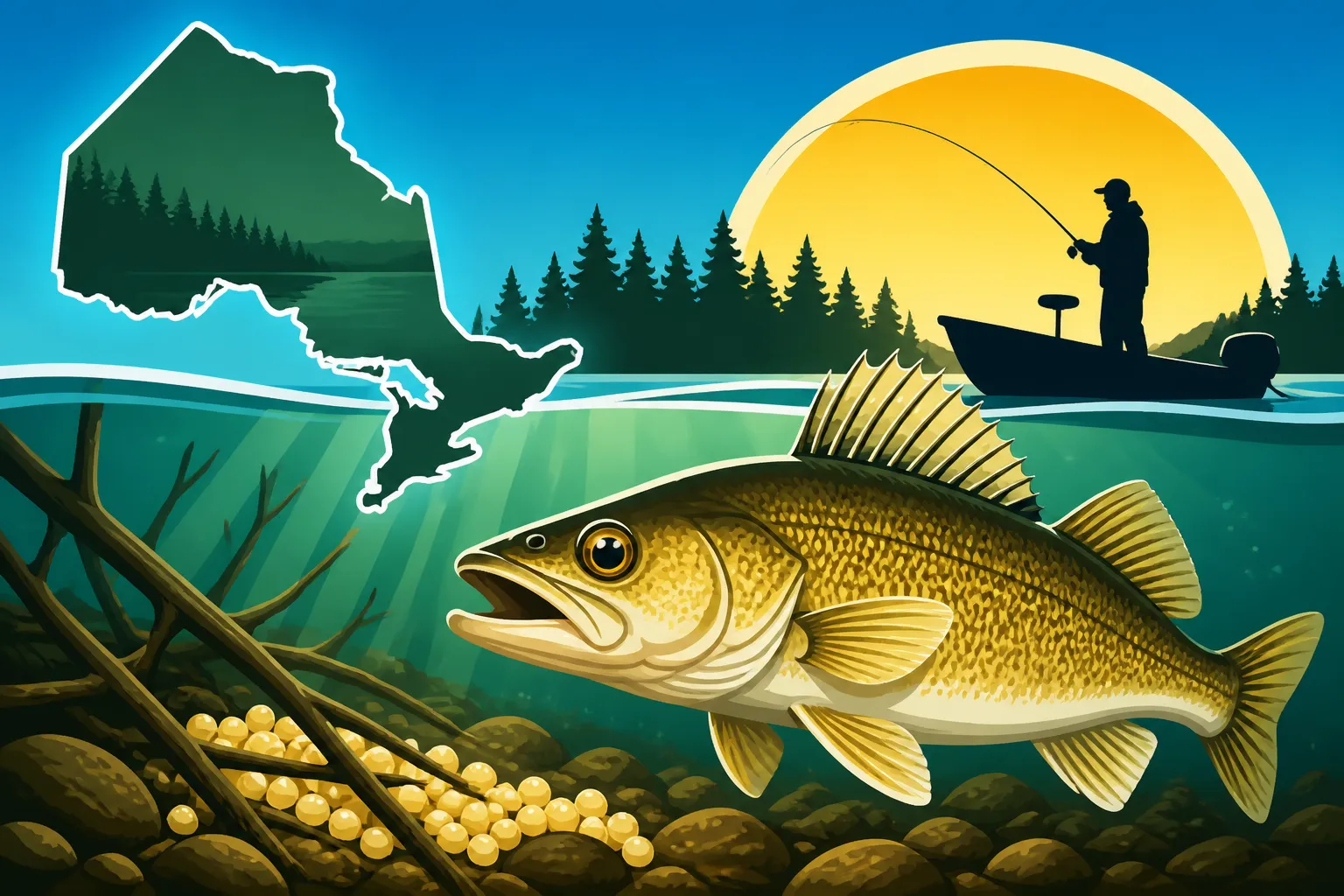
Walleye are quite particular about where they lay their eggs. They are broadcast spawners, meaning they don't build nests but rather scatter their eggs over specific types of substrate. Their preferred spawning grounds are:
- Rocky Shoals and Reefs: Especially in lakes, walleye will seek out shallow (often 1-3 feet deep, but sometimes deeper in large, clear lakes), wind-swept rocky areas where currents or wave action will keep their non-adhesive eggs clean and oxygenated, preventing them from suffocating in silt.
- River Rapids and Gravel Runs: In rivers, they migrate upstream to areas of clean gravel, rubble, or bedrock, often just below rapids or in stretches with good current. The current helps distribute the eggs and keeps them aerated.
- Shallow Bays with Hard Bottoms: Sometimes, in certain lakes, shallow bays with hard, rocky, or gravel bottoms can serve as spawning areas, particularly if there's some water movement.
These areas provide the necessary substrate and water flow for the eggs to develop. Once laid, the eggs typically hatch in 10-21 days, depending heavily on the prevailing water temperatures. Warmer water means a faster hatch, but also potentially more vulnerability to predation or environmental fluctuations. Knowing these prime locations can help you understand the dynamics of Walleye Spawning Season in Ontario even if you are not actively targeting them during the spawn.
Respecting the Cycle: Fishing Considerations During the Spawning Period
As anglers, we have a responsibility to understand and respect the walleye's reproductive cycle. While the urge to hit the water for that first taste of spring walleye is strong, it's crucial to align our passion with sound conservation practices and local regulations.
Navigating Closed Seasons and Regulations
Perhaps the most important consideration is the closed season. Across Ontario, specific dates are set for when walleye fishing is prohibited in various Fisheries Management Zones (FMZs). These closures are designed to protect walleye during their most vulnerable period – the actual act of spawning and immediately afterward. During this time, the fish are concentrated, often aggressive, and highly susceptible to capture.
It's absolutely vital to consult the current Ontario Walleye Opener Dates by Zone for the specific body of water you intend to fish. These dates can vary significantly even between nearby lakes or rivers, reflecting the local spawning timing and unique characteristics of each fishery. Failing to observe these closed seasons can result in significant fines and penalties, not to mention the damage it does to the walleye population. Always have your Reading the Ontario Fishing Regulations Summary handy, whether a physical copy or the digital version on your phone, to ensure you're compliant.
Ethical Angling During Pre-Spawn and Post-Spawn
Even when the season is open, understanding the spawn can guide your ethical approach.
Pre-Spawn Period: The Feeding Frenzy
Before the actual spawning begins, as walleye congregate and prepare for the energy-intensive process, they often enter a "pre-spawn" feeding frenzy. This is a fantastic time to target them, as they are actively gorging on baitfish and other forage to build up their reserves. They'll typically be found in transition areas – deeper channels, points, and drop-offs leading into the shallower spawning grounds.
During this pre-spawn phase, they're often aggressive and will hit a variety of baits. Vertical jigging with minnow-imitating baits, trolling crankbaits along contours, or even casting swimbaits can be highly effective. The key here is that they haven't moved onto the shallow, sensitive spawning beds yet, so targeting them in these staging areas is generally considered more ethical. For ideas on what works best, you might want to explore resources like Spring Walleye Fishing Techniques for Ontario or specific recommendations like Best Baits for Walleye on Lake Erie.
Post-Spawn Recovery: Fragile But Feeding
Immediately after spawning, walleye are often exhausted and in a recovery phase. The males, who typically remain on the spawning grounds longer, are usually the first to recover and start feeding again, often quite aggressively to replenish lost energy. The females, having expended massive amounts of energy laying eggs, often retreat to slightly deeper water to rest and recover before resuming more active feeding.
Fishing during this post-spawn period requires a delicate touch. While fish are hungry, they can be more finicky or sluggish. Targeting them slightly deeper, near structure where they can rest and ambush prey, is a good strategy. They'll be looking for easy meals, so presentation can be key. For example, a slow-retrieved soft plastic or a subtle jig might tempt a recovering walleye. This is also a time to consider catch-and-release, especially for larger females, allowing them to fully recover and contribute to future spawns. Understanding What walleye eat in Ontario lakes during this period can help you select the right presentation.
Table: General Walleye Spawning Parameters in Ontario
Here's a quick overview of typical walleye spawning parameters across Ontario, keeping in mind that local variations are always at play.
| Region | Typical Spawning Window | Preferred Water Temp (Celsius) | Preferred Water Temp (Fahrenheit) | Common Spawning Habitat |
|---|---|---|---|---|
| Southern Ontario | Late March – Mid-April | 6°C – 9°C | 43°F – 48°F | Shallow rocky shoals, river rapids |
| Central Ontario | Mid-April – Early May | 7°C – 10°C | 45°F – 50°F | Rocky reefs, current areas |
| Northern Ontario | Late April – Mid-May | 7°C – 12°C | 45°F – 54°F | Shallow rocky points, river mouths |
| Optimal Temperature | N/A | 7°C – 9°C | 45°F – 48°F | Varies by specific waterbody |
Remember, these are general guidelines. Always double-check specific regulations for your chosen Ontario Fisheries Management Zones, Explained and the particular body of water you're fishing.
Gear and Technique Considerations
When fishing during the pre- and post-spawn periods, your gear choices can make a difference. Early spring waters are often cold and clear, so light fluorocarbon leaders can be beneficial for spooky fish. A sensitive rod helps detect subtle bites. For those targeting walleye, having a selection of jigs, crankbaits, and soft plastics that mimic baitfish is usually a good start. Many anglers find great deals on these essential items, including specialized jig heads and temperature gauges, on platforms like Amazon.
Also, consider the time of day. While walleye can be caught throughout the day, they often become more active during low light conditions, such as dawn and dusk, even outside of spawning. During the spawn itself, much of the activity is nocturnal. Therefore, knowing the Best Time of Day to Catch Walleye can still be very valuable, especially in the periods immediately surrounding the actual spawning event. If you're looking to really dive deep into techniques, our comprehensive guide on How to Catch Walleye in Ontario is an excellent resource.
In essence, understanding when walleye spawn in Ontario empowers you to be a more knowledgeable and responsible angler. It helps you anticipate their movements, respect their natural rhythms, and ultimately contribute to the health and abundance of this incredible fishery. So, as you gear up for spring, take a moment to consider the vital role of the spawn in the walleye's annual cycle – it'll make your time on the water even more rewarding.
Disclaimer
This article is for general informational purposes only and does not constitute professional advice. Laws, prices and regulations vary by location and change over time. Consult a qualified professional for guidance on your specific situation.