Best landing net mesh for catch and release
There’s nothing quite like the thrill of reeling in a beautiful fish in Ontario, whether it's a feisty smallmouth or a massive lake trout. But if you’re committed to catch and release, which many of us are to preserve our incredible fisheries, you know that the moment a fish hits the net can be just as critical as the fight itself. Far too often, anglers inadvertently cause harm to their prized catch with the wrong kind of landing net mesh, turning a responsible release into a struggle for the fish. This guide is all about helping you pick the perfect landing net mesh so your catch swims away strong and healthy, ready to fight another day.
Why Your Landing Net's Mesh Matters for Catch and Release
When we talk about responsible angling, the conversation often revolves around proper hook removal, fight time, and handling practices. But the moment a fish slides into your net is just as crucial. The type of mesh you use can significantly impact the fish's chances of survival after release. It's not just about getting the fish into the boat or onto the shore; it's about minimizing stress and injury.
The Damage Traditional Mesh Can Cause
Think back to those old-school knotted nylon nets. You know the ones – they’re cheap, effective at scooping up a fish, but they can be absolutely brutal on a delicate creature. The rigid knots in these meshes can abrade a fish's scales, scrape off its protective slime coat, and even cause serious fin and gill damage. Imagine trying to pull a fish out of a thorny bush; that’s essentially what a knotted net feels like to them. This kind of damage isn't just cosmetic; it opens the door to infection, disease, and can severely compromise the fish's ability to survive once released. No one wants to send a fish back to the water knowing it's been needlessly injured, especially if you're targeting those big, healthy specimens that contribute so much to our fishing ecosystem.
Understanding the "Slime Coat" and Its Importance
Let's dive a little deeper into that "slime coat" I just mentioned. It might sound a bit gross, but it's actually a fish's first line of defense, a natural, mucous barrier that covers its entire body. This incredibly important layer protects the fish from bacteria, parasites, and fungi in the water. It also helps with osmoregulation, which is how a fish maintains the balance of salt and water in its body – a pretty big deal for an aquatic creature! When a rough net strips away this slime coat, it’s like taking off a person's skin. The fish becomes vulnerable to every pathogen in the water, and its energy is diverted to repairing the damage instead of recovering from the fight and reproducing. So, preserving that slime coat isn't just a nicety; it's absolutely vital for the fish's long-term health and survival. This is why paying attention to the mesh material is non-negotiable for serious catch and release anglers.
Types of Landing Net Mesh for Catch and Release
Alright, so we know why the mesh matters. Now let's explore the different types of mesh available and how they stack up for catch and release. The good news is that manufacturers have come a long way from those abrasive knotted nets, offering much better options for the conscientious angler.
Rubber Coated (Nylon/Polyester) Mesh
This type of mesh is a fantastic step up from traditional knotted nylon. It's essentially a nylon or polyester net that has been coated with a layer of rubber. This coating makes the mesh much smoother, reducing the abrasive effect on a fish's delicate scales and slime coat. The rubber coating also helps prevent hooks from getting hopelessly tangled, which is a huge bonus when you're trying to release a fish quickly and efficiently. We've all been there, battling a treble hook caught deep in the net while a fish thrashes. A rubber-coated net significantly cuts down on that frustration, meaning less handling time for the fish and a smoother release for you. Many reputable fishing gear retailers, like Bass Pro Shops, offer a wide range of nets with this type of mesh, making them quite accessible for most anglers. While not quite as gentle as full rubber, they strike a great balance between affordability and fish protection.
| Mesh Type | Abrasion on Fish Slime Coat | Hook Tangling | Durability (Mesh) | Weight | Cost (Relative) |
|---|---|---|---|---|---|
| Traditional Knotted Nylon | High | Very High | Moderate | Light | Low |
| Knotless Nylon | Moderate | High | Moderate | Light | Low |
| Rubber Coated (Nylon/Poly) | Low | Low-Moderate | Good | Moderate | Moderate |
| True Rubber/Silicone (Clear) | Very Low | Very Low | Excellent | Heavy | High |
Knotless Mesh (Nylon/Polyester)
Knotless mesh represents another improvement over those old, traditional knotted nets, and it's quite common to find. Instead of individual knots forming the squares, the strands are woven or heat-sealed together to create a smooth, continuous surface. This design inherently reduces some of the abrasive points that are so damaging to fish. You'll often find these types of nets advertised as "fish-friendly," and they certainly are friendlier than their knotted cousins. However, not all knotless meshes are created equal. Some can still be a bit stiff or have smaller openings that don't allow for quick water drainage, which can put stress on a fish in the net. While generally a decent option, especially if you're upgrading from a truly old net, they still carry a higher risk of slime coat removal and tangling compared to rubberized options. You can easily find these types of nets through various online retailers like Amazon, often at a very reasonable price point, which makes them a popular choice for budget-conscious anglers.
True Rubber/Silicone Mesh (Clear or Colored)
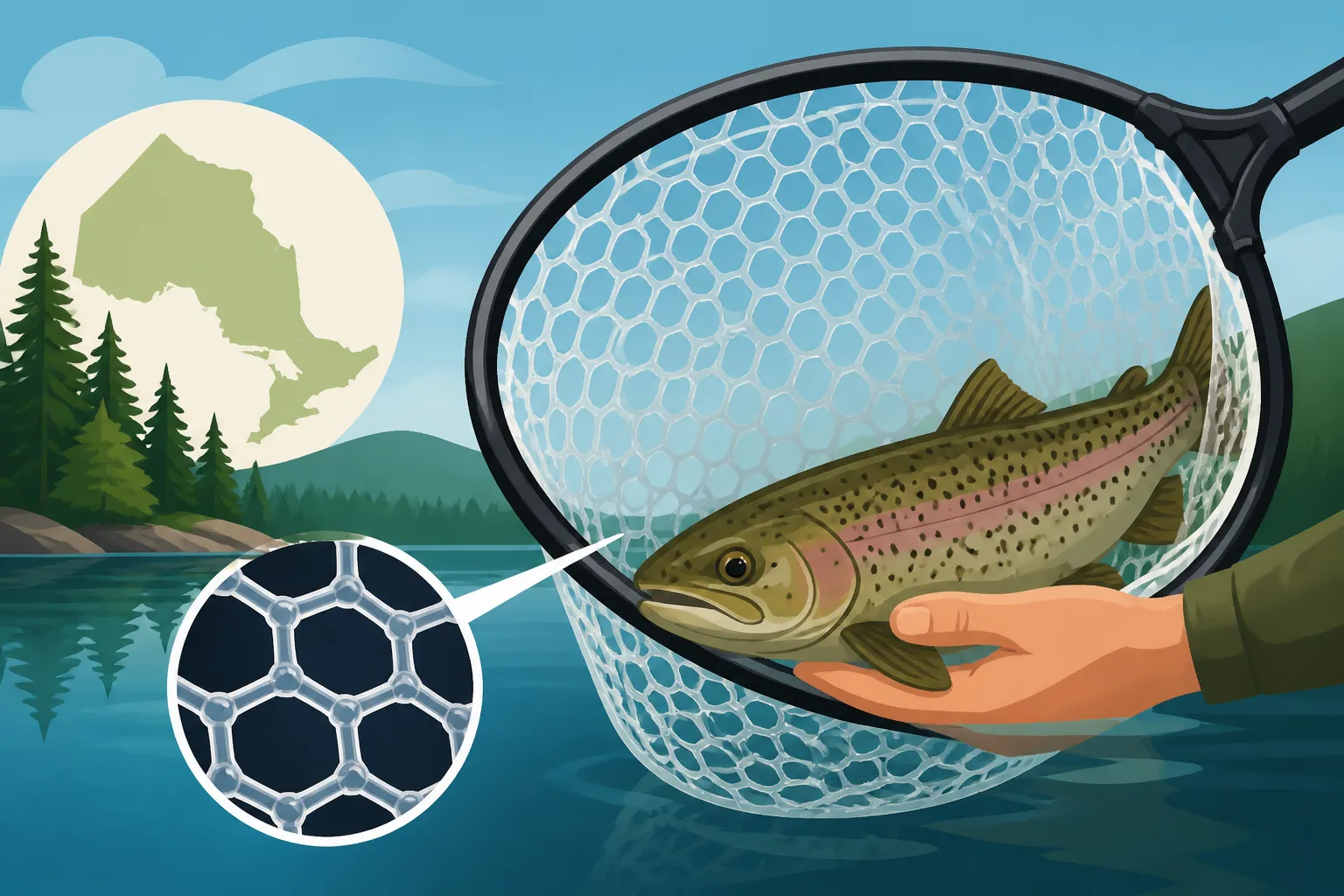
Now, if you are truly dedicated to catch and release and want the absolute best for the fish, a true rubber or silicone mesh net is the gold standard. These nets are made entirely of a soft, pliant rubber or silicone material, with no fabric core. The benefits are numerous: they are incredibly gentle on a fish's slime coat, scales, and fins because the material is naturally smooth and soft. Hooks almost never snag in rubber mesh, which is a huge time-saver and stress reducer for both you and the fish during release. Plus, they are super easy to clean; a quick rinse often removes any slime or debris. While they tend to be heavier and can feel a bit bulkier in the water compared to fabric nets, and often come with a higher price tag, the investment is well worth it for the health and safety of your catch. For anyone pursuing trophy fish or species particularly sensitive to handling, this is really the only way to go. These nets are fantastic for delicate fish like brook trout, but equally indispensable for toothy species where hook management is key.
Choosing the Right Mesh for Your Target Species and Fishing Style
Selecting the perfect landing net mesh isn't a one-size-fits-all situation. What works wonderfully for a panfish might be entirely inadequate for a hefty muskie. Your choice should always be informed by the species you're pursuing and the way you plan to fish. Different fish have different vulnerabilities, and your net should be chosen to protect them specifically.
Panfish and Smaller Trout
When you're chasing panfish like crappie or bluegill, or delicate species such as brook trout and rainbow trout in Ontario's many beautiful streams and lakes, their small size and fragile nature demand the gentlest touch. These fish have very thin scales and easily damaged slime coats. For these species, a fine, soft mesh is paramount. A true rubber or silicone mesh with smaller holes is ideal, as it provides maximum protection against abrasion and helps cradle the fish securely without any sharp points. If a rubber net isn't in your budget, a high-quality, knotless, rubber-coated mesh with a very smooth finish would be the next best option. Avoid anything with stiff knots or large, abrasive strands, as even a brief moment in such a net can cause significant trauma to these smaller, more vulnerable fish. Remember, even a little bit of damage to a panfish can prevent it from thriving, and we want healthy populations for everyone to enjoy. For more on trout, check out our guide on Brook Trout in Ontario's Crown Land Lakes.
Walleye, Bass, and Pike
Moving up the size and toothiness scale, we get to popular sport fish like walleye, smallmouth bass, largemouth bass, and northern pike. These species are generally more robust than panfish or trout, but they still require careful handling. The biggest concern here often isn't just slime coat damage, but also hook tangles. Walleye and pike, in particular, have sharp teeth and often strike hard, resulting in hooks that can become deeply embedded in a net's mesh. This leads to frustrating delays in release, increasing stress on the fish. For Walleye Fishing in Ontario or Northern Pike Fishing in Ontario, a rubber-coated net or a true rubber net is an excellent choice. The rubber material drastically reduces hook snagging, allowing for quick and clean hook removal. For Smallmouth Bass Fishing in Ontario, where treble hooks on crankbaits are common, the same principle applies. A larger mesh size within the rubber or rubber-coated category can also be beneficial, allowing for better water flow and reducing drag on the fish as you bring it in. The goal is a quick, efficient, and damage-free landing and release.
Muskie and Lake Trout
Ah, the giants! Targeting muskellunge and lake trout in Ontario is often about chasing a fish of a lifetime. These are often large, powerful fish that put up incredible fights, and they are notoriously sensitive to handling. For these magnificent creatures, a net with a deep, wide, true rubber or large-holed rubber-coated mesh is an absolute must. The depth of the net is crucial to allow the fish to be fully submerged and contained, preventing it from thrashing out and injuring itself on the boat or shore. The large mesh size, particularly in a rubber material, minimizes water resistance when scooping, which is important for such heavy fish. Most importantly, it reduces the risk of scale damage and protects that vital slime coat. Given the size and power of these fish, getting hooks out efficiently and safely is also critical, and rubber excels here. A quality muskie net is a serious piece of equipment, often quite large, but it's an investment in the future of our trophy fisheries. When you're dealing with a majestic fish like a muskie, ensuring its safe release is paramount. Check out Muskellunge Fishing in Ontario and Lake Trout Fishing in Ontario for more on these incredible species.
Beyond the Mesh: Other Net Features for Fish Care
While the mesh itself is arguably the most critical component for catch and release, other features of a landing net can significantly contribute to effective and ethical fish handling. Think of these as the supporting cast that ensures the star (the mesh) performs its best. Overlooking these aspects can still lead to struggles, even with the perfect mesh.
Net Size and Depth
This goes hand-in-hand with mesh type and target species. A net that’s too small for the fish you’re trying to land is an exercise in futility and a recipe for disaster. The fish will flop out, hit the side of the boat, or exhaust itself trying to escape, increasing stress and potential injury. Always choose a net with a hoop size and depth that is generously proportioned for the largest fish you expect to catch. For a trophy muskie or lake trout, this means a truly massive net, often with an extra-long handle. A deep net allows the fish to be fully engulfed and submerged, keeping it calm and preventing it from flopping. This containment is key to a smooth, safe unhooking and release. Don't cheap out or try to make a smaller net "work" for bigger fish; it's a disservice to both you and the fish.
Handle Length and Material
The handle of your landing net might seem like a minor detail, but its length and material can make a huge difference in practicality and fish handling. For shore fishing or small boats, a shorter, fixed handle might be perfectly adequate. However, if you're fishing from a larger boat, a long, extendable handle becomes almost essential. It allows you to reach out and scoop a fish without leaning precariously over the side, ensuring a quicker, more controlled landing. Handles made from aluminum are common, offering a good balance of strength and lightweight design. Some feature rubberized grips, which are fantastic for maintaining a firm hold, especially when wet or in cold weather, preventing accidental drops that could endanger the fish. Consider the balance between portability and reach – an overly long handle can be cumbersome in tight spaces, but not being able to reach your fish quickly can be just as problematic.
Net Maintenance for Longevity and Fish Health
Even the best landing net won't do its job if it's not properly maintained. After each fishing trip, especially after landing fish, give your net a thorough rinse with fresh water. This removes any fish slime, debris, or even stray scales that could harbour bacteria. If you’ve landed a particularly slimy or smelly fish, a mild soap solution can be used, but ensure you rinse it absolutely thoroughly afterwards to remove all soap residue. Always allow your net to air dry completely before storing it. Storing a damp net, particularly a fabric one, can lead to mildew, rot, and a general unpleasant smell. Beyond cleanliness, regularly inspect your mesh for any tears, fraying, or holes. Even a small tear can allow a fish to poke through, causing injury, or snag a hook. Prompt repairs or replacement will ensure your net is always ready for action and continues to be a safe tool for catch and release. Proper care not only extends the life of your investment but also ensures you're always providing the best possible environment for the fish you cherish.
Disclaimer
This article is for general informational purposes only and does not constitute professional advice. Laws, prices and regulations vary by location and change over time. Consult a qualified professional for guidance on your specific situation.