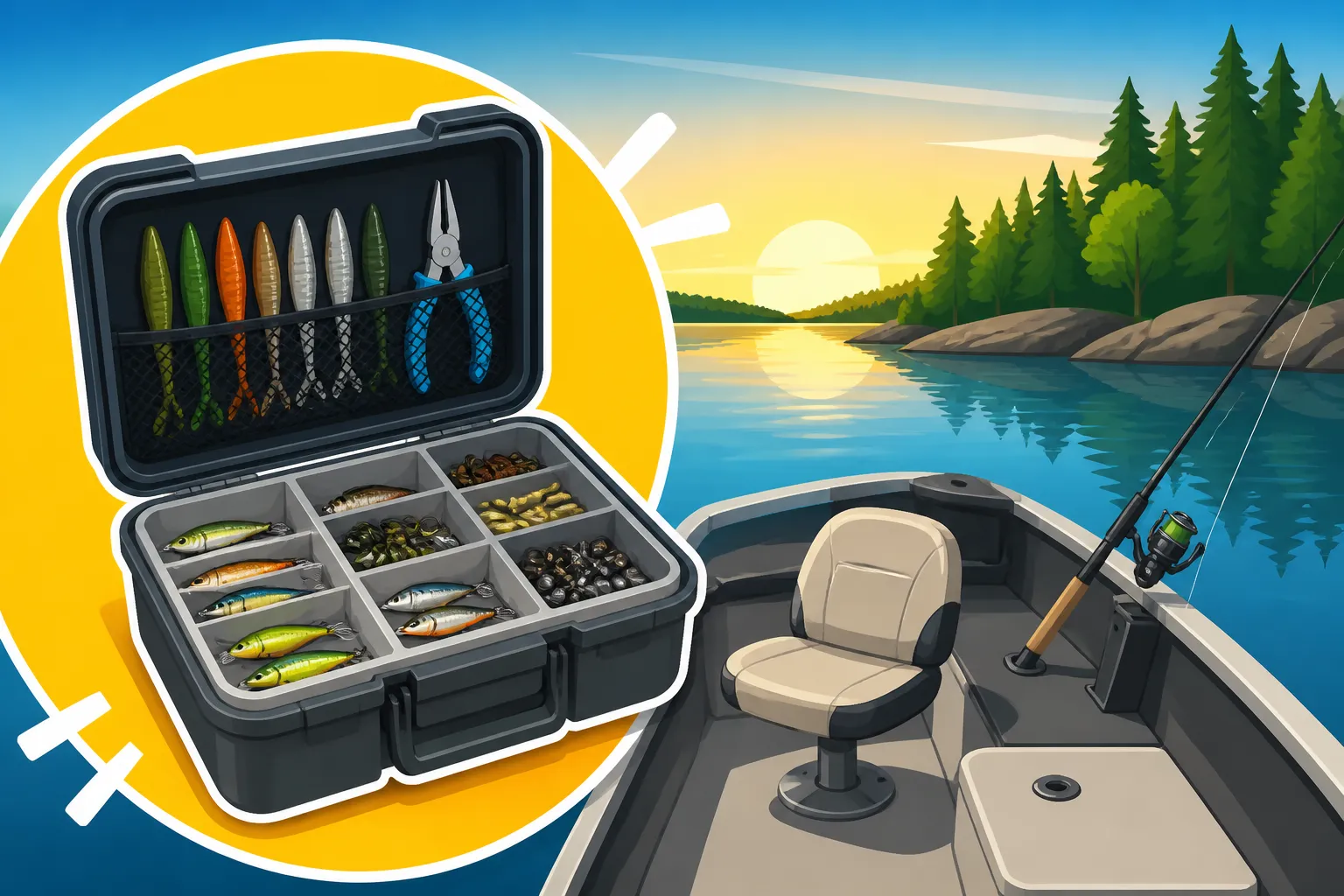
Best tackle organizer for a small boat
There's nothing quite like the freedom of fishing from a small boat, whether it's a nimble jon boat navigating a marshy backwater, a trusty aluminum tiller on a cottage lake, or a kayak silently slipping along a river's edge. But along with that freedom often comes the headache of limited space and gear that constantly seems to get in its own way. If you've ever spent precious fishing time rummaging through a cluttered boat, tangled lines, or fumbling for that perfect lure, you know the frustration is real. This guide is all about helping you reclaim your fishing sanity by finding the best tackle organizer to keep your small boat efficient, safe, and ready for action.
The Unique Challenges of Tackle Organization in a Small Boat
Let's face it, small boats aren't exactly known for their expansive storage compartments. You're working with a compact footprint, often exposed to the elements, and every inch counts. This isn't like a big bass boat with dedicated lockers and integrated systems; this is about making the most of what you have, intelligently.
Think about a typical day on the water in your small craft. You launch from a potentially muddy bank or a rocky public access point. Your boat is jostled by waves, maybe bumped by logs, and splashed by passing boats. If your tackle isn't securely stored, it's a recipe for disaster. Lures go flying, hooks embed themselves into boat carpet or, worse, your leg. Plastic storage boxes slide around, threatening to capsize and spill their contents into the bilge. Then there's the sun beating down on everything, and the occasional unexpected downpour. Your gear needs to withstand these environmental assaults while remaining accessible and organized. It's a delicate balance between protection and practicality, and it's a challenge every small boat angler understands deeply. We often prioritize portability and quick setup, only to realize mid-trip that we've sacrificed critical organization.
Essential Features to Look for in a Small Boat Tackle Organizer
When you're trying to figure out which tackle organizer will truly serve you well in a small boat, it’s not just about how many trays it has. It’s about how it stands up to the rigors of your fishing adventures and integrates with your limited space. You need something that's built for purpose, not just for a shelf in the garage.
One of the absolute first things to consider is durability and construction. Your organizer will take a beating. It will be tossed into the truck, dragged across rocky shorelines, and inevitably stepped on. Look for rugged materials that can handle impacts without cracking or deforming. Thick, marine-grade plastic for hard cases, or heavy-duty, water-resistant denier fabric for soft bags, are key. Think about the latches on hard cases – flimsy plastic clips are a common failure point. Opt for strong, secure latches that won't accidentally pop open if the box tips over. You don't want your meticulously organized tackle spilling out into the bottom of your boat right when you're trying to land a fish. These subtle construction differences make a huge impact on longevity and reliability. Many anglers find durable options at specialized retailers like Bass Pro Shops, where gear is often designed with real-world fishing conditions in mind.
Water resistance or even full waterproofing is another non-negotiable feature. Small boats are inherently wetter environments. A rogue wave, splashing from the livewell, or a sudden rain shower can soak everything in an instant. A good organizer will have tight-fitting lids on hard cases, or sealed zippers and coated fabrics for soft bags, to protect your lures, terminal tackle, and electronics from moisture damage. Rust on hooks and ruined soft plastics can quickly become an expensive problem. Some high-end tackle boxes even feature O-ring seals to create a watertight barrier, which can be a real game-changer if you're frequently fishing in less than ideal conditions or even just dealing with heavy dew on an early morning trip. This protection ensures that when you reach for a specific item, it's in pristine condition and ready to deploy.
Modularity and customizable storage are incredibly helpful in a small boat. Your tackle needs change depending on the species you're targeting or the time of year. Being able to easily swap out utility boxes (like the ubiquitous Plano brand boxes) filled with specific lures for walleye one day, and then switch to smallmouth bass gear the next, keeps you efficient. Look for organizers that come with adjustable dividers or include multiple removable utility boxes. This allows you to tailor your setup without having to bring a dozen different tackle boxes. A system that lets you remove individual smaller containers means you can grab just the essentials for a quick shore excursion or a wade-fishing session without hauling the entire setup.
Finally, consider the footprint and how the organizer interacts with your boat's existing space. Small boats often benefit from organizers that can stack, fit under benches, or even be secured vertically. Think about how easily it can be moved out of the way to make room for a cooler or another passenger. Some soft bags are designed to compress slightly when not completely full, making them more adaptable to awkward spaces. When browsing options, either in person or online through retailers like Amazon, pay attention to the dimensions and imagine them in your specific boat. A compact, intelligently designed organizer can free up a surprising amount of valuable deck space.
Types of Tackle Organizers Best Suited for Small Boats
When it comes to keeping your gear tidy in a smaller vessel, you’ve got a few main categories of organizers to choose from. Each has its own strengths and weaknesses, and the "best" one really depends on your specific boat, fishing style, and the kind of gear you typically carry.
Hard-Sided Tackle Boxes and Systems
These are the classic workhorses of fishing. Hard-sided tackle boxes offer excellent protection against impacts and can often be very water-resistant, especially models with O-ring seals. They typically feature multiple trays that fold out or removable utility boxes. For a small boat, the key here is often portability and a secure closing mechanism. A smaller, compact hard case that can be tucked under a seat or secured against a bulkhead is ideal. Many anglers love the robustness of these boxes; they can stand up to being bumped around, and the rigid construction protects delicate lures and electronics inside. If you’re fishing from a jon boat or a small aluminum skiff, a hard-sided box provides a solid, stable base that won't easily tip over in choppy water. However, they can be a bit bulky and less adaptable to irregular storage spaces compared to their soft-sided counterparts.
Soft-Sided Tackle Bags and Backpacks
Soft-sided bags have gained immense popularity for their versatility and often lighter weight. These bags usually feature a large main compartment designed to hold several clear utility boxes horizontally, along with external pockets for tools, soft plastics, and other accessories. For small boats, a quality tackle bag made from durable, water-resistant fabric with robust zippers is a fantastic choice. They're often more comfortable to carry to and from the boat, and their slightly pliable nature allows them to conform better to tight or unusually shaped storage areas. Some even come with padded shoulder straps, making them excellent for portaging or bank fishing when you leave the boat temporarily. Look for models with a reinforced, waterproof bottom to prevent moisture from seeping in when placed on a wet boat deck. Brands like Bass Pro Shops offer a wide range of soft-sided bags specifically designed for various fishing needs, often with excellent internal organization.
Specialized Boat Organizers and Storage Solutions
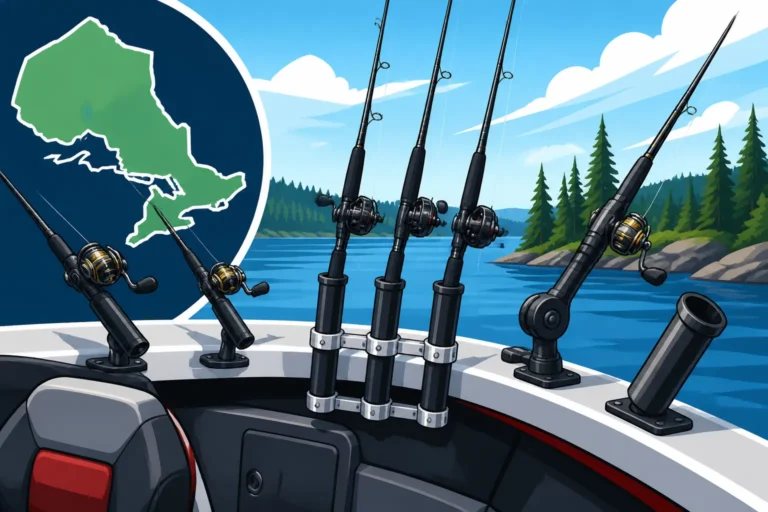
Beyond traditional tackle boxes and bags, there are organizers designed specifically to integrate with small boats. These can range from mountable utility trays that attach to boat rails or gunwales, to storage bins with built-in rod holders, or even compact soft-sided organizers that are shaped to fit neatly into specific boat models (like those designed for kayaks or canoes). Some clever solutions even include collapsible storage containers that can be stowed away when not needed, maximizing open deck space. If you have a highly customized small boat, or a very specific storage challenge, looking into these niche solutions might be worthwhile. For instance, kayak anglers often use milk crate style organizers that fit perfectly in the stern, sometimes outfitted with multiple rod holders and attachment points for other gear. These purpose-built solutions often leverage vertical space, which is a premium on smaller craft.
Here’s a quick comparison to help you weigh your options:
| Organizer Type | Pros for Small Boats | Cons for Small Boats | Best For |
|---|---|---|---|
| Hard-Sided Box | Excellent impact protection, often very water-tight | Can be bulky, less adaptable to odd spaces | Anglers needing maximum gear protection, rough water conditions |
| Soft-Sided Bag | Flexible, lighter, often more storage pockets, portable | Less impact protection than hard cases, can get soaked | Versatile anglers, easy transport, varied gear needs |
| Specialized Boat Organizer | Custom fit, often utilizes vertical space, integrated | Specific to certain boat types, potentially higher cost | Kayak/canoe anglers, highly customized small boats, minimal deck space |
When deciding, think about the worst-case scenario: a sudden storm, a dropped box, or needing a specific lure right now. The right organizer mitigates these potential headaches.
Integrating Your Organizer with Your Small Boat Setup
Having the best tackle organizer is one thing; making it work seamlessly with your small boat setup is another. It’s all about placement, security, and smart access to ensure your fishing trip is enjoyable, not an exercise in frustration.
First and foremost, secure placement is paramount. On a small boat, anything not tied down or firmly stowed is a potential projectile. Use bungee cords, cargo netting, or even simple rope to secure your organizer to existing cleats, seat bases, or anchor points. If your boat has storage compartments under seats, that's often the safest and driest place for a hard-sided box or a well-packed soft bag. For kayaks, dedicated deck rigging is essential to keep your tackle bag from becoming fish food if you capsize. Even small boats experience unexpected swells or sharp turns, and the last thing you want is your expensive tackle sliding overboard or slamming into the side of your vessel. Safety isn't just about life jackets; it's about preventing loose gear from causing an accident.
Consider accessibility. While securing your gear is important, it shouldn't mean burying it so deep you can't reach a crucial lure when the fish are biting. Position your primary tackle organizer in a spot where you can easily reach it without having to stand up, turn around completely, or perform acrobatics. For many small boats, this might be right next to your seat or within arm's reach of your casting position. If you use a soft-sided bag, make sure the zippers are easy to operate with one hand, especially when you're focusing on the water. Some anglers opt for a main tackle organizer with all their general gear, and then keep a smaller, quickly accessible "essentials" box with their most-used lures, extra hooks, and sinkers right on the deck. This is particularly useful for finesse fishing or situations where quick lure changes are critical. You might even find dedicated rod holders that incorporate small tackle compartments, allowing you to keep a few go-to lures within a finger's reach while your rod is resting. Best Fishing Rods for Ontario Lakes can often be paired with such accessories.
Think about minimizing clutter overall. An organizer is a tool, not a magic bullet. Practice minimalism where you can. Do you really need every single lure you own for a day trip? Probably not. Streamline your tackle based on what you plan to target and the conditions you expect. If you're going after walleye, focus on Best Tackle for Ontario Walleye and leave the muskie baits at home. Use smaller, more specialized utility boxes that fit within your main organizer, rather than bringing several oversized ones. This approach not only reduces clutter but also makes it easier to keep track of what you have and where it is. Consider also bringing a dedicated small dry bag for essentials like your phone, keys, and wallet, keeping them separate from your fishing gear. This ensures critical items stay dry and are easy to locate, preventing a frantic search when you're trying to quickly stow them during an unexpected downpour.
Finally, remember that the best setup is one that evolves with you. As you gain more experience with your small boat, you'll discover what works best for your personal fishing style. Don't be afraid to experiment with different placements, different types of organizers, or even custom solutions. What works for a solo angler in a canoe might be completely different for two people in a 14-foot aluminum boat. The goal is to spend less time managing your gear and more time doing what you love: fishing. Whether you're chasing Smallmouth Bass Fishing in Ontario or casting for pike, efficient tackle management enhances the entire experience. You'll find that retailers like Amazon offer a vast selection, allowing you to try different types and brands to discover what truly fits your unique needs. Don't forget to review Ontario Boating Laws for Anglers and Life Jacket Requirements for Ontario Boaters to ensure your small boat is also legally equipped, beyond just tackle organization. For deeper insights into fish-finding technology that can influence your on-board gear layout, check out Best Fish Finders for Ontario Lakes. If you're considering a specialized craft, our guide to Best Kayaks for Ontario Fishing might also be helpful. Ultimately, an organized boat leads to a safer, more productive, and much more enjoyable day on the water.
Disclaimer
This article is for general informational purposes only and does not constitute professional advice. Laws, prices and regulations vary by location and change over time. Consult a qualified professional for guidance on your specific situation.