What Coho salmon runs look like on Great Lakes tributaries
For many anglers, the idea of a Coho salmon run on an Ontario Great Lakes tributary conjures images of incredible action and vibrant fish, but knowing exactly what to expect, where to look, and how to prepare can feel like a mystery. You've heard the whispers of fish pushing upstream, but you might be wondering what these migratory events actually look like, how they behave, and what makes them tick. This guide is going to pull back the curtain on the spectacular, sometimes frustrating, but always exhilarating world of Coho salmon runs in Ontario, giving you a clear picture of what to anticipate when these magnificent fish make their journey.
The Visual Spectacle of a Coho Salmon Run
When the Coho salmon begin their annual pilgrimage from the vastness of the Great Lakes into the narrower, shallower confines of their natal tributaries, it's nothing short of a spectacle. This isn't just a few fish here and there; a strong run can see hundreds, even thousands, of salmon pushing upstream, transforming the river into a vibrant, living ecosystem buzzing with activity. If you've never witnessed it, you might be picturing something out of a nature documentary, and honestly, you wouldn't be far off.
The Appearance of Spawning Coho
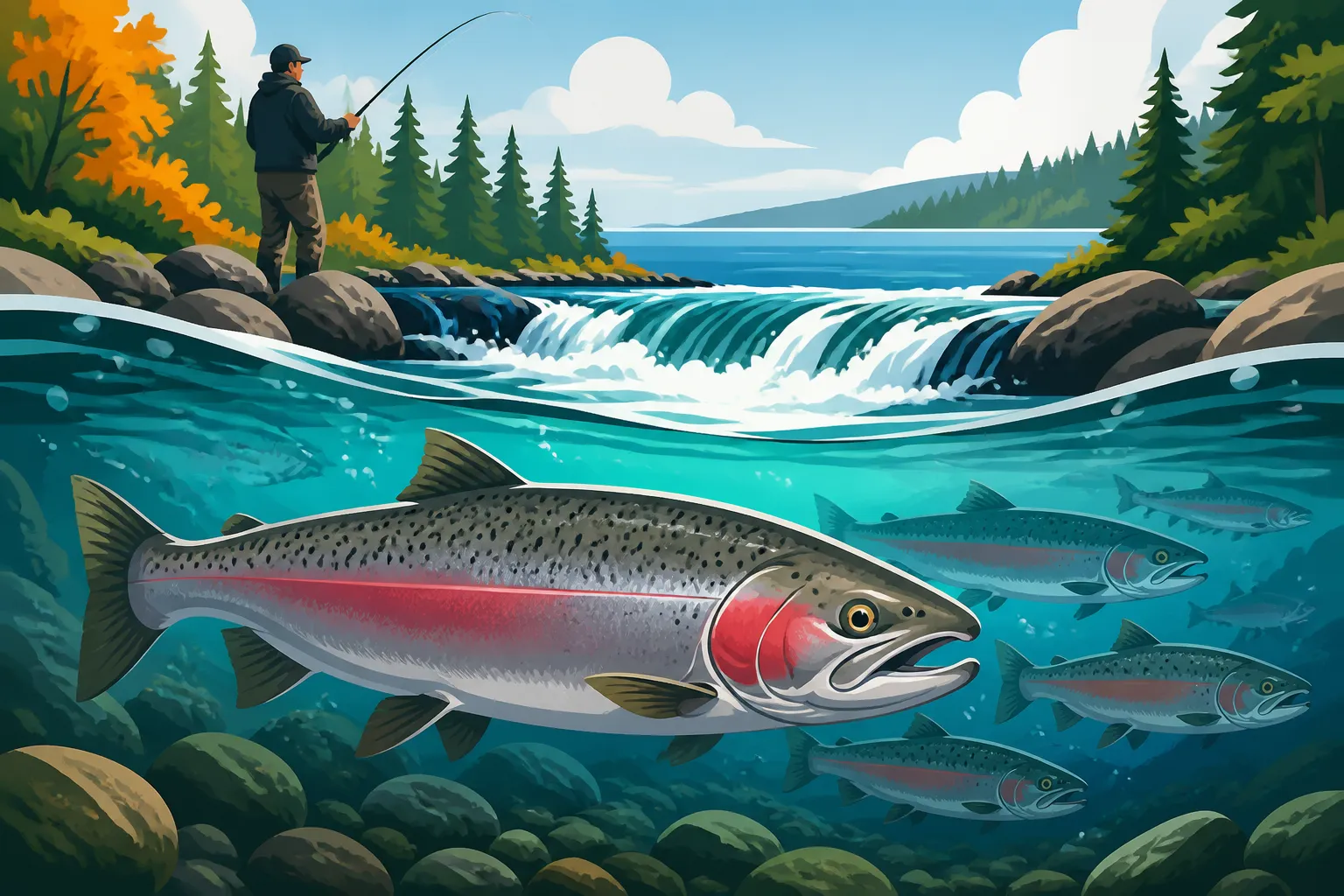
One of the first things you'll notice about Coho salmon during a run is their dramatic change in appearance. When they first enter the rivers, they can still have that beautiful, silvery, chrome-bright look they had in the lake, often called "chromers." These fish are fresh, powerful, and incredibly feisty. However, as they spend more time in the freshwater, preparing to spawn, their bodies undergo a striking transformation. Males develop a pronounced "kype" – a hooked jaw – and their colours shift to deep shades of red, maroon, and olive green, often with dark spots. Females also deepen in colour, taking on similar reddish-brown hues, though usually without the dramatic kype.
Imagine wading into a tributary, the water clear enough to see the riverbed, and then spotting a flash of brilliant crimson and dark green finning steadily against the current. These are your mature Coho, fully adorned in their spawning attire. Sometimes, especially after a particularly heavy rain, you might encounter fish that still retain a lot of their lake silver, mixed in with the more colourful spawners. Identifying these visual cues is part of the fun and crucial for understanding where the fish are in their spawning cycle. This distinct colouration is one of the clearest signs that the run is in full swing. For those just learning, distinguishing them from other salmonids like Chinook Salmon in Lake Ontario or even resident trout can be a fascinating study.
The Dynamic Movement in the Tributaries
A Coho run isn't a static event; it's a constant, dynamic movement of fish. You’ll see them leaping completely out of the water, often in pools or at the base of rapids, as they attempt to clear obstacles or just assert dominance. They might hold in deeper pools, stacking up in incredible numbers, looking like a shifting carpet of fish. Then, they'll make sudden, powerful dashes upstream, often in groups, navigating riffles and rapids with surprising agility.
Picture a bend in a medium-sized river, perhaps one flowing into Lake Ontario or Lake Huron. You might see a small school of Coho pushing through a section of faster water, their dorsal fins occasionally breaking the surface, creating V-wakes as they fight the current. In shallower stretches, their backs might be partially exposed, making their journey even more visible. Observing these movements can tell you a lot about the fish's energy levels and how aggressively they're moving upriver. It’s not uncommon to witness impressive feats of strength as a determined Coho navigates a small waterfall or a series of swift rocks, showcasing the sheer willpower that drives their migration.
Signs of a Healthy Run Beyond the Fish
Beyond the fish themselves, a healthy Coho salmon run often leaves other tell-tale signs in the tributary. The most noticeable are "redds" – spawning nests dug by the female salmon. These appear as distinct, oval-shaped depressions in the gravelly riverbed, often slightly lighter in colour than the surrounding substrate, indicating freshly disturbed rock. You might see a pair of Coho actively working on a redd, with the female fanning her tail to clear the gravel and the male hovering nearby, defending the territory.
As the run progresses and spawning peaks, you might also observe increased bird activity. Herons, eagles, and gulls are often drawn to the rivers during salmon runs, taking advantage of the abundance of fish, especially those that are post-spawn and weakened. This heightened wildlife presence is another indicator that a significant migratory event is underway. Occasionally, you might even spot carcasses of spawned-out Coho along the riverbanks or caught in logjams, a somber but natural part of the salmon's life cycle. These visual cues collectively paint a picture of a vibrant, active ecosystem during the peak of the Coho salmon run.
Prime Locations and Timing for Coho Runs in Ontario
Understanding when and where to find Coho salmon during their tributary runs is key to experiencing this incredible natural phenomenon. Ontario's vast network of rivers and streams feeding into the Great Lakes provides numerous opportunities, but success often hinges on good timing and knowing the right kind of water to look for. It's not always as simple as just showing up; conditions play a huge role.
Key Tributaries to Watch for Coho
Coho salmon, like their Chinook cousins, rely on specific tributary systems for spawning. While many rivers and streams feed into the Great Lakes, certain ones are known hotspots for strong Coho runs. Generally, you're looking for rivers with a good flow, gravelly bottoms suitable for redd construction, and relatively accessible entry points from the Great Lakes. Rivers flowing into Lake Huron, particularly along the eastern shore, often see impressive Coho numbers. Similarly, some tributaries of Lake Erie and Lake Ontario can host robust runs, though these might be more mixed with other salmon species.
Rivers such as the Saugeen, Sydenham, or even some smaller, unnamed creeks that might surprise you, can be productive. The key is often finding smaller to medium-sized rivers rather than the truly massive ones, where Coho might be harder to concentrate. Local knowledge and fishing reports are invaluable here; chatting with fellow anglers at bait shops or online forums can often point you in the right direction. Just remember, these fish are often travelling, so what's hot one day might be quiet the next, prompting you to explore a bit. Checking out guides like Best Fishing Rivers in Ontario can provide a great starting point for pinpointing potential Coho waters.
The Ideal Window for Coho Activity
The timing of Coho salmon runs in Ontario is largely dictated by water temperatures and rainfall, but generally falls within a predictable seasonal window. You'll typically start to see the earliest pushes of Coho entering the lower stretches of rivers in late August or early September. These are often the "chromers," fresh from the lake and full of fight. The main body of the run usually gets into full swing throughout September and October. This is when the spawning colours become most pronounced and the fish are actively moving upstream and beginning to stage on redds.
A significant rainfall event can trigger a strong push of fish, as higher water levels make it easier for salmon to navigate upstream over obstacles. Conversely, a prolonged dry spell can delay the run or keep fish concentrated in lower pools, waiting for suitable conditions. Water temperature is also critical; Coho prefer cooler water, usually in the 7°C to 13°C (45°F to 55°F) range for active migration and spawning. As autumn progresses into November, the runs typically wind down, with fewer new fish entering the rivers, and more spawned-out fish becoming visible. Keeping an eye on localized weather forecasts, especially for precipitation, can significantly improve your chances of hitting a run at its peak. Understanding the broader Ontario Fishing Seasons by Zone and Month can help you plan your autumn angling adventures.
Factors Influencing Run Strength and Timing
Several environmental factors can dramatically influence the strength and timing of Coho salmon runs each year. First and foremost is the Great Lakes water level. Higher lake levels can provide easier access for salmon into tributary mouths, while very low levels might concentrate fish at the river's entrance, making them more vulnerable or hesitant to enter. Water flow within the tributaries, as mentioned, is another critical component. A good flush of rain can be a game-changer, but too much rain can blow out a river, making it muddy and unfishable for a few days.
Temperature, both in the Great Lakes and the tributaries, plays a significant role. A sudden drop in lake temperatures can signal to Coho that it’s time to move upstream, while warm river water can halt their progress. Predation also influences observable run strength; a large population of predators (like birds of prey or even larger fish) can disperse schools of salmon or make them more wary. Finally, the overall health of the fishery, including stocking programs and habitat restoration efforts, contributes to the long-term viability and observable size of these runs. Each year brings its own unique set of challenges and opportunities for Coho anglers.
Understanding Coho Salmon Behavior During the Run
To effectively fish for Coho salmon during their tributary runs, or even just to appreciate the natural spectacle, it's incredibly helpful to understand their behaviour. These aren't the same fish you'd encounter in the open lake; their instincts are now singularly focused on reproduction, and that changes everything about how they act.
Spawning Rituals and Aggression
Once Coho enter the tributaries, their primary drive is to spawn. Females will begin the process of "cutting" redds in suitable gravel areas – typically shallow, flowing sections of the river. They use powerful tail movements to clear debris and excavate a nest for their eggs. Males, meanwhile, become fiercely territorial. They will constantly jockey for position, displaying to other males, and aggressively defending their chosen female and redd from rivals. This aggression is a visual highlight of the run; you'll see males charging each other, fin-flaring, and even physically sparring.
This heightened aggression is what makes Coho, even non-feeding ones, vulnerable to certain fishing techniques. They aren't necessarily biting out of hunger, but rather out of an instinct to strike at anything that invades their space or appears to be a threat to their redd or mate. Therefore, presenting lures or flies that mimic intruders, or that simply annoy them, can be highly effective. It's a fascinating, raw display of nature's imperative, where the drive to perpetuate the species overrides almost everything else. Always remember to respect these spawning fish and their redds, ensuring you understand Ontario Fishing Regulations Explained for ethical angling practices.
Feeding Patterns (or Lack Thereof) During the Run
Here's where Coho salmon behaviour in the tributaries deviates significantly from their lake habits: once they commit to the spawning run, their feeding drive diminishes almost entirely. In the lake, they're active predators, chasing baitfish and growing rapidly. In the river, their digestive systems begin to shut down, and they primarily subsist on the fat reserves they've built up over years in the Great Lakes. This is why targeting them as if they were actively feeding can often lead to frustration.
So, why do they still "hit" lures or flies? As discussed, it's mostly reactionary. They're striking out of aggression, territoriality, or even just curiosity. They might nip at an offering, mouth it briefly, or slam it hard out of sheer annoyance. This means your presentation needs to be in their face, often requiring repeated casts to the same holding water or redd. Understanding this shift from a feeding to a reactionary bite is fundamental to successful Coho fishing in the tributaries. It's a game of eliciting a strike, not necessarily triggering a hunger response.
Post-Spawn Changes and Their Impact
After Coho salmon have successfully spawned, their life cycle in the river rapidly draws to a close. Unlike some trout or Pacific salmon species that can survive to spawn multiple times, most Coho salmon are semelparous – meaning they spawn once and then die. These post-spawn fish are often referred to as "kelts" or "canned goods." Their bodies become weak, emaciated, and their colours fade significantly, often taking on a pale, washed-out appearance. You might see them listlessly holding in slow pools or even washing up on riverbanks.
While some anglers might still try to target these fish, they offer very little in terms of sport and are far from their prime eating quality. The focus for most anglers shifts to finding fresh-run fish or those still actively engaged in the pre-spawning and spawning phase. Observing post-spawn Coho is a powerful reminder of the incredible journey they undertake and the ultimate sacrifice they make for the next generation. It’s a complete cycle of life, death, and renewal playing out right before your eyes in the Ontario waterways.
Essential Gear and Safety for Tributary Fishing
Successfully fishing for Coho salmon in Great Lakes tributaries requires specific gear and a keen awareness of safety. These environments can be challenging, from slippery riverbeds to unpredictable weather, so being prepared is paramount for both your success and well-being.
Recommended Rods, Reels, and Line for Coho
When targeting Coho salmon in tributaries, you need gear that can handle strong, powerful fish in close quarters.
For spinning gear, a medium-heavy to heavy power rod, typically 9-11 feet in length, is ideal. This length helps with casting longer distances, mending line in current, and absorbing the shock of a hard-fighting salmon. Pair it with a reliable spinning reel in the 3000-4000 series size, spooled with 10-15 lb braided line. You'll want a fluorocarbon leader of 8-12 lb test, tied directly to your braid with a strong knot, to offer some invisibility and abrasion resistance. Many anglers find excellent rod and reel combos for this purpose readily available through online retailers like Amazon, offering a convenient way to get set up.
Fly anglers will typically opt for 8-10 weight fly rods, also around 9-11 feet in length. These heavier rods are necessary to cast larger flies, handle heavy sinking lines if needed, and have the backbone to fight strong salmon. A good quality large-arbor fly reel with a smooth drag system, spooled with plenty of backing and a weight-forward floating or sink-tip line, is essential. Again, a heavy fluorocarbon or monofilament leader (0X-2X equivalent) will be critical. Investing in good quality gear like this will make your experience much more enjoyable and give you the confidence to land these powerful fish. For a deeper dive into tackle choices, check out our guide on Best Gear for Ontario Trout Fishing, which offers transferable advice for salmon.
Effective Lures and Baits for Spawning Salmon
As mentioned, Coho in the rivers often strike out of aggression rather than hunger, so your lure choices should reflect this. Bright, flashy, and sometimes noisy presentations tend to be most effective.
For spin fishing, common successful lures include:
- Spinners: Classic in-line spinners in sizes #3 to #5, with brightly coloured blades (chartreuse, orange, silver, gold) are consistent producers.
- Spoons: Casting spoons like Little Cleos or Krocodiles in silver, orange, or fire tiger patterns, from 1/4 to 1/2 oz, can trigger strikes.
- Twitch Jigs: Small jigs (1/8 to 1/4 oz) with marabou or synthetic dressings, in colours like pink, orange, or white, twitched through pools, can be deadly.
- Egg Imitations: Beads or artificial salmon egg clusters, drifted naturally, are also highly effective, especially when fish are on redds.
Fly anglers will gravitate towards:
- Egg Patterns: Glo-Bugs and other egg imitations in various sizes and colours (roe, clown egg, peach).
- Woolly Buggers & Streamers: Large, dark streamers (black, olive) or bright ones (pink, chartreuse) that imitate baitfish or simply annoy the fish.
- Stonefly Nymphs: Larger nymph patterns can also trigger strikes, especially when dead-drifted.
Remember to vary your retrieve and presentation until you find what the fish are reacting to on any given day. A variety of these essential lures and flies can easily be stocked up from platforms like Amazon before you hit the tributaries.
Crucial Safety and Ethical Considerations
Fishing for Coho salmon in tributaries demands a strong emphasis on safety and ethical angling. Firstly, wading safety is paramount. Riverbeds can be extremely slippery due to algae-covered rocks, especially in fall. Invest in good quality Best Waders for Ontario Trout Streams with felt soles or studded rubber soles, and always use a Best Wading Staff for Fast Current. Never wade alone, and always be aware of changing water levels. Water temperatures in the fall can be very cold, making a fall a serious hazard.
Carrying a valid Ontario fishing license is non-negotiable. Ensure you understand the specific regulations for the zone and species you're fishing, particularly regarding bag limits, open seasons, and any special bait restrictions. Always have your license, whether digital or printed, on hand. Printing or Carrying a Digital Fishing License in Ontario is straightforward. Respect private property, practice "leave no trace" principles, and dispose of all garbage properly.
When handling fish, especially spawning salmon, prioritize their health. Use a proper landing net with rubberized mesh to minimize harm, handle fish gently with wet hands if you plan to release them, and release them quickly. Avoid dragging fish onto dry land. The goal is to enjoy the experience while ensuring the sustainability of these incredible Coho salmon runs for future generations of anglers.
| Gear Category | Item | Recommendation for Coho Tributary Fishing |
|---|---|---|
| Rods | Spinning Rod | 9-11 feet, Medium-Heavy to Heavy Power, fast action. Ideal for long casts and fighting strong fish in current. |
| Fly Rod | 8-10 weight, 9-11 feet. Strong backbone for large flies and powerful fish. | |
| Reels | Spinning Reel | 3000-4000 series, smooth drag, good line capacity. |
| Fly Reel | Large arbor, robust drag system, ample backing capacity. | |
| Line | Main Line (Spinning) | 10-15 lb braided line for strength and sensitivity. |
| Leader (Spinning) | 8-12 lb fluorocarbon, 2-4 feet long, for invisibility and abrasion resistance. | |
| Fly Line | Weight-forward floating or sink-tip line matched to rod weight. | |
| Leader/Tippet (Fly) | Strong, heavy leader (0X-2X equivalent) with matching tippet section, designed for heavy flies and powerful fish. | |
| Apparel/Safety | Waders | Chest waders, breathable material, felt or studded rubber soles for grip. Essential for staying dry and warm. |
| Wading Boots | Sturdy, comfortable boots with good ankle support. Match with waders. | |
| Wading Staff | Collapsible, sturdy staff. Crucial for stability and probing depths on slippery riverbeds. | |
| Life Jacket | PFD (Personal Flotation Device), especially for deeper or faster rivers, or if fishing from a boat. Always a good idea to have one nearby for safety, even when wading. | |
| Terminal Tackle | Lures/Flies | Bright spinners (#3-5), casting spoons (1/4-1/2 oz), twitch jigs (1/8-1/4 oz), egg patterns (Glo-Bugs), large streamers/Woolly Buggers. |
| Hooks | Strong, sharp hooks. Size 4-8 for most lures/flies. | |
| Net | Large, rubberized mesh landing net. Crucial for safe landing and release of large salmon. | |
| Miscellaneous | Pliers/Hemostats | Long-nosed pliers or hemostats for easy hook removal. |
| Polarized Sunglasses | Essential for spotting fish and structure in the water, and protecting eyes. | |
| Fishing License | Valid Ontario fishing license and Outdoors Card. Absolutely mandatory. |
Disclaimer
This article is for general informational purposes only and does not constitute professional advice. Laws, prices and regulations vary by location and change over time. Consult a qualified professional for guidance on your specific situation.