The biggest fish species in Ontario lakes
There’s a special thrill that comes with the thought of hooking into a truly massive fish, one that tests your gear, your patience, and your strength. For many anglers, the lure of Ontario’s vast lakes isn’t just about catching fish, but about the chance to encounter a real giant. This guide will take a deep dive into the biggest fish species swimming in Ontario’s waters, discussing not just their potential record-breaking sizes but also their common characteristics and where you might find them.
Defining "Big Fish" in Ontario's Waters
When we talk about the "biggest" fish, it can mean different things to different people. Are we talking about sheer length, brute weight, or the challenge they present on the line? In Ontario, we're lucky enough to have species that truly excel in all these categories. While provincial records always highlight the absolute monsters, understanding the average trophy size for each species helps set realistic expectations for your next outing.
Length vs. Weight: What Makes a Fish Big?
Some fish species are known for their incredible length, stretching out like a torpedo, while others are built like tanks, packing on immense weight. Consider the difference between a long, lean Northern Pike and a deep-bodied Lake Trout. Both are large, but their proportions are quite different. For an angler, encountering a fish at the upper end of its size class, whether by length or weight, is always a monumental experience. For instance, a 50-inch Muskie is undeniably a giant, even if it might not weigh as much as a shorter, fatter Lake Trout. It's the overall presence and the fight they put up that truly defines their "bigness."
Provincial Records vs. Common Trophy Sizes
Ontario's provincial fish records are truly staggering, showcasing the absolute pinnacle of what our waters can produce. These are the rare, once-in-a-lifetime catches that push the boundaries of known fish sizes. However, it's important for most anglers to focus on "trophy size" as a more attainable goal. For a Muskie, a 40-pounder is a fish of a lifetime, even if it's shy of the provincial record. For walleye, breaking the 10-pound mark is a huge achievement. These common trophy sizes are what most serious anglers are pursuing, and they still represent incredibly large and impressive fish. Knowing the difference helps manage expectations and celebrates the amazing catches that aren't necessarily record-breakers.
The Undisputed Titans: Lake Sturgeon
When it comes to sheer size and prehistoric grandeur, the Lake Sturgeon stands alone as the biggest fish species native to Ontario lakes and rivers. These ancient behemoths have been swimming in our waters for millions of years, growing to truly incredible proportions. Catching one is a rare and often accidental event, as they are a protected species in many areas, but their presence speaks to the wildness and richness of Ontario's aquatic ecosystems.
Size and Characteristics of Ontario's Sturgeon
Lake Sturgeon are truly magnificent. They are long-lived, slow-growing fish, often living for many decades, which allows them to reach immense sizes. Picture a fish that can easily exceed six feet in length and weigh well over 100 pounds, with some individuals pushing seven feet and over 200 pounds! Their bodies are covered in five rows of bony plates, called scutes, instead of scales, giving them a distinctly primeval appearance. They have a shovel-like snout with four barbels, which they use to forage for food on the bottom. When you encounter a fish like this, it's an experience you'll never forget, a true glimpse into another era. Do Ontario Lakes Have Sturgeon?
Where to Find Lake Sturgeon in Ontario
While Lake Sturgeon populations have faced challenges over the years, efforts are underway to conserve and restore them. You can find them in large river systems and lakes, typically preferring deeper water with soft, muddy or sandy bottoms where they can feed. Notable waters include the lower sections of the French River, parts of Lake of the Woods, Rainy Lake, and segments of the Ottawa River. They are bottom feeders, primarily consuming insect larvae, crayfish, and small fish. Anglers targeting other species like walleye or catfish might occasionally hook into a sturgeon, usually when using bottom rigs with natural baits like worms or cut bait. If you do catch one, it's crucial to handle it with extreme care and release it unharmed, as outlined in Ontario Sturgeon Catch and Release Rules. Always consult the regulations for specific zones, as many areas have catch-and-release only rules for sturgeon.
Trophy Anglers' Dreams: Muskie and Lake Trout
While the Lake Sturgeon might be the biggest by absolute measure, Muskie and Lake Trout are the two species that truly capture the hearts and minds of trophy anglers in Ontario. These are the fish that demand specialized gear, immense patience, and often a lifetime of dedication to consistently pursue their largest specimens. The thrill of a giant Muskie following your bait or the deep, powerful fight of a heavy Lake Trout is what keeps many of us coming back to the water.
Muskellunge: The Freshwater Barracuda
The Muskellunge, or "Muskie," is often called the "fish of 10,000 casts," a testament to its elusive nature and the challenge it presents. But when you do hook into one, you'll understand why anglers spend countless hours chasing them. These are apex predators, built for ambush and powerful runs.
- Size and Growth: Muskies are renowned for their incredible length, regularly reaching over 40 inches and often exceeding 50 inches. Fish over 30 pounds are considered trophies, and specimens over 50 pounds are the stuff of legends. Their growth rate is impressive, especially in rich waters. Muskellunge Growth Rate to Trophy Size
- Appearance and Behavior: With their long, cylindrical bodies, duck-bill mouths full of razor-sharp teeth, and camouflaged markings, they truly resemble freshwater barracudas. They are solitary hunters, often found lurking in weed edges, submerged timber, or rocky points, waiting to ambush unsuspecting prey. They key on large baitfish, making a substantial meal worth the effort.
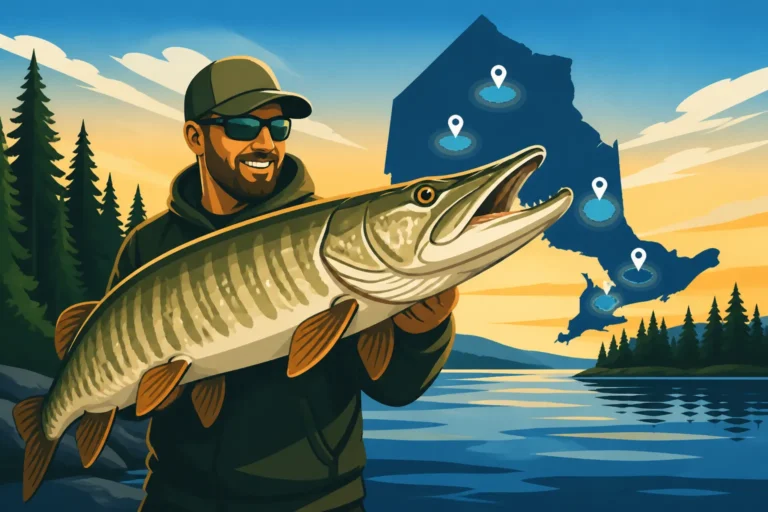
- Ontario's Prime Muskie Waters: Ontario boasts some of the best muskie fishing in the world. Famous waters include Georgian Bay, Lake St. Clair, Lake of the Woods, Eagle Lake, and the French River. These lakes offer vast expanses of prime habitat, from shallow weed beds to deep, rocky structures. Serious muskie anglers often invest in specialized gear like heavy-action rods, robust baitcasting reels, and a selection of large baits such as bucktails, jerkbaits, and glide baits. You can find a fantastic selection of these specialized lures and heavy-duty landing nets on Amazon, making it easier to gear up for these freshwater giants. Best Muskie Waters in Ontario
Lake Trout: Deepwater Powerhouses
Lake Trout are the undisputed kings of Ontario's deep, cold, pristine lakes. They are powerful, long-lived predators that can grow to impressive sizes, offering a truly challenging fight, especially in the depths where they prefer to dwell during warmer months.
- Size and Growth: Lake Trout are known for their solid, muscular bodies and can easily reach weights of 10-20 pounds in many lakes. True trophy Lake Trout often exceed 30 pounds, with the provincial record pushing well over 60 pounds. Their average size can vary significantly depending on the lake and its food sources.
- Appearance and Behavior: These beautiful fish typically have dark green to grey bodies, often adorned with light spots, and a deeply forked tail. They thrive in cold, oxygen-rich waters, often found near deep structure, rock piles, ledges, and drop-offs. Their diet consists primarily of baitfish, such as ciscoes and smelt, which they actively pursue.
- Ontario's Prime Lake Trout Waters: Many of Ontario's deep, clear lakes hold fantastic Lake Trout populations. Lake Superior, Lake Huron, Lake Simcoe, Lake Nipigon, and countless remote Northern Ontario lakes are renowned for their laker fishing. Anglers often use techniques like trolling with downriggers, vertical jigging, or even ice fishing to target these deepwater dwellers. When setting up for deepwater trolling, a good fish finder is invaluable for locating structure and baitfish. Many excellent models can be found on Amazon, ensuring you're well-equipped to find these elusive giants. How to Catch Lake Trout in Ontario
Other Notable Big Fish Contenders
While Lake Sturgeon, Muskie, and Lake Trout often steal the spotlight for sheer size, Ontario's waters are also home to other species that can grow to impressive dimensions, offering exciting angling opportunities for those looking for a substantial catch.
Northern Pike: Aggressive Predators
Northern Pike are widely distributed throughout Ontario and are known for their aggressive nature and willingness to strike a variety of lures. While they might not reach the record weights of Muskie or Lake Trout, they are certainly a "big fish" in many anglers' books, often providing a ferocious fight.
- Size Potential: Most pike caught by anglers range from 2-10 pounds, but fish over 20 pounds are common, and specimens exceeding 30 pounds are considered trophies. The provincial record pushes well into the 40-pound range. Their long, slender bodies and powerful tails make them formidable opponents.
- Habitat and Diet: Pike prefer weedy bays, shallow flats, and areas with submerged timber or rock cover, where they can ambush prey. They are voracious eaters, consuming smaller fish, frogs, and even small mammals or birds if the opportunity arises.
- Where to Find Big Pike: You can find large pike in almost every major lake system in Ontario, from the Great Lakes tributaries to remote Northern Ontario lakes. Excellent pike fisheries exist in Lake of the Woods, Rainy Lake, Lake Nipissing, and countless smaller lakes on the Canadian Shield. For those looking for robust gear to handle these toothy critters, heavy-duty leaders and durable pliers for unhooking are essential. You can easily stock up on these fishing essentials through Amazon. How to Catch Northern Pike in Ontario
Carp: The Unsung Heavyweights
Often overlooked by many anglers, Common Carp are a non-native species that have established themselves in many of Ontario's warmer, shallower waters. While perhaps not as glamorous as a Muskie or a Lake Trout, they offer a truly exceptional fight and can grow to astonishing sizes, making them a true heavyweight contender.
- Size Potential: Carp regularly reach weights of 10-20 pounds, but fish over 30 pounds are very common in many Ontario waters. The provincial record for Common Carp is well over 40 pounds, with some reports of larger fish being caught and released. These fish are incredibly strong and provide a long, sustained battle on the line.
- Habitat and Diet: Carp prefer warm, slow-moving waters with soft bottoms, such as river backwaters, shallow lakes, and ponds. They are bottom feeders, using their protrusible mouths to suck up invertebrates, plant matter, and detritus.
- Where to Find Big Carp: Excellent carp fishing can be found in Lake Erie, Lake St. Clair, the Grand River, the Trent-Severn Waterway, and many of the Kawartha Lakes. They are often targeted with corn, dough balls, or specialized carp baits. It's a fantastic species for bank anglers looking to battle a truly big fish. Common Carp in Ontario Waters
Catfish: Bottom Dwellers with Brute Strength
Ontario is home to several species of catfish, with the Channel Catfish being the most commonly targeted and largest. These bottom-dwelling fish are known for their distinctive barbels, smooth skin, and powerful fights, especially in larger river systems.
- Size Potential: Channel Catfish in Ontario can reach impressive sizes, with many anglers regularly catching fish in the 5-15 pound range. Trophy-sized channel cats can exceed 20 pounds, and the provincial record is in the mid-30s. They are incredibly strong for their size and provide a powerful, bulldogging fight.
- Habitat and Diet: Catfish prefer warm, murky waters with soft bottoms, often found in deeper pools of rivers, large lakes, and reservoirs. They are opportunistic feeders, eating dead or live baitfish, insects, crayfish, and anything else they can scavenge from the bottom.
- Where to Find Big Catfish: The Great Lakes and their tributaries, such as Lake Erie, Lake St. Clair, and the Grand River, are prime spots for large Channel Catfish. They are also present in many other large rivers and lakes across Southern Ontario. Anglers typically use heavy bottom rigs with smelly baits like cut bait, worms, or prepared stink baits. A robust rod and reel are crucial for landing these powerful fish, and a reliable tackle box, perhaps one found on Amazon, will keep all your smelly baits and hooks organized.
Comparative Look at Ontario's Largest Fish Species
To give you a clearer picture of the potential giants swimming in Ontario, here's a quick comparison of some of the top contenders. Remember, these are general ranges, and exceptional individuals can always break the mold!
| Species | Common Length Range (inches) | Common Weight Range (pounds) | Max Potential Length (inches) | Max Potential Weight (pounds) | Primary Habitat | Angling Focus |
|---|---|---|---|---|---|---|
| Lake Sturgeon | 40-70 | 30-100+ | 80+ | 200+ | Large rivers, deep lakes | Accidental catch (protected) |
| Muskellunge | 30-50 | 10-30 | 60+ | 60+ | Weedy lakes, rivers, rocky structure | Trophy predator |
| Lake Trout | 20-35 | 5-20 | 45+ | 60+ | Deep, cold, clear lakes | Deepwater predator |
| Northern Pike | 24-40 | 5-20 | 50+ | 40+ | Weedy bays, shallow flats, rivers | Aggressive predator |
| Common Carp | 20-35 | 10-30 | 40+ | 50+ | Warm, murky rivers, shallow lakes | Bottom feeder |
| Channel Catfish | 18-30 | 5-15 | 35+ | 30+ | Warm rivers, large lakes, soft bottoms | Bottom feeder |
It's clear that while the Sturgeon is the undisputed monarch of weight and length, the Muskie and Lake Trout are the giants most actively pursued by dedicated trophy anglers. The pike, carp, and catfish also offer incredible opportunities for those seeking a substantial fight and a truly large fish. Ontario Provincial Fish Records by Species is a great resource to see the full list of record holders and get a sense of what's truly possible!
Gear Considerations for Targeting Ontario's Giants
Chasing truly big fish isn't something you can do with ultralight gear. It requires specific rods, reels, lines, and accessories designed to handle powerful runs, sharp teeth, and heavy weights. Investing in the right equipment isn't just about making the catch; it's about doing it safely for both you and the fish, especially with catch-and-release species like Muskie and Sturgeon.
Rods and Reels for Heavy Duty Angling
When you're after something that can break your line with a single head shake, you need gear that can take a beating.
- Muskie: For Muskie, a heavy or extra-heavy action casting rod, typically 8 to 9 feet long, paired with a robust baitcasting reel is standard. The reel needs a strong drag system and enough line capacity for long runs. Brands like Shimano, Abu Garcia, and Daiwa are popular choices for their durability. Look for specific muskie-rated gear that can handle large baits and powerful fish. Best Muskie Gear for Ontario Waters
- Lake Trout: For deepwater Lake Trout, particularly when trolling, you'll want medium-heavy to heavy action rods, often with a fast tip to detect subtle bites. Downrigger rods are specifically designed for this. For jigging, shorter, stout rods with good backbone are key. Reels should be capable of handling heavy braided line and have a smooth, powerful drag.
- Sturgeon, Carp, Catfish: For these bottom dwellers, heavy-duty spinning or casting setups are preferred. Long, strong rods with plenty of backbone, paired with large capacity reels, are necessary. You'll need to absorb powerful surges and have the leverage to turn a big fish.
Line, Leaders, and Nets: Don't Skimp on the Essentials
Your line is the direct connection to the fish, so it's not the place to economize.
- Line: Heavy braided line (50-80 lb test for muskie, 30-60 lb for lake trout/pike/carp/catfish) is often preferred for its strength and minimal stretch, which helps with hook sets. Fluorocarbon leaders are crucial for abrasion resistance, especially when dealing with toothy critters or rough bottoms. Best Braided Line for Muskie Fishing
- Leaders: For Muskie and Pike, a strong steel or heavy fluorocarbon leader (100-200 lb test) is non-negotiable to prevent bite-offs from their razor-sharp teeth. For Lake Trout, a long fluorocarbon leader provides stealth in clear water. For carp and catfish, strong monofilament or fluorocarbon leaders of appropriate test strength are usually sufficient.
- Nets: A large, rubberized landing net is absolutely vital for safely landing and releasing big fish, particularly Muskie and Lake Trout. The rubberized mesh protects the fish's slime coat and fins. For true giants, a Muskie-specific net is often recommended. Don't forget a quality pair of long-nosed pliers or jaw spreaders for unhooking, which can also be easily ordered from Amazon along with other safety gear. Best Landing Net for Muskie
Protecting Our Giants: Conservation and Regulations
While the thrill of catching a giant fish is immense, it's equally important to ensure these magnificent creatures continue to thrive in Ontario's waters for future generations. Responsible angling practices, adherence to regulations, and a commitment to conservation are paramount.
Catch and Release Best Practices
Many of Ontario's largest fish, especially Muskie and Sturgeon, are primarily targeted on a catch-and-release basis. Even for species where harvest is allowed, practicing selective harvest and releasing the largest breeding stock helps maintain healthy populations.
- Minimize Fight Time: Use appropriate gear to land fish efficiently, reducing stress.
- Wet Hands: Always wet your hands before handling fish to protect their protective slime coat.
- Horizontal Support: Support the fish horizontally, especially large, heavy ones, to prevent internal injury.
- Quick Release: Keep the fish in the water as much as possible, remove hooks quickly, and ensure it's revived before release. Using barbless hooks can make hook removal much easier. Muskie Catch and Release Survival Tips
Understanding Ontario's Fishing Regulations
Ontario has detailed fishing regulations designed to protect our diverse fish populations. These regulations vary by species, water body (Fisheries Management Zone), and season. It's your responsibility as an angler to know and follow these rules.
- Fisheries Management Zones (FMZs): Ontario is divided into 20 FMZs, each with specific regulations. Always check the rules for the zone you're fishing in. Ontario Fisheries Management Zones, Explained
- Bag and Possession Limits: These specify how many fish of a certain species you can keep per day and how many you can have in your possession. For large species, these limits are often very restrictive or catch-and-release only. Ontario Bag and Possession Limits by Species
- Season Dates: Many species have closed seasons to protect them during spawning periods. For instance, the Muskie season generally opens later than other species. Ontario Fishing Season Dates by Zone
Before heading out, always consult the most current Ontario Fishing Regulations Explained summary. It’s an indispensable tool for any angler venturing into Ontario’s vast fishing grounds.
Disclaimer
This article is for general informational purposes only and does not constitute professional advice. Laws, prices and regulations vary by location and change over time. Consult a qualified professional for guidance on your specific situation.