Best braided line for muskie fishing
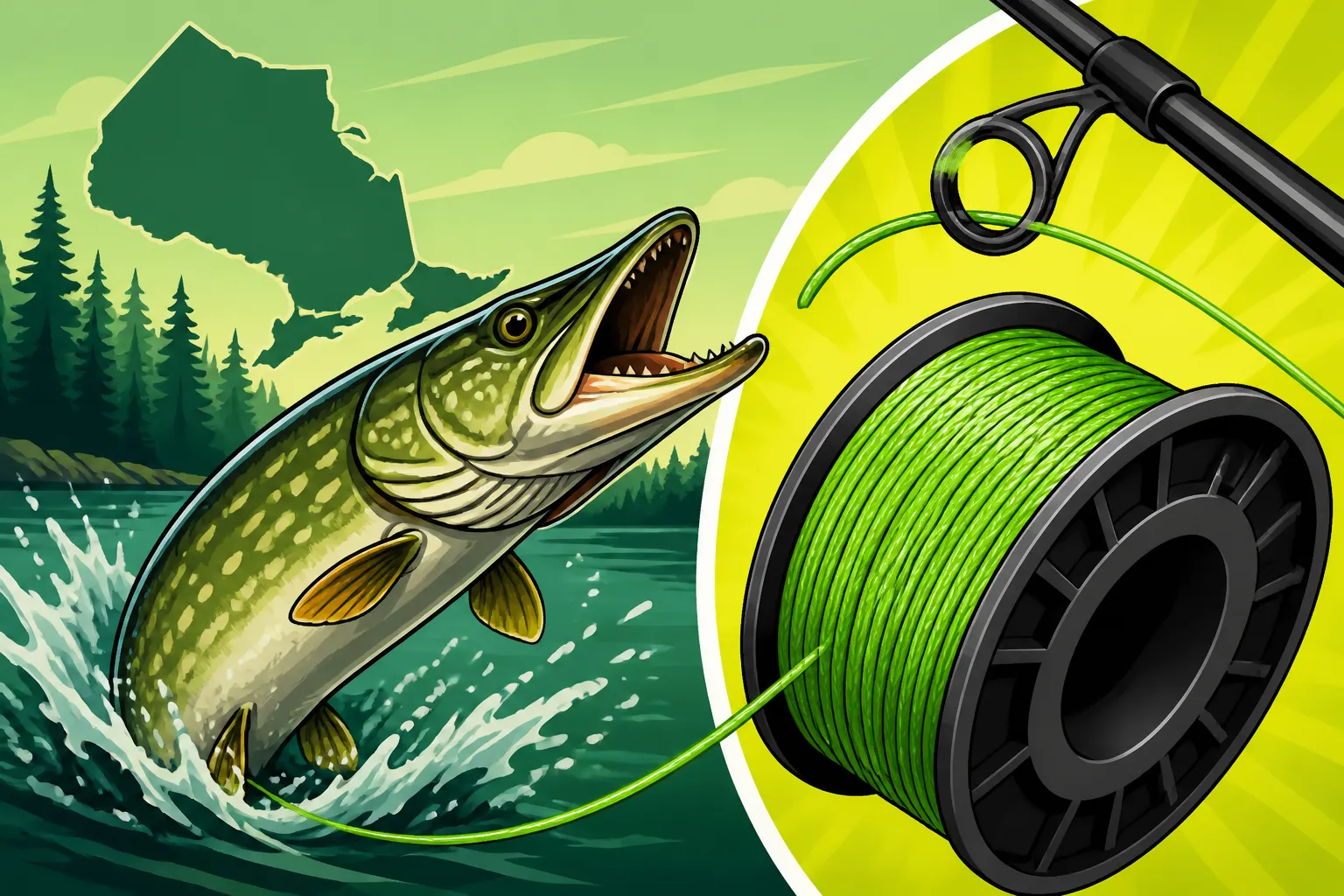
Finding the right fishing line for muskie can feel like a real puzzle, especially when you consider the sheer power and sharp teeth of these apex predators. Many anglers get frustrated trying to tame a furious muskie only to have their line snap or fray at a critical moment. This guide will walk you through everything you need to know about selecting the best braided line for muskie fishing, ensuring you're well-equipped for your next Ontario adventure.
Why Braided Line is King for Muskie Fishing
For years, monofilament was the go-to for most anglers, and fluorocarbon has certainly gained its loyal following, but when it comes to muskie fishing, braided line stands in a league of its own. It's not just a preference; it's a strategic advantage that can significantly increase your success rate and minimize heartbreaking break-offs. If you've ever felt the sheer force of a muskie strike, you know that anything less than the best is just asking for trouble.
Superior Strength and Abrasion Resistance
Muskie aren't exactly delicate fighters. They dive into weeds, rub against rocky structures, and thrash violently boatside. This kind of fight demands a line that can take a beating, and braided line delivers. Unlike mono or fluoro, braided line is composed of multiple strands woven together, creating an incredibly strong and durable material for its diameter. This multi-strand construction gives it exceptional abrasion resistance, meaning it can withstand nicks and scrapes against sharp rocks, submerged timber, and even the muskie's rough gill plates far better than other lines.
Think about it: you've spent hours, maybe even days, casting massive bucktails or heavy swimbaits, patiently working through prime muskie habitat like the weed lines of Lake St. Clair or the rocky shoals of Georgian Bay. Finally, that elusive muskie smashes your lure. The last thing you want is for your line to fray and snap because it rubbed against a log during the fight. Braided line offers that extra layer of confidence, allowing you to lean into the fight and guide the fish away from snags without worrying your line will fail. It's truly a game-changer for landing those hard-won trophies.
Unmatched Sensitivity for Detecting Strikes
Muskie strikes aren't always the violent, rod-ripping events we see in videos. Sometimes, especially in colder water or when fish are pressured, they can be incredibly subtle – a slight tick, a sudden weight, or a brief hesitation in your lure's retrieve. This is where the almost zero-stretch property of braided line becomes invaluable. With virtually no stretch, every subtle vibration from your lure, every tap from a following fish, and every actual strike is transmitted directly to your rod tip and into your hands.
Imagine you're casting a big jerkbait over a deep weed bed. With monofilament, that small "tick" might be absorbed by the line's stretch, leaving you wondering if it was a weed or a curious muskie. With braid, there's no doubt. You feel everything. This heightened sensitivity allows you to react instantly, setting the hook before the muskie has a chance to spit the lure. This instantaneous feedback is crucial when How to Catch Muskie in Ontario is the goal, particularly during those tricky times when they're not committing aggressively. This advantage can be the difference between a fleeting moment of contact and a solid hookset that puts a true leviathan in your net.
Exceptional Casting Distance and Reduced Line Memory
Muskie lures are often big and heavy, and casting them all day can be exhausting. To cover water effectively and reduce fatigue, you need a line that casts smoothly and effortlessly. Braided line, with its thin diameter relative to its breaking strength and lack of memory, excels in this department. Unlike monofilament, which can develop coils and kinks (line memory) from being spooled on a reel, braided line remains supple and pliable. This means fewer tangles, fewer backlashes, and ultimately, longer, more accurate casts.
When you're launching a large muskie lure, the line peels off the spool with minimal friction, allowing it to fly further with less effort. This extended casting range is vital when you're trying to reach that distant weed edge, submerged rock pile, or log jam where a trophy muskie might be lurking. Plus, the reduced line memory means your line lays flat on the water, allowing for better lure presentation and reducing drag, especially important when using topwater baits or working swimbaits at various depths. You'll definitely appreciate this advantage after a few hours of repetitive casting.
Key Considerations for Choosing Your Muskie Braided Line
Stepping into the world of braided lines for muskie fishing can feel a bit overwhelming given the array of options available. It's not just about picking the strongest line; it's about finding the right balance of characteristics that suit your specific fishing style, the types of lures you're throwing, and the conditions you typically encounter in Ontario's diverse waters.
Pound Test: Finding the Right Balance
When it comes to muskie, bigger is often better, but there's a point of diminishing returns. The most common braided line strengths for muskie fishing typically range from 65 lb to 100 lb test.
- 65 lb Braided Line: This is often considered the minimum for serious muskie angling. It offers excellent casting distance due to its thinner diameter and is strong enough for most muskie in average conditions. If you're primarily throwing smaller bucktails, jerkbaits, or glide baits, and fishing in relatively open water with fewer heavy snags, 65 lb test might be sufficient. It's a popular choice for anglers who prioritize casting distance and finesse presentations, relatively speaking, within the muskie world.
- 80 lb Braided Line: This is arguably the sweet spot for many Ontario muskie anglers. It provides a fantastic balance of strength, abrasion resistance, and castability. You can confidently throw larger bucktails, heavier swimbaits, and even moderate soft plastics without fear of snapping on the cast or during a hard fight. It offers more security than 65 lb test, particularly around cover, and the slight increase in diameter typically doesn't impact casting distance enough to be a significant deterrent for most. This is a great all-around choice for a wide variety of Muskellunge Fishing in Ontario scenarios.
- 100 lb Braided Line: For those who exclusively throw giant baits – think massive pounders, big rubber creations, or heavy-duty dive-and-rise lures – or fish extremely heavy cover like dense cabbage patches or thick timber, 100 lb test provides maximum peace of mind. While it sacrifices a bit of casting distance due to its thicker diameter, the added strength can be invaluable in specific, demanding situations. If you're targeting truly monster muskie in snag-infested areas, or if you're frequently fishing Best Muskie Waters in Ontario known for huge fish and unforgiving structure, this might be your best bet.
Ultimately, choosing the right pound test is a personal decision based on your fishing habits and confidence. Many anglers keep a couple of rods spooled with different strengths to cover all their bases.
| Pound Test | Pros | Cons | Ideal Use Cases |
|---|---|---|---|
| 65 lb | Max casting distance, thinner diameter | Less forgiveness in heavy cover, slight risk | Smaller bucktails, jerkbaits, open water, finesse |
| 80 lb | Great balance of strength & castability | Slightly less casting distance than 65 lb | All-around muskie fishing, varied lures & conditions |
| 100 lb | Max strength, best for heavy cover | Reduced casting distance, thicker diameter | Giant baits, extremely heavy cover, trophy hunting |
Line Diameter and Weave Pattern
The stated pound test of braided line doesn't directly translate to its diameter in the same way as monofilament. Two different brands of 80 lb braid can have slightly different diameters. A thinner diameter generally means longer casts and less water resistance, but a slightly thicker, more tightly woven braid can offer superior abrasion resistance and knot strength.
Look for braids that are described as "round" and "tightly woven." A round profile helps the line lay better on the spool, reduces friction through rod guides, and casts more smoothly. A tight weave typically means more strands (e.g., 8-strand or 12-strand vs. 4-strand). While 4-strand braids are very strong, they tend to be flatter, rougher, and noisier through the guides. 8-strand or even 12-strand braids are usually smoother, quieter, and cast further, making them a preferred choice for muskie anglers who make hundreds of casts a day. Brands like PowerPro Super8Slick V2 or Daiwa J-Braid Grand are popular choices for their smooth, tight weaves. When you're constantly casting heavy lures, the smoothness of the line can make a big difference in both performance and comfort.
Line Color: Does it Really Matter for Muskie?
This is a frequently debated topic, and honestly, for muskie, it's probably one of the least critical factors. Muskie, being ambush predators, are primarily attracted by the action, vibration, and profile of your lure. The line itself is usually a secondary concern, especially when you're using a long fluorocarbon or wire leader, which is absolutely essential for muskie fishing. Best Leader for Pike and Muskie Fishing is just as important as the main line.
Most anglers opt for high-visibility colors like bright yellow, green, or orange for their main braided line. Why? Because it makes the line incredibly easy to see against the water, sky, or shoreline. This visibility is a huge advantage for:
- Strike Detection: You can see the line jump or move even before you feel the strike, giving you a split-second head start.
- Line Management: It helps you keep track of your line while casting, especially in windy conditions or when multiple anglers are fishing close together.
- Following Fish: When a muskie "follows" your lure all the way to the boat – a common occurrence in muskie fishing – a visible line helps you anticipate its movements and prepare for a boat-side figure-eight. How to Figure Eight a Muskie Boatside is a critical technique, and a visible line aids greatly in its execution.
Some anglers prefer low-visibility colors like dark green or brown, reasoning that it might be less noticeable to the fish, even with a leader. However, given the muskie's aggressive nature and reliance on other senses, the consensus is that the benefits of high-visibility line for the angler far outweigh any perceived disadvantages. You'll find a wide array of colours available from retailers like Bass Pro Shops or online at Amazon, so pick what gives you the most confidence and visibility.
Top Braided Line Features for Ontario Muskie Anglers
Beyond the basic pound test and color, certain features in braided lines make them stand out for the unique demands of muskie fishing in Ontario. These aren't just marketing buzzwords; they represent tangible benefits that can improve your overall experience and help you land more fish.
Advanced Coating for Durability and Smoothness
Many high-quality braided lines designed for heavy-duty applications like muskie fishing come with an advanced coating. This coating isn't just for show; it serves several crucial purposes:
- Enhanced Abrasion Resistance: The coating adds an extra layer of protection, further strengthening the line against nicks, scrapes, and cuts from underwater structure or a muskie's sharp teeth (before it hits your leader, of course!). This is particularly important when fishing rocky areas or around submerged timber, common in many of Ontario's Best Fishing Lakes in Ontario.
- Improved Casting Performance: A smooth coating allows the line to glide effortlessly through your rod guides, reducing friction and extending your casting distance. It also helps prevent wind knots and backlashes, which can be a real headache when throwing heavy muskie baits.
- Reduced Water Absorption: Uncoated braids can absorb water, making them heavier and potentially affecting casting. A good coating minimizes water absorption, keeping the line lighter and more consistent throughout your fishing day.
- Longer Lifespan: By protecting the underlying fibers from UV damage, dirt, and general wear and tear, the coating extends the usable life of your braided line. While braided line is generally durable, proper care and a good coating can make it last even longer.
Brands often have proprietary names for these coatings, but the core benefit is a tougher, slicker line. Look for descriptions that emphasize "smoothness," "durability," and "castability" due to advanced coatings.
Low Stretch for Direct Hooksets
We touched on sensitivity earlier, but it's worth re-emphasizing the importance of low stretch for positive hooksets. Muskie have incredibly hard, bony mouths. Driving a hook home effectively requires maximum force transfer from your rod to the hook point. Traditional lines, like monofilament, stretch significantly, absorbing much of that force.
Braided line, with its near-zero stretch, ensures that almost all the energy from your hookset goes directly into burying that hook. This is absolutely critical, especially with single-hook baits or when a muskie takes the lure from a distance. You feel the strike, you lean into the hookset, and the hook drives home hard and fast. There's no sponginess or delay. This direct connection is a massive advantage when trying to penetrate a muskie's tough jaw, turning more strikes into solid connections and ultimately, more fish landed. It complements a powerful rod, like those discussed in Best Rod Power for Muskie Fishing, perfectly.
Knot Strength and Leader Connections
While braided line itself is incredibly strong, its knot-tying properties are a bit different from monofilament or fluorocarbon. Braided lines can be slippery, and certain knots that work well for other lines may slip or fail with braid. Therefore, choosing a braided line that holds knots well and learning the correct knots for connecting to your leader is paramount.
Look for braids that are advertised as having good knot strength. While the weave and coating play a role, ultimately, it comes down to reliable knots. The FG knot, improved Albright knot, and various double-uni knots are popular choices for connecting braided main line to a fluorocarbon leader or a heavy-duty wire leader. Practicing these knots at home until you can tie them quickly and reliably under pressure is essential. A poorly tied knot is the weakest link in your entire system, and a muskie will exploit it every time. You might even consider pre-tying some leaders before your trip to one of the Best Muskie Waters in Ontario to save time on the water.
Rigging and Maintenance Tips for Braided Muskie Line
Having the best braided line for muskie fishing is only half the battle; knowing how to properly rig it and maintain it is just as crucial for maximizing its performance and lifespan. Even the toughest braid can fail if not handled correctly.
Essential Knots for Braided Line to Leader
As mentioned, braided line requires specific knots to ensure a strong, reliable connection to your leader. You'll typically be connecting your main braided line to either a heavy fluorocarbon leader or a steel/titanium leader, depending on your lure and preference. Here are a couple of go-to knots:
- FG Knot: This knot is a favourite among many muskie anglers, and for good reason. It's incredibly strong, very slim, and passes through rod guides smoothly with minimal friction. It forms a near-100% breaking strength connection. While it takes some practice to master, the effort is well worth it. There are countless videos online demonstrating how to tie the FG knot effectively. It's perfect for connecting braid to a heavy mono or fluorocarbon leader.
- Improved Albright Knot: Another excellent choice, particularly if you find the FG knot too fiddly. The Improved Albright is easier to tie than the FG for many, and still offers very good strength. It's also a good knot for connecting lines of different diameters, which is exactly what you're doing with braid and a thick muskie leader.
- Palomar Knot (for directly tying braid to a snap/swivel): If you're not using a leader-to-leader connection and instead tying your braid directly to a heavy-duty snap or swivel that then connects to your wire leader, the Palomar knot is a solid, reliable choice for braid. It's quick, easy, and very strong.
Remember, always moisten your knots before cinching them down tightly to prevent friction-induced weakening. Over time, you'll find the knot that you can tie most confidently and reliably, and that's often the best knot for you. Retailers like Bass Pro Shops often have staff who can demonstrate these knots, or you can find plenty of resources online.
The Importance of a Good Leader
Let's be absolutely clear: you cannot muskie fish without a robust leader. Braided line, while incredibly abrasion resistant, is still susceptible to a muskie's razor-sharp teeth. A muskie's teeth are designed to grip and shred, and without a heavy-duty leader, your main line will be cut instantly.
Your leader should be either thick fluorocarbon (at least 80-100 lb test, often thicker) or a specialized wire leader made from steel or titanium.
- Fluorocarbon Leaders: These are popular for their low visibility and relatively good abrasion resistance. They offer a bit more stretch than wire, which some anglers prefer. They're often used with smaller, more subtle presentations, or in very clear water.
- Wire Leaders (Steel/Titanium): These are the ultimate in cut protection. Titanium leaders are particularly popular as they are incredibly strong, kink-resistant, and can last a very long time. Wire leaders are non-negotiable when throwing lures with multiple treble hooks or in situations where a muskie is likely to engulf the bait deep.
Regardless of the material, your leader should be long enough to prevent the muskie from getting its teeth on your main braided line, typically 12-36 inches. You can find pre-made leaders at most tackle shops, including those you might browse on Amazon. The choice of leader material and length will often depend on the specific Best Lures for Muskie Fishing in Ontario you are using and the aggression of the fish.
Caring for Your Braided Line to Maximize Lifespan
Braided line is an investment, and proper care will ensure it lasts for many seasons of muskie madness.
- Check for Fraying Regularly: After every outing, especially if you've been fishing around heavy cover or landed a fish, inspect the first few feet of your braided line for any signs of fraying, nicks, or cuts. If you find any damage, cut off the affected section. It's better to lose a few feet of line than a trophy fish.
- Wash Your Line: Saltwater or dirty freshwater can degrade your line over time. After a trip, especially if you've been fishing in murky or brackish water, rinse your entire spool with fresh water using a soft cloth. This helps remove grime, salt, and microscopic debris that can weaken the line. Let it air dry thoroughly before storing.
- Store Rods Properly: Avoid leaving your spooled reels in direct sunlight for extended periods, as UV rays can degrade line over time. Store your rods and reels in a cool, dry place.
- Line Conditioners (Optional): Some anglers use specialized line conditioners for braided lines. These products can help maintain the line's smoothness and reduce friction, potentially extending its life.
- Flip Your Line: After a season or two of heavy use, the first half of your line will bear the brunt of the wear and tear. Consider reversing your line on the spool (re-spooling the back half to the front) to utilize the less-worn section, effectively giving your line a second life. This can be a cost-effective way to extend its use before needing to completely replace it.
By taking these simple steps, you'll ensure that your braided line remains in top condition, ready to tackle the biggest muskie Ontario has to offer. From the gear you select at Bass Pro Shops to the knots you tie, every detail matters in the pursuit of these incredible fish.
Disclaimer
This article is for general informational purposes only and does not constitute professional advice. Laws, prices and regulations vary by location and change over time. Consult a qualified professional for guidance on your specific situation.