Best sit-on-top kayak for lake fishing
There's nothing quite like the freedom of gliding across an Ontario lake, the sun on your face, and the anticipation of a bite. But choosing the right sit-on-top kayak for fishing can feel like navigating a maze of options, leaving many anglers frustrated and unsure. This comprehensive guide is here to cut through the confusion, helping you understand what truly makes a sit-on-top kayak ideal for reeling in your next big catch on our beautiful waters.
Why Sit-on-Top Kayaks Shine for Ontario Lake Fishing
For many anglers, the sit-on-top kayak has become the ultimate vessel for accessing those hard-to-reach honey holes and experiencing a more intimate connection with the water. These aren't just recreational kayaks; they're purpose-built fishing machines, and their design offers distinct advantages, especially when you're tackling the varied conditions of Ontario's vast network of lakes. Whether you're chasing walleye on Lake Erie or casting for smallmouth on a quiet Kawartha lake, a sit-on-top can elevate your angling experience.
Stability and Confidence on Open Water
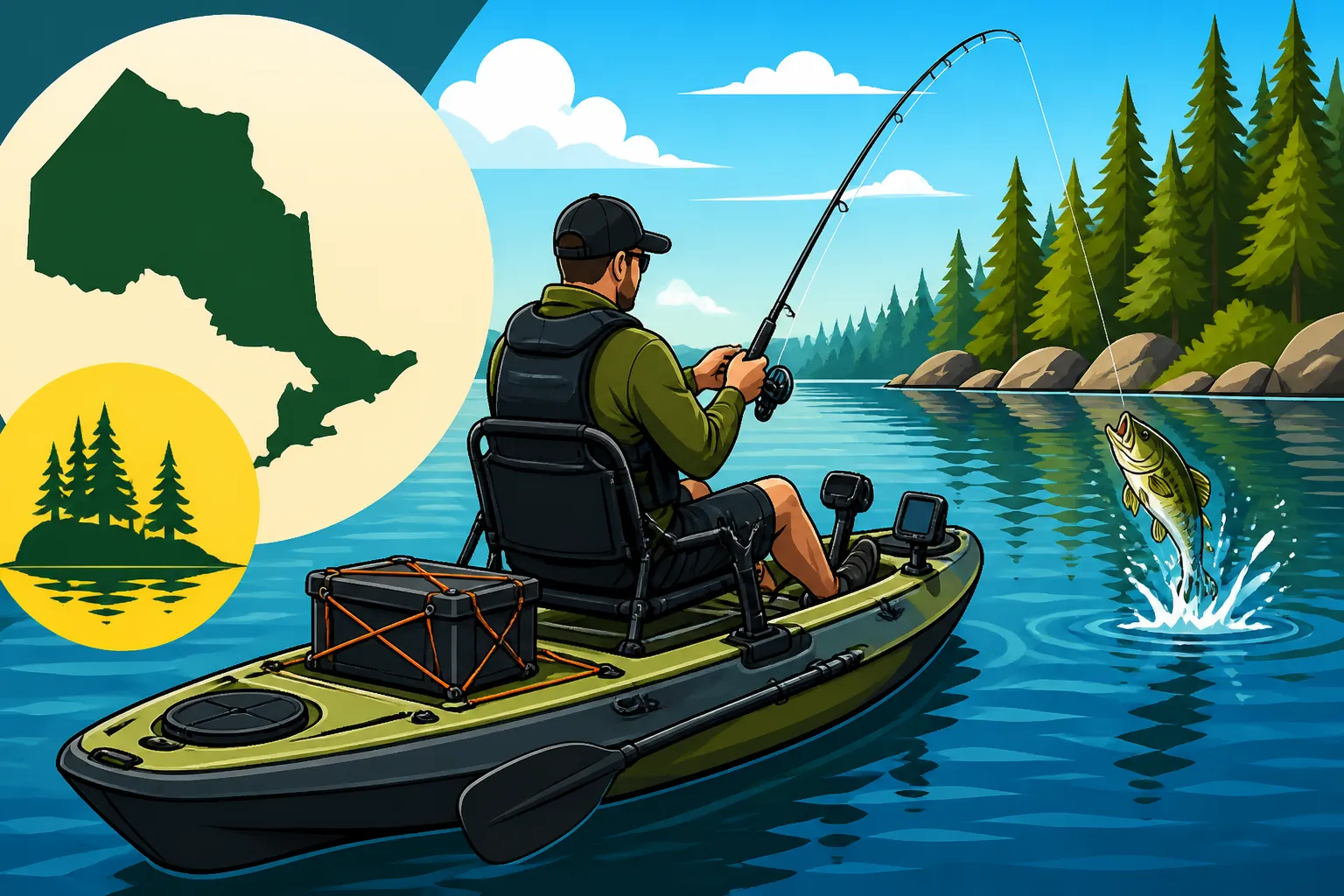
One of the biggest anxieties for any kayak angler, especially on larger lakes, is stability. The thought of tipping over, losing your gear, or worse, being in cold water, is enough to deter many. This is where sit-on-top fishing kayaks truly excel. Their wider, often flatter hulls are engineered for superior stability, giving you a solid platform whether you're paddling, casting, or even standing up to sight fish.
Imagine you're out on Lake Simcoe, engrossed in a hot bite, and a pleasure craft zips by, sending a sizable wake your way. In a less stable craft, that could spell disaster. A well-designed sit-on-top, however, with its robust primary and secondary stability, allows you to confidently ride out the chop. You can lean into it, adjust your weight, and keep your focus on the fish, not on staying upright. This inherent stability builds immense confidence, letting you concentrate on technique and enjoy your time on the water without constant worry.
Unmatched Accessibility and Deck Space
Traditional sit-in kayaks, while great for touring, can feel restrictive for fishing. Sit-on-tops, by contrast, offer an open, unencumbered deck that is a game-changer for anglers. This design provides incredibly easy entry and exit, which is a blessing at rocky shorelines or when you simply need a stretch after hours of casting. There’s no cramped cockpit to contend with, allowing for full freedom of movement.
The expansive, open deck also means a wealth of space for rigging and gear. You can easily access tackle boxes, net a fish, or switch out rods without feeling like you're performing contortions. Think about hooking into a powerful northern pike near the weeds or a spirited bass on Georgian Bay. You need quick access to your landing net, a pair of pliers, and perhaps a camera. With everything within arm's reach on your open deck, the entire process is smoother and less stressful, making those critical moments on the water much more manageable.
Comfort for Long Hours on the Water
Fishing often means long hours, and comfort is paramount to truly enjoying your day. Many sit-on-top fishing kayaks prioritize angler comfort with advanced seating systems that put traditional kayak seats to shame. These often include elevated, adjustable frame seats that provide excellent back support and allow for better blood circulation, preventing those annoying numb legs that can cut a trip short.
The open design also provides ample legroom, letting you adjust your position, stretch, and move around more freely than in a sit-in kayak. This is crucial when you're spending an entire day targeting lake trout or pursuing muskellunge, which require patience and endurance. The ability to shift, stand, and generally stay comfortable directly translates to longer, more productive fishing sessions and a much more enjoyable overall experience on the water, letting you stay focused on the fishing rather than fidgeting with discomfort.
Key Features to Look for in a Lake Fishing Sit-on-Top Kayak
When you're ready to invest in a sit-on-top kayak for fishing Ontario's lakes, it's easy to get overwhelmed by the sheer number of models and features. But by focusing on a few core aspects, you can quickly narrow down your choices and find a kayak that truly fits your angling style and the specific conditions you'll encounter. Thinking about how you fish and where you plan to go will be your best guide.
Propulsion Systems: Paddle, Pedal, or Motor Ready?
How you move your kayak across the water is a fundamental choice that impacts your fishing experience. Each propulsion system has its distinct advantages and disadvantages on Ontario's diverse lakes.
Paddle Kayaks are the traditional choice and often the most budget-friendly. They are typically lighter, simpler in design, and easier to maintain. Paddling offers a direct connection to the water, and in calm conditions, it's a peaceful way to cover ground. However, hands-free fishing is nearly impossible, and covering long distances or fighting strong winds on larger lakes can be exhausting. If you're targeting small, sheltered lakes or rivers, or prefer a minimalist approach, a paddle kayak might be perfect. You'll want a quality paddle that suits your height and the kayak's width, which can be found at any outdoor retailer or online at Amazon.
Pedal Drive Kayaks have revolutionized kayak fishing, offering true hands-free operation. This is invaluable when you're actively fishing, allowing you to cast, retrieve, set the hook, and land fish while maintaining position or slowly trolling. Systems like those found at Bass Pro Shops are incredibly efficient, letting you cover significant distances with less effort than paddling, which is fantastic for big lakes like Lake Huron or Lake Ontario. However, pedal drives add weight, complexity, and a higher price tag to the kayak. They also require deeper water for operation, meaning you might have to lift the drive in very shallow areas.
Motor-Ready Kayaks are designed with integrated mounting plates or transom areas to accept electric trolling motors. This provides the ultimate in hands-free propulsion and speed, allowing you to quickly move between spots, fight strong currents, or navigate windy expanses. While still quieter than gasoline outboards, they require a battery, adding significant weight and the need for charging. They are the most expensive option initially and in terms of ongoing accessories, but for anglers who prioritize covering large amounts of water with minimal physical exertion, they are unmatched. Remember to always check Ontario Boating Laws for Anglers before heading out with a motor.
| Propulsion Type | Pros | Cons | Best Use Case in Ontario |
|---|---|---|---|
| Paddle | Lighter, simpler, more affordable, quiet, works in shallow water | No hands-free, slower, more effort for distance/wind | Small, calm lakes, rivers, stealthy approaches, budget-conscious |
| Pedal | Hands-free fishing, efficient for distance, good speed, good for trolling | Heavier, more expensive, complex, can't operate in very shallow water | Larger lakes, open water, active trolling, covering moderate distances |
| Motor-Ready | Fastest, ultimate hands-free, covers large distances, fights wind/current easily | Heaviest, most expensive, requires battery/charging, less nimble in tight spots | Very large lakes, strong currents, extensive trolling, maximum coverage |
Storage and Rigging Options
A fishing kayak is only as good as its ability to carry and organize your gear. Effective storage and robust rigging options are critical for a successful day on the water. Look for features that enhance usability and allow for customization.
Rod Holders: You'll want flush-mount rod holders for storage while paddling and adjustable, often rail-mounted, rod holders for trolling or keeping a second rod at the ready. Having at least two flush mounts and the option for additional aftermarket holders is ideal. Consider where they are positioned to avoid snagging lines or interfering with your paddle stroke.
Tackle Storage: Many sit-on-top kayaks feature large bow or stern hatches, often with dry bag inserts, for storing larger items like extra clothing or safety gear. More importantly for fishing, look for easily accessible storage compartments, often beneath the seat or in front of the console, for tackle trays. Integrated gear tracks (like those made by YakAttack or Scotty) are invaluable, allowing you to mount fish finders, camera mounts, extra rod holders, or even cup holders exactly where you need them. These tracks offer immense flexibility for customizing your setup for different fishing scenarios, such as when you're deep jigging for lake trout or casting topwater for smallmouth.
Cooler Space & Transducer Mounts: Dedicated areas for a cooler, often behind the seat, are a huge plus for keeping your catch fresh or your lunch cool. Also, consider the transducer mounting options. Many fishing kayaks come with "transducer ready" scupper holes or dedicated plates, making it easy to install your fish finder without drilling through the hull. This thoughtful integration simplifies one of the most important pieces of Best Fish Finders for Ontario Lakes equipment for serious anglers.
Hull Design and Tracking
The shape and size of a kayak's hull dramatically impact its performance characteristics: speed, stability, and tracking. Understanding these elements will help you match a kayak to the types of Ontario lakes you plan to fish.
Length and Width: Generally, longer kayaks are faster and track straighter, which is advantageous for covering large distances on expansive lakes like Lake Superior or Lake Ontario. Shorter kayaks are more maneuverable and easier to turn, making them suitable for tighter, winding rivers or smaller, sheltered lakes. Wider kayaks offer superior initial stability, giving you a solid, planted feeling, which is excellent for standing up to fish. However, excessive width can slow you down and make paddling less efficient. A good balance between length and width is key for general lake fishing.
Keel Design: The keel is the ridge that runs along the bottom of the kayak. A pronounced keel or a rudder system significantly improves tracking – the kayak's ability to hold a straight line – especially in windy conditions or when dealing with currents. This is a crucial feature for lake fishing, as fighting against a crosswind to maintain your position can be incredibly frustrating. Kayaks with flatter hulls prioritize stability and maneuverability over tracking, which might be fine for a pond but less ideal for the open water of Lake Simcoe Fishing Guide. Some pedal drive kayaks have integrated rudders, which offer fantastic control and make navigating large bodies of water much easier.
Top Considerations for Ontario's Diverse Lakes
Ontario is blessed with an incredible variety of fishing environments, from vast Great Lakes expanses to countless small, intimate inland lakes, and everything in between. The "best" sit-on-top kayak isn't a one-size-fits-all answer; it depends heavily on where and how you plan to fish. Keeping Ontario's unique conditions in mind is crucial when making your selection.
Size and Portability for Launch and Transport
Getting your kayak to and from the water is often overlooked until you're wrestling with a heavy, awkward craft in a parking lot. The size and weight of your sit-on-top kayak will dictate your transport and launch options.
Weight and Length: Larger, feature-rich fishing kayaks, especially pedal drive models, can weigh upwards of 100-150 pounds and be 12-14 feet long. While they offer incredible on-water performance, transporting them requires a robust roof rack system, a trailer, or a pickup truck. Consider whether you'll be able to load and unload it by yourself or if you'll always have a fishing buddy to help. If you're looking to explore more remote, less accessible Best Fishing Lakes in Ontario or plan to paddle solo, a lighter, shorter kayak might be a better fit, even if it sacrifices a bit of speed or storage space.
Solo vs. Tandem: Most dedicated fishing sit-on-tops are designed for solo use, optimizing space and rigging for one angler. However, if you frequently fish with a partner, a child, or even your furry friend, a tandem sit-on-top could be an option. Be aware that tandem fishing kayaks are significantly larger and heavier, impacting portability. For most serious anglers, a solo craft offers more flexibility and better performance, but the decision hinges on your fishing companionship habits. Don't forget, no matter the vessel, everyone needs a PFD as per Life Jacket Requirements for Ontario Boaters.
Durability and Material
Ontario's shorelines can be rugged, with rocky launches, submerged logs, and shallow areas. Your kayak needs to be built to withstand these challenges for years of enjoyment.
Rotomolded Polyethylene: Most modern sit-on-top fishing kayaks are constructed from rotomolded polyethylene. This plastic material is exceptionally durable, impact-resistant, and relatively low-maintenance. It can take a beating from rocks, docks, and general wear and tear without catastrophic damage. While scratches and scuffs are inevitable, polyethylene hulls are remarkably resilient. This material is ideal for the varied conditions of Ontario, from scraping a small river rock to bumping against a concrete launch ramp on a large lake.
UV Resistance: Over time, continuous exposure to the sun's UV rays can degrade plastic, making it brittle and faded. Good quality kayaks incorporate UV inhibitors into their polyethylene formulation, extending the life and maintaining the integrity of the hull. While storing your kayak out of direct sunlight when not in use is always recommended, a kayak designed with good UV resistance will hold up much better over many seasons of Ontario summers. Choosing a reputable brand from a store like Bass Pro Shops or a well-regarded online retailer on Amazon will generally ensure better material quality.
Budgeting for Your Sit-on-Top Fishing Kayak
Like any significant hobby purchase, the cost of a fishing kayak can range widely, and it's important to understand what you're getting for your money. Don't just look at the sticker price; consider the total investment.
Initial Cost: Basic paddle sit-on-tops can be quite affordable, while advanced pedal-drive or motor-ready kayaks with extensive features will command a premium. It's crucial to set a realistic budget but also to see it as an investment in your fishing enjoyment. A cheaper kayak might save money upfront but could lead to frustrations with performance, comfort, or durability down the line, potentially needing replacement sooner. Conversely, you don't necessarily need the most expensive model to have a fantastic fishing experience.
Accessories: Remember that the kayak itself is often just the starting point. You'll need a paddle (if not pedal/motor), a PFD, an anchor, rod holders, a fish finder, a dry bag, and potentially a cart for transport. These accessories can add a significant amount to your total outlay. Factor these into your overall budget. Sometimes, buying a slightly less expensive kayak and then outfitting it with quality accessories specific to your needs, like a custom Best Tackle Box Setup for Ontario Anglers or a comfortable seat pad, can lead to a more personalized and satisfying setup than buying a top-tier model you can't afford to customize.
Setting Up Your Sit-on-Top Kayak for Optimal Lake Fishing
Once you've chosen your sit-on-top kayak, the real fun begins: rigging it up to be your ultimate fishing platform! A well-organized and properly accessorized kayak can make all the difference between a frustrating day and a productive, enjoyable one. Tailoring your setup for safety, comfort, and the specific fishing styles you love in Ontario will maximize your time on the water.
Essential Accessories for Safety and Comfort
Before you even think about lures and lines, safety and basic comfort are paramount. The unpredictable nature of Ontario's lakes means you must be prepared for anything, and a comfortable setup allows you to focus on fishing, not discomfort.
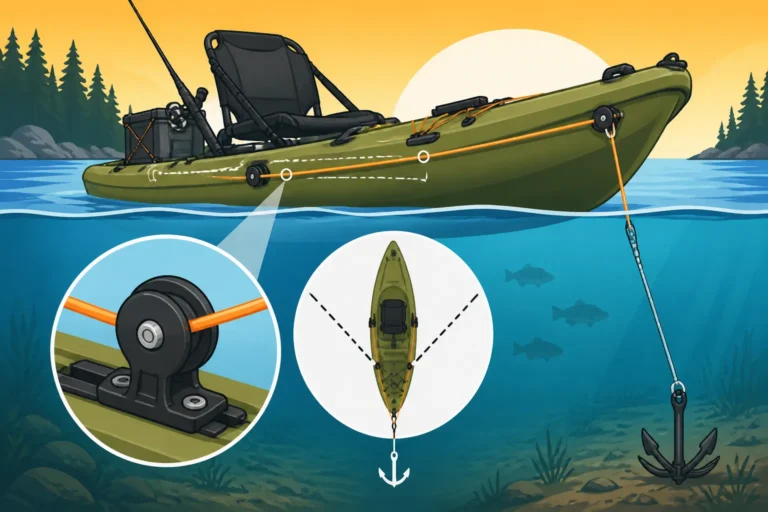
Firstly, a Personal Flotation Device (PFD) is non-negotiable. Not just because it's the law, but because it could save your life. Choose one specifically designed for kayaking or angling, with features like large armholes for paddling, multiple pockets for small gear, and a comfortable fit that you'll actually wear all day. Secondly, invest in a quality paddle leash if you're paddling, or a leash for your pedal drive's prop. Losing your paddle or a valuable pedal unit far from shore on a vast lake is a nightmare scenario. An anchor system (either a small traditional anchor or a stake-out pole for shallow water) is also crucial for holding position against wind, current, or when you find a hot spot. A dry bag or box is essential for protecting your phone, keys, wallet, and any other electronics from splashes or accidental dunkings. Finally, don't underestimate the power of sun protection – a wide-brimmed hat, polarized sunglasses, and sunscreen are critical for long days under the Ontario sun, preventing sunburn and reducing glare for better sight fishing.
Electronics and Fish Finder Integration
A fish finder is arguably the single most important piece of electronic gear for a serious lake kayak angler. It helps you locate structure, baitfish, and ultimately, your target species. Integrating it seamlessly into your sit-on-top kayak is key.
Start with a reliable battery – typically a small 12V sealed lead-acid or a lighter lithium battery – housed in a waterproof box. Mount the battery box securely but accessibly. For the transducer, many sit-on-top kayaks come with a "transducer-ready" scupper hole or a dedicated plate on the hull. This allows you to mount the transducer without drilling, giving you a clear view of the water below. If your kayak doesn't have this, universal transducer arms that clamp to the side or specialized in-hull mounting kits are available. Finally, for the screen placement, choose a spot that's easily visible without obstructing your paddle stroke or casting motion. Gear tracks are fantastic for this, allowing you to use a flexible mount to position the screen perfectly, giving you full control over your fishing electronics.
Customizing for Specific Ontario Species
Different species require different approaches, and your kayak rigging can be optimized to suit your target. Whether you're chasing the toothy grins of northern pike or the elusive bite of walleye, a tailored setup makes a difference.
If you're primarily walleye fishing in Ontario, you might focus on having multiple rod holders for trolling a spread of crankbaits or crawler harnesses. Easy access to jigging rods and a livewell or cooler for baitfish would also be high priorities. A net with a long handle is invaluable for reaching over the side to land those slippery walleye. For muskellunge fishing in Ontario, you'll need heavy-duty rod holders capable of handling large bucktails and jerkbaits, and a very large, rubber-coated landing net to protect both you and the fish. Georgian Bay Muskie Fishing can be intense, and having your gear ready for a big fight is crucial. If smallmouth bass fishing in Ontario is your game, quick access to multiple tackle trays with topwaters, soft plastics, and jigs is important. You might also want a shallow-water anchor to hold steady on rocky points or around submerged structure, allowing you to cast precisely into feeding zones. Thinking through these scenarios before you hit the water will make your setup much more efficient and your fishing more successful.
Disclaimer
This article is for general informational purposes only and does not constitute professional advice. Laws, prices and regulations vary by location and change over time. Consult a qualified professional for guidance on your specific situation.