How to fish a crawler harness for walleye
It's frustrating when you know walleye are in the area but they just won't commit to your traditional lures. They can be finicky, holding tight to structure or scattered across open water, making them a real challenge. This guide dives deep into one of the most consistently effective presentations for Ontario walleye: the humble yet mighty crawler harness, helping you unlock more bites and successful fishing trips.
Understanding the Walleye Crawler Harness: Why It's a Game-Changer
The walleye crawler harness might seem simple at first glance, but its genius lies in its ability to combine natural appeal with irresistible flash and vibration. For anglers across Ontario, from the vast expanses of Lake Erie to the countless inland lakes like Lake Nipissing, this rig has proven its worth time and again, especially when walleye are spread out or in a neutral mood. It's not just a piece of tackle; it's a presentation designed to tap into a walleye's primal instincts.
Deconstructing the Components of a Harness
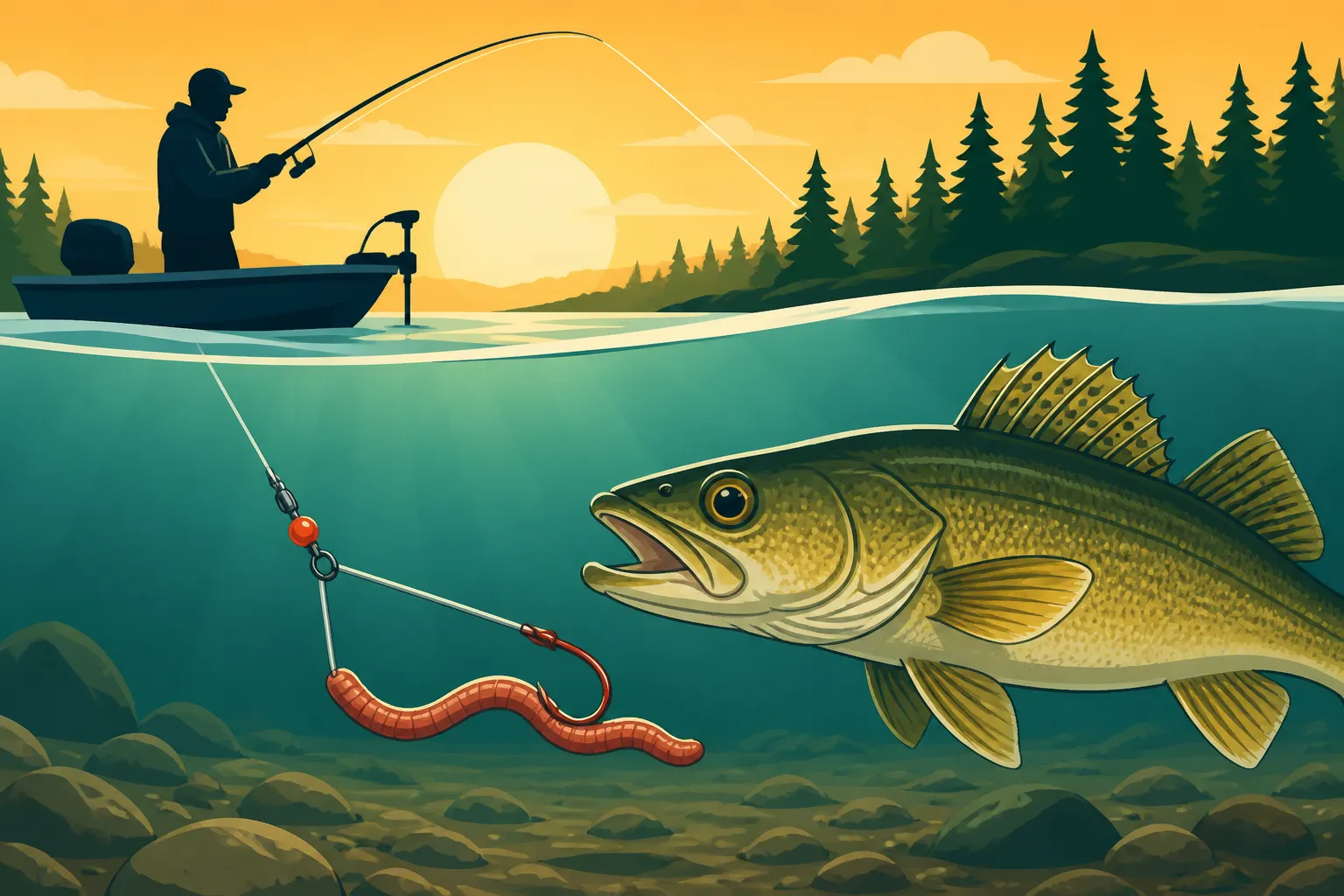
At its core, a crawler harness is a leader, usually fluorocarbon, equipped with a series of beads, a clevis holding a spinning blade, and two snelled hooks. Each element plays a crucial role in luring in those elusive walleye. The leader provides stealth, as walleye can be quite line-shy in clear Ontario waters. The beads serve multiple purposes: they add visual attraction, create subtle rattling sounds, and act as spacers for the clevis, allowing the blade to spin freely. Choosing the right bead colour can sometimes make all the difference, mimicking natural forage or providing a high-contrast target.
The blade is perhaps the most iconic feature, delivering both flash and vibration as it moves through the water. This combination mimics injured baitfish, a prime target for opportunistic walleye. There's a wide array of blade shapes, sizes, and colours, each with its own unique action and appeal. Best Tackle for Ontario Walleye often includes a good selection of these blades. Finally, the two snelled hooks are designed to cradle a live nightcrawler, presenting it in a natural, elongated fashion that walleye find hard to resist. This live bait element is arguably the most powerful draw, providing natural scent, taste, and movement that artificial lures often struggle to replicate.
How Flash, Vibration, and Scent Combine for Success
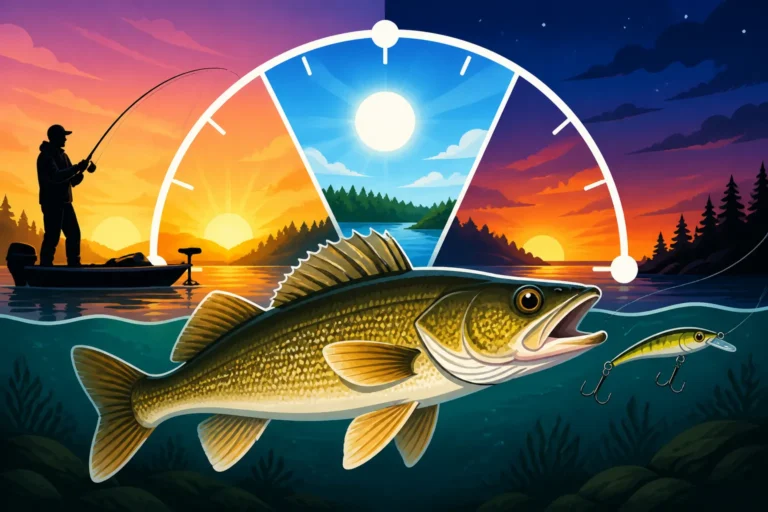
The magic of the crawler harness truly unfolds when these components work in harmony. The spinning blade throws off intense flashes of light, particularly effective in stained or turbid waters, or on overcast days when ambient light is low. This flash acts as a visual beacon, drawing walleye from a distance. Simultaneously, the blade's rotation creates distinct vibrations in the water, which walleye detect with their lateral lines. This sensory input helps them home in on the bait, even in low-light conditions or when visibility is poor, like during those prime dusk and dawn bites.
Beyond the mechanical attraction, the live nightcrawler provides an undeniable natural scent trail. Walleye are highly scent-oriented predators, and the enticing aroma of a wriggling worm is often the final trigger that prompts a strike. When walleye are lethargic or wary, the subtle movement, natural scent, and enticing visual/vibrational cues of a perfectly presented crawler harness can coax them into biting when other methods fail. It's a comprehensive package that appeals to multiple senses, making it incredibly versatile for targeting walleye across various conditions in Ontario's diverse fisheries.
Rigging Your Crawler Harness for Ontario Walleye Success
Getting your crawler harness set up correctly is paramount for success. It's not just about attaching it to your line; it's about optimizing its presentation to maximize its alluring qualities. Many factors come into play, from the type of weight you choose to how you actually thread that nightcrawler.
Choosing the Right Weight for Depth and Conditions
The weight you pair with your crawler harness is critical for controlling depth and maintaining contact with the bottom, especially when How to Catch Walleye in Ontario means finding them on specific structures. The most common choice in Ontario is a bottom bouncer. These L-shaped weights are designed to bounce and glide over rocky or snag-filled bottoms without getting hung up easily, presenting your harness just above the lakebed where walleye often feed. They come in various sizes, typically ranging from ½ ounce to 3 ounces, with heavier weights used for deeper water, stronger currents, or faster trolling speeds.
Another option is an inline trolling weight, often used when walleye are suspended higher in the water column or when trolling in open water. These cigar-shaped weights are threaded directly onto your main line, allowing the harness to trail behind. For shallower water or when drifting in lighter current, a simple split shot or an egg sinker can be used above a swivel. Always consider the depth you're targeting, the speed of your boat, and the prevalent current or wind conditions to select the appropriate weight. It’s better to be slightly heavier than too light, ensuring your bait stays in the strike zone. You can find a wide variety of these weights available for purchase on Amazon, allowing you to experiment with different sizes.
The Art of Threading Your Nightcrawler
Properly threading your nightcrawler onto the harness hooks is an art form that can significantly impact your success. The goal is a natural, elongated presentation that allows the worm to undulate appealingly in the water, mimicking natural prey. Start by hooking the nightcrawler through the very tip of its head with the lead hook. Then, gently pinch the worm about an inch or two down from the head, and run the second hook through the body, ensuring the hook point is exposed.
Avoid balling up the worm or hooking it too many times, as this restricts its natural movement and makes it look unnatural. You want the tail end of the nightcrawler to be free to wiggle and create a tantalizing action. If your nightcrawler is exceptionally long, you can pinch off a small piece from the tail end after hooking, but generally, a full or nearly full worm is preferred. The more natural the presentation, the more likely a walleye is to commit. Practice makes perfect, and you'll soon develop a feel for the ideal worm length and hook placement that works best in your favourite Ontario fishing spots.
Mastering the Retrieval: Techniques for Fishing a Crawler Harness
Once your harness is rigged and your worm is threaded, it's time to learn how to present it effectively. The beauty of the crawler harness lies in its versatility, allowing for different retrieval methods depending on the conditions and the walleye's mood.
Slow Trolling: The Most Common Method
Slow trolling is hands down the most popular and effective way to fish a crawler harness for walleye across Ontario's vast waterways. The idea is to move your boat at a very slow speed, typically between 0.8 and 1.5 miles per hour. This speed is crucial because it allows the blade on your harness to spin just fast enough to create flash and vibration, while the nightcrawler trails naturally behind, undulating enticingly. Any faster, and the worm can spin unnaturally or tear off the hooks. Any slower, and the blade might not activate properly.
When trolling, pay close attention to your rod tip. You want to see a steady "thump, thump, thump" indicating the blade is spinning correctly. If your rod tip is still, you're either going too slow, have weeds on your blade, or your worm is balled up. Experiment with slight speed changes; sometimes a subtle acceleration or deceleration can trigger a following walleye. Trolling allows you to cover large areas, systematically searching for active fish over structure like reefs, points, or weed edges that are common in many of Ontario's Best Fishing Lakes in Ontario. Using your electronics to identify depth contours and baitfish schools will greatly enhance your trolling success.
Drift Fishing: Letting Nature Do the Work
For those days when the wind is just right, drift fishing with a crawler harness can be incredibly productive. This method involves using the natural current or wind to move your boat slowly over promising structure, allowing your harness to flow naturally. It's a fantastic technique for targeting walleye on large flats, across subtle depth changes, or along extensive weed lines. The key is to control your drift speed. If the wind is too strong, deploy a drift sock or two to slow your boat down to that ideal 0.8 to 1.5 mph range.
When drift fishing, constantly monitor your line angle. You want to keep it as close to vertical as possible, which helps maintain bottom contact with your bottom bouncer and ensures the harness is presented directly in the walleye's strike zone. A common frustration is having too much line out, which makes it harder to detect bites and more prone to snags. Occasionally, lift and drop your rod tip a foot or two to impart additional action to the blade and worm, triggering inquisitive walleye. This method offers a more subtle presentation than trolling, often effective for finicky fish.
Casting and Slow Retrieve: When Precision Matters
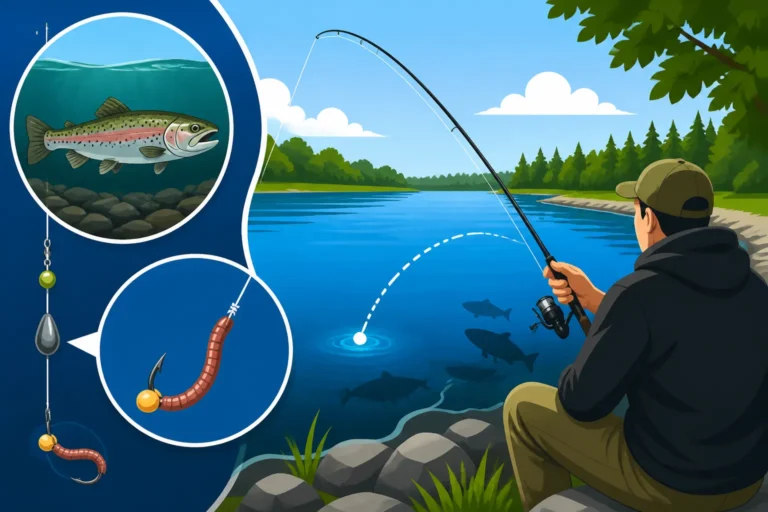
While trolling and drifting cover large areas, sometimes you need to be more precise, especially when targeting specific pockets, weed edges, or tight structure. This is where casting and slowly retrieving a crawler harness shines. It's particularly useful when you're fishing from shore, a kayak, or a smaller boat where extensive trolling isn't feasible. Focus your casts on areas you suspect walleye are holding, such as breaklines, submerged timber, or the edges of dense weed beds.
After casting, let your weight settle to the bottom. Then, with a slow, steady retrieve, reel just fast enough to get the blade spinning, occasionally lifting your rod tip gently to create a subtle "hover" before letting it settle back down. The idea is to keep the harness near the bottom, allowing the worm's natural scent and action to do its work. Pay close attention to any taps, bumps, or sudden heaviness in your line – these are often tell-tale signs of a walleye bite. This technique requires more engagement from the angler but offers the reward of targeting precise spots that might be inaccessible to traditional trolling passes.
Tips and Tricks for Maximizing Your Walleye Catch with a Harness
Beyond the basic mechanics, there are always little nuances and clever approaches that can significantly boost your walleye success when using a crawler harness. From choosing the right colour to adapting to the conditions, these tips can make a real difference on an Ontario fishing trip.
Blade Selection: Shape, Size, and Color Matters
The blade on your crawler harness is a major attractor, and selecting the right one can be crucial. Different blade shapes offer distinct actions. Colorado blades, with their rounder profile, create maximum vibration and lift, making them excellent for slow retrieves or in stained water where heavy vibration helps walleye locate the bait. Indiana blades offer a middle ground, providing good flash and vibration. Willowleaf blades are long and slender, producing less vibration but maximum flash, ideal for faster trolling speeds or clear water conditions. Ontario Walleye Opener Dates by Zone often see anglers experimenting with different blades as fish react to post-spawn conditions.
| Blade Type | Vibration Level | Flash Level | Ideal Conditions |
|---|---|---|---|
| Colorado | High | Moderate | Slow retrieves, stained water, low light, deep water |
| Indiana | Medium | Medium | Versatile, moderate speeds, varying water clarity |
| Willowleaf | Low | High | Fast retrieves, clear water, high light, shallower |
Color is another critical factor. On bright, sunny days and in clear water, naturalistic patterns like silver, gold, or hammered brass often excel, mimicking natural baitfish. In overcast conditions or stained water, brighter, more aggressive colours such as chartreuse, orange, or even "firetiger" patterns can be highly effective, providing a high-contrast target. Sometimes, the fish are keyed into very specific baitfish, so matching the hatch with colours like perch or shiner patterns can make a huge difference. Don't be afraid to experiment, and always have a variety of blade options on hand. Many anglers find it convenient to stock up on various blade shapes and colours through online retailers like Amazon before heading out.
Scent and Bait Presentation Finesse
Even with a live nightcrawler, adding extra scent can sometimes be the tipping point for a hesitant walleye. Many anglers will add a commercial walleye scent to their worm or directly to the beads and blade. These scents are often infused with fish pheromones or anise oil and can help cover human scent or provide an additional attractant, especially in cold water or when fish are less active. Be mindful not to overdo it; a little goes a long way.
Beyond scent, the "finesse" of your bait presentation is critical. Ensure your nightcrawler is lively and free of dirt or debris that might impede its action. If you notice your worm is tearing or looking unnatural, replace it immediately. Walleye can be incredibly discerning, and a poorly presented or damaged worm will often be ignored. When you're fishing in clear waters, like some areas of Lake Simcoe, even the smallest detail in your bait presentation can impact whether a walleye strikes or simply follows. Regularly check your hooks for sharpness and ensure they are free of any weeds or slime, which can turn off a potential bite.
Reading the Water and Electronics Integration
Successfully fishing a crawler harness is intimately tied to understanding the water you're fishing and leveraging your electronics. Walleye are creatures of structure, whether it's a deep breakline, a submerged hump, or the edge of a vast weed flat. Use your fish finder to locate these features and identify schools of baitfish or arches that indicate walleye. Pay attention to changes in bottom composition – a hard bottom area next to a soft mud flat can be a walleye magnet. How to use the Fish ON-Line interactive zone map can also help you pinpoint likely areas before you even launch your boat.
Once you identify a promising area, use your electronics to stay on course, whether you're trolling or drifting. Modern side-imaging and down-imaging sonar can show you exactly where your bottom bouncer is in relation to structure and fish, allowing for incredibly precise presentations. Don't just motor aimlessly; actively use your electronics to create a strategy. If you see fish on a specific depth, adjust your speed or weight to ensure your harness is consistently in that strike zone. The combination of a well-rigged crawler harness and smart use of your boat's technology will significantly increase your odds of bringing more Ontario walleye to the net.
Disclaimer
This article is for general informational purposes only and does not constitute professional advice. Laws, prices and regulations vary by location and change over time. Consult a qualified professional for guidance on your specific situation.