Best streamer rod setup for big brown trout
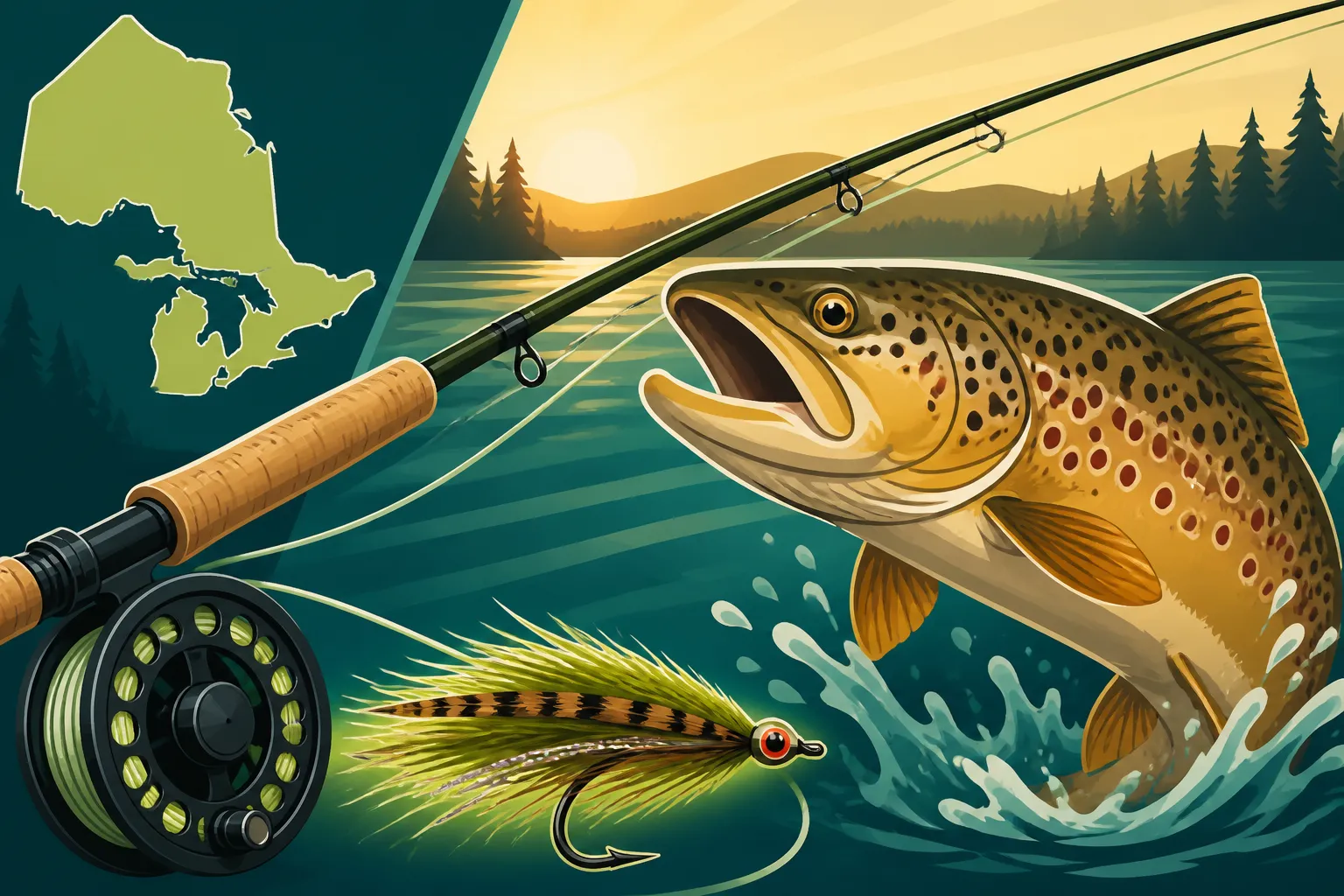
Chasing big brown trout in Ontario with streamers is an electrifying experience, but it can quickly become a frustrating affair if your gear isn't up to the task. You're trying to cast bulky, wind-resistant flies, penetrate powerful currents, and then stand a chance against a truly large, aggressive fish that knows every snag and undercut in its home water. This guide is here to walk you through crafting the ultimate streamer rod setup, ensuring you have the power, precision, and confidence to hook into and land those elusive Ontario giants.
The Foundation: Choosing Your Streamer Rod for Power and Presentation
When you're dedicated to throwing streamers for big brown trout, your fly rod isn't just a tool; it's the engine that delivers your fly and the backbone that controls the fight. Skimping here will lead to exhaustion, missed opportunities, and potentially broken hearts (and rods!). We're talking about flies that can be several inches long, weighted with lead eyes, and designed to push a lot of water. These aren't delicate dry flies.
A proper streamer rod is built for power, recovery, and durability. It needs to handle aggressive casting strokes, punch through windy conditions, and then absorb the shock of a powerful strike. Think of it as the heavy artillery in your fly fishing arsenal. Many anglers try to make do with their everyday trout rods, and while that might work for smaller streamers and average fish, it falls apart when targeting true trophies or when conditions get tough. You'll quickly find yourself struggling to turn over your fly, experiencing arm fatigue, and lacking the necessary leverage when a big brown decides to bulldog its way back into heavy cover.
Rod Weight and Length for Streamer Power
For big brown trout, especially when using larger, articulated, or heavily weighted streamers, you'll want to step up in rod weight significantly from your standard dry fly or nymph rod. A 6-weight or 7-weight rod is often considered the minimum starting point, with many seasoned streamer anglers preferring an 8-weight. The heavier line weight is crucial because it's designed to carry the mass of those larger flies through the air with authority. Without it, you'll feel like you're trying to throw a wet sock with a toothpick.
The length of the rod also plays a critical role. A 9-foot rod is generally the standard and offers a good balance of casting distance, line control, and fighting power. However, some anglers might opt for a 9.5-foot or even a 10-foot rod, particularly if they frequently fish larger rivers or need to mend line over complex currents from a distance. The added length provides more leverage for controlling heavy flies, better line pickup for quick mends, and often makes it easier to steer a hooked fish away from snags. It's a trade-off, though, as longer rods can be a bit more cumbersome in tight casting quarters or when wading through dense brush along a riverbank. Consider where you typically fish – open rivers like sections of the Grand or Credit might benefit from a longer rod, while smaller, brushier creeks might demand a slightly shorter, more nimble option.
Action That Casts Big Flies
Rod action refers to where a rod bends when pressure is applied. For streamer fishing, a fast-action or very fast-action rod is almost universally preferred. This type of rod bends primarily in the tip section, offering significant backbone and quick recovery. This "stiffness" might feel a bit intimidating to a beginner used to softer, more forgiving rods, but it's exactly what you need to load and cast those heavy, wind-resistant streamers effectively. A fast-action rod generates higher line speed, which is essential for turning over big flies and punching through wind. It also provides the power needed to set the hook firmly into the tough jaw of a large brown trout.
Conversely, a medium or slow-action rod will struggle immensely with heavy streamers. It simply won't have the power to accelerate the line and fly, resulting in sloppy, inaccurate casts that often collapse mid-air. You'll find yourself fighting the rod more than enjoying the cast. Beyond casting, the stiff backbone of a fast-action rod translates directly into fighting power. When you hook into a big, angry brown that's trying to burrow under a log or run into fast current, that stiffness allows you to apply maximum pressure and steer the fish effectively. It helps you dictate the fight, rather than letting the fish run the show.
Matching the Reel and Line: Balance and Control
Once you've got your powerful rod, you can't just slap any old reel and line on it. These components are vital for balance, proper casting, and most importantly, fighting and landing those trophy brown trout. A well-matched reel provides a counterbalance to the rod, making it feel lighter and more comfortable to cast all day. The right fly line is the unsung hero, doing the heavy lifting to deliver your streamer where it needs to go.
Neglecting these elements is like putting budget tires on a high-performance sports car; you simply won't get the full potential out of your setup. Many anglers focus solely on the rod, but a poorly matched reel can throw off the entire feel, making long casting sessions tiring. And a cheap, ill-suited line will negate all the advantages of a good rod, making casting a chore rather than a pleasure.
The Right Reel for the Fight
For streamer fishing, your reel primarily serves two critical functions: holding your line (both fly line and backing) and providing a reliable drag system. While some smaller trout fishing often involves hand-lining fish, big brown trout demand a reel with a smooth, consistent, and strong drag. When a 20-inch brown makes a searing run, you need a drag that won't stutter or seize, preventing break-offs and protecting your tippet. Look for a reel that is designed for the corresponding rod weight (e.g., a 7/8 weight reel for a 7 or 8 weight rod).
Beyond drag, capacity is important. You'll want a reel that can comfortably hold your full fly line plus at least 100-150 yards of 20-pound backing. This backing is your insurance policy against long runs from big fish. Material-wise, a machined aluminum reel offers durability and corrosion resistance, which is excellent for prolonged use in various conditions, from clear spring creeks to larger rivers. While you don't necessarily need the most expensive reel on the market, investing in a reputable brand ensures a reliable drag system and solid construction. Brands like Orvis, Lamson, and Sage offer excellent options that strike a balance between performance and value, and you can often find great deals at places like Bass Pro Shops or through online retailers like Amazon.
Fly Line for Streamer Success
This is where many anglers make mistakes, and it's perhaps the most critical component for effective streamer fishing. You cannot use a standard floating weight-forward trout line for most streamer applications. To get your streamer down to where big browns live and to maintain contact in current, you need specialized lines. The most common choices are sinking tip lines or full sinking lines.
A sinking tip line has a floating running line and a dedicated sinking section (the "tip") at the front. These tips come in various sink rates, measured in inches per second (IPS). For average streamer fishing in moderate depths, a 3-5 IPS sinking tip is a good all-around choice. If you're fishing deeper runs or faster currents, a 6-7 IPS or even faster tip might be necessary. The advantage of a sinking tip is that it allows you to easily mend and control the floating running line on the surface, while the fly sinks to the strike zone. For aggressive presentations in shallow riffles, some anglers might even stick with a heavier weight-forward floating line that has a short, aggressive front taper, but this is less common for "big" brown trout streamer fishing in deeper pockets.
For truly deep water or very strong currents where you need your fly to get down fast and stay there, a full sinking line is indispensable. These lines sink uniformly along their entire length and come in various sink rates, from slow to very fast (often T-series lines, like T-14, which indicates 14 grains per foot and sinks quickly). The downside is that line mending is much harder, as the entire line is subsurface. However, for getting heavily weighted flies to depth in places like the deeper pools of a larger river, it's the only way. Choosing the right fly line depends entirely on the depth and speed of the water you'll be fishing, making it crucial to have a few different lines or spools on hand to adapt to conditions. Exploring options from brands like Scientific Anglers or Rio will give you a great foundation.
Leaders, Tippet, and the Business End: Connecting to the Trout
You've got your powerful rod, a dependable reel, and a line designed for the task. Now, it all comes down to the connection between your fly line and your streamer – the leader and tippet. This is where a lot of fights are lost if you're not paying attention to strength and abrasion resistance. Big brown trout are not shy, and when they hit a streamer, they hit it with conviction. They'll also try to take you into every piece of cover available.
Many anglers put too much emphasis on delicacy with leaders, even for streamer fishing. While some level of stealth is always good, heavy-duty fishing requires heavy-duty terminal tackle. A weak link here is simply asking for trouble. You want a setup that can withstand the initial violent strike, the relentless head shakes, and the constant grinding against rocks and logs that a large brown trout will inevitably try to do.
Strong Leaders for Aggressive Takes
For streamer fishing, forget your delicate 9-foot 5X tapered leaders. You need something much shorter and much stronger. The goal is to efficiently transfer the energy from your fly line to turn over that heavy streamer, and then to provide a strong, abrasion-resistant connection to the fish. A standard streamer leader is typically much shorter than a traditional trout leader, often ranging from 4 to 7 feet in length. The shorter length helps with turnover and reduces tangles, especially when casting bulky flies.
The leader construction itself is also critical. Many anglers opt for a simple, knotless straight piece of heavy monofilament or fluorocarbon, or a very short, stout tapered leader. You want a butt section that matches the power of your fly line (e.g., 20-30 lb test) transitioning rapidly to a tippet section. Fluorocarbon is often preferred for its nearly invisible nature underwater and its superior abrasion resistance compared to monofilament. This is a huge advantage when fishing around rocky bottoms, submerged timber, or even ice, where a brown trout might try to rub your line off. The key is to avoid leaders that are too long or too light, as they will struggle to turn over your streamer effectively and won't stand up to the fight. Remember, we're not trying to fool a wary trout sipping tiny dry flies; we're trying to provoke an aggressive predator.
Tippet Selection for Confidence
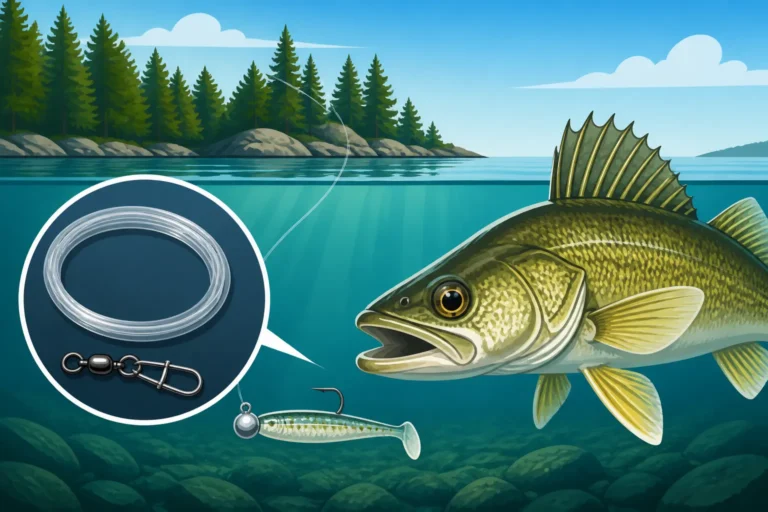
Your tippet is the final, and often most vulnerable, connection to your fly. For big brown trout on streamers, you need strong tippet, typically much heavier than what you'd use for other trout fishing methods. Think 0X, 1X, 2X, or even 15-20lb test fluorocarbon. The exact size will depend on the size of your streamer, the clarity of the water, and the size of the fish you're targeting. For instance, if you're throwing a massive 6-inch articulated fly, pairing it with 3X tippet is just asking for a break-off. You need enough strength to absorb the shock of a strike and to apply heavy pressure during the fight.
Abrasion resistance is paramount. Big brown trout love to dive into structure like fallen trees, undercut banks, and rock piles. Fluorocarbon tippet, with its hard, dense composition, handles these encounters much better than monofilament. While monofilament is more forgiving with knots, the added confidence and strength of fluorocarbon often outweigh this for aggressive streamer fishing. Always check your tippet frequently for nicks and abrasions, especially after landing a fish or getting snagged. A quick re-tie can save you a trophy fish. You can find excellent fluorocarbon tippet from brands like Seaguar or Rio, available at your local fly shop or online through retailers like Amazon. It's an investment, but one that pays off when that fish of a lifetime takes your fly. Best tippet size for stocked trout provides good general information, but for big browns, always size up!
Putting it All Together: Recommended Setups and Considerations
Building the perfect streamer setup isn't just about individual components; it's about how they harmonize to create an effective and enjoyable fishing experience. When your rod, reel, line, and leader are all working together, casting becomes effortless, and fighting fish feels controlled. It’s a joy to fish when everything is balanced and performing as intended.
Beyond the core components, there are also a few extra pieces of gear that will significantly enhance your streamer fishing endeavors. These aren't just "nice-to-haves" but rather essential tools that make your time on the water more productive and comfortable, especially when you're targeting those elusive, hard-fighting brown trout.
Ideal Setups for Different Scenarios
Let's break down a couple of common scenarios and the ideal setups:
-
For Smaller to Medium Streamers (2-4 inches) in Moderate Rivers:
- Rod: 9-foot, 6-weight or 7-weight, fast-action. This provides enough power for the flies but still offers a bit more finesse than an 8-weight.
- Reel: Matching 6/7 or 7/8 weight reel with a smooth, reliable disc drag and ample backing capacity.
- Fly Line: Weight-forward floating line with an aggressive front taper if you're fishing mostly shallow water and want surface mending capability. More commonly, a sinking tip line (e.g., 10-foot, 3-5 IPS tip) is preferred to get flies down.
- Leader/Tippet: 5-6 foot leader, straight 15-20 lb fluorocarbon, or a short, stout tapered leader ending in 0X or 1X (12-15 lb) fluorocarbon tippet.
- Example: Fishing smaller Canadian Shield rivers or larger creeks for actively feeding brown trout where medium-sized minnow imitations are key. You'll be able to make precise casts into pockets and runs.
-
For Large, Articulated Streamers (4-8 inches) in Big Rivers or Deep Pools:
- Rod: 9-foot, 8-weight, very fast-action. This is your heavy hitter, designed to launch big bugs and control big fish.
- Reel: Matching 7/8 or 8/9 weight reel, robust drag, and at least 150 yards of 20 lb backing. You need that extra line for powerful runs.
- Fly Line: Full sinking line (e.g., Type III, IV, or V; or T-10, T-14 lines) to get your flies deep and keep them there in strong currents. Alternatively, a very aggressive sinking tip line (e.g., 15-foot, 6-7+ IPS tip).
- Leader/Tippet: 4-5 foot leader, straight 20-25 lb fluorocarbon, or a heavy tapered leader ending in straight 15-20 lb fluorocarbon tippet. Strength and abrasion resistance are paramount here.
- Example: Targeting large, structure-oriented brown trout in deep pools of the Niagara River or other major Ontario river systems, where heavy sink rates and maximum pulling power are essential. Brown Trout Habits in Ontario Streams often dictate these deeper presentations.
| Component | Small/Medium Streamers (2-4") | Large/Articulated Streamers (4-8") |
|---|---|---|
| Rod Weight | 6-wt to 7-wt | 8-wt (or even 9-wt in extreme cases) |
| Rod Length | 9-foot (can go 9.5-10ft for larger water) | 9-foot (standard for power and control) |
| Rod Action | Fast-Action | Very Fast-Action |
| Reel Size | Matching 6/7 or 7/8 weight | Matching 7/8 or 8/9 weight |
| Fly Line | Sinking Tip (3-5 IPS) or Aggressive WF Floating | Full Sinking (Type III-V, T-10/T-14) or Heavy Sinking Tip (6-7+ IPS) |
| Leader Length | 5-6 feet | 4-5 feet |
| Tippet Strength | 0X – 1X Fluorocarbon (12-15 lb) | 15-20 lb Fluorocarbon |
Additional Gear for the Streamer Angler
Beyond the rod, reel, line, and leader, a few other items are non-negotiable for serious streamer fishing for big brown trout:
-
A Quality Landing Net: A large, rubber-mesh landing net is essential for safely subduing and releasing big browns. The rubber mesh protects the fish's slime coat and fins, and its generous size makes it easier to net a powerful, thrashing fish. Trying to hand-land a big brown on a strong current is a recipe for disaster. Best Landing Net for Trout provides more details on what to look for.
-
Waders and Wading Boots: You'll almost certainly be wading to access the best water. Breathable chest waders are ideal for comfort throughout the seasons, paired with sturdy wading boots that offer excellent grip on slippery river bottoms. Felt soles can be great for slick rocks, but rubber soles are often more versatile and better for walking on land. Invest in good quality here; cold, wet feet or a clumsy fall can ruin a day. You can find reliable waders and boots at Bass Pro Shops or specialized fly shops. Check out Best Waders for Ontario Trout Streams and Best Wading Boots for Rocky Streams for detailed recommendations.
-
Fly Boxes and Streamer Selection: You'll need durable fly boxes to organize your large, often barbed streamers. Having a good selection of patterns in various sizes and colours (e.g., olive, black, white, natural baitfish patterns) is crucial, as brown trout can be particular. Always have some articulated, heavily weighted, and lightly weighted options. Best Streamer Patterns for Ontario Brown Trout offers great ideas for flies to stock.
-
Leader Wallet/Spool Tender: Keeping your fluorocarbon leaders and tippet spools organized and easily accessible will save you time and frustration on the water. This also helps protect the line from UV damage and tangles.
-
Pliers/Forceps: Essential for safely removing hooks from toothy trout and for crimping split shot if you need extra weight on your leader. Look for a pair with a long, sturdy nose for easier hook removal.
Ultimately, your streamer setup for big brown trout in Ontario should be a system that inspires confidence. When you know your gear can handle whatever the river and the fish throw at it, you can focus on the pure joy of the chase. Good luck out there! Fly Fishing for Trout in Ontario is a great resource if you're looking to dive deeper into the world of fly fishing.
Disclaimer
This article is for general informational purposes only and does not constitute professional advice. Laws, prices and regulations vary by location and change over time. Consult a qualified professional for guidance on your specific situation.