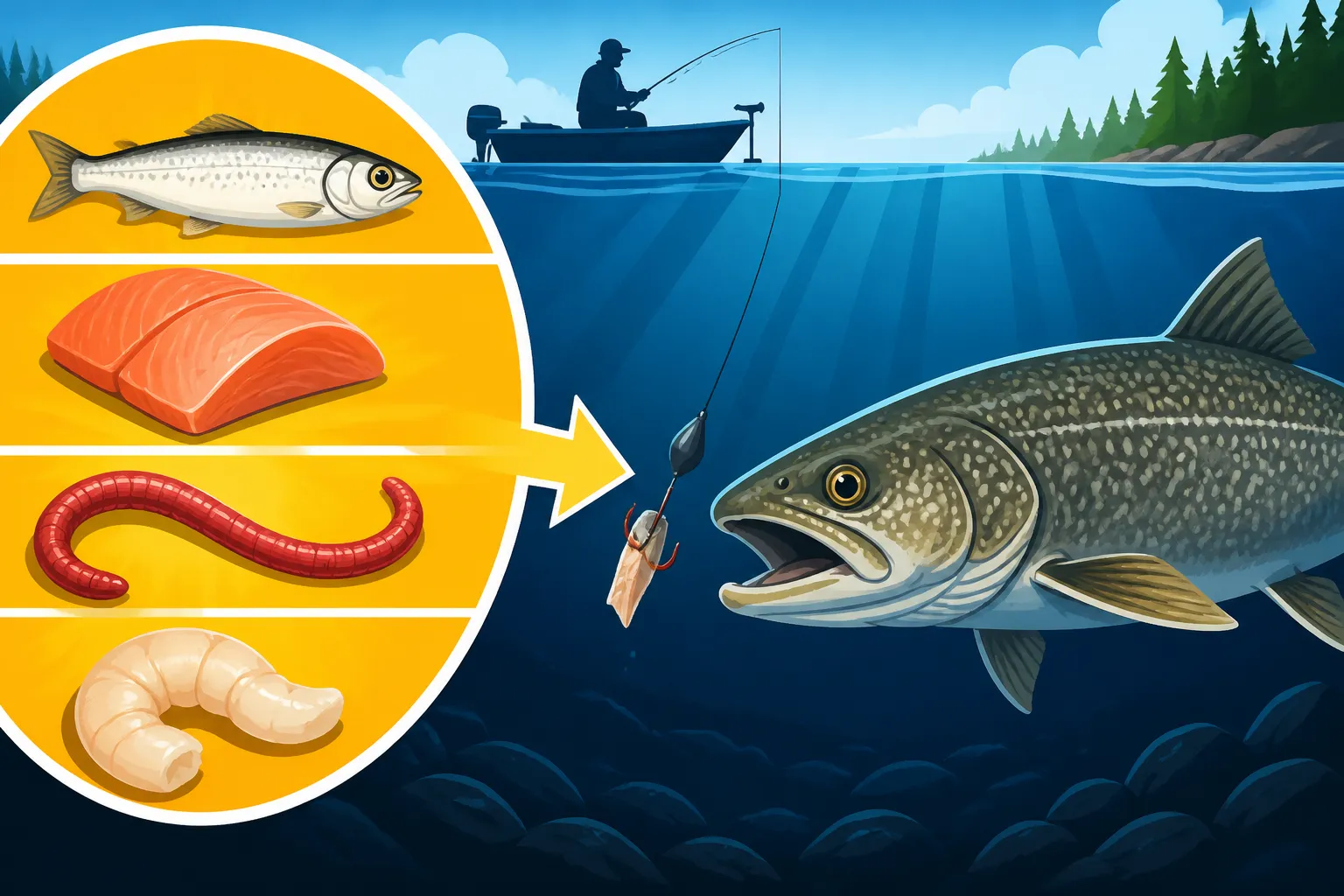
Best bait for lake trout in deep water
You’ve battled the elements, located that deep, cold water on your favorite Ontario lake where those elusive lake trout love to hang out, but now the real challenge begins: what bait do you use to actually get their attention way down there, often hundreds of feet below the surface? It’s a frustrating puzzle, trying to match the hatch in the dark abyss, knowing one wrong choice means a long, unproductive day. This comprehensive guide will pull back the curtain on the most effective baits and strategies to entice deepwater lake trout, helping you turn those frustrating blank days into memorable catches.
The Deepwater Lake Trout Enigma: Why They Go Down
Lake trout are magnificent cold-water predators, and as the seasons change, especially in the warmer months, they retreat to the icy depths of our vast Ontario lakes. Understanding why they do this and what they’re looking for down there is the first step to choosing the right bait. It's not just about temperature; it's about comfort, safety, and food.
Thermal Refuge and Oxygen Levels
When summer hits in Ontario, the surface waters warm up significantly. For a fish like a lake trout, which thrives in cold, oxygen-rich environments, this means seeking refuge. They'll follow the thermocline—that invisible barrier where warm surface water meets cold deep water—down, sometimes to incredible depths. This isn't just for comfort; it's a matter of survival. Their metabolism is wired for cold water, and warmer water causes stress, affecting their ability to feed and fight. The deeper, colder water also tends to hold more dissolved oxygen, which is crucial for these active predators. So, if you're fishing in July or August on a large lake like Lake Superior, Lake Huron, or even some of the deeper lakes in Algonquin Park, expect those lakers to be hunkered down, often in water 50 feet deep or more.
They aren't just sitting there idly, though. While their activity might slow down slightly in the deepest, coldest water, they are still actively hunting. They rely on their keen senses to ambush prey in low light conditions. Thinking like a lake trout in the deep means understanding they're opportunistic, conserving energy, and waiting for an easy meal to pass by.
Identifying Their Deep-Dwelling Forage
Once lake trout settle into their deepwater haunts, their diet typically shifts to what's available down there. This means primarily baitfish that also prefer cooler temperatures or are forced into deeper water by predators or conditions. Ciscoes (lake herring), smelt, sculpins, and even smaller lake trout are common prey items. These baitfish often congregate around underwater structure like humps, drop-offs, and deep points, or suspend in the water column over vast basins.
The key here is imitation. Your chosen bait needs to mimic these deep-dwelling forage fish in terms of size, profile, action, and sometimes even scent. If you're fishing a lake known for a strong cisco population, a bait that imitates a cisco will be far more effective than one designed for yellow perch, which generally prefer shallower, warmer water. It’s also important to remember that light penetration is minimal in these depths, so while color can play a role, action and vibration often become more critical in attracting attention. Consider how a distressed baitfish would behave when confronted with a predator in low light – erratic movements, flashes, and quick darts are all signals a hungry laker will pick up on.
Natural Temptations: Baits That Mimic Their Deep Menu
Sometimes, the best approach is to offer a meal that looks, smells, and feels like something a lake trout would naturally encounter. Natural baits, whether live or dead, often have an irresistible appeal that artificial lures can't quite replicate. When fishing deep for lake trout, presentation is everything, but the bait itself is the foundation.
Live Bait: The Irresistible Wiggle
There’s nothing quite like live bait to trigger a strike, even from a lethargic deepwater laker. A struggling, natural presentation is often the silver bullet. The challenge, of course, is getting live bait down to the desired depth and keeping it lively. Ciscoes, smelt, and larger minnows (where legal) are prime choices. These baits offer natural scent, vibration, and erratic movement that can be incredibly enticing.
To fish live bait effectively in deep water, you’ll need a sturdy setup. A basic rig often involves a three-way swivel, with a heavy weight (like a bell sinker or a torpedo sinker) on a short dropper line to get it down, and your baited hook on a longer leader, allowing the baitfish to swim freely a few feet off the bottom or above structure. Drifting slowly, or even very slow trolling, can present live bait effectively across large areas. You'll want to check local regulations carefully regarding the use and transport of live bait, as rules can vary by zone, especially concerning the introduction of invasive species. Remember to keep your bait fresh and lively in a well-aerated livewell – a stressed baitfish won't be nearly as attractive. For a more detailed look at bait regulations, our guide on Ontario Fishing Regulations Explained can provide valuable information.
Dead Bait & Scented Options: A Laker’s Lazy Lunch
Don't underestimate the power of dead bait. Sometimes, a lake trout isn't looking for a chase; it's looking for an easy meal, something already crippled or deceased. Large chunks of cut bait, whole dead baitfish (like smelt, ciscoes, or even herring), or even commercial scent-infused soft plastics can be incredibly effective. The primary advantage of dead bait is the strong scent trail it leaves, which can draw in lake trout from a greater distance, especially in the low-light conditions of deep water.
For dead bait, you might use a similar three-way swivel rig, or you can opt for a bottom-bouncing setup. Often, freezing whole baitfish allows them to be tougher and stay on the hook better for repeated drops into the abyss. Some anglers will inject air into dead baitfish to give them a more natural, suspended appearance. Additionally, commercially prepared scent attractants or even oily fish like sardines mashed up and applied to your bait can boost its appeal. Soft plastic swimbaits, particularly those infused with fish scent, bridge the gap between artificial and natural, offering a realistic profile with added olfactory appeal. These often come in convenient packs, and you can usually find a good selection on Amazon.
Artificial Allure: Lures Designed for Deepwater Domination
While natural baits have their place, artificial lures offer versatility, durability, and specific actions that can be precisely controlled, making them a staple for deepwater lake trout anglers. The key is to select lures that can reach the desired depth and still maintain an enticing presentation.
Jigging Spoons & Baits: Vertical Attackers
When you're trying to fish directly over a marked school of lake trout or concentrated structure, vertical jigging is an incredibly effective technique. Jigging spoons are a classic choice for deepwater lakers. Their erratic fall, flash, and vibration perfectly mimic a dying baitfish, and when snapped up, they create an aggressive reaction strike. Heavy spoons in silver, gold, white, or glow patterns are excellent, as they get down quickly and reflect what little light is available. Flutter spoons, slab spoons, and even more modern jigging raps fall into this category.
Beyond spoons, heavy tube jigs, often tipped with a piece of bait or scent, can also be deadly. Their slow, spiraling fall combined with their soft, pliable texture makes them irresistible. Drop them right to the bottom, then lift and drop, giving them an enticing dance. The goal is to imitate a stunned or dying baitfish struggling on the bottom. When you're fishing in 100+ feet of water, a good quality Best Fish Finders for Ontario Lakes becomes absolutely invaluable for locating these schools and positioning your boat directly over them. Many anglers find specific colours work better on specific lakes; it's worth experimenting, and multi-packs of these jigging baits are readily available on Amazon for trying different options.
Trolling Lures: Covering Ground in the Deep
Trolling is perhaps the most common and effective method for targeting deepwater lake trout, especially when trying to locate scattered fish or cover vast expanses of water. The right lure, presented at the right depth and speed, can be utterly devastating. Large crankbaits, spoons, and stickbaits are all excellent choices. For a deeper dive into moving baits, our guide on Trolling Techniques for Ontario Lake Trout offers some fantastic tips.
- Deep-Diving Crankbaits: These lures are designed with large bills that allow them to plunge to significant depths on their own. Choose models that are rated to dive into the target range, and consider adding weight or using lead core line to get them even deeper. Realistic baitfish patterns are always a solid choice.
- Large Spoons: While also effective for jigging, heavier trolling spoons with a wide wobble are fantastic for covering water. Colours with a lot of flash or glow are popular. Often, these are fished behind downriggers, which allow you to precisely control the depth.
- Stickbaits/Minnow Plugs: Longer, slender stickbaits can also be trolled effectively. Again, matching the profile and size of local baitfish is key. They often have a subtle roll or wobble that can be very convincing to a wary laker.
Choosing the right lure requires considering the size of the baitfish in the lake and the desired depth. You’ll be able to find a huge variety of these deep-diving lures and trolling spoons on Amazon, allowing you to compare options and read reviews before your next trip.
Mastering the Depths: Presentation & Retrieval Strategies
Getting your chosen bait to the lake trout isn't as simple as casting it out. Deepwater fishing presents unique challenges that require specific techniques and gear to ensure your presentation is effective. This is where the real nuance of deepwater laker fishing comes into play, turning good bait into great results.
Getting Down There: Weights, Downriggers, and Lead Core
The biggest hurdle in deepwater fishing is, understandably, getting your bait to the fish. Gravity helps, but current, boat speed, and line resistance can make it tricky.
- Heavy Weights and Sinker Systems: For jigging, you'll need significantly heavier jigs and spoons than you might use in shallower water. Think multiple ounces, sometimes even half a pound or more, depending on depth and current. For live or dead bait, various sinker systems, like a bottom bouncer or a cannonball sinker on a three-way swivel, are essential. The heavier the weight, the faster it gets down and the more direct contact you'll maintain with your bait. This is crucial for feeling those subtle deepwater bites.
- Downriggers: These are game-changers for trolling at precise depths. A heavy cannonball weight (often 8-12 pounds) carries your line down, and a release clip holds your fishing line. When a fish strikes, the line releases from the clip, allowing you to fight the fish directly without the weight. This is a highly effective way to consistently present lures at the exact depth where fish are holding. They take some practice to master, but the results are undeniable.
- Lead Core Line: Lead core line is a specialized fishing line that has a lead core wrapped in a braided sheath. The lead gives the line weight, causing it to sink. Anglers use a simple rule of thumb: each "colour" (typically 10 yards) of lead core will sink to a certain depth at a given trolling speed. This allows for depth control without external weights on your main line, though it's often combined with a fluorocarbon leader for stealth near the lure. Our guide on How deep to troll for lake trout in summer goes into more detail on how to use these systems effectively.
The Subtle Art of Deepwater Retrieval
Once your bait is at depth, the way you work it can make all the difference. Deepwater lake trout can be finicky, and bites are often very subtle.
- Jigging Action: For spoons and tube jigs, the "lift and drop" is fundamental. Lift your rod tip sharply, then allow the bait to free-fall on a semi-slack line. Most strikes happen on the fall. Vary the height and speed of your lifts. Sometimes a subtle quiver is all it takes; other times, an aggressive rip will trigger a reaction. Don't be afraid to let the bait sit motionless for a few seconds on the bottom (or suspended) before lifting again. It’s often that pause that draws them in. A sensitive rod with a strong backbone, like those highlighted in our Best Fishing Rods for Ontario Lakes article, is crucial for detecting these light bites and setting the hook deeply.
- Trolling Speed and Pattern: When trolling, experiment with your speed. Lake trout often prefer slower presentations, but sometimes a burst of speed can trigger a chase. Vary your boat speed and make S-turns or gentle curves. These changes in direction cause your lures to speed up and slow down, and dive and rise slightly, creating an irresistible action that can provoke a strike. Always be mindful of the Ontario Lake Trout Limit and Possession Rules for the zone you're fishing.
- Feeling the Bite: This is perhaps the hardest part of deepwater fishing. What feels like a snag might be a fish. What feels like a tick might be a monster. Use braided line as your main line (with a fluorocarbon leader) for its minimal stretch, which provides maximum sensitivity. Watch your rod tip closely and react to anything that feels unusual. Sometimes, the only sign of a bite is your line going slack or a slight resistance. Don't hesitate to set the hook! Having a well-organized Best Tackle Box Setup for Ontario Anglers can help you quickly switch between different baits and weights as you dial in the retrieve that's working best.
Experimentation is truly the name of the game in deepwater lake trout fishing. No two days, or even hours, are exactly alike. Pay attention to what's working, and don't be afraid to try something different if the fish aren't cooperating.
Disclaimer
This article is for general informational purposes only and does not constitute professional advice. Laws, prices and regulations vary by location and change over time. Consult a qualified professional for guidance on your specific situation.