Best time of day to catch walleye on Lake Nipissing
Trying to nail down the absolute best time to catch walleye on a vast, diverse lake like Nipissing can feel like chasing a phantom, especially when conditions change daily. It’s a common frustration among anglers, myself included, who spend hours pondering the perfect moment. This guide aims to pull back the curtain on walleye behavior specifically on Lake Nipissing, helping you decipher the prime feeding windows and make the most of your time on the water, no matter the season.
Understanding Walleye Behavior on Lake Nipissing
Walleye are fascinating creatures, incredibly attuned to their environment. On Lake Nipissing, understanding their habits isn't just about knowing what they eat, but when and why they eat it. This lake, with its diverse structure and forage, presents a unique challenge and opportunity for anglers who take the time to learn its rhythms.
The Impact of Light Levels
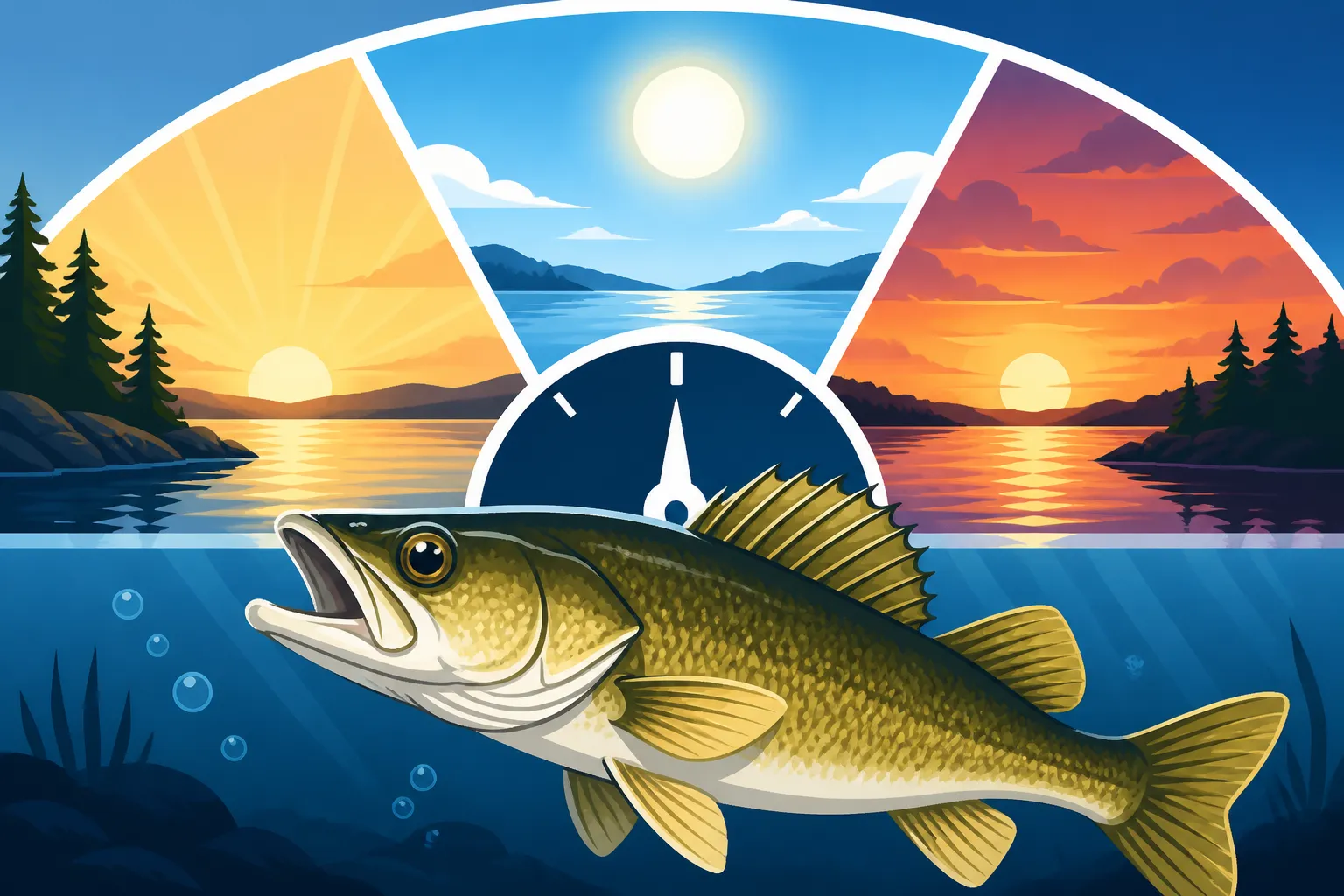
One of the most critical factors influencing walleye activity, particularly on Lake Nipissing, is light. Walleye are what we call "crepuscular," meaning they are most active during periods of low light – dawn and dusk. Their eyes are exceptionally well-adapted for low-light conditions, with a reflective layer called the tapetum lucidum that amplifies available light. This gives them a distinct advantage over their prey, which often includes species like yellow perch and cisco, whose vision isn't as specialized for dim conditions.
Imagine a situation on Lake Nipissing: a sunny, bright afternoon. Most baitfish will be easily visible, scattering when a predator approaches. Now picture the same scene at twilight. The walleye, with their superior low-light vision, can stalk their prey almost unseen. This is why you'll often find them moving from deeper, darker haunts into shallower feeding grounds as the sun dips below the horizon or before it fully rises. The water clarity on Nipissing can vary, and in clearer areas, this low-light advantage becomes even more pronounced. On days with heavy cloud cover or even during a rain shower, that diffused light can extend these prime feeding windows, making midday fishing surprisingly productive.
Water Temperature and Seasonality
Walleye metabolism is intrinsically linked to water temperature, and Lake Nipissing experiences dramatic seasonal shifts that dictate when and where these fish will be most active. You can’t fish Nipissing the same way in May as you would in August, or through the ice in January.
- Spring (Post-Spawn): After the ice melts and the walleye have completed their spawn (often in April or early May, depending on the ice-out), they are often recovering but quickly start to feed aggressively to regain lost energy. Water temperatures are still cool, typically in the 40s and 50s Fahrenheit (4-15°C). During this time, they often linger in shallower areas near spawning grounds or transition to flats and points where baitfish are congregating. The best time of day can be extended, often throughout much of the daylight hours, particularly on overcast days, as they haven't yet settled into deeper summer patterns.
- Summer: As Lake Nipissing warms up, usually into the 60s and 70s Fahrenheit (15-24°C), walleye generally move to deeper, cooler water. They'll relate to structure like humps, shoals, deep weed lines, and transition areas. Their low-light preference becomes paramount, making dawn, dusk, and nighttime the undisputed best times. The midday sun can push them deep and make them lethargic. You might find some success midday if you're fishing a deep current break or a particularly deep, oxygenated hump.
- Fall: As water temperatures begin to drop again, walleye often go through another aggressive feeding period, bulking up for winter. They can be found in a wider range of depths, moving from deeper summer haunts to shallower flats and points, much like in spring, especially during low-light hours. This is an excellent time for targeting big fish on Nipissing.
- Winter (Ice Fishing): Through the ice, walleye activity can be sporadic. While low light is still a factor, the stable conditions under the ice can lead to bites throughout the day, though dawn and dusk often remain peak periods. They'll often school up on main lake basins, humps, or structural edges. Understanding the current Ontario Fishing Season Dates by Zone for FMZ 11, which includes Nipissing, is crucial to ensure you're fishing legally during these periods.
Forage and Predation Patterns
Lake Nipissing is a rich ecosystem, teeming with various baitfish that form the cornerstone of the walleye diet. Key forage species include yellow perch, emerald shiners, cisco (lake herring), and various minnows. The movements and behaviors of these baitfish directly influence when and where walleye choose to feed.
Yellow perch, for example, are a primary food source for walleye on Nipissing. Perch often school up and feed actively during daylight hours, especially in and around weed beds and rocky structures. Walleye will position themselves strategically nearby, waiting for the opportune moment. As light fades, perch tend to become less active and might move to slightly deeper cover, and the walleye will follow, using their superior vision to hunt. Similarly, cisco often inhabit deeper, cooler water, but they can move into shallower areas to feed or during certain times of the year, drawing the walleye with them. Understanding What walleye eat in Ontario lakes can give you a significant advantage in bait selection and presentation.
Walleye are ambush predators. They don't typically chase prey over long distances in open water but prefer to lie in wait along structural elements, weed edges, or current breaks, striking when a meal presents itself. This predatory style means they are most active when baitfish are either concentrated or when light conditions make them vulnerable. Knowing the habits of the local baitfish on Lake Nipissing can help you predict where walleye will be and, more importantly, when they will be there to feed.
Prime Time Windows for Walleye on Lake Nipissing
Let's be honest, we all want to be on the water when the fish are biting, and for walleye on Lake Nipissing, there are definitely certain windows that offer better odds. It's not always about being the first one out or the last one in, but rather timing your efforts with their natural feeding cycles.
The Golden Hours: Dawn and Dusk
If you talk to any seasoned Nipissing walleye angler, they'll likely tell you the same thing: get up early or stay out late. The hours surrounding sunrise and sunset are universally acknowledged as the "golden hours" for walleye, and for good reason. As discussed, their unique vision gives them a huge advantage during these low-light periods.
At dawn, as the first hint of light streaks across the eastern sky over Nipissing, walleye will often push into shallower feeding flats, along the edges of weed beds, or over rocky shoals where baitfish are waking up. This can be an incredibly intense bite, sometimes lasting for only an hour or two, but it can be furious. Similarly, at dusk, as the sun dips below the horizon, walleye repeat this pattern, moving from their deeper daytime holding areas to actively hunt in shallower zones. The transition from light to dark (and vice-versa) triggers their predatory instincts.
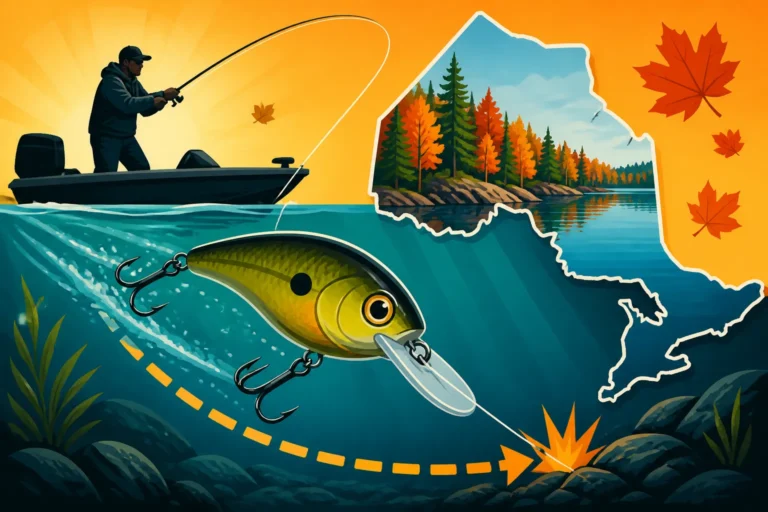
On Lake Nipissing, these times are perfect for casting crankbaits or twitchbaits along weed lines near the shore or over shallow rock piles. Vertical jigging with a minnow or a soft plastic can also be deadly on main lake points and humps during these periods, especially as fish move up onto the structure to feed. Being prepared with your tackle – perhaps a selection of your favorite Rapala, Berkley, or even some tried-and-true custom painted lures you picked up on Amazon – makes all the difference.
Night Fishing for Trophy Walleye
While dawn and dusk are great, many of the biggest walleye on Lake Nipissing are caught after dark. Night fishing might sound intimidating, but it offers a unique opportunity to target those large, elusive trophy walleye that are often more wary during daylight hours.
Under the cover of darkness, walleye lose much of their caution and become incredibly active hunters. They will move even shallower than during the twilight hours, often right into inches of water along shorelines, rocky points, and expansive flats, chasing baitfish that have nowhere to hide. This is where you can truly connect with a monster walleye.
For night fishing on Nipissing, consider slow-trolling large crankbaits that have a good thumping action and perhaps some glow features. Casting shallow-running stickbaits or even jigging with glow-in-the-dark jigs can be highly effective. Safety is paramount when night fishing; make sure your boat lights are working, you have a good headlamp (grab a reliable one from Amazon), and you're familiar with the area you're fishing. Areas around the French River mouth, or large, shallow main lake flats like those found on the western side of the lake, can be particularly productive after dark.
Overcast Days and Choppy Water
Don't let a cloudy day or a bit of chop on Lake Nipissing deter you; these conditions can actually extend the prime walleye bite well beyond the typical dawn and dusk windows. On overcast days, the sun's harsh rays are diffused, effectively creating low-light conditions throughout much of the day. This allows walleye to remain active in shallower water for longer periods, rather than retreating to the depths.
A good chop on the water, generated by wind, also breaks up the light penetration and creates a "walleye chop." This disturbed surface not only makes it harder for prey to see predators but also disorients baitfish, making them easier targets. The chop also oxygenates the water, which can invigorate fish. When the wind is blowing on Nipissing, particularly against a rocky shoreline or a shallow flat, walleye will often stack up on the windy side, feeding aggressively.
On such days, casting crankbaits, spinnerbaits, or even pitching jigs into the waves and whitecaps can be incredibly effective. Consider focusing on wind-blown points, islands, or shallow reefs. These are times when you might find a fantastic bite even at high noon. Always check the forecast and adapt your fishing plans accordingly, because a cloudy, breezy day could just be your new favorite "prime time" on Lake Nipissing.
Adapting Your Approach Throughout the Day on Lake Nipissing
While the golden hours are undeniably productive, the reality is that we often have more time on the water during less optimal conditions. The trick to consistent success on Lake Nipissing is knowing how to adapt when the sun is high or when the weather throws a curveball. Walleye are still there, you just need to understand their new hiding spots and preferred presentations.
Midday Strategies: When the Bite Slows
That midday lull can be frustrating. The sun is high, boat traffic picks up, and the shallower bite often shuts down. It's easy to pack up and call it a day, but patient anglers know that walleye don't just disappear; they simply relocate and become less aggressive. During these bright, calm periods on Lake Nipissing, walleye typically retreat to deeper, cooler, and darker waters.
This is the time to shift your focus to deep water structure. Look for humps, steep drop-offs, underwater points, and the deep edges of main lake basins. The Fish ON-Line interactive zone map, explained in Ontario Fish ON-Line Interactive Zone Map, Explained, can be invaluable for identifying these key structural elements on Nipissing. Walleye will often suspend over these depths or hug the bottom, conserving energy.
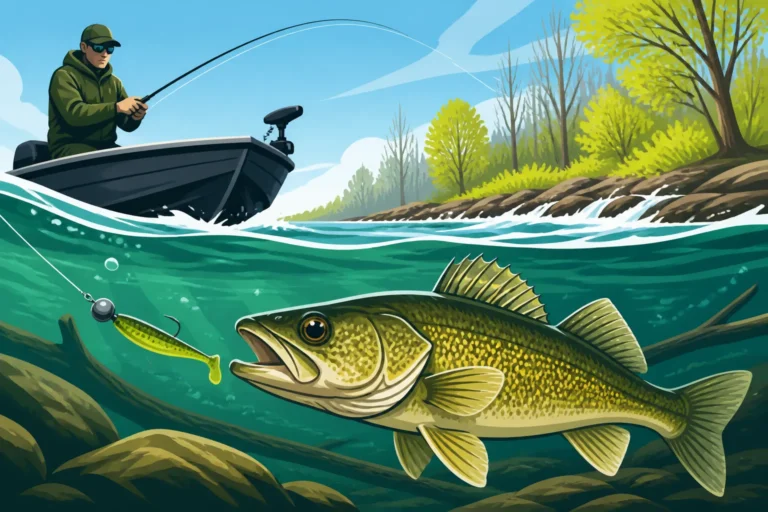
Your tactics need to change from aggressive casting to more methodical presentations. Vertical jigging with heavier jigs tipped with minnows, scented soft plastics (like a Berkley Gulp! Minnow), or even a drop-shot rig can be highly effective. Slow trolling with bottom bouncers and worm harnesses or deep-diving crankbaits that can reach depths of 20-30 feet or more can also entice a bite. Remember, less active fish often require a slower, more subtle presentation. Don't be afraid to experiment with different depths and retrieve speeds until you find what triggers a strike. Sometimes, even just a slight twitch of the rod tip is all it takes.
Weather Fronts and Barometric Pressure
The weather isn't just about sun or clouds; it's about atmospheric pressure, and walleye are incredibly sensitive to changes in it. Falling barometric pressure, which often precedes a cold front or storm system, can trigger an intense feeding frenzy. Walleye seem to sense the impending change and feed aggressively before conditions worsen. This can be an excellent time to be on the water, as fish may feed throughout the day, even in brighter conditions. If you see the clouds rolling in over Nipissing, that might be your cue to go!
Conversely, a high-pressure system that moves in after a cold front can make fishing exceptionally tough. The skies are often clear and bright, and the fish can become lethargic and tight-lipped. They'll often move deep and relate tightly to cover. During these post-front conditions, your best bet is to focus on those golden hours of dawn and dusk, or to fish very slowly and methodically in deep water, using finesse presentations. You might need to scale down your bait size and lighten your line. Understanding How barometric pressure affects Ontario walleye fishing can really help you plan your trips.
Current and Wind Influences
Lake Nipissing, while large, has areas with significant current, particularly near the mouths of its major tributaries like the French River. Current is a huge factor for walleye, as it brings food to them and helps concentrate baitfish. Walleye will often position themselves just out of the main current flow, in eddies or behind structural breaks, waiting for an easy meal to drift by.
When fishing areas with current, think about how walleye would naturally position themselves to conserve energy while maximizing feeding opportunities. Casting jigs or crankbaits upstream and letting the current carry them down to potential holding lies can be very effective.
Wind, as mentioned earlier, can create the "walleye chop" that extends feeding windows. But it also concentrates baitfish. Wind pushes surface water, and with it, often plankton and smaller baitfish, towards particular shorelines or structures. Walleye will follow this food chain. If there's a strong, consistent wind blowing into a bay or against a rocky point on Nipissing, that's often where you'll find active fish. Just be mindful of safety, as Lake Nipissing can get very rough very quickly with strong winds. Always wear your life jacket and keep an eye on the conditions, perhaps using a weather app on your phone, securely stored in a waterproof case you might have picked up on Amazon. Adapting to these natural forces is a cornerstone of consistent walleye success on this magnificent lake.
Seasonal Walleye Activity on Lake Nipissing
To truly master walleye fishing on Lake Nipissing, it’s not enough to just know the best time of day; you also need to factor in the season. The lake undergoes significant transformations throughout the year, and with each change, the walleye's behavior, and therefore the prime fishing times, subtly shift. Ignoring this seasonal variation can lead to many frustrating, fishless trips.
| Season | Best Time of Day | Typical Depths | Key Locations | Preferred Techniques |
|---|---|---|---|---|
| Spring | Early Morning, Late Afternoon, Overcast Days | 5-15 feet | Shallow flats, points, river mouths, spawning transition areas | Casting jigs, crankbaits, slow trolling minnow baits |
| Summer | Dawn, Dusk, Night | 15-35 feet+ | Deep humps, shoals, main lake drop-offs, deep weed edges | Vertical jigging, deep trolling crankbaits, bottom bouncers |
| Fall | Dawn, Dusk, Overcast/Windy Days | 10-25 feet | Mid-depth flats, rocky points, tributary mouths | Casting crankbaits, jigging, slow trolling |
| Winter (Ice) | Dawn, Dusk, Midday (sporadic) | 15-40 feet+ | Main lake basins, humps, structural edges | Jigging spoons, minnows on tip-ups, soft plastics |
Spring Opener and Post-Spawn Walleye
Ah, the spring opener on Lake Nipissing! It's a time of immense excitement for anglers, but also one that requires careful planning. After the ice has finally retreated, typically in late April or early May, walleye are in their post-spawn phase. They're often hungry but can be a bit sluggish as they recover from the rigors of spawning. Water temperatures are still quite cold, usually in the single digits to low teens Celsius (40-50s Fahrenheit).
During the opener, walleye on Nipissing are often found in relatively shallow water, particularly near the areas where they spawned or along migration routes to their summer feeding grounds. River mouths, shallow bays, and rocky points that warm up quickly are prime targets. The "best time" during this period can actually be quite extended. On cloudy days or during periods of stable weather, you might find active walleye almost all day long. However, dawn and dusk still offer a distinct advantage, as the fish are more willing to venture into the super shallow water to ambush baitfish.
Tactically, slow presentations are often key. Jigs tipped with live minnows or scented soft plastics are incredibly effective, as are small, slow-trolled or cast crankbaits that mimic a struggling baitfish. Look for the warmest water you can find, as walleye will often gravitate towards these slightly warmer zones for comfort and feeding.
Summer Heat and Deep Water Tactics
When the summer sun bakes Lake Nipissing, usually from late June through August, the walleye strategy completely shifts. As surface water temperatures climb into the high teens and low twenties Celsius (60s-70s Fahrenheit), walleye become intolerant of the warm, bright, shallow conditions. They retreat to the cooler, oxygen-rich depths.
This is when the golden hours of dawn, dusk, and nighttime truly become the only prime times for aggressive feeding. During the bright, hot midday, walleye will often be in 20, 30, or even 40+ feet of water, relating tightly to structure. You'll find them on deep main lake humps, along the breaks of underwater islands, or nestled against steep drop-offs. If you are keen on How to fish deep structure for summer walleye, this is your season.
Midday fishing success during summer often hinges on precision deep-water tactics. Vertical jigging directly over identified fish or structure, using heavier jigs with live bait or plastics, is a go-to. Deep trolling with powerful fish finders and specialized deep-diving crankbaits or planer boards for covering vast expanses of water can also be effective. The key is to get your bait down to where the fish are holding and present it slowly enough to tempt a less active bite. This is also a fantastic time for night fishing, as the biggest walleye will move onto shallower shelves and humps under the cover of darkness.
Fall Feeding Frenzy
As the days shorten and the nights grow colder in September and October, Lake Nipissing water temperatures begin their slow decline. This triggers another massive feeding period for walleye as they try to gorge themselves in preparation for winter. This fall bite is often a favorite for many anglers due to the quality and quantity of fish.
During the fall, walleye on Nipissing can be found in a wider range of depths compared to summer. They'll often move from their deep summer haunts into more accessible mid-depth flats, rocky points, and even back into shallow bays, especially during low light. The "best time of day" during fall often extends, particularly on overcast or windy days, as the diffused light and chop keep the fish active longer. You might experience excellent fishing throughout the late morning and early afternoon if conditions are right.
Aggressive tactics work well in the fall. Casting large crankbaits and lipless crankbaits over flats and points can draw powerful strikes. Jigging with minnows or soft plastics remains a staple, as does slow trolling. Look for areas where baitfish are congregating, as the walleye will not be far behind. This period is often considered one of the best times to catch a true trophy walleye from Lake Nipissing, making those early morning or late evening pushes well worth the chill in the air.
Winter Ice Fishing Opportunities
When Lake Nipissing freezes solid, a whole new world of walleye fishing opens up: ice fishing. While it requires different gear and techniques, the underlying principles of walleye behavior still apply, though with some unique twists.
Under the ice, walleye still exhibit a preference for low light, making dawn and dusk excellent times to be on the ice. However, because the environment is so stable and dark under a thick sheet of ice and snow, you can often experience active bites throughout the day, especially if you're over a productive hump or structural break. Many ice anglers targeting walleye on Lake Nipissing find success from mid-morning to mid-afternoon as well.
Walleye typically school up more tightly in winter, often relating to the main lake basin, deep humps, submerged islands, or distinct depth transitions. Jigging spoons, vertical jigs tipped with minnows, and set lines (tip-ups) with live minnows are standard tactics. Having a good ice fishing setup, including an ice auger and perhaps an ice hut you could order from Amazon, can make your experience much more enjoyable. Remember to familiarize yourself with Ontario Fishing Regulations Explained for specific ice fishing rules, including ice hut registration and possession limits.
Disclaimer
Fishing regulations, seasons, and conditions can change. Always consult the most current Ontario Fishing Regulations Summary, available from the Ministry of Natural Resources and Forestry (MNRF), before heading out on Lake Nipissing or any other body of water. This guide is for informational purposes only and does not replace official regulations. Practice safe boating and ice fishing techniques, and always prioritize your safety on the water.